Quick answer
Pack a Savotta duffle bag by starting with a clean, dry bag, placing dense items at the bottom, softer items around them, and frequently needed gear near the top or in external pouches. Keep the load balanced, use compression straps to stabilize contents, and protect the bag with a backpack cover when weather turns. For expeditions, treat the duffle as a transport module rather than a daily carry pack.
backpack cover
A duffle bag is one of the simplest pieces of gear you can own, but how you pack and carry it decides whether it works for a weekend trip or a month-long expedition. Savotta duffle bags are built for hard use, and with a few deliberate steps you can get much more out of yours.
This guide walks through a repeatable process for using a Savotta duffle bag for travel and expeditions. It covers load planning, packing order, weight distribution, weather protection, and how to move the bag between vehicles, aircraft, and camps without fighting it.
Start with a clean, dry bag and a load plan
Before anything goes in, check that the duffle is clean and completely dry. Dirt and moisture inside the bag will transfer to your gear, and a damp duffle can start to smell on a long trip. Open all compartments and shake out debris. If you have been using the bag for storage, empty it fully and let it air out.
Next, lay out everything you plan to bring and group it by function: clothing, sleep system, tools, food, and personal items. Decide which items are dense, which are soft, and which you need quick access to. This load plan prevents the common mistake of packing in the order you find things, which usually ends with heavy items on top and a bag that carries poorly.
- Checkpoint: if the bag is not fully dry, stop and let it dry before packing.
Pack dense items low and soft items around them
Place heavy, dense items such as boots, tools, or a stove at the bottom of the duffle. This lowers the center of gravity and keeps the bag from rolling or shifting when you set it down. Soft items like clothing and sleeping bags go around and above the dense layer, filling voids so the load does not collapse.
Items you need during travel, such as a rain shell, documents, or a water bottle, should go near the top or in an exterior pocket if the duffle has one. A common mistake is burying essentials at the bottom, which forces you to unpack the whole bag at a checkpoint or campsite. Keep the packing order consistent so you always know where things are.
- Use stuff sacks or organizers to group small items and prevent them from migrating.
Compress and stabilize the load
Once the duffle is packed, compress the contents using the bag's straps or compression system. A tightly packed duffle is easier to carry, takes less space in a vehicle, and reduces movement inside the bag. If your duffle has no internal compression, use the external straps to take up slack after the bag is closed.
Check that the load is balanced side to side. An uneven duffle will dig into your shoulder or back when carried. If you are using a shoulder strap, adjust it so the bag sits close to your body rather than swinging. For heavy loads, consider a backpack harness or a hip pack attachment if your duffle is compatible, but do not assume compatibility without checking the product details.
- Checkpoint: lift the bag by its handles and confirm it does not shift or sag.
Protect the duffle from weather and abrasion
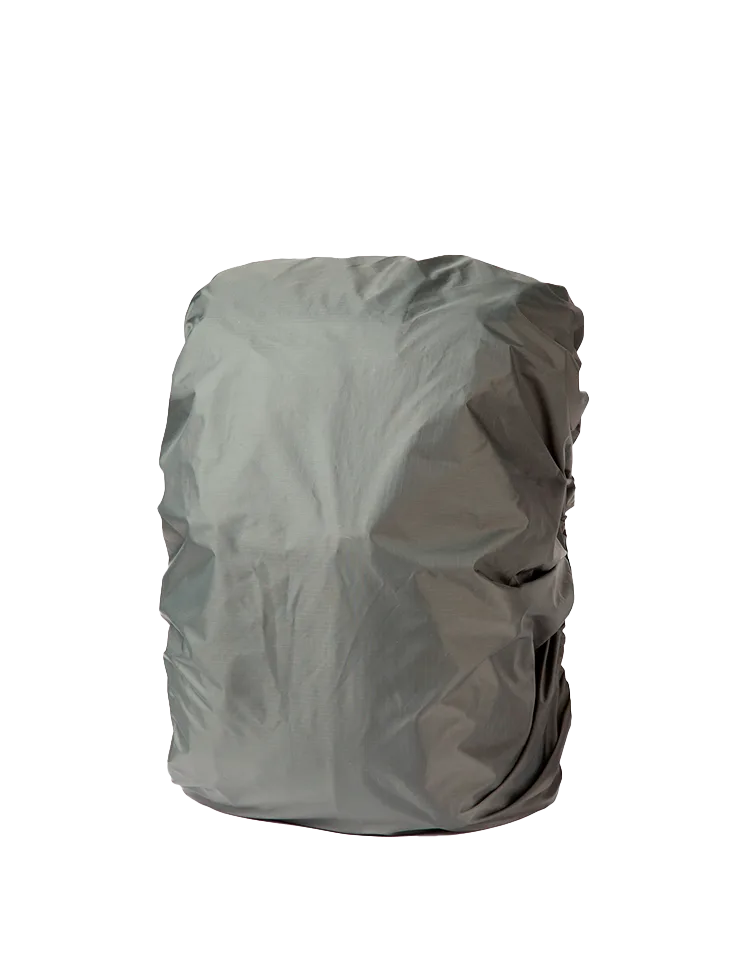
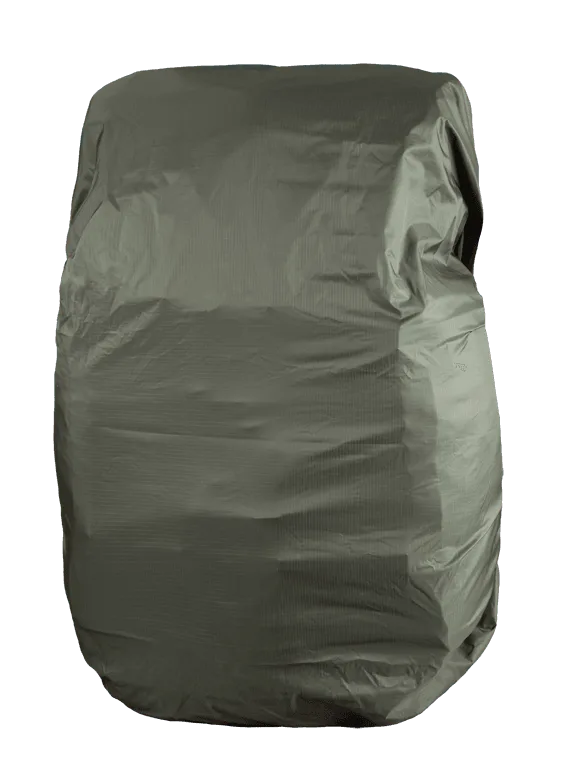
Duffles are exposed to rain, snow, mud, and rough handling during transport. A backpack cover is a simple way to keep the bag and its contents dry. The Savotta Backpack cover, 120L is a lightweight, waterproof cover for extra large packs, with seamless construction and an adjustable elastic retention cord. It also covers snaggy bits that can catch on vehicle racks or baggage handling equipment.
Backpack cover, 120L
For smaller duffles or day loads, the Backpack cover, 30L IRR offers the same seamless construction in a near-infrared adapted material. Both covers are designed to keep contents dry in rain and keep snow out. If you are traveling in a group or using military-style transport, an IRR cover can be a practical choice, but it is not a substitute for a dry bag inside the duffle for full immersion.
- A cover also protects the duffle fabric from abrasion in truck beds and cargo holds.
Carry and transfer the duffle efficiently
Use the duffle's handles for short carries and a shoulder strap for longer distances. When moving through airports or train stations, keep the bag close to your body and avoid letting it swing, which tires your shoulder and can bump into people. If the duffle has backpack straps, use them for heavier loads and switch to handles when the bag is light.
For expeditions, treat the duffle as a transport module. It carries gear to base camp or the trailhead, then stays there while you use a backpack for daily movement. This keeps your primary pack lighter and your duffle organized. A common mistake is trying to carry everything in the duffle all day, which is uncomfortable and inefficient.
- Checkpoint: before you leave, confirm the duffle fits your transport method, such as overhead bins or roof racks.
Organize small items with pouches and hip packs
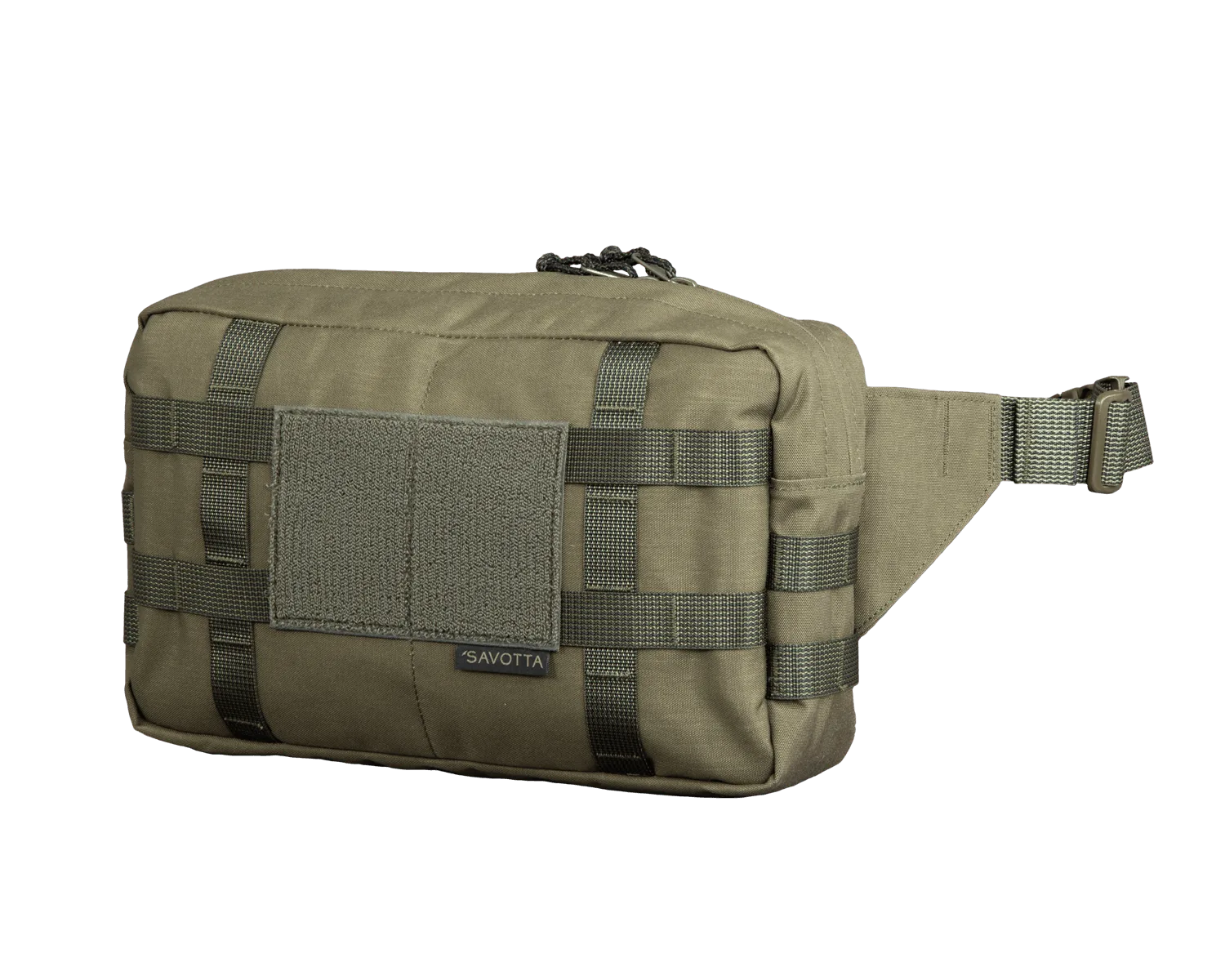
Duffles have limited internal organization, so small items can end up loose. Add pouches or a hip pack to keep essentials together. The Askare hip pack is a seven-litre general purpose pack originally designed for sniper teams, with numerous external attachment options. It can be used as a standalone hip pack or attached to a backpack, and it works well as a removable organizer inside or alongside a duffle.
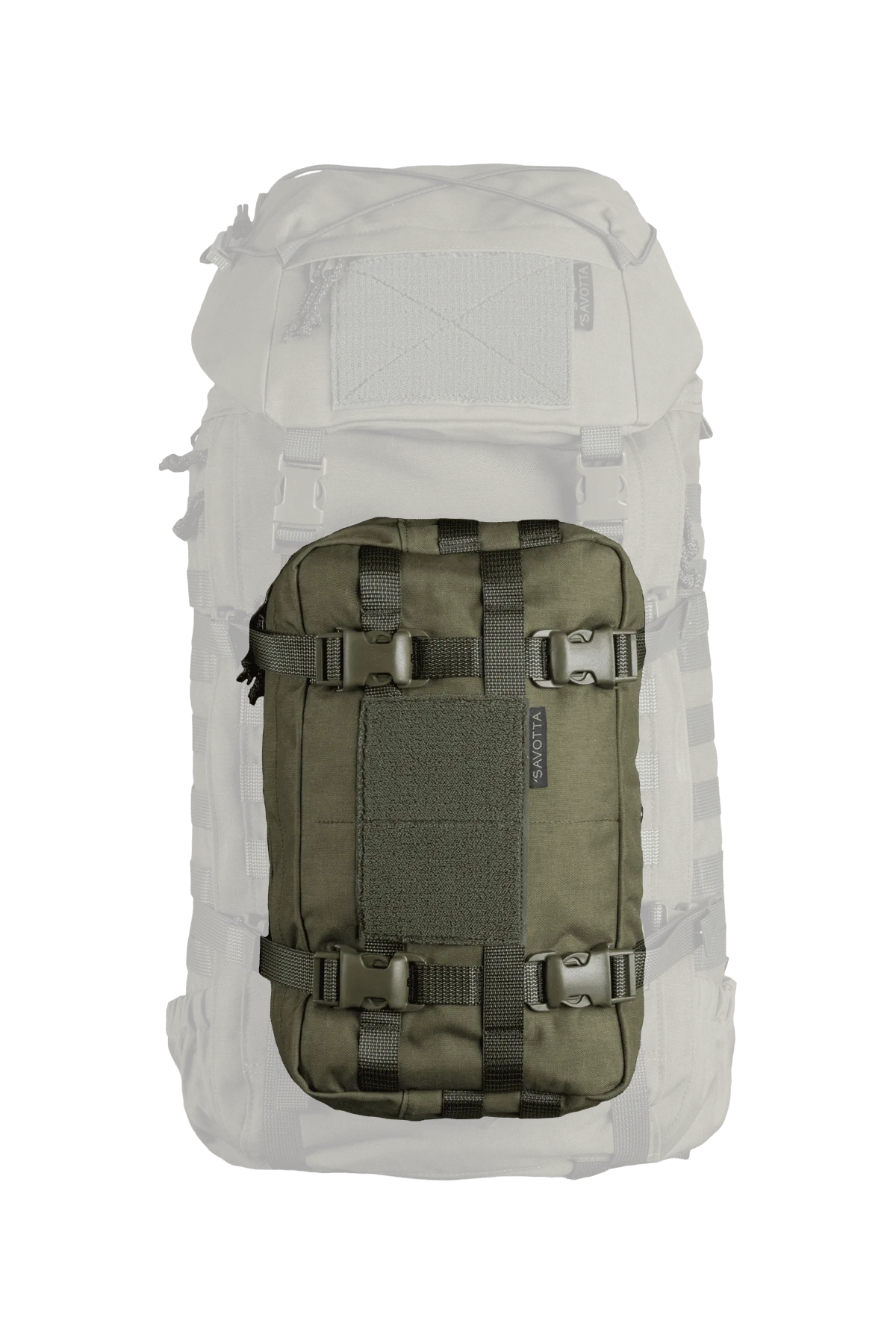
If you want to attach an Askare hip pack to the front of your backpack using side compression straps, the Askare hip pack backpack attachment bundle includes the hip pack and the necessary buckles. Note that all Jääkäri and Kantamus backpacks already include the required male buckles, so check your pack before buying the bundle. For a smaller organizer, the Suur-kukkaro hip pack has three large elastic webbing loops, two small and one large flat compartment, and a loop surface for hook-backed organizers, which helps keep small gear from disappearing in a large duffle.
- Use a hip pack as a removable day bag so you do not have to unpack the duffle at every stop.
Duffle packing steps at a glance
- 1. Prepare the bag: Empty the duffle, check that it is clean and completely dry, and open all compartments. A damp bag will transfer moisture to your gear; do not skip drying.
- 2. Plan the load: Group items by function and decide what is dense, soft, or needed for quick access. A written list or mental plan prevents chaotic packing.
- 3. Pack dense items first: Place heavy items at the bottom and fill around them with soft items to stabilize the load. Keep quick-access items near the top or in an exterior pocket.
- 4. Compress and balance: Use straps or compression to tighten the load and check that the bag is balanced side to side. An unbalanced duffle is uncomfortable to carry and can shift during transport.
- 5. Protect from weather: Add a waterproof cover such as the Backpack cover, 120L or 30L IRR when rain or snow is likely. A cover also reduces abrasion and snagging in vehicles and cargo holds.
- 6. Carry and transfer: Use handles for short carries and a shoulder strap or backpack straps for longer distances; keep the bag close to your body. Treat the duffle as a transport module and switch to a backpack for daily movement.
- 7. Organize small items: Use pouches or a hip pack like the Askare or Suur-kukkaro to keep small gear accessible and contained. A removable hip pack doubles as a day bag so you do not unpack the duffle at every stop.
Gear that works with a Savotta duffle
- Backpack cover, 120L: Lightweight, waterproof backpack cover for extra large packs with seamless construction, adjustable elastic retention cord, and tie-down toggle loops. Fits over a large duffle to keep contents dry and protect the bag from snags during transport.
- Backpack cover, 30L IRR: Lightweight, waterproof cover for small packs, made from near-infrared adapted materials, with seamless construction and adjustable elastic retention cord. A good option for smaller duffles or when you want an IRR cover for military-style travel.
- Askare hip pack: Seven litre capacity, originally designed for sniper teams, with numerous external attachment options. Works as a removable organizer or day pack alongside a duffle, keeping essentials accessible.
- Askare hip pack backpack attachment bundle: Includes 1x Askare hip pack, 4x 2M WB SR PALS-mount 25mm female, and 4x 2M WB SR adjustable 25mm male buckles; Jääkäri and Kantamus backpacks already include the required male buckles. Lets you attach the hip pack to a backpack, but check your pack first to avoid buying unnecessary buckles.
A Savotta duffle bag rewards a deliberate packing routine. Prepare the bag, plan the load, pack dense items low, compress and balance, protect it from weather, and carry it as a transport module rather than a daily pack. With a few organizers and a cover, the same duffle can handle a weekend trip or a demanding expedition.