Quick answer
Use a sensory vest as a short, planned dose of deep pressure: put it on before a demanding transition or focus period, keep the fit snug but comfortable, and take it off after about 20–30 minutes or when the child asks. The vest is a tool for regulation, not a punishment or all-day uniform.
Why timing matters more than tightness
Deep pressure calms the body when it arrives before the child is already overwhelmed. Putting the vest on during a meltdown often feels like restraint, so aim for the window when you see early signs—pacing, covering ears, or seeking squeezes. A predictable routine (vest on, then a known activity) helps the child connect the pressure with feeling better rather than with being told to calm down.
If your child resists the vest, check the fit first. A vest that is too loose slides and provides uneven pressure; one that is too tight restricts breathing and movement. The hook-and-loop closures should let you adjust shoulder, side, and front panels independently so the pressure feels even across the torso.
When a vest is not the right tool
A sensory vest is not a substitute for movement breaks, quiet space, or communication support. If your child has a medical condition affecting breathing, circulation, or the torso, or if they have a history of trauma around restraint, talk with an occupational therapist or pediatrician before using deep pressure. Also skip the vest during active play where it could catch on equipment or during meals if it interferes with sitting comfortably.
Step-by-step: using a sensory vest
- 1. Check the fit before first use: Put the vest on over a light shirt and adjust the shoulder, side, and front closures so it feels snug like a firm hug but still allows a full breath and free arm movement. Slide two fingers under each closure; if you can’t, loosen it. Common mistake: tightening the front only and leaving the sides loose, which creates uneven pressure. Do a two-minute fit check at home before you rely on the vest anywhere else.
- 2. Choose a predictable moment: Put the vest on 5–10 minutes before a task that usually challenges focus or calm—homework, a transition to school, or a noisy assembly. Pair it with a visual timer or a simple verbal cue so the child knows when it will come off. Common mistake: introducing the vest during a meltdown, which can feel like punishment. Write down two or three situations where the vest helped so you can repeat them.
- 3. Keep sessions short and check in: Start with 10–15 minutes and build toward 20–30 minutes only if the child stays comfortable. Ask “Does it feel okay?” or watch for pulling at the vest, flushed cheeks, or shallow breathing. Remove it immediately if any of those appear. Common mistake: leaving the vest on for hours because the child “seems fine,” which can reduce its usefulness and cause discomfort. Set a timer so the vest comes off before the child has to ask.
- 4. Make school use a shared plan: If the vest goes to school, agree with the teacher on when it goes on, who helps adjust it, and how it is stored. Send it in a labeled bag with a short note about the fit and removal cues. Common mistake: sending the vest without a plan, so it gets put on at random times or left on too long. Ask the teacher to report back after the first week so you can adjust the routine.
- 5. Review after one week: After a week, note whether the vest helped the child settle faster, stay on task, or seek less pressure from others. If you see no change, try a different time of day or a shorter session before deciding it doesn’t work. Common mistake: judging the vest after one difficult day or one great day. Keep a simple log of time on, behavior before, and behavior after to spot patterns.
Product facts
-
Sensory Vest: The Sensory Vest provides deep, even pressure to the torso and has shoulder, side, and front hook-and-loop closures for an adjustable fit. Independent closures let you fine-tune pressure across the torso instead of settling for one fixed tightness, which makes it easier to keep the vest comfortable during short focus periods.
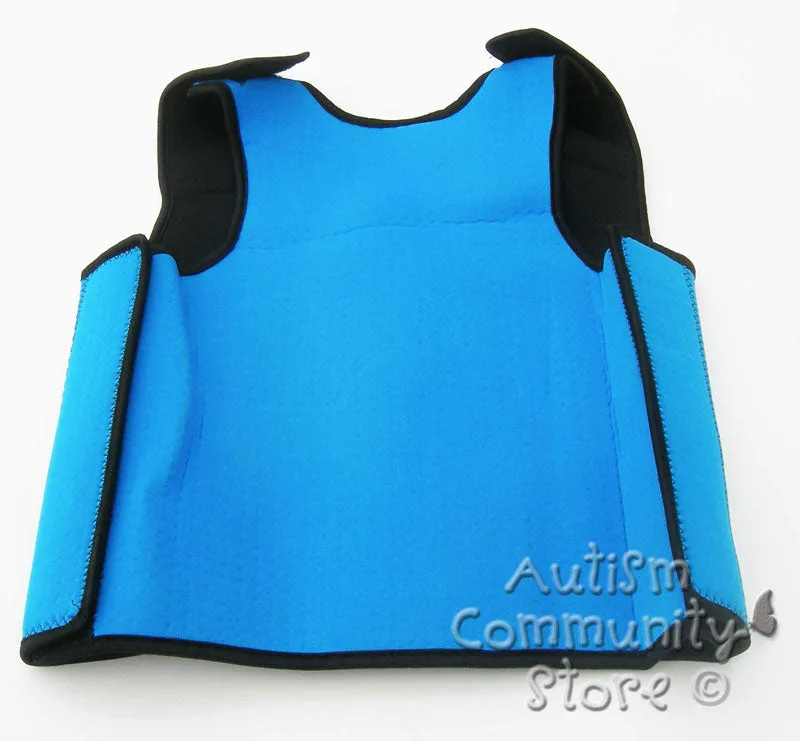
Sensory Vest