Quick Answer
Use a silicone brush for basting and glazing, and a silicone skimmer for lifting foods—both are safe on non-stick surfaces when used with care. Follow the steps below to get the most from these tools without damaging your pans.
Why Silicone Tools Are a Good Match for Non-Stick
Silicone is flexible and non-abrasive, which makes it a natural fit for non-stick cookware. Unlike metal utensils, silicone won't scratch the coating, helping your pans stay non-stick longer.
The Tramontina Softta brush and skimmer are made from silicone, offering a gentle touch for everyday tasks. This makes them a practical addition to your kitchen toolkit if you regularly cook with non-stick pans.
Know the Limits of Silicone Tools
Silicone tools have a few limitations. They may not be ideal for very high-heat tasks like flipping food in a screaming-hot wok, and they can be less precise than metal tools for certain jobs.
If you need to scrape a pan or move heavy food, a silicone tool might flex more than you'd like. In those cases, consider a sturdier option or adjust your technique.
Step-by-Step Guide to Using Silicone Tools on Non-Stick
- Choose the Right Tool for the Task: Use the silicone brush for basting, glazing, or applying sauces. Use the silicone skimmer for lifting foods like dumplings or eggs, or for skimming foam from soups and stews. Don't use the brush for heavy lifting or the skimmer for spreading liquids—each tool has its specialty.
- Preheat the Pan Properly: Heat your non-stick pan on medium heat before adding oil or food. Avoid high heat, which can damage the non-stick coating over time. A hot pan helps food release naturally, so you'll need less oil and less scraping.
- Use the Brush for Basting and Glazing: Dip the silicone brush into your sauce or marinade, then sweep it gently over the food. The flexible bristles coat the surface evenly without scratching the pan. Work in quick, light strokes to avoid pushing food around or lifting the coating.
- Use the Skimmer for Lifting and Skimming: Slide the skimmer under the food to lift it out of the pan, or use it to skim foam from the surface of a simmering liquid. The flexible edge conforms to the pan's shape, reducing the risk of scratches. Let the liquid drain through the slots before moving the food to a plate.
- Avoid Metal and Abrasive Cleaners: After cooking, wash the silicone tools with warm soapy water and a soft sponge. Do not use steel wool or abrasive pads, which can damage both the tools and your non-stick pan. Proper cleaning keeps your tools and cookware in good shape for longer.
Tools That Make It Easier
-
Tramontina Softta Brush, Silicone: The Tramontina Softta Brush is a silicone kitchen tool designed for everyday cooking tasks, ideal for basting, glazing, or applying sauces. Its flexible silicone head lets you spread sauces evenly without scratching your non-stick pan's surface.
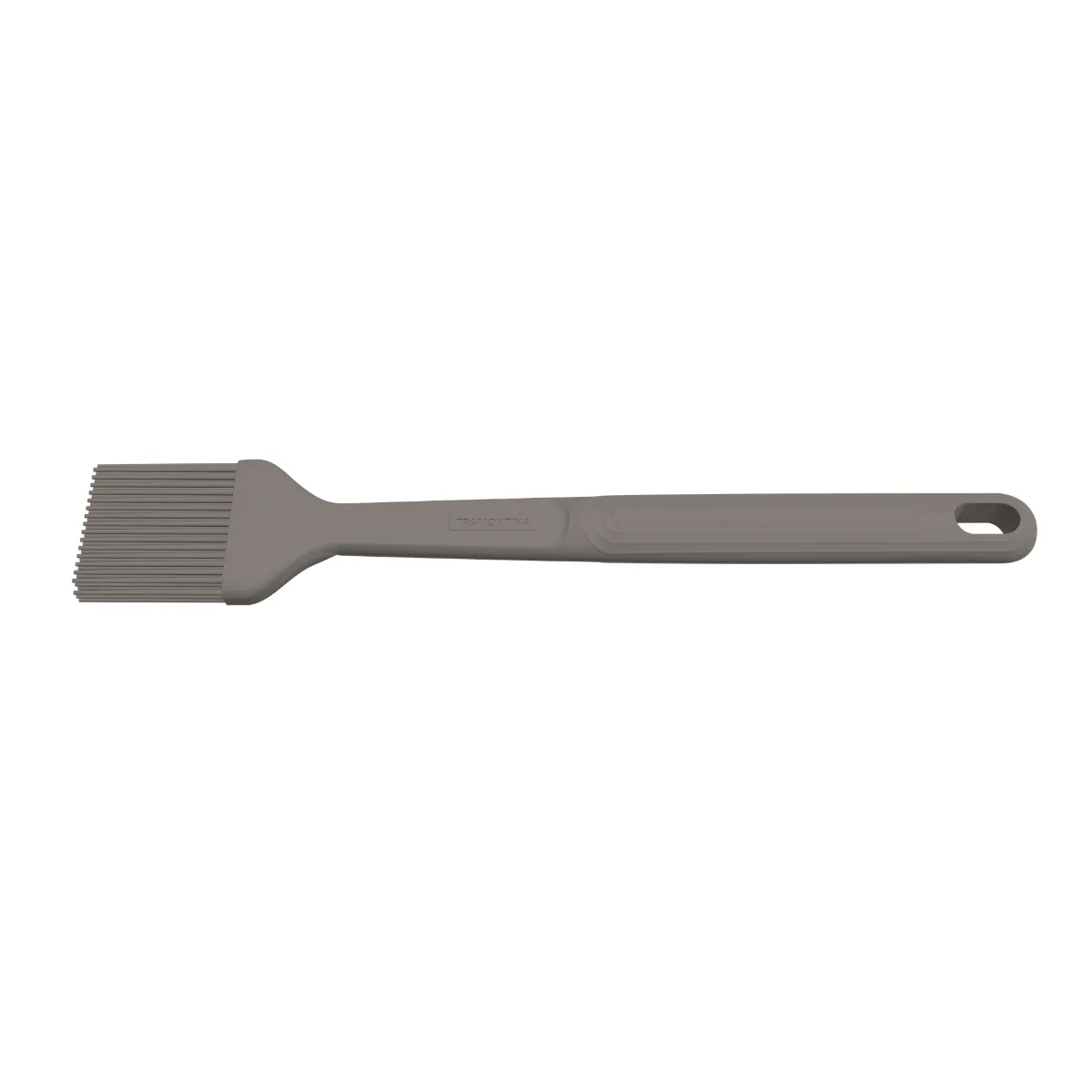
Tramontina Softta Brush, Silicone
-
Tramontina Softta Skimmer, Silicone: The Tramontina Softta Skimmer is crafted from silicone, offering a flexible and gentle touch for skimming tasks. Use it to lift food or skim foam without worrying about damaging your non-stick coating.
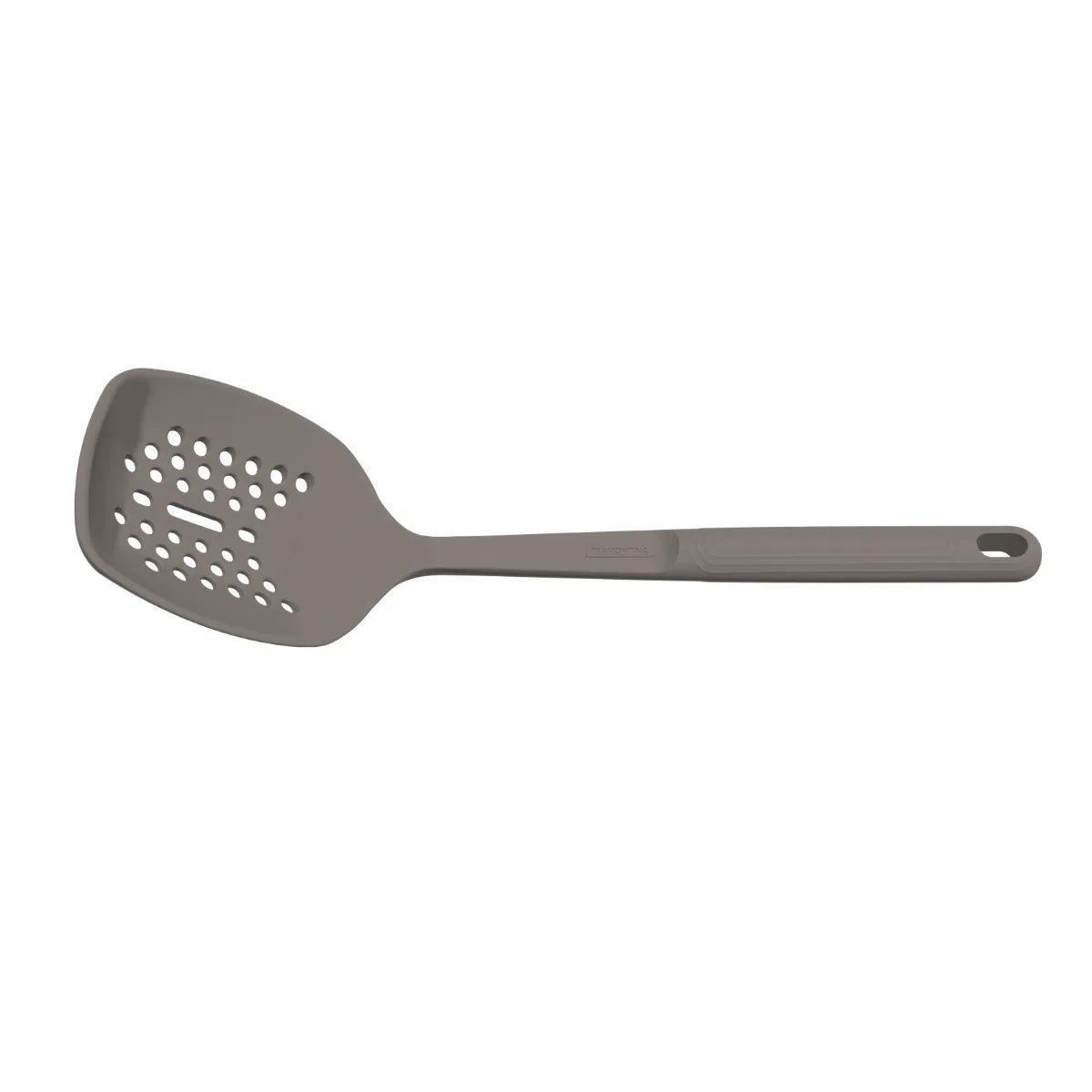
Tramontina Softta Skimmer, Silicone