Sensory play is a cornerstone of infant development, helping babies explore textures, sounds, and movements while building neural connections. A silicone suction spinner ball is one of the most versatile tools you can introduce—it attaches to high chairs, trays, or tables, giving your little one a safe, interactive toy that encourages reaching, batting, and tracking. Unlike many plastic alternatives, silicone is soft, easy to clean, and free from harmful chemicals, making it an ideal choice for mouthing babies.
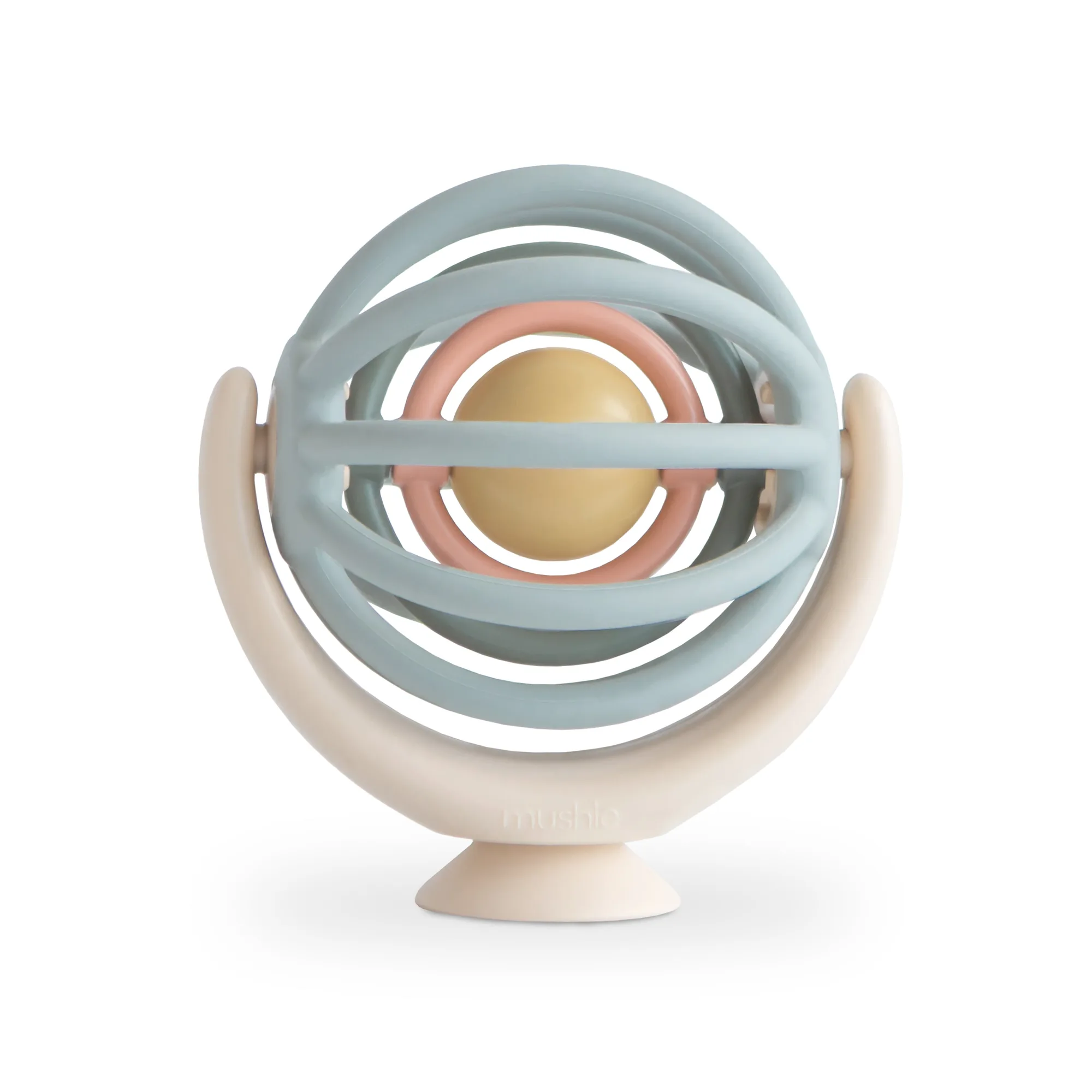
suction spinner ball
In this guide, you’ll learn step-by-step how to use a silicone suction spinner ball for sensory play, from first introduction to advanced activities. Whether your baby is just starting to grasp objects or is already an eager explorer, these ideas will help you get the most out of this simple toy. You’ll also discover how to pair it with other favorite sensory items like the Stacking Rings Toy and the Bear Teether for a richer play experience.
Why a Silicone Suction Spinner Ball Belongs in Your Sensory Toolkit
First, safety matters. Silicone suction spinner balls are typically made from food-grade silicone, which means they’re non-toxic, BPA-free, and gentle on tender gums. The suction base keeps the ball firmly in place on flat surfaces—high chair trays, tables, or even a window—so it won’t roll away or frustrate a baby who’s still mastering reaching skills. That suction also makes it a great travel toy: stick it on a restaurant table or an airplane tray to instantly create a familiar play zone.
Beyond safety, the spinning action itself offers rich sensory feedback. As the ball spins, it creates a gentle rotating motion that babies love to watch and imitate. Some spinner balls include ridges, bumps, or contrasting colors to stimulate tactile and visual senses. The movement also encourages cross-body reaching and hand-eye coordination, which are key developmental milestones for infants aged 4–12 months. Because the toy stays put, babies can practice swatting, grabbing, and pulling without the frustration of chasing a rolling ball.
- Look for a spinner ball with a strong, reliable suction cup—test it on your high chair tray before letting baby play.
- Choose a ball with varied textures or colors to increase sensory input.
Step-by-Step: Introducing the Suction Spinner Ball to Your Infant
Start by cleaning the ball thoroughly with warm soapy water and rinsing well. Place it on a clean, dry surface—a high chair tray is perfect because it’s at baby’s eye level. Stick the suction cup firmly by pressing from the center outward to remove air bubbles. For the first session, simply spin the ball slowly and let your baby watch. Many infants will instinctively reach out or bat at it. If they don’t, gently tap their hand against the ball to show them how it moves.
As your baby becomes more familiar, encourage independent play. Let them experiment with different ways to interact: tapping, grabbing the ball, or pulling it off the surface (some suction cups release easily with a sideways tug). You can also spin the ball in different directions or vary the speed. For babies who are teething, let them mouth the ball—silicone is safe for chewing, and the bumps can provide soothing pressure. Rotate the ball occasionally to keep the novelty alive.
- Always supervise your baby during sensory play, especially if they tend to mouth toys vigorously.
- If the ball loses suction, rinse the suction cup with warm water and dry it—dust or grease can weaken the grip.
Creative Play Ideas: Beyond Simple Spinning
Once your baby masters the basic spin, try these variations to extend the sensory experience. First, attach the ball to a vertical surface like a tile wall or a smooth fridge door—this encourages a different arm angle and strengthens shoulder muscles. Second, add a small amount of water to a shallow tray (like the Bath Boats but on a flat surface) and place the spinner ball inside; the water changes the resistance and sound as the ball spins. Third, use the ball as a cause-and-effect toy: show your baby that spinning the ball makes a rattle or chime sound if the ball has internal beads.
For babies who are starting to understand object permanence, place a lightweight scarf over the ball while it’s spinning and let your baby discover it. You can also pair the spinner ball with other sensory toys for a mini station. For example, set the Stacking Rings Toy next to the spinner ball so your baby can alternate between stacking and spinning. The rings offer a different gripping challenge, and the contrast between the stationary stack and the moving ball keeps attention longer.
- If your baby loses interest, put the toy away for a few days—novelty is key for sustained engagement.
- Rotate toys weekly to prevent overstimulation and maintain curiosity.
Complementary Sensory Toys: Pairing the Spinner Ball with Other Favorites
A silicone suction spinner ball works beautifully as part of a sensory rotation. One excellent companion is the Stacking Rings Toy, which introduces size discrimination and sequencing. After spinning, invite your baby to try stacking the rings—they can even put a ring over the spinner ball’s base for a combined activity. The contrasting textures (smooth silicone vs. the rings’ surface) offer tactile variety that supports sensory integration.
For teething infants, the Bear Teether is a natural partner. While the spinner ball provides visual and auditory stimulation, the teether offers targeted relief for sore gums. You might hold the teether near the spinner ball so your baby can reach for both, encouraging bilateral movement. This combination also introduces the concept of choosing between two objects, an early decision-making skill. Just be sure both toys are clean and age-appropriate—the Bear Teether is designed for mouthing, and the spinner ball should be checked for any small parts if it’s not a single-mold silicone piece.
- Always check product age recommendations before introducing multiple toys together.
- Clean silicone toys in the dishwasher or by boiling for 2–3 minutes (if the packaging says it’s heat-safe).
Safety and Cleaning Tips for Long-Lasting Use
To keep the silicone suction spinner ball in good condition, clean it after each use. Dishwasher-safe silicone can go on the top rack, but hand washing with mild soap is gentler and helps maintain suction power. Inspect the ball regularly for cracks, tears, or loose parts—silicone is durable, but chewing can eventually damage it. If you notice any wear, replace it immediately to avoid choking hazards.
When storing the spinner ball, avoid placing heavy objects on top of it, as this can deform the silicone. Keep it away from direct heat sources, and don’t use abrasive scrubbers that might scratch the surface. For the strongest suction, clean the surface where you’ll attach it with a damp cloth to remove grease or food residue. With proper care, your spinner ball can remain a beloved part of your baby’s sensory play routine for months.
- Do not expose silicone toys to open flames or high oven heat.
- If the suction cup loses its stick, try dipping it in hot water for 10 seconds, then drying it—this can rejuvenate the grip.
A silicone suction spinner ball is a simple, powerful tool for infant sensory play that grows with your child. From the first tentative bat to creative combinations with other toys like the Stacking Rings Toy and the Bear Teether, it offers endless opportunities for learning and fun. Remember to follow safety guidelines, keep sessions short and varied, and most importantly, let your baby lead the play. With these step-by-step ideas, you’ll turn a single toy into a whole world of discovery.