Quick answer
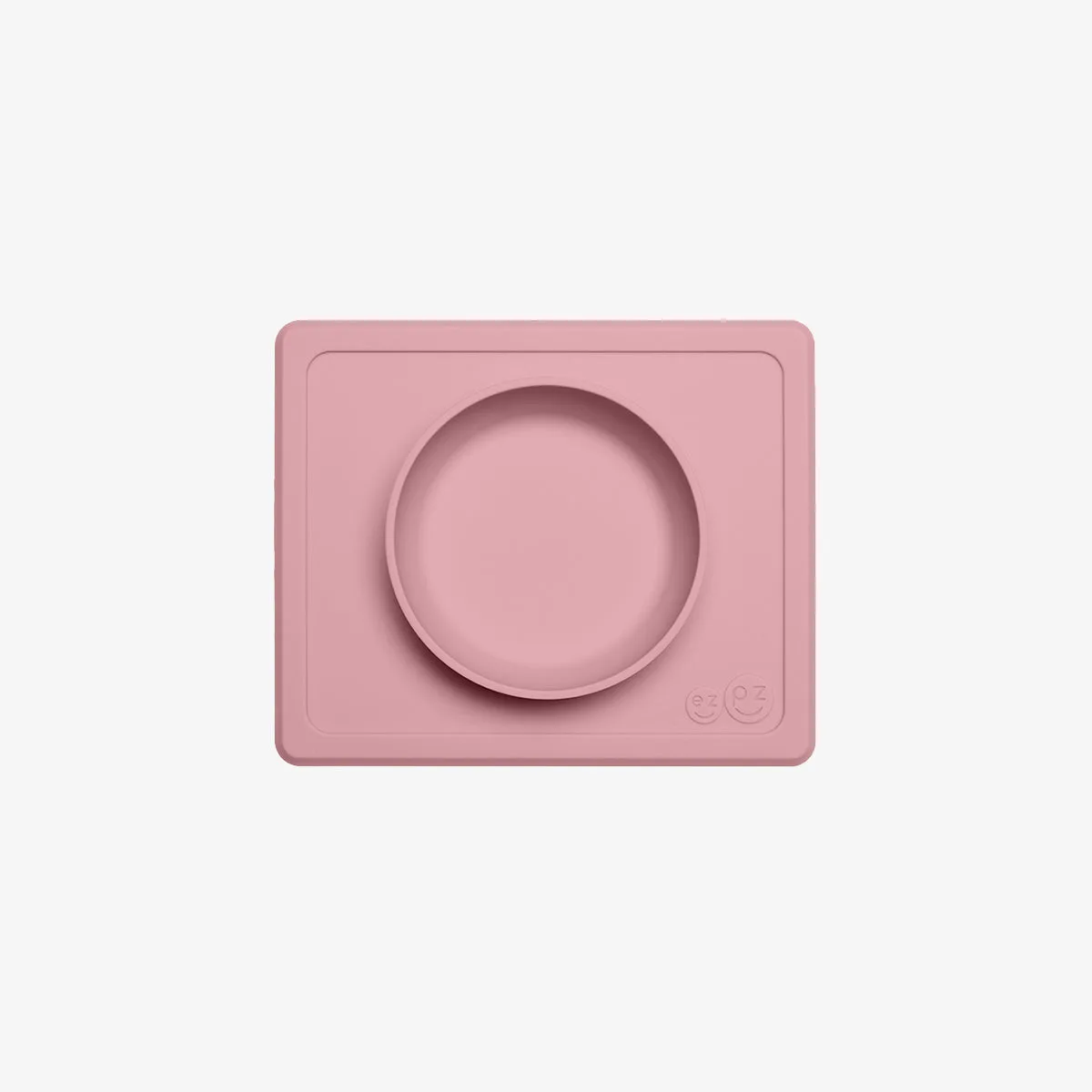
Set up one suction plate or bowl, one soft spoon, and a bib before your baby sits down. Press the base onto a clean, dry tray until it seals, then offer two or three soft finger foods at a time. Silicone tableware works best when it is food-grade, free of BPA and phthalates, and sized so your baby can reach every piece without chasing the dish around the table.
Baby-led weaning is less about fancy equipment and more about giving your baby a stable, safe setup they can explore on their own. Silicone tableware does that job well: it grips the tray, stays warm to the touch, and does not chip the way some rigid dishes can when a spoon gets banged around.
This guide walks through the order that actually works in real kitchens, from choosing the right pieces to cleaning them without leaving a residue. Along the way you will see where parents commonly slip up, and how a few small habits keep meals calmer for everyone.
Why silicone works well for self-feeding
Silicone is soft, flexible, and does not hold heat the way ceramic or metal does, so a baby grabbing the rim of a bowl is less likely to flinch. Most silicone tableware is also light enough for small hands to lift and heavy enough to stay put when a suction base is pressed down properly.
The key is the material grade. Look for food-grade silicone that is BPA and phthalate free and has been independently safety tested. That combination matters more than color or shape, because your baby will chew on the spoon and the rim of the bowl long before they master scooping.
- Check that the base is smooth and flat; a warped base will not seal on a highchair tray.
- Avoid dishes with deep narrow corners that trap food your baby cannot reach.
Set up the station before your baby sits down
Once a baby is in the chair, you have about thirty seconds before they start reaching. Get everything in place first: the suction plate pressed onto a clean, dry tray, a soft spoon within reach, a bib on, and a damp cloth nearby for the inevitable swipe across the face.
A dry tray is the part parents skip. Suction bases rely on a smooth, grease-free surface, so wipe the tray with a damp cloth and let it dry completely before pressing the dish down. If you are using a plate with divided sections, put the food your baby is most likely to grab in the section closest to their dominant hand.
- Test the seal with a gentle tug before adding food.
- Keep the plate centered, not at the very edge of the tray.
Portion food so silicone tableware does the work
Silicone bowls for BLW are most useful when they hold a small amount rather than a full serving. Two or three pieces of soft food at a time lets your baby succeed, and you can refill as they eat. A plate that is too full becomes a toy to sweep off the edge.
Cut food into finger-length strips that stick out of a closed fist, which is the grip most babies use first. If you are serving something soft like mashed avocado or yogurt, a shallow silicone bowl with a slightly raised lip gives your baby a better chance of scooping without pushing the food over the side.
- Start with one texture at a time so you can spot reactions.
- Refill quietly rather than stacking food into a tower.
Let your baby lead, and resist the urge to help
The hardest step for most parents is keeping hands back. Baby-led weaning works because your baby controls the pace, the amount, and the mess. If you guide every spoonful into their mouth, they learn to wait for you instead of practicing the hand-to-mouth motion themselves.
That said, safety comes first. Sit your baby upright, never reclined, and stay within arm's reach for the whole meal. Learn the difference between gagging, which is noisy and normal, and choking, which is silent. If you are unsure, talk to your pediatrician before starting solids.
- Offer a pre-loaded spoon and let your baby grab the handle.
- End the meal when your baby turns away or starts throwing food.
Clean silicone tableware so it stays grippy
Silicone picks up residue from oily foods, and a slick base will not seal on the tray. Wash dishes in warm soapy water, or put them on the top rack of the dishwasher if the manufacturer says they are dishwasher safe. Check the product details before assuming, since not every silicone item is rated for every cleaning method.
If a film builds up over time, a short soak in warm water with a little baking soda usually lifts it. Avoid abrasive scrubbers that can dull the surface, and let pieces air dry fully before stacking them, because trapped moisture is what makes silicone smell stale.
- Rinse immediately after the meal to stop oils from setting.
- Store flat or loosely stacked so air can circulate.
Your seven-step silicone tableware routine
- Wipe and dry the tray: Clean the highchair tray with a damp cloth and let it dry completely before placing any dish. Checkpoint: the surface should feel smooth and matte, not slick.
- Press the suction base down: Set the plate or bowl in the center of the tray and press the base firmly with your palm for a few seconds. Mistake to avoid: pressing on a wet or oily tray, which stops the seal from forming.
- Add two or three food pieces: Place soft, finger-length strips in the section closest to your baby's dominant hand. Checkpoint: your baby should be able to reach every piece without stretching.
- Offer a soft spoon: Pre-load a silicone spoon and set it down within reach rather than aiming it at your baby's mouth. Mistake to avoid: holding the spoon for them, which removes the practice.
- Sit back and stay close: Keep your baby upright and stay within arm's reach for the entire meal. Checkpoint: you can touch your baby without leaving your seat.
- Refill quietly: Add one or two pieces at a time as your baby eats, rather than restocking the whole plate. Mistake to avoid: overfilling, which turns the plate into a toy.
- Wash and air dry: Rinse the dish right after the meal, wash in warm soapy water, and let it dry fully before stacking. Next step: check the product details for dishwasher guidance before your first wash.
Silicone and mealtime picks from the OB Designs range
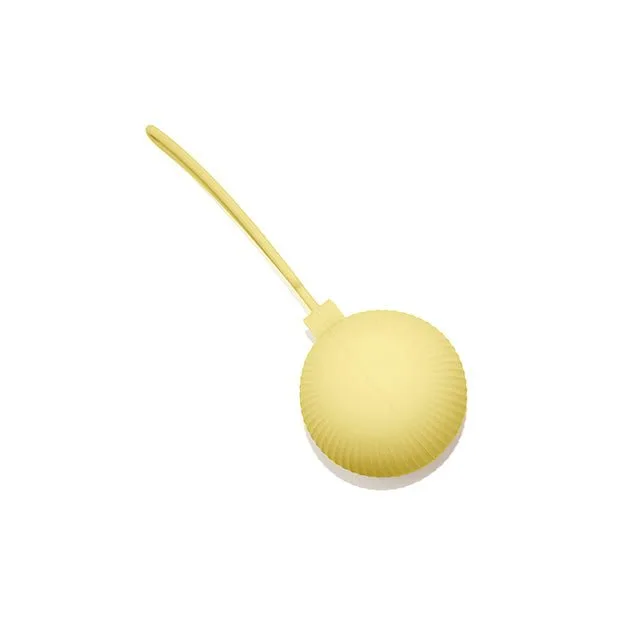
- Lemon Eco-Friendly Pacifier Holder: Made from 100% food-grade silicone that is BPA and phthalate free, independently safety tested, and shipped from the US warehouse with orders dispatched within 48 hours. The same food-grade silicone standard you want in tableware shows up here, and the fast dispatch means you can add it to a weaning setup without a long wait.
- Tyler Turtle Soft Toy 13"/33cm: Made with premium, ultra-soft materials, independently safety tested, and designed by OB in Australia as part of the sea creature range. A soft toy within reach of the highchair gives your baby something familiar to hold between bites, which can steady a wobbly self-feeding session.
Silicone tableware will not make your baby eat neatly, and it is not supposed to. What it does is remove two common frustrations: dishes that slide away and spoons that are too hard on new gums. Get the setup right, keep portions small, and let your baby set the pace. If you are adding pieces to your weaning kit, the food-grade silicone standard behind the Lemon Eco-Friendly Pacifier Holder is a good benchmark to look for across everything on the tray.