Quick Answer
To use sleep patches effectively, apply one clean, dry patch to a hairless area of skin about 30–60 minutes before bed, press firmly for a few seconds, and leave it on overnight. Pair it with a consistent wind-down routine—same time, same spot, same steps—so your body learns to associate the patch with sleep.
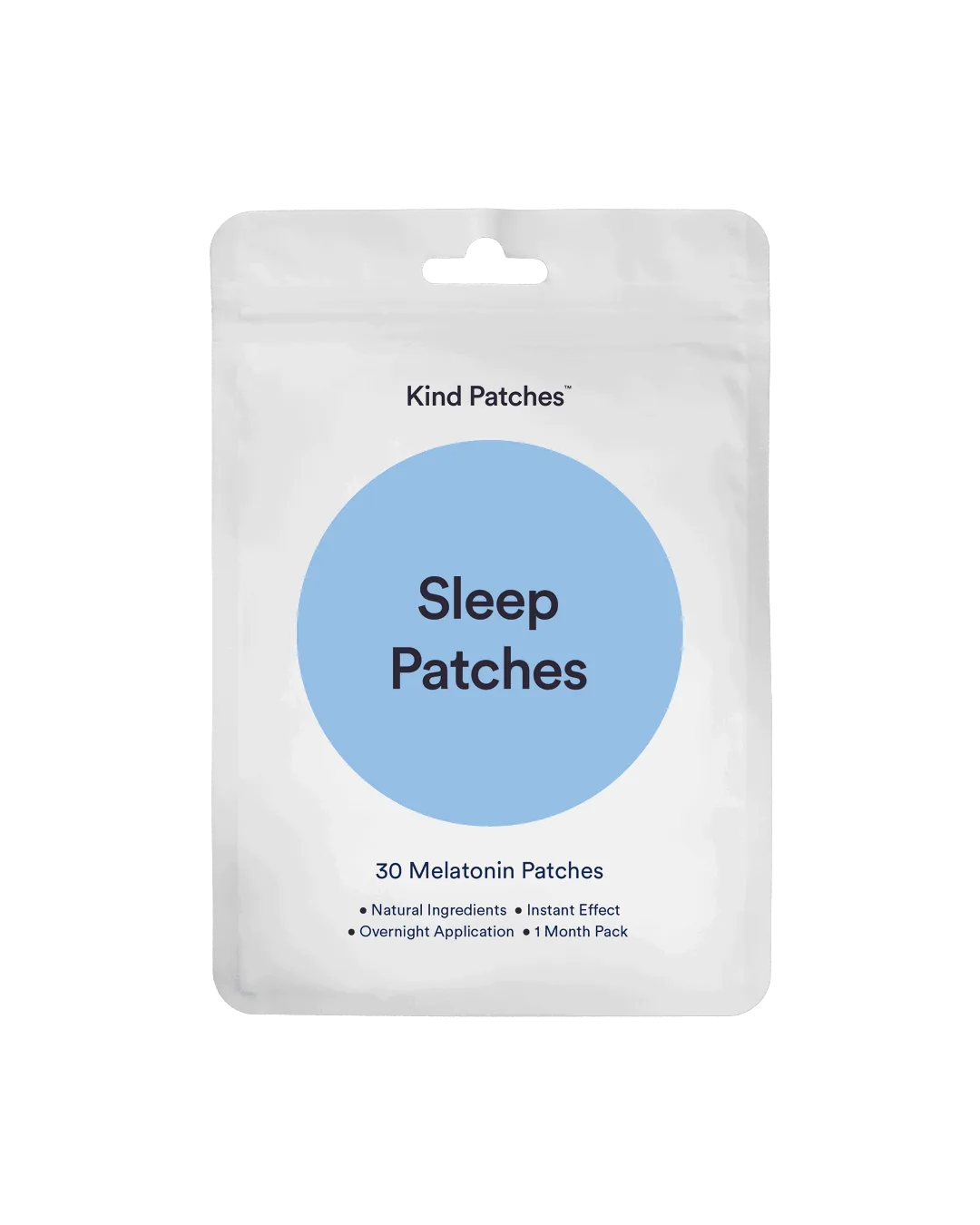
sleep patches
If you've ever struggled to wind down at the end of the day, you're not alone. Sleep patches offer a low-effort way to signal to your body that it's time to rest—no pills, no powders, no complicated rituals. They're discreet, easy to apply, and designed to fit into your existing evening routine without adding friction.
But like any wellness habit, consistency matters more than perfection. The key is to build a simple, repeatable routine around your sleep patches so that applying one becomes a natural cue for your brain to start relaxing. Here's how to do it, step by step.
Start with a Clean, Dry Spot
The first step to getting the most out of your sleep patches is choosing the right spot on your body. Look for a clean, dry area of skin with little to no hair—common choices include the inside of the wrist, the upper chest, or the shoulder area. Avoid areas with cuts, rashes, or recent lotion application, as these can interfere with adhesion.
Before applying, gently wash the area with plain water and pat it dry. Skipping this step is a common mistake: leftover moisturizer, sweat, or oils can prevent the patch from sticking properly and reduce its effectiveness. A clean surface helps the patch stay in place through the night and makes removal easier in the morning.
- Rotate application spots each night to give your skin a break and maintain good adhesion.
Apply 30–60 Minutes Before Bed
Timing matters when it comes to building a consistent nightly routine. Aim to apply your sleep patch about 30 to 60 minutes before you plan to actually get into bed. This gives the patch time to start working as you move through your wind-down activities, like reading, stretching, or taking a warm shower.
The best time to apply sleep patches is the same time every night. When you pair the patch with a consistent bedtime, your body begins to associate that moment with relaxation. One common mistake is applying the patch right as you're about to close your eyes—this can make it harder to notice any gradual calming effect.
- Set a nightly alarm as a reminder to apply your patch as part of your wind-down routine.
Press Firmly and Wear It Overnight
Once you've placed the patch, press down firmly with the palm of your hand for about 10–15 seconds. This helps the adhesive bond properly and ensures the patch stays put while you toss and turn. A patch that's not pressed down fully is more likely to peel off during the night, which means you miss out on the full intended wear time.
Sleep patches are designed to be worn while you sleep, so leave it on overnight and remove it in the morning. If you find the patch irritating or it doesn't stay on well, try a different application spot or make sure the area is completely dry before applying. Morning removal is usually as simple as peeling it off gently.
- If you shower in the morning, remove the patch before getting wet to keep adhesion optimal.
Pair It with a Consistent Wind-Down Ritual
A sleep patch works best when it's part of a larger, consistent nightly routine. The patch itself is a tool—the habit around it is what creates lasting change. Try to keep the same sequence each night: dim the lights, put your phone away, apply your patch, and settle into a calming activity like journaling or deep breathing.
This repetition is what trains your body to recognize that it's time to rest. One common mistake is treating the patch as a standalone solution while keeping an erratic sleep schedule or using screens right up until bed. The patch complements a healthy routine; it doesn't replace one.
- Keep your patches in a visible spot, like next to your toothbrush, so you don't forget to apply them.
Track What Works for You
Everyone's routine looks a little different, so it's worth paying attention to how your body responds. Notice how you feel after a few nights of consistent use—do you fall asleep more easily? Do you feel more rested in the morning? Keep a simple note in your phone or journal to track patterns.
If you're not seeing the results you want, consider whether your application timing, patch placement, or overall sleep hygiene could be adjusted. Consistency over several weeks is usually more informative than judging a single night. Give your routine time to work before changing anything.
- Reassess after two weeks: if you're still struggling with sleep, consider consulting a healthcare professional.
Your 5-Step Nightly Sleep Patch Routine
- Choose your patch: Pick a sleep patch that matches your needs—whether that's general stress relief or extra support on heavy days. Keep it within reach of your nightly routine. Checkpoint: Have your patch ready before you start winding down so you don't forget.
- Prepare your skin: Wash a hairless area of skin with plain water and pat it completely dry. Avoid lotions, oils, or cuts in the area. Common mistake: Applying to moisturized skin can weaken adhesion.
- Apply 30–60 minutes before bed: Place the patch on the clean, dry spot and press firmly for 10–15 seconds. Do this at the same time each night. Checkpoint: Use a nightly alarm to keep your timing consistent.
- Wear it overnight: Leave the patch on while you sleep and remove it gently in the morning. Rotate application spots to give your skin a break. Common mistake: Removing the patch too early reduces the full intended wear time.
- Pair with a wind-down ritual: Combine your patch with consistent calming activities like dimming lights, putting away screens, and deep breathing. Checkpoint: After two weeks, review how you feel and adjust your routine if needed.
Sleep Patch Options from Kind Patches
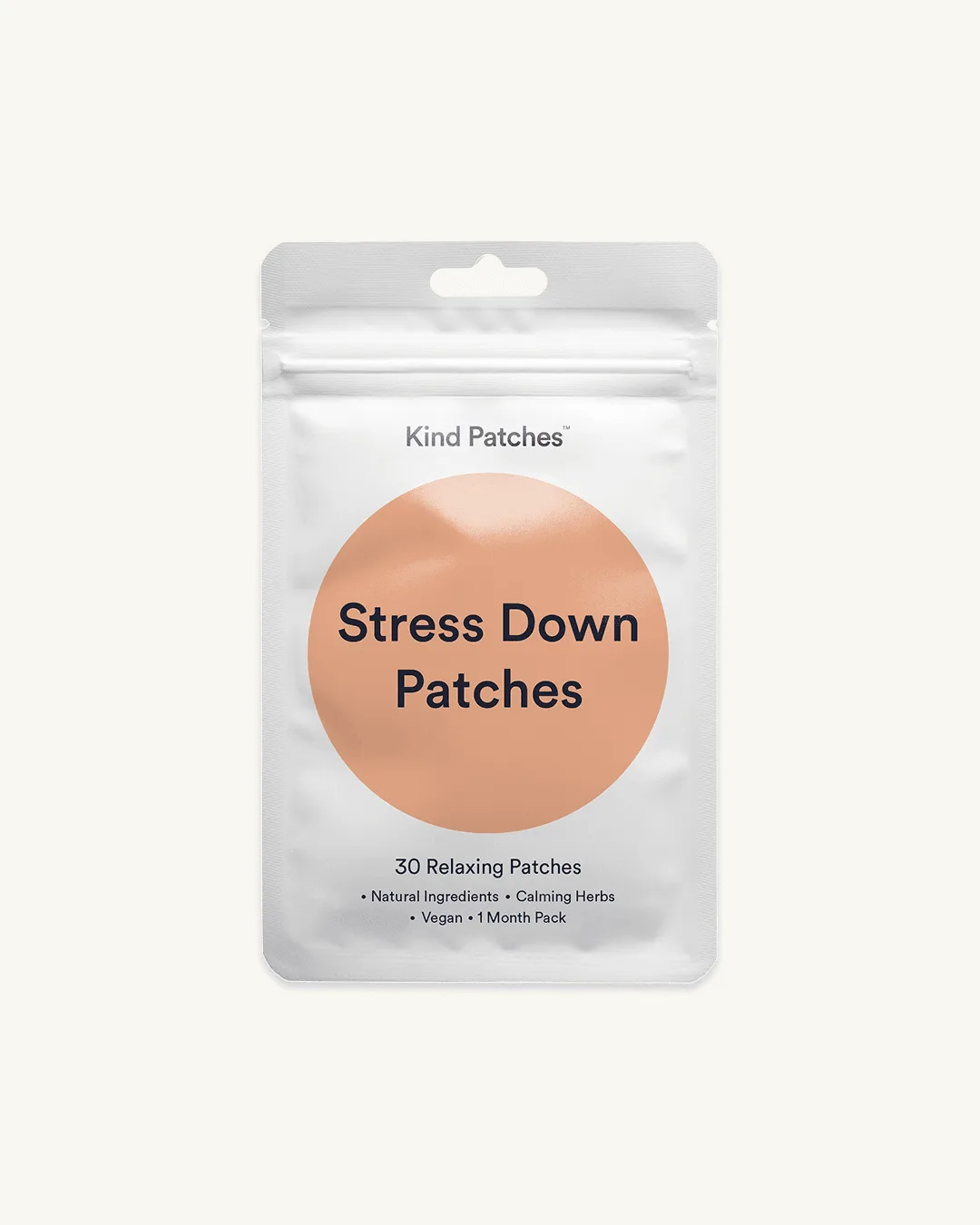
- Stress Down Patches: Stress Down Patches contain a blend of ingredients in a format that fits into your routine with ease. They're discreet and convenient to use – no mixing, no scheduling, no stress. If your sleep struggles are tied to a busy mind, these patches can be a gentle addition to your wind-down routine, helping you unwind before bed.
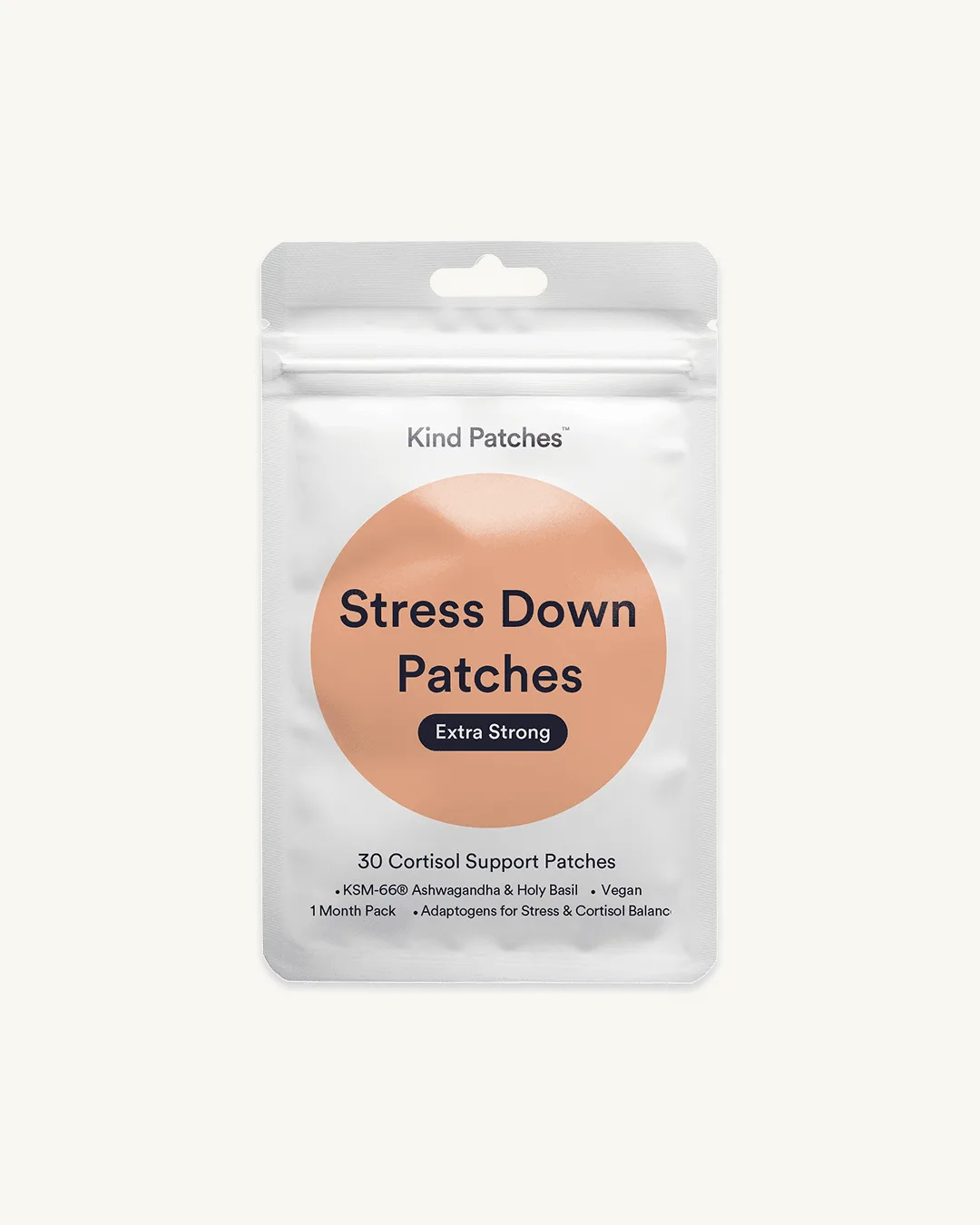
- Stress Down Patches - Extra Strong: Stress Down Patches Extra Strong are the no-stress complement to your wellness routine, helping you to feel calm and centered. Discreet, convenient, and easy to apply, they are a no-friction addition that you can slip into your day when you need it. For evenings when you feel particularly overwhelmed, the extra strong version offers a more robust option to help you feel calm and centered before sleep.
- Brainpower Patches: Use Brainpower Patches as part of a wellness routine that helps to feed your mind, so you can stay clear, calm, and mentally present. Discreet and easy to use, patches require no scheduling, no pills or powders, no effort. If daytime mental fog is making it harder to wind down at night, these patches can support your focus during the day, which may help you feel more settled by evening.
Building a consistent nightly routine with sleep patches doesn't require a complete overhaul of your evenings. Start with one small change—applying a patch at the same time each night—and build from there. Over time, that simple act can become a reliable signal that helps your body shift into rest mode, making sleep feel less like a struggle and more like a natural part of your day.