Quick answer
Use a sleeping bag liner as a thin inner layer inside your sleeping bag to add warmth and keep your bag clean. Choose a liner that fits your bag's shape, insert it before bed, and secure it to prevent bunching.
Liner vs. sleeping bag: what a liner can and cannot do
A sleeping bag liner adds a modest amount of warmth and protects your bag from dirt and oils, but it does not replace a sleeping bag's insulation. Think of it as a boost, not a substitute. For cold camping, pair a liner with a bag rated for the conditions; the liner helps take the edge off but won't turn a summer bag into a winter bag.
Choosing the right liner for warmth and fit
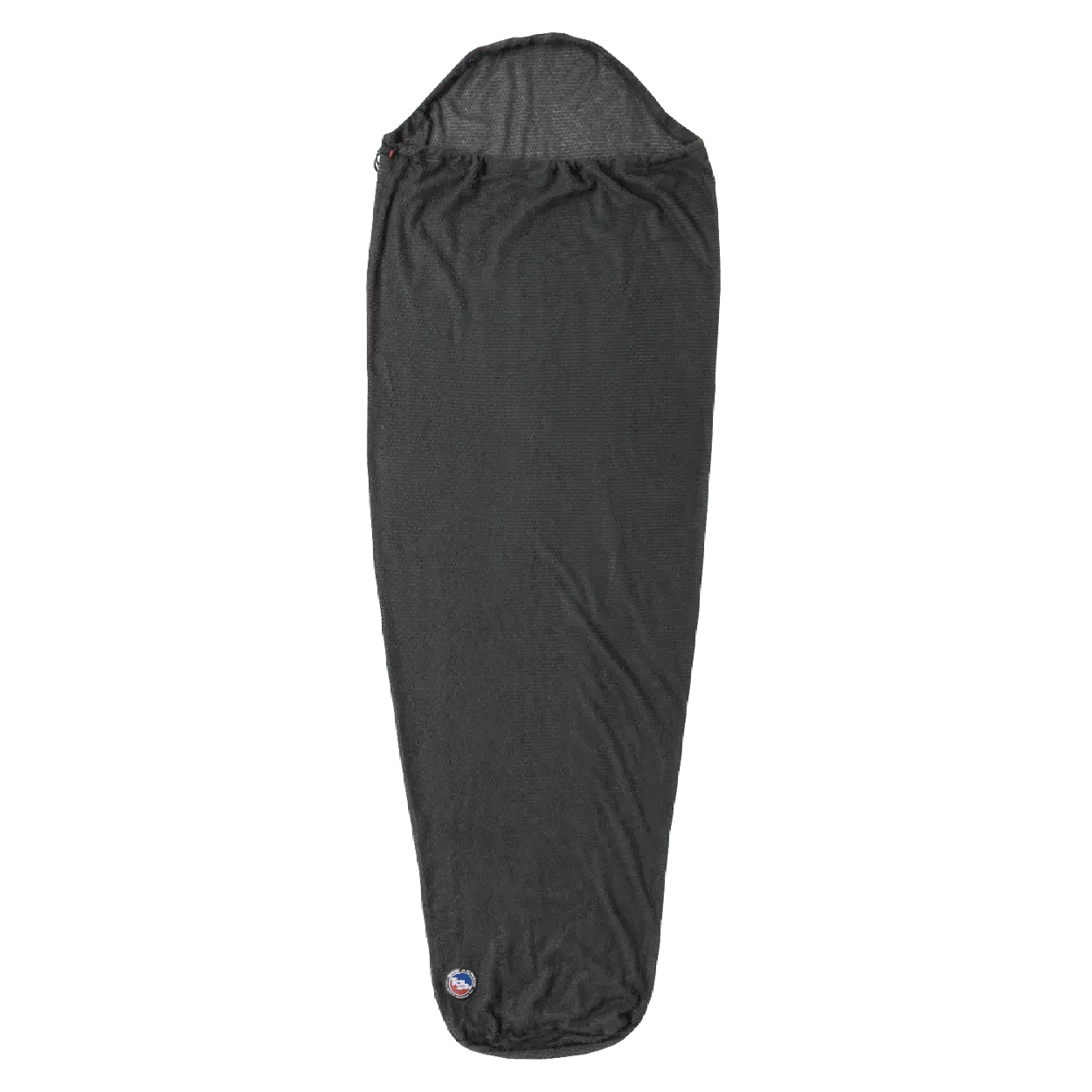
Liners come in different shapes (mummy, rectangular, semi-rectangular) and materials. For warmth, thicker materials like fleece or insulated synthetics add more degrees than silk or cotton. Fit matters: a liner that's too loose bunches up and creates cold spots, while one that's too tight restricts movement. Look for liners with elastic or drawstrings to keep them in place.
Step-by-step: using a sleeping bag liner for warmer nights
- Match liner shape to your bag: Choose a liner that matches your sleeping bag's shape (mummy, rectangular, or semi-rectangular). A mismatched shape can cause bunching and reduce warmth. Check the liner's dimensions against your bag's interior; if in doubt, size up for a roomier fit.
- Insert the liner before dark: Lay the liner inside your bag and smooth out any wrinkles. Doing this before bed ensures it's ready and prevents fumbling in the cold. Shake out the liner to fluff it up; this improves loft and warmth.
- Secure the liner to prevent bunching: Use any attachments (elastic corners, drawstrings, or loops) to anchor the liner to your bag. If your liner lacks attachments, tuck the edges under your pad or bag. A bunched liner creates cold spots; smooth it out after you get in.
- Layer yourself correctly: Wear dry, clean clothing inside the liner. Avoid heavy layers that compress insulation; instead, rely on the liner and bag for warmth. Change out of damp clothes before getting in; moisture reduces liner effectiveness.
- Ventilate to manage moisture: If you feel clammy, open your bag's vent or stick a foot out. Moisture buildup reduces warmth over time. On mild nights, use the liner alone as a lightweight sleeping layer.
- Clean the liner regularly: Wash the liner according to its care label after each trip. This keeps it fresh and maintains its performance. A clean liner protects your bag and reduces the need to wash the bag itself.
Product facts
-
UL Recovery Sleeping Bag Liner: Integrated CELLIANT® technology, clinically demonstrated to help you recover from fatigue faster. This can help you wake up feeling more ready for the trail, especially on multi-day trips.
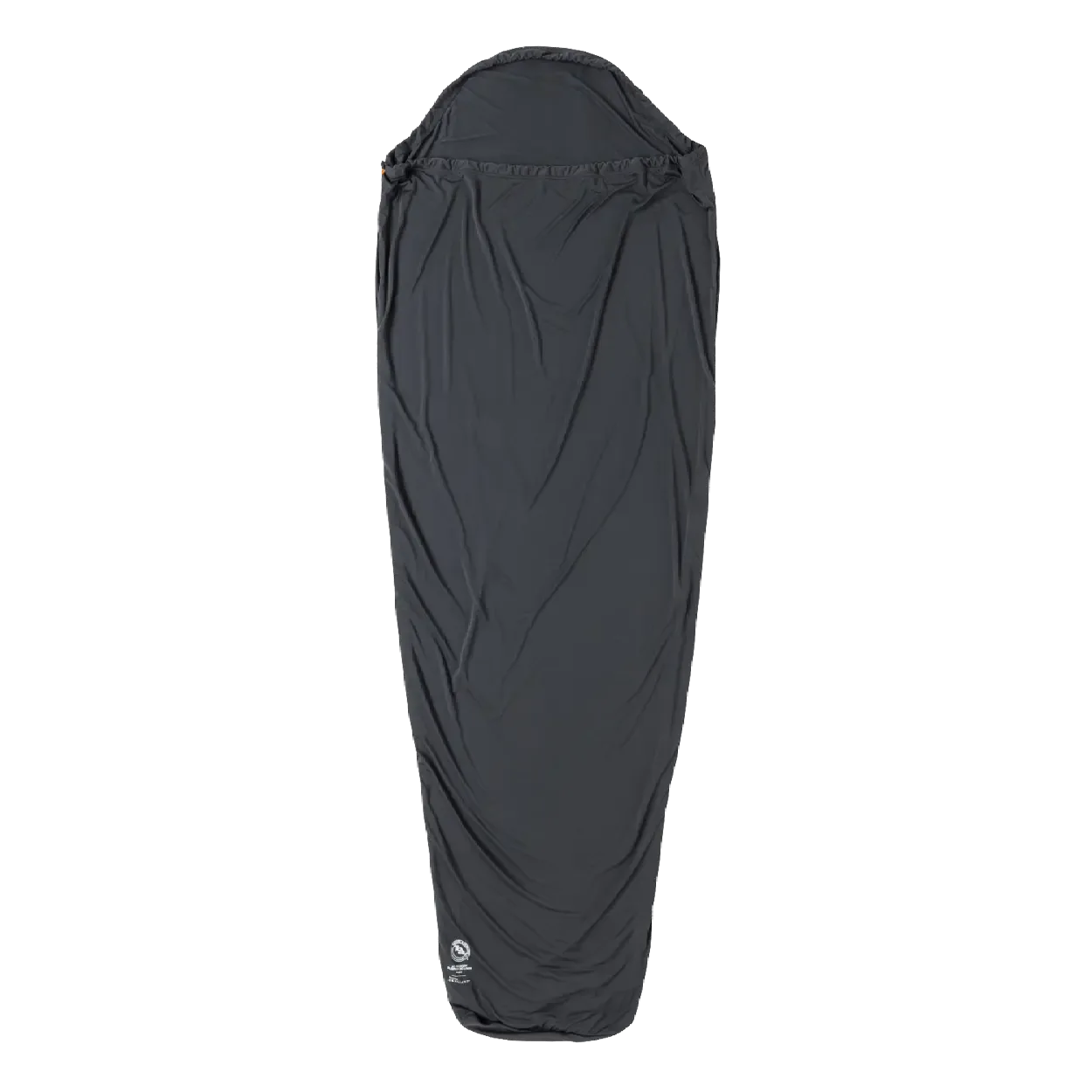
UL Recovery Sleeping Bag Liner
-
UL Recovery Sleeping Bag Liner: Ultralight design protects your sleeping bag from dirt, odor, and body oils. It keeps your bag cleaner and extends the time between washes, which is especially useful on long trips.