If you’ve ever wished you could wake up with plumper, brighter, and more rested-looking skin, a sleeping mask might be your new best friend. Also known as overnight masks or sleeping packs, these leave-on treatments are designed to work while you sleep—delivering intense hydration, soothing ingredients, and targeted repair without any extra effort. Unlike regular moisturizers, sleeping masks form a protective barrier that locks in all the layers you applied earlier, allowing active ingredients to penetrate deeply throughout the night.
In this complete guide, we’ll walk you through exactly how to use a sleeping mask for overnight skin repair, including when to apply it, how to layer it with your routine, and which formulas work best for different skin concerns. Whether you’re new to Korean skincare or looking to upgrade your nighttime regimen, these tips will help you get the most out of your sleeping mask.
What Is a Sleeping Mask and How Does It Work?
A sleeping mask is a rich, often gel or cream-based product that you apply as the final step of your evening skincare routine. Unlike sheet masks or wash-off masks, sleeping masks are meant to stay on your skin for hours, typically while you sleep. Their main job is to seal in moisture and active ingredients from your serums and moisturizers, creating an occlusive layer that prevents water loss and boosts absorption.
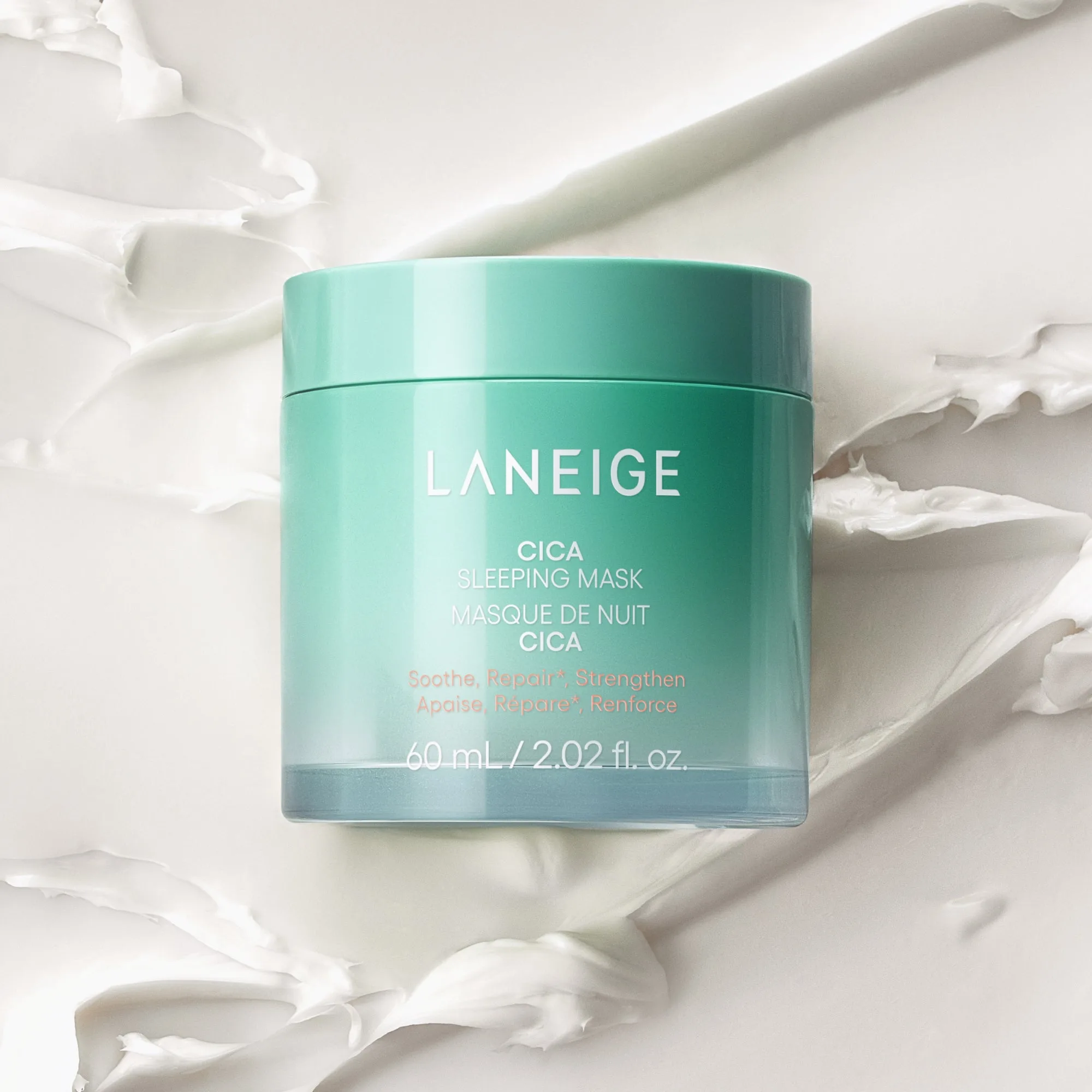
Many sleeping masks contain powerful ingredients like hyaluronic acid, ceramides, peptides, and soothing botanicals such as centella asiatica. Because your skin’s natural repair processes peak during sleep, these masks can help accelerate recovery from environmental stressors, dryness, or irritation. For example, the Cica Sleeping Mask with Centella Asiatica for Moisture Barrier Support is a fantastic option for those with sensitive or compromised skin, as it calms redness and strengthens the skin barrier overnight.
- Apply after your moisturizer, not before—it’s the final occlusive step.
- Use 2-3 times per week if you have oily or combination skin, or nightly if your skin is very dry.
Step-by-Step: How to Apply a Sleeping Mask for Best Results
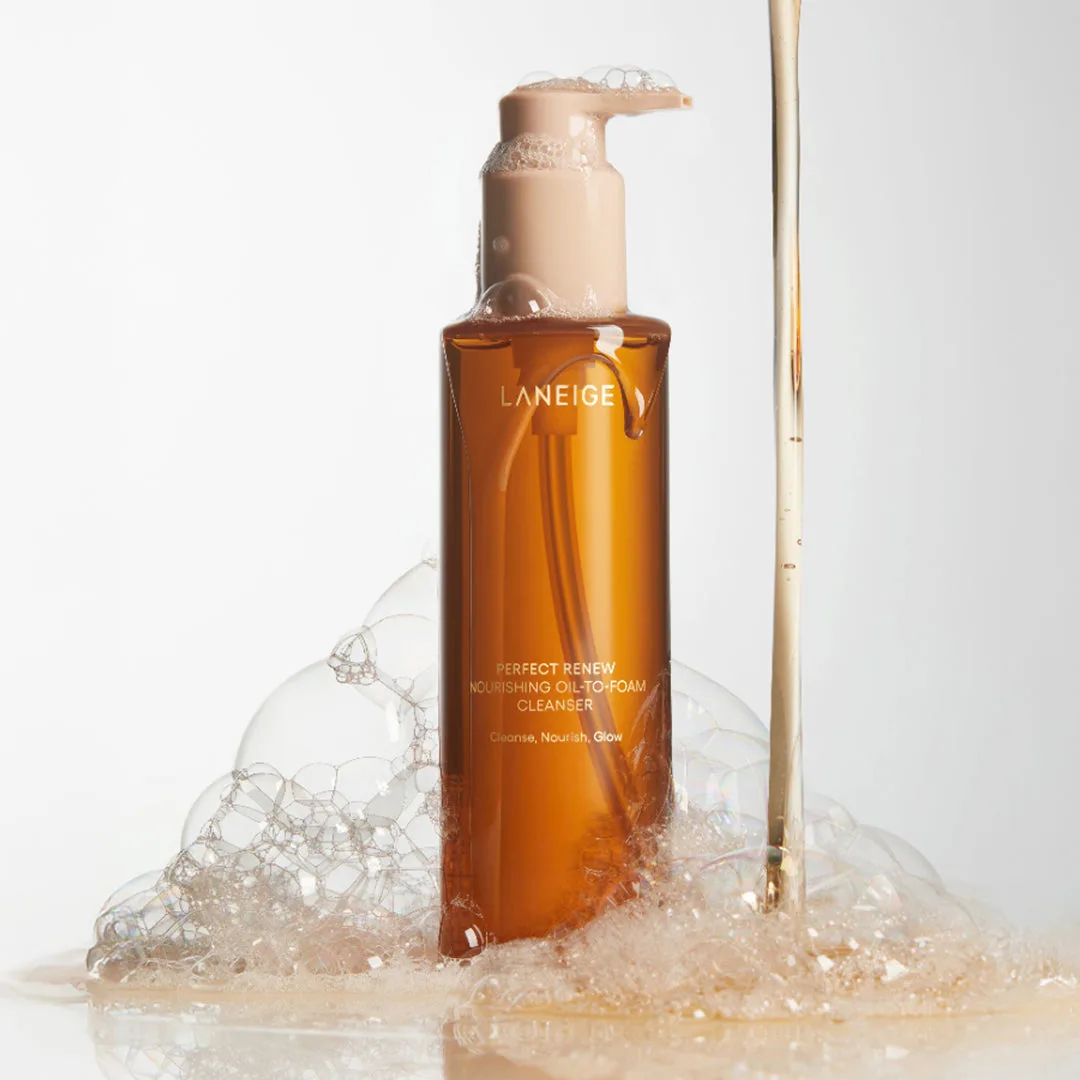
To get the most out of your sleeping mask, proper application is key. Start with a clean face—double cleanse if you wear makeup or sunscreen. Then follow your usual toner, serum, and moisturizer steps. The sleeping mask goes on last, acting like a seal. Take a pea-sized amount (or a bit more for your neck) and warm it between your fingertips. Gently press or pat it onto your skin, avoiding rubbing. Focus on drier areas like cheeks and forehead, and use less on the T-zone if you’re prone to breakouts.
Don’t forget to apply it to your neck and décolletage—these areas also benefit from overnight repair. A little goes a long way; using too much can feel sticky and may transfer to your pillow. For extra hydration, you can layer a hydrating serum underneath, such as the Perfect Renew 3X Signature Serum, which targets fine lines and firmness. Let the mask absorb for a few minutes before lying down, and consider using a silk or satin pillowcase to reduce friction.
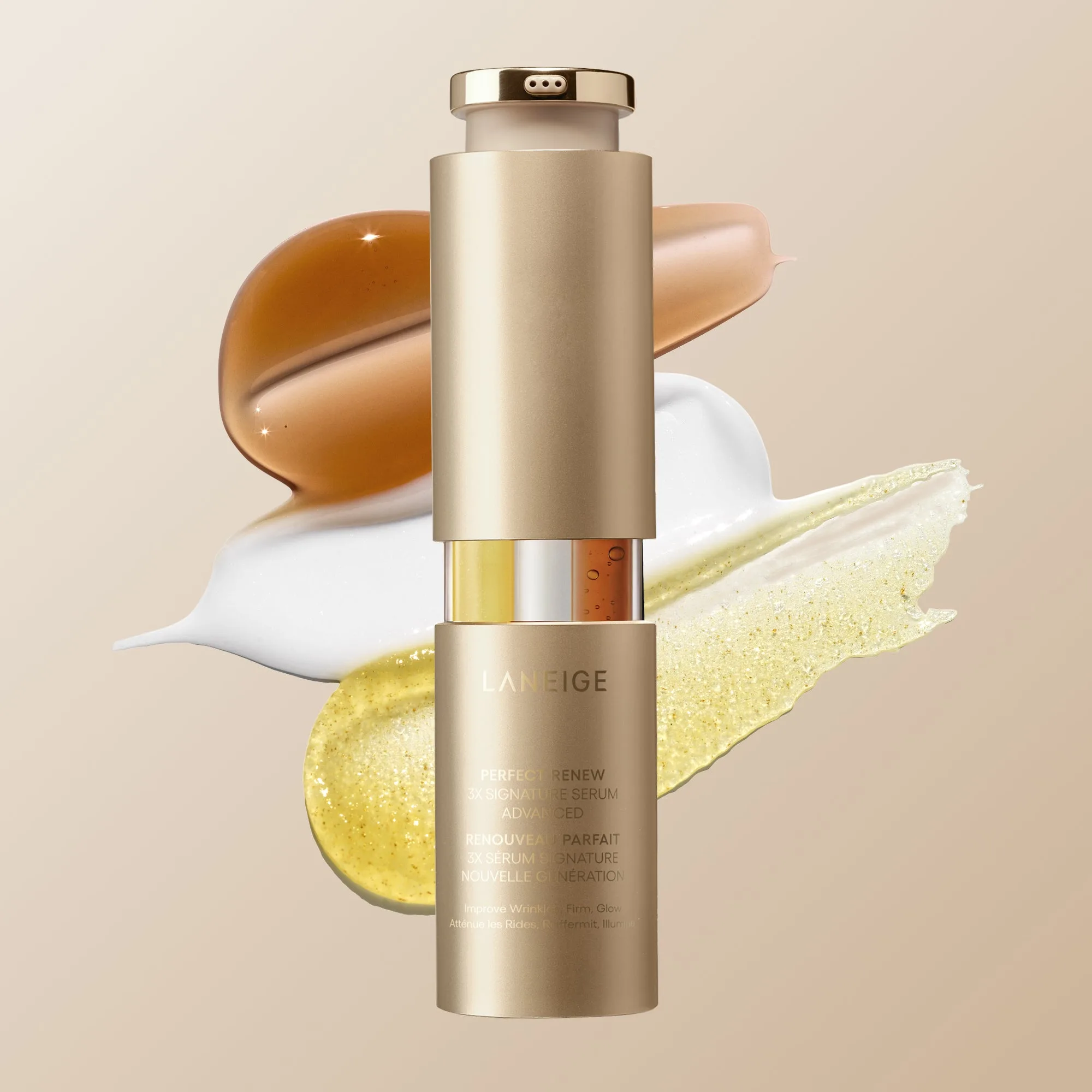
Perfect Renew 3X Signature Serum
- Always apply sleeping mask as the final step—after moisturizer.
- Use gentle pressing motions instead of rubbing to avoid disturbing your barrier.
Choosing the Right Sleeping Mask for Your Skin Type
Not all sleeping masks are created equal. For dry or dehydrated skin, look for gel-cream formulas rich in hyaluronic acid and squalane. Oily or acne-prone skin types should opt for lightweight, non-comedogenic masks with ingredients like niacinamide or salicylic acid. Combination skin can benefit from balancing masks that hydrate without clogging pores.
If your skin is sensitive or easily irritated, a cica-based sleeping mask is a smart choice. Centella asiatica (also known as cica) is renowned for its soothing and barrier-repairing properties. The Cica Sleeping Mask with Centella Asiatica for Moisture Barrier Support is specifically formulated to calm redness and support recovery from environmental stress. For those focused on anti-aging, a mask with peptides or retinol alternatives can help firm and smooth while you sleep.
- Dry skin: Look for hyaluronic acid, ceramides, and shea butter.
- Oily skin: Choose gel-based masks with niacinamide or clay extracts.
- Sensitive skin: Opt for cica or centella asiatica formulas.
Common Mistakes to Avoid When Using Sleeping Masks
Even the best sleeping mask won’t work miracles if you make common errors. One frequent mistake is applying it too thickly—this can lead to clogged pores and a sticky mess on your pillow. Stick to a thin, even layer. Another mistake is skipping your moisturizer. While sleeping masks are hydrating, they work best when layered over a moisturizer to lock in everything underneath. Also, avoid using sleeping masks every night if your skin is oily; 2-3 times a week is usually enough.
Don’t forget to patch test a new mask, especially if you have reactive skin. And never use a sleeping mask on broken or irritated skin unless it’s specifically formulated for barrier repair. Finally, be patient—results from overnight repair are cumulative, so give it at least a week of consistent use to see noticeable improvement in texture, hydration, and glow.
- Don’t skip moisturizer before the mask—it’s essential for layering.
- Avoid using too much product; a pea-sized amount is often sufficient.
How to Incorporate Sleeping Masks into Your Weekly Routine
Integrating a sleeping mask into your routine is simple. Start by using it once or twice a week, then gradually increase frequency based on your skin’s response. For example, you might use a hydrating mask on nights after exfoliation or a soothing mask after sun exposure. Many people find that alternating between different masks—one for hydration, one for brightening—gives the best overall results.
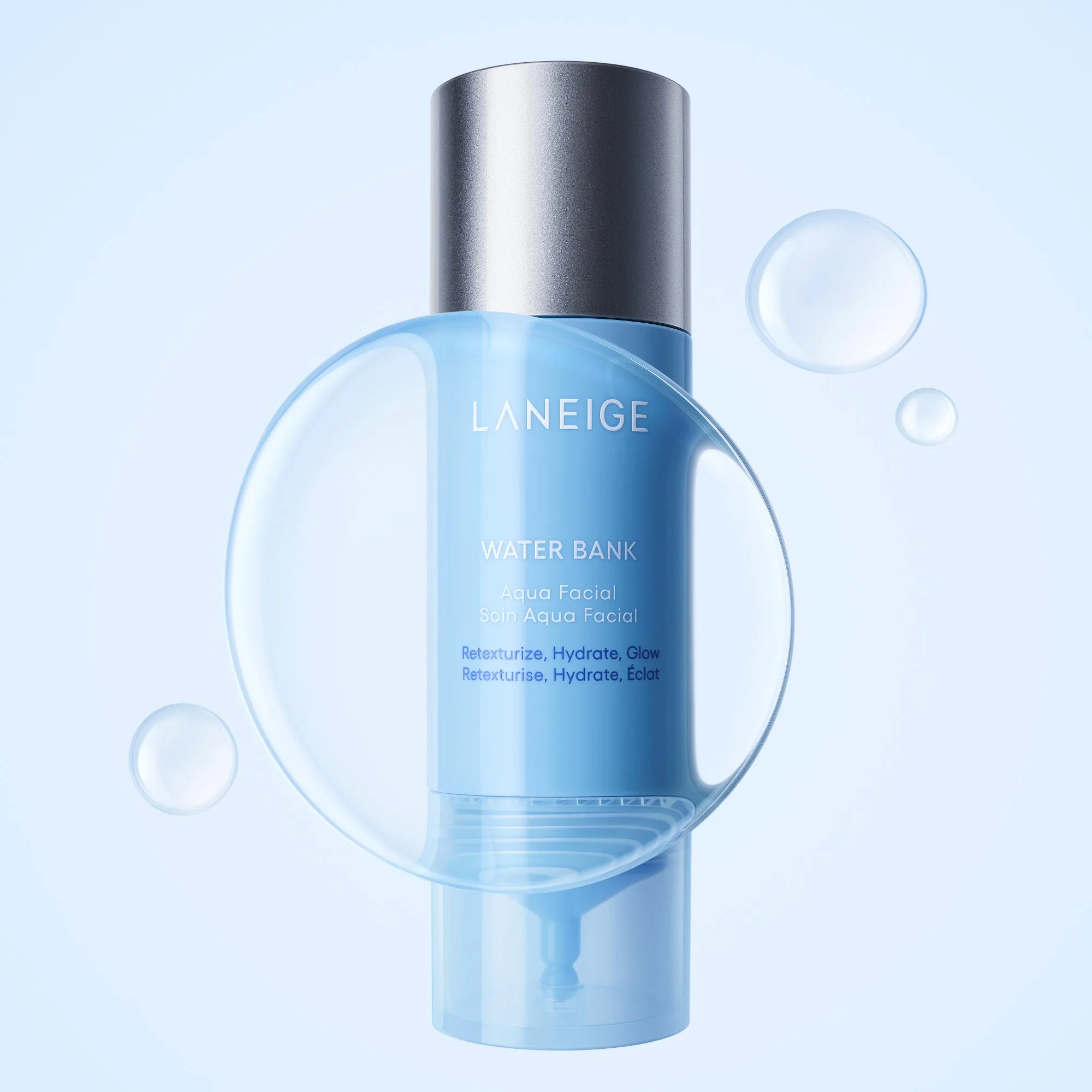
If you’re new to sleeping masks, consider trying a mini size first to see how your skin reacts. The Cica Sleeping Mask with Centella Asiatica for Moisture Barrier Support is available in a travel-friendly size, perfect for testing. For a complete overnight routine, pair your mask with a gentle cleanser like the Water Bank Gentle Gel Cleanser, which won’t strip your skin, and follow with a hydrating toner to prep for maximum absorption.
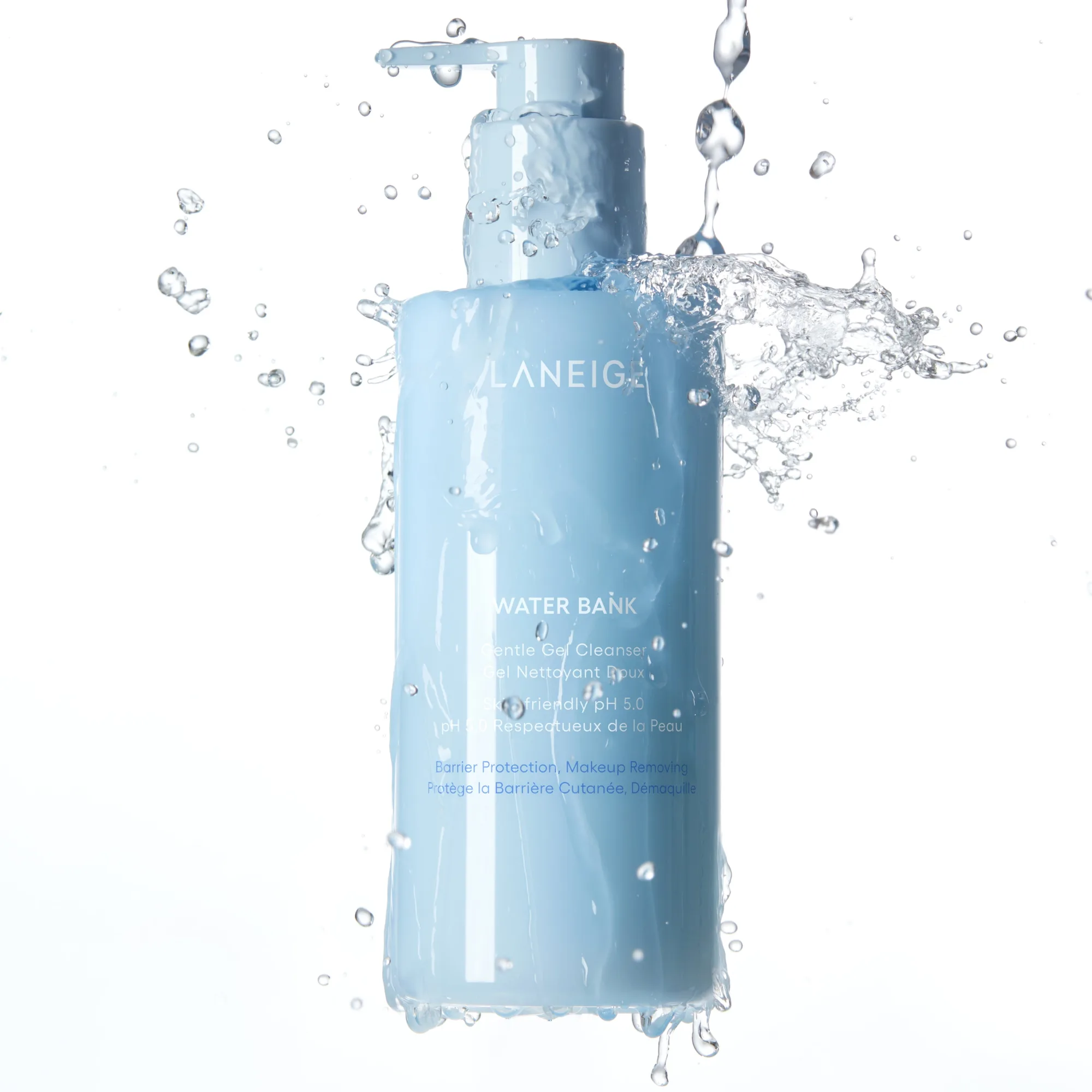
Water Bank Gentle Gel Cleanser
- Use sleeping masks on nights when you don’t use exfoliating acids or retinol.
- Store your mask in the fridge for a cooling, soothing effect during application.
A sleeping mask is one of the easiest ways to give your skin intensive overnight repair without adding extra steps to your morning routine. By choosing the right formula for your skin type and applying it correctly, you can wake up to visibly softer, smoother, and more radiant skin. Ready to transform your nights? Explore the Cica Sleeping Mask with Centella Asiatica for Moisture Barrier Support and start your journey to healthier skin while you sleep.