Stacking cups are one of the most versatile and beloved toys in early childhood. Simple yet brilliant, these colorful cups can entertain a baby for months and grow with your child into toddlerhood. Beyond the fun, stacking cups offer a wealth of developmental benefits, from fine motor skills to cognitive growth and sensory exploration.
In this guide, we'll explore how to use stacking cups for developmental play, including specific activities for different ages and stages. Whether you have a curious infant or an energetic toddler, these tips will help you turn a simple toy into a powerful learning tool. And if you're looking for a high-quality set, the Stacking Cups Toy from Mushie is a great choice to start your child's play journey.
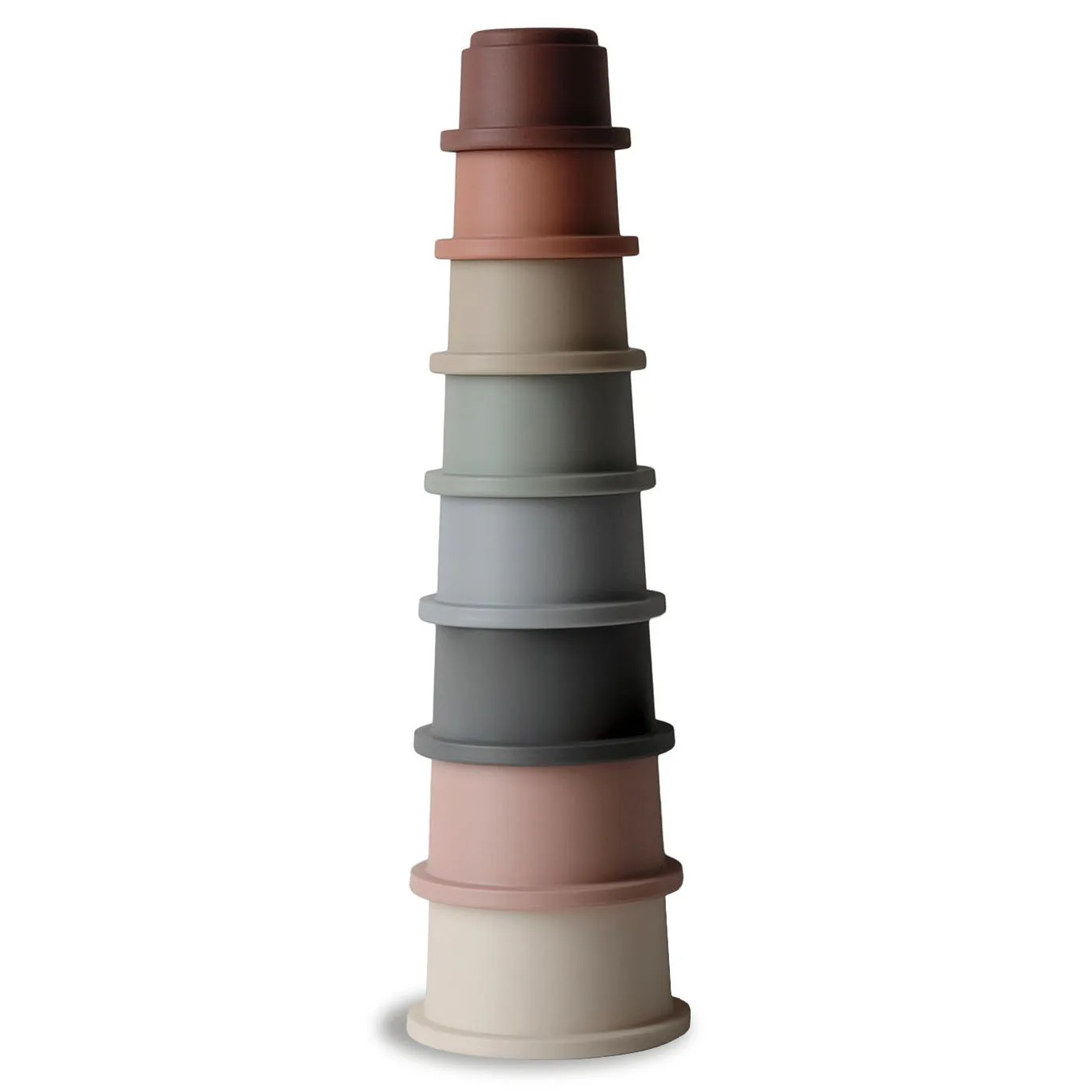
Stacking Cups Toy
Why Stacking Cups Are Essential for Early Development
Stacking cups are more than just a toy—they are a developmental powerhouse. When a baby picks up a cup, examines it, and tries to stack it, they are engaging multiple areas of development at once. Fine motor skills get a workout as little fingers grasp, release, and balance the cups. Hand-eye coordination improves as children aim to place one cup on top of another.
Cognitively, stacking cups introduce concepts like size, order, and cause and effect. Babies learn that a small cup fits inside a larger one, or that stacking too high makes the tower fall. These early lessons in physics and problem-solving are invaluable. Sensory play also comes naturally, as the cups often feature different textures, colors, and sometimes sounds, stimulating a child's senses and curiosity.
- Promotes fine motor control and hand-eye coordination
- Teaches size differentiation, sequencing, and spatial awareness
- Encourages problem-solving and cause-and-effect thinking
- Supports sensory exploration through textures and colors
Age-Appropriate Activities with Stacking Cups
For infants around 6 to 12 months, stacking cups are perfect for mouthing, banging, and exploring. At this stage, simply let your baby hold and manipulate the cups. You can place a few cups in front of them and watch as they discover how to knock down a tower you build. This builds confidence and introduces the concept of cause and effect. Another simple activity is to hide a small toy under one cup and let your baby find it, which boosts object permanence.
For toddlers aged 12 to 24 months, stacking cups become more interactive. Encourage your child to stack cups from largest to smallest, or to nest them inside one another. You can also use the cups for pretend play—fill them with water during bath time or use them as scoops for sand or rice. These sensory play activities not only entertain but also strengthen hand muscles and coordination. For extra fun, try a color-matching game by asking your toddler to find the red cup or the blue cup.
- 6-12 months: Knock-down towers, hide-and-seek under cups, mouthing textures
- 12-24 months: Stacking by size, nesting, scooping water or sand, color matching
Creative Sensory Play Ideas Using Stacking Cups
Stacking cups are fantastic for sensory bins and water play. Fill a shallow bin with rice, pasta, or water beads and let your child scoop and pour using the cups. This activity engages multiple senses—touch, sight, and sound—while also building fine motor skills. You can add a few drops of food coloring to the water for a visual twist, or freeze water in the cups to create colorful ice blocks for summer play.
Another idea is to use the cups as musical instruments. Turn them upside down and tap them with a wooden spoon to create different pitches. Fill them with varying amounts of water to explore sound and volume. This simple activity introduces early music concepts and is a joyful way to bond with your child. Pair this with a set of Silicone Animal Finger Puppets for a playful puppet show that combines stacking and storytelling.
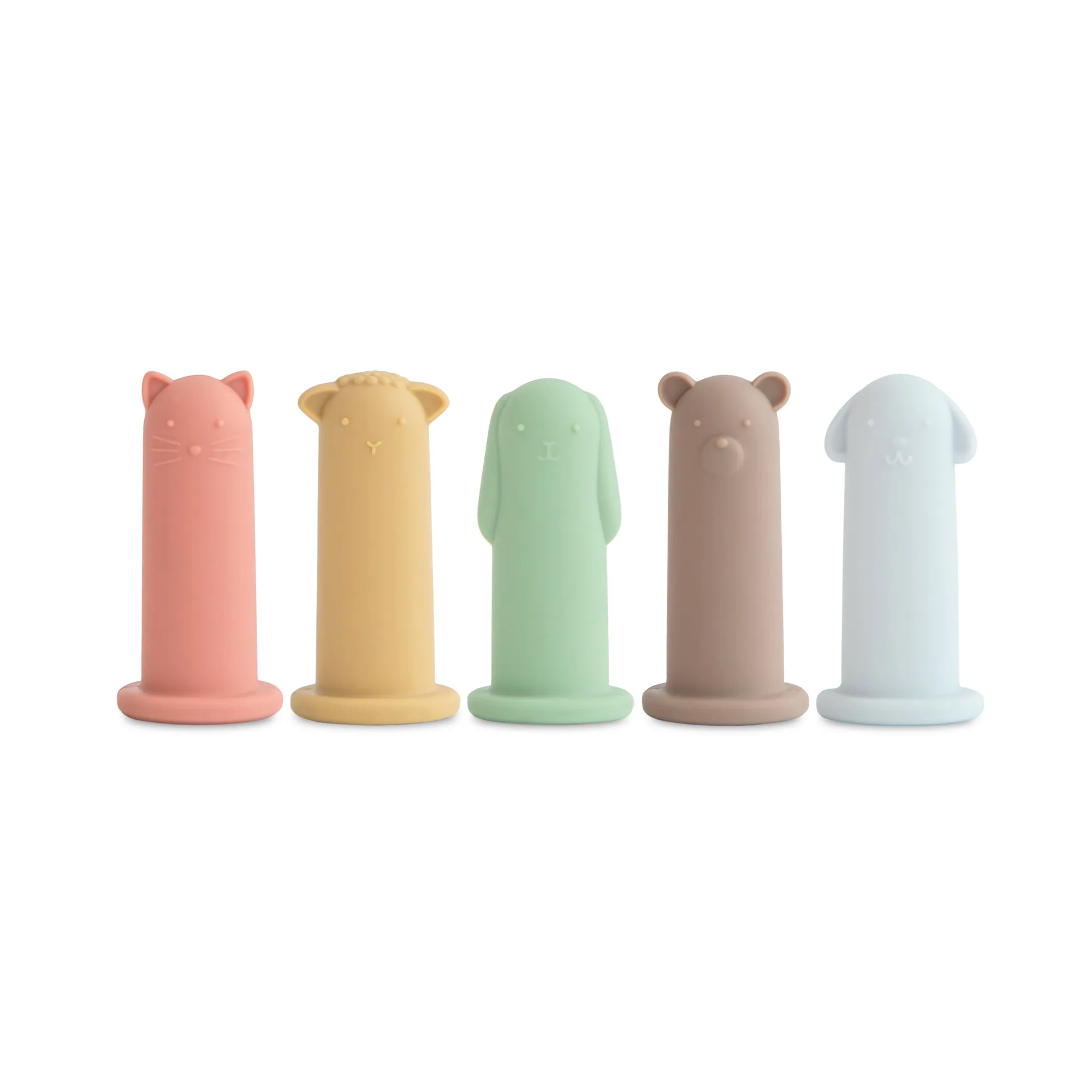
Silicone Animal Finger Puppets
- Scooping and pouring rice, sand, or water beads
- Freezing colorful ice blocks for sensory exploration
- Creating a DIY drum set with different water levels
Tips for Maximizing Learning with Stacking Cups
To get the most out of stacking cups, rotate them with other toys to keep interest high. Introduce the cups during different contexts—bath time, outdoor play, or quiet time—to reinforce skills in varied environments. Always follow your child's lead; if they are more interested in knocking down towers than building them, that's perfectly fine. The learning is in the process, not the product.
Safety is also important. Ensure the cups are made from BPA-free, non-toxic materials, especially for younger babies who mouth everything. The Stacking Cups Toy from Mushie is made from safe silicone, making it an excellent choice for worry-free play. Clean the cups regularly with warm soapy water to maintain hygiene. For teething babies, you can even chill the cups in the refrigerator for soothing gum relief, similar to how you might use a Rainbow Teething Mitten.
- Rotate cups with other toys to maintain novelty
- Use cups in different settings (bath, outdoors, playroom)
- Choose BPA-free, easy-to-clean materials like silicone
Stacking cups are a timeless toy that grows with your child, offering endless opportunities for developmental play. From building fine motor skills to sparking creativity, these simple cups can become a cornerstone of your child's early learning. Ready to start the fun? Explore the Mushie Stacking Cups Toy and discover how this versatile toy can enrich your child's playtime and development.