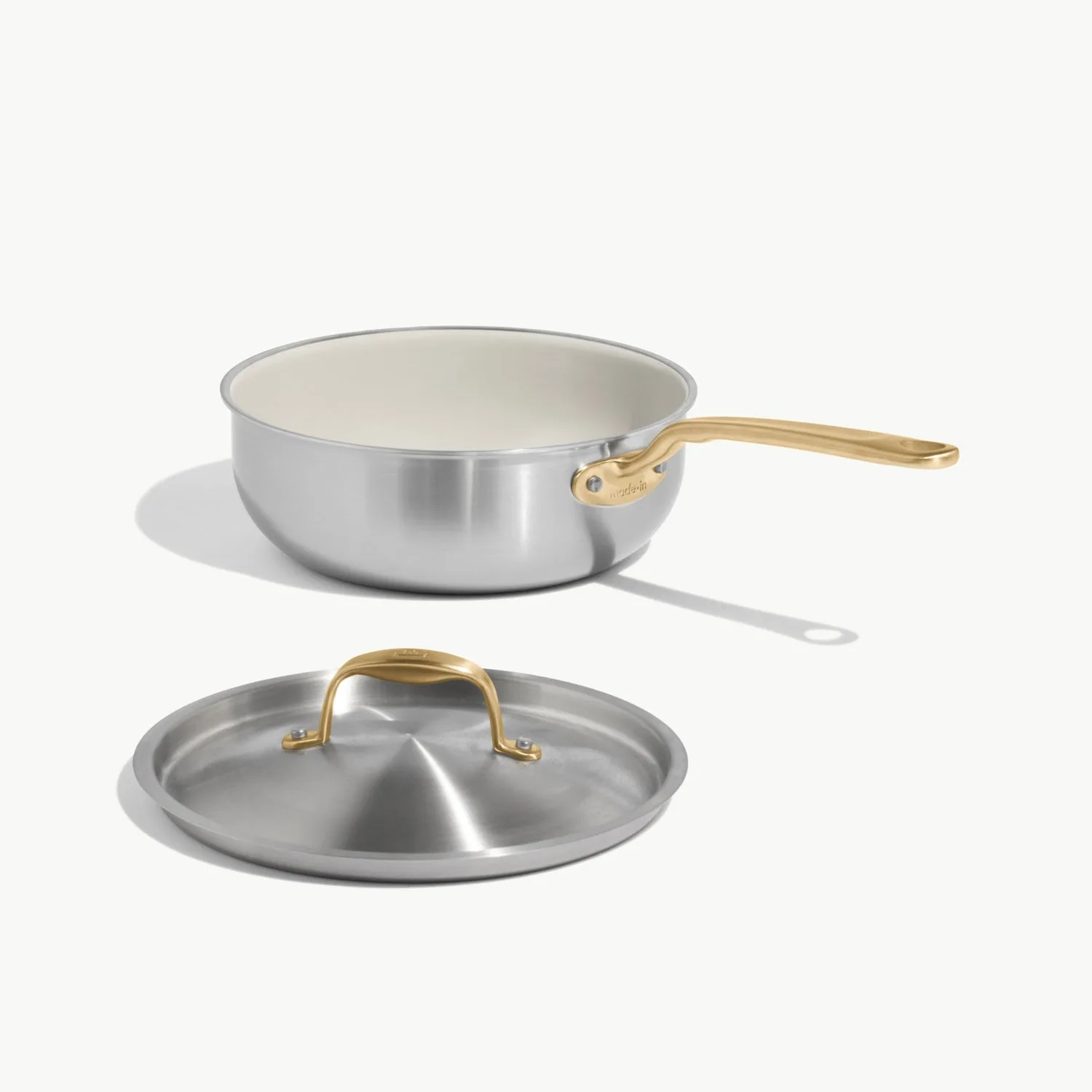
A stainless saucier set is one of the most versatile tools in a kitchen, yet many home cooks aren't sure how to use it beyond basic sauces. Unlike a standard saucepan, a saucier features curved sides that make stirring and whisking effortless, preventing ingredients from getting stuck in corners. Whether you're making a delicate béchamel, a hearty soup, or even risotto, the saucier's shape and material offer distinct advantages.
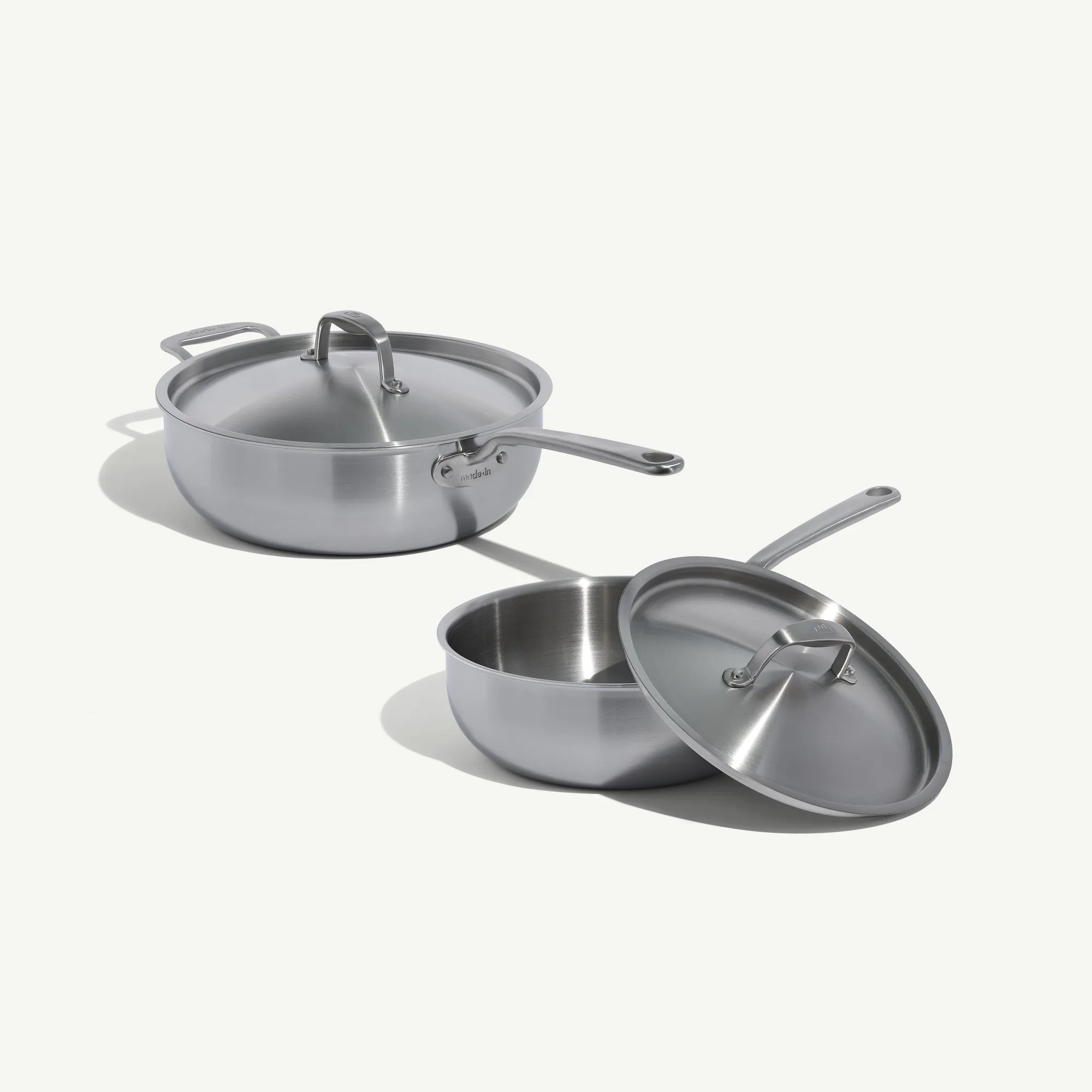
stainless saucier set
In this guide, we'll walk you through the essentials of using a stainless saucier set, including key differences from a saucepan, practical tips for achieving silky sauces, and creative ways to expand your cooking repertoire. By the end, you'll feel confident reaching for your saucier for more than just sauces.
Saucier vs Saucepan: Key Differences
The main difference between a saucier and a saucepan is the shape. A saucier has gently curved sides that slope outward, while a saucepan has straight, vertical sides. This curvature allows a whisk or spatula to reach every part of the pan, making it ideal for stirring sauces that need constant attention, like hollandaise or custards. The wider base also promotes even heat distribution, reducing hot spots that can scorch dairy-based sauces.
Another advantage is the saucier's ability to reduce liquids quickly. The larger surface area speeds up evaporation, which is perfect for concentrating stocks or making syrups. However, because of the sloped sides, a saucier typically has a smaller capacity than a saucepan of the same diameter. If you frequently cook large batches of soup or pasta, a saucepan might be more practical. But for most sauce work, the saucier wins hands down.
- Use a saucier for sauces that require constant whisking (e.g., béchamel, velouté).
- Use a saucepan for boiling pasta, steaming vegetables, or cooking grains that need more depth.
Mastering Classic Sauces in a Saucier Pan
The saucier pan excels at classic French sauces. For a smooth béchamel, melt butter over medium heat, whisk in flour to make a roux, then slowly add milk while whisking continuously. The curved sides let you reach the edges, preventing lumps. For a hollandaise, use the saucier as a double boiler: place it over simmering water and whisk egg yolks with lemon juice until thick, then slowly drizzle in melted butter. The gentle slope helps incorporate the butter evenly.
For tomato sauces, the saucier's wide surface allows rapid reduction, concentrating flavors without burning. Start by sautéing aromatics in olive oil, add crushed tomatoes, and simmer. The stainless steel surface develops fond (browned bits) that you can deglaze with wine or broth, adding depth. Remember to preheat the pan properly and use medium heat to avoid sticking—stainless steel requires patience but rewards you with superior browning.
- Always preheat your stainless saucier over medium heat before adding oil or butter.
- Use a wooden spoon or silicone spatula to avoid scratching the surface.
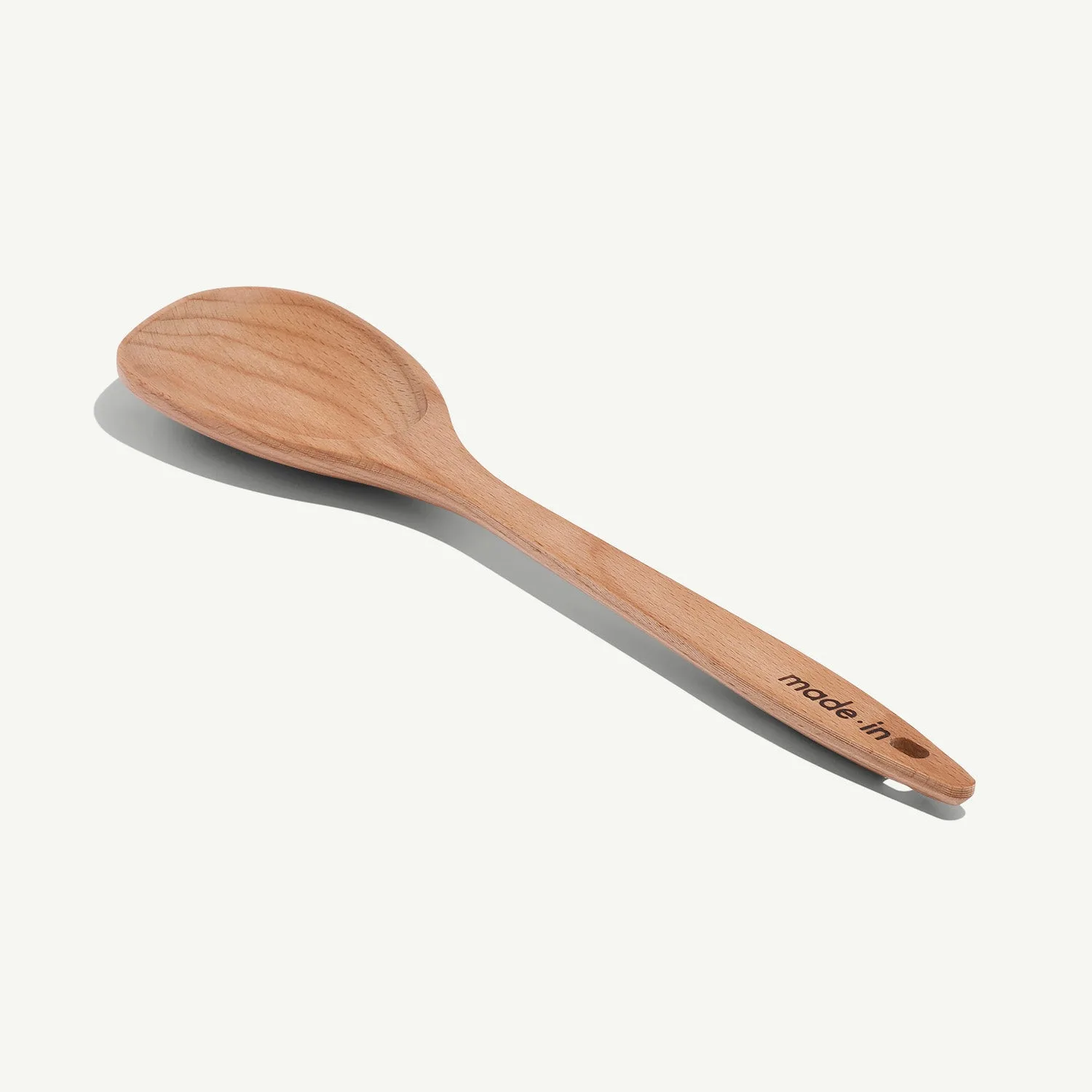
wooden spoon
Beyond Sauces: Soups, Risotto, and More
Don't limit your saucier to sauces—it's fantastic for soups and stews. The curved sides make it easy to purée directly in the pan with an immersion blender, reaching all the way to the edges. For creamy vegetable soups, sauté onions and garlic, add broth and vegetables, simmer until tender, then blend. The wide opening also allows for easy garnishing and serving.
Risotto is another dish where the saucier shines. The shape lets you stir constantly without leaving any rice grains stuck in corners, ensuring even cooking and creaminess. Start by toasting Arborio rice in butter, then add warm broth one ladle at a time, stirring frequently. The stainless steel construction conducts heat evenly, so you won't get scorched spots. You can also use your saucier for polenta, oatmeal, or any dish that requires frequent stirring.
- For risotto, use a saucier with a heavy bottom to prevent burning.
- When making soup, use a lid to speed up cooking, but remove it for final reduction.
Caring for Your Stainless Saucier Set
Stainless steel is durable and dishwasher-safe, but hand washing preserves its shine. After cooking, let the pan cool slightly, then soak with warm soapy water. For stuck-on food, boil a mixture of water and vinegar or use a stainless steel cleaner. Avoid abrasive pads that can scratch the surface. If you notice discoloration from high heat, a little baking soda paste can restore the finish.
Store your saucier set with care to avoid dents. If you have a lid, place it upside down on the pan to save space. For long-term maintenance, occasional polishing with a stainless steel cleaner keeps it looking new. Remember that stainless steel is not non-stick, so always use enough fat or liquid to prevent sticking. With proper care, your saucier set will last for decades.
- Avoid cooking on high heat—medium is best for stainless steel.
- Use wooden or silicone utensils to protect the surface.
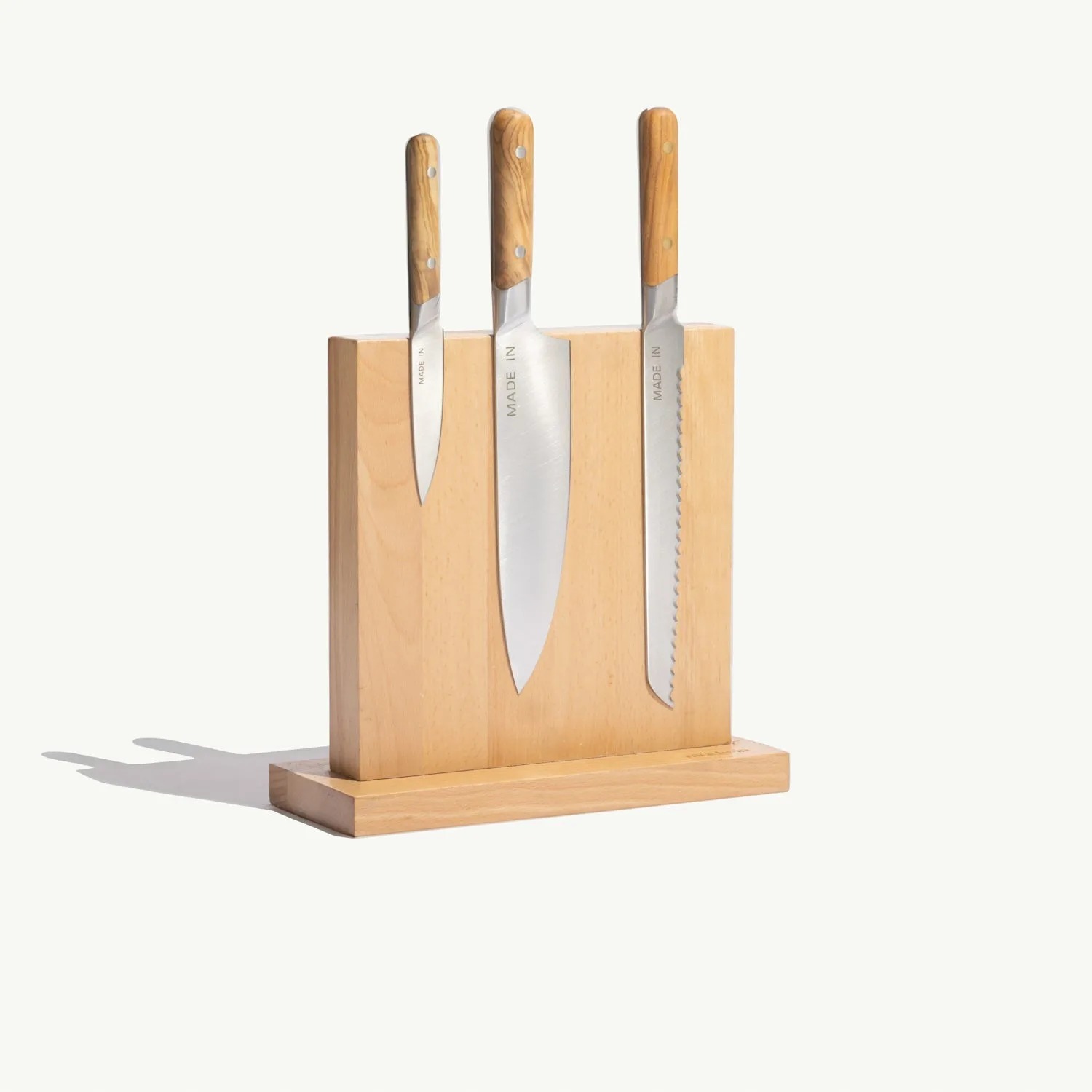
A stainless saucier set is a versatile investment that goes far beyond sauce-making. From silky custards to hearty soups and creamy risottos, the curved design and even heating make it a go-to pan for any home cook. Pair it with a good chef's knife, like the 8 Inch Chef Knife, and a reliable cutting board from the Butcher Block Set to streamline your prep work. With the techniques above, you'll unlock the full potential of your saucier and elevate your everyday cooking.