If you've had surgery or a deep cut closed with surgical staples, you'll eventually need to have them removed. While a healthcare professional usually does this, there are times when you might need to do it yourself, especially if you're in a remote area or have a kit at home. Understanding the correct technique is crucial to avoid infection, scarring, or further injury. This guide provides clear, step-by-step instructions on how to use a staple removal kit safely.
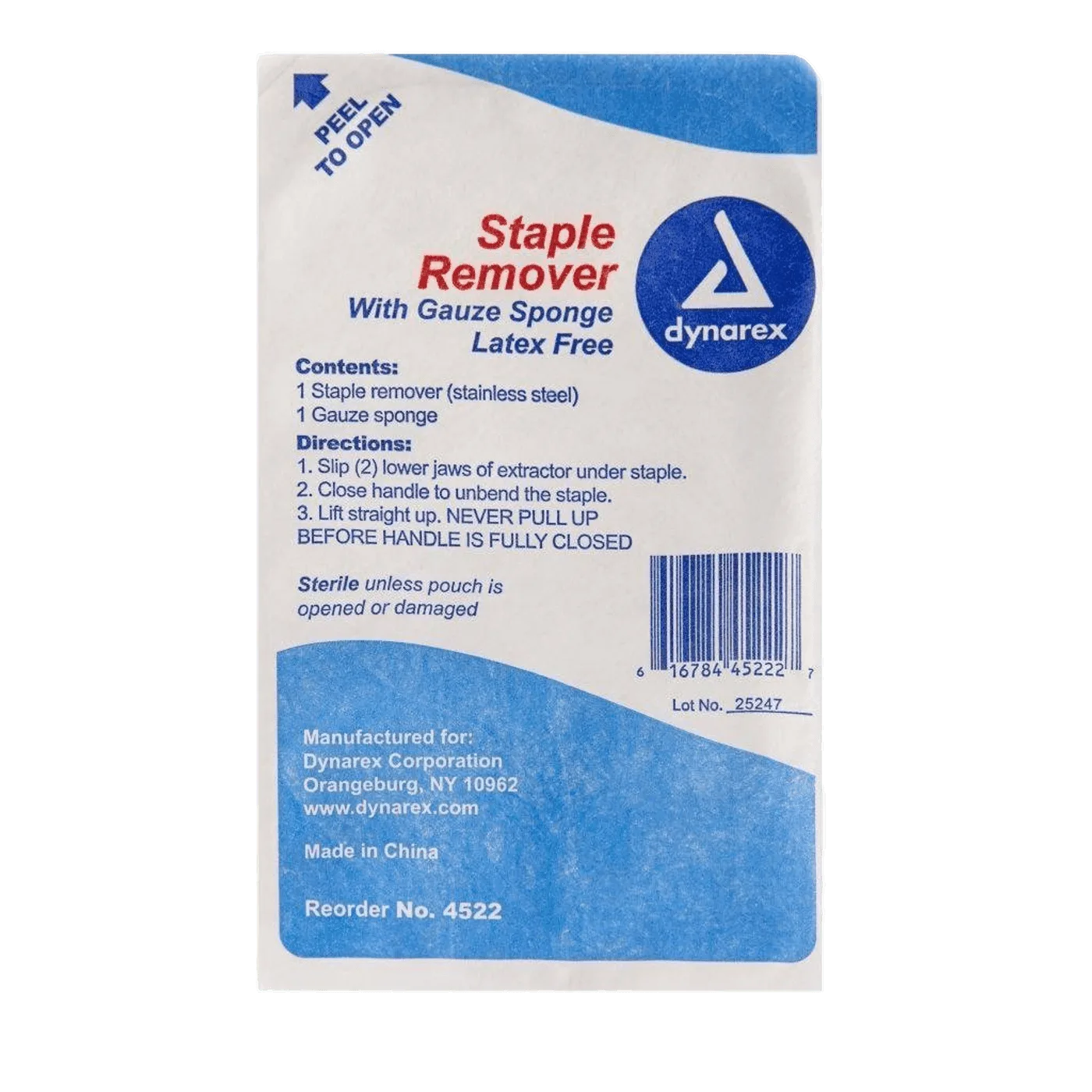
staple removal kit
Before we dive in, it's important to note that staple removal is a medical procedure. Always follow your doctor's advice. If you're ever unsure or the wound looks infected, seek professional help. This article is for informational purposes and to help you in emergency situations where medical care isn't immediately available.
What Is a Staple Removal Kit?
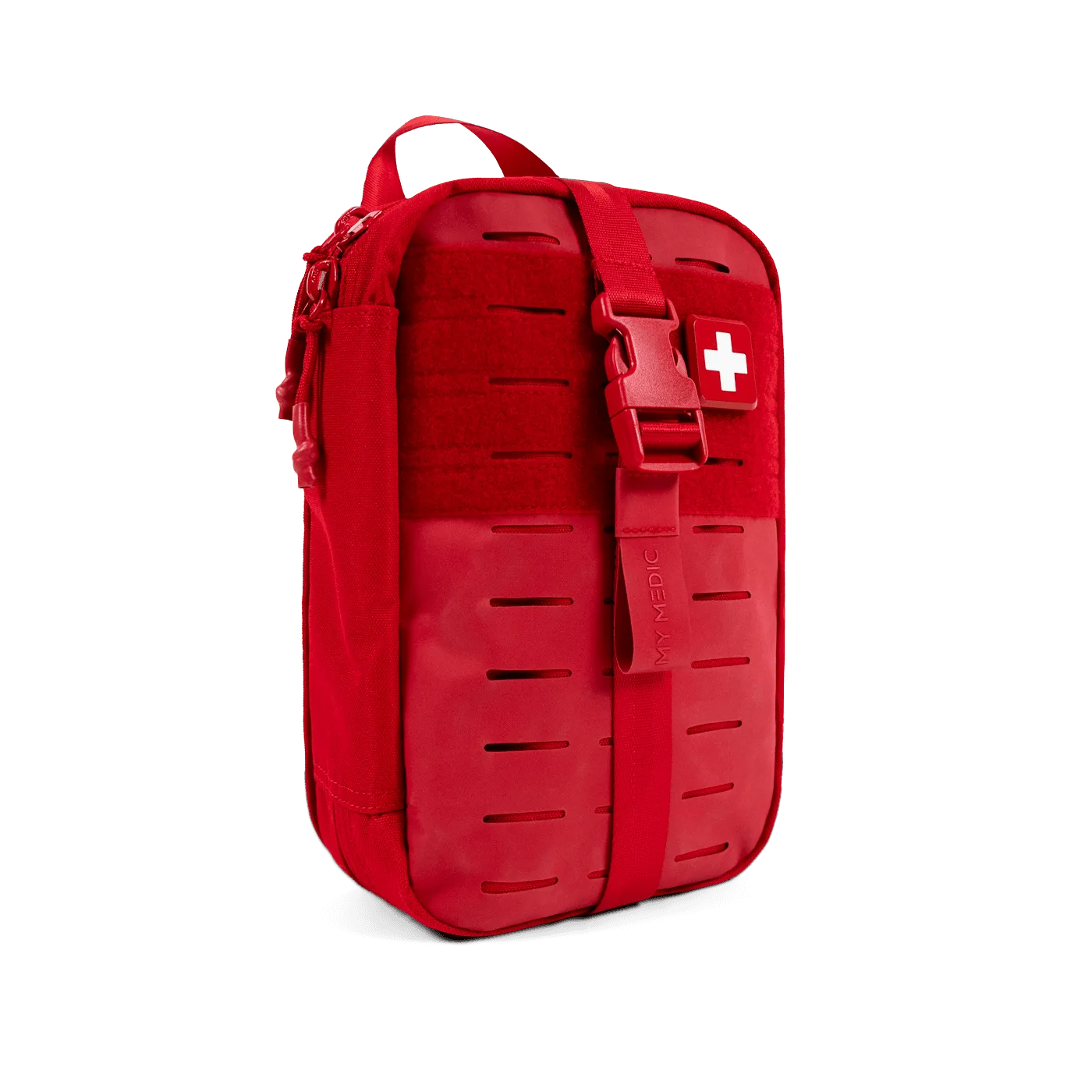
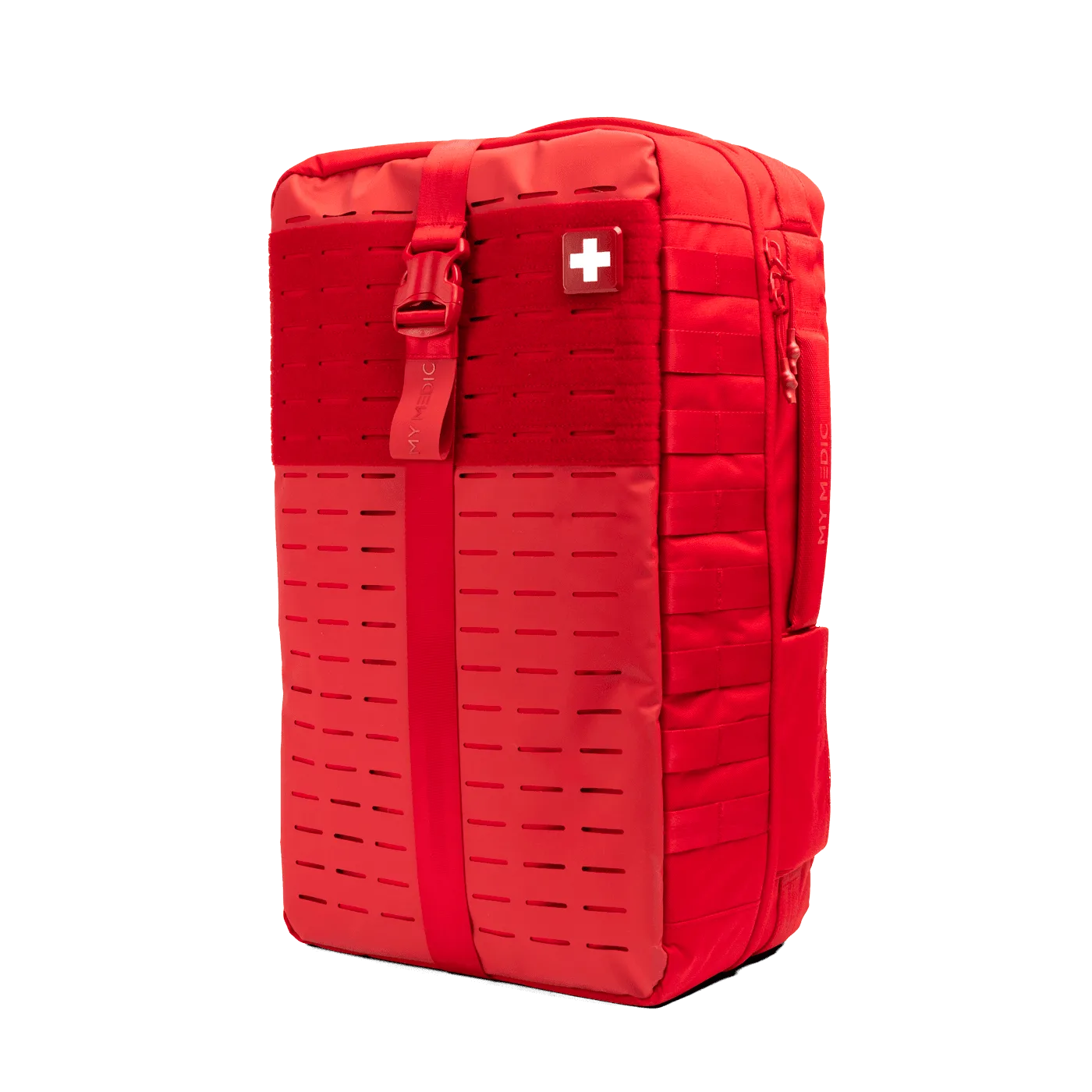
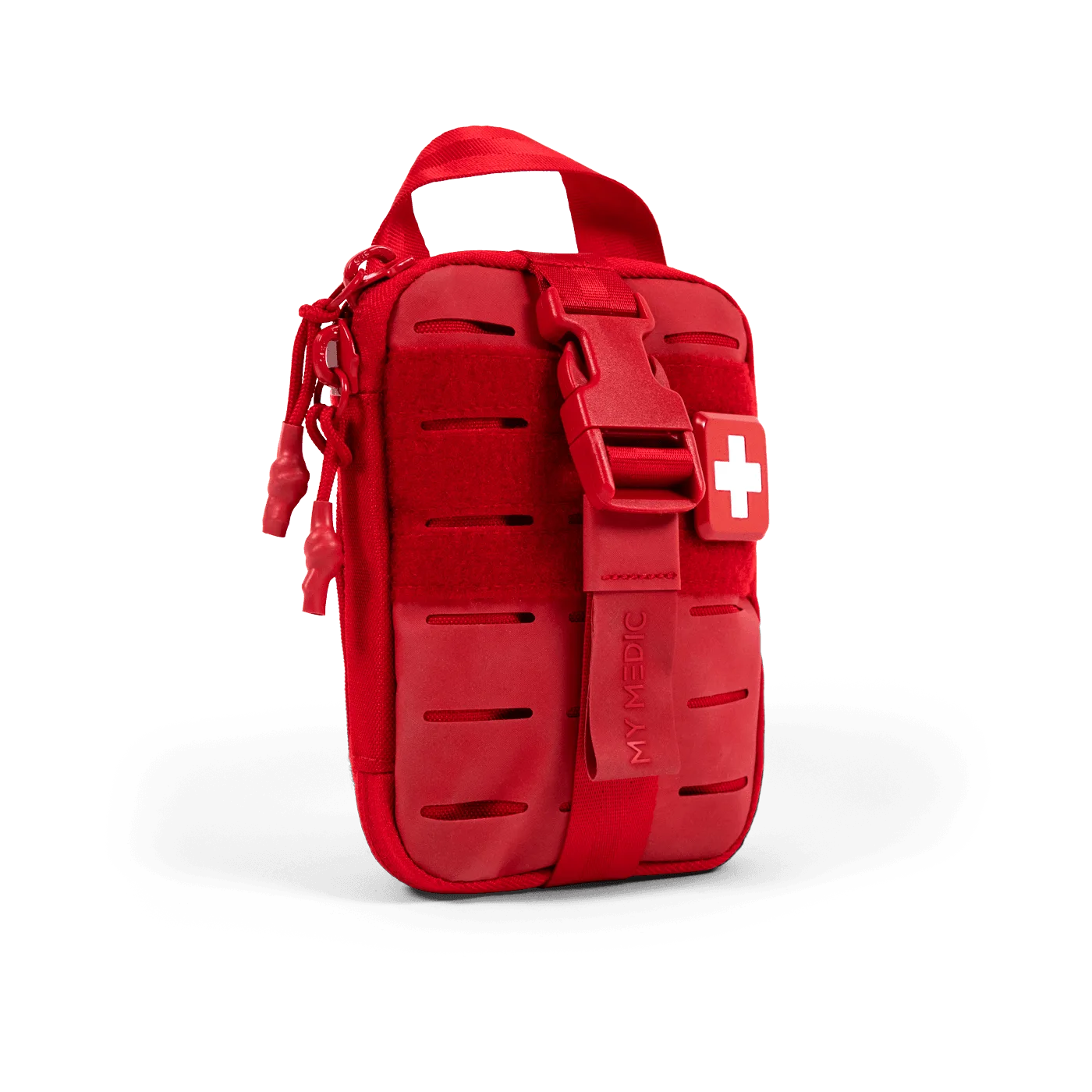
A staple removal kit typically includes a sterile staple remover tool, antiseptic wipes, and sometimes gauze and adhesive strips. The staple remover is a small, metal instrument with a wedge-shaped tip that fits under the staple to lift it out. You might also find these tools in larger first aid kits, such as the medic-bag-only-380137">Medic | Bag Only from My Medic, which is designed for comprehensive emergency care.
Having the right tools is essential. Using household pliers or scissors is not recommended, as they can crush the staple or cause unnecessary trauma to the skin. A proper staple remover is designed to minimize pain and damage.
- Staple remover tool (usually metal, sterilized)
- Antiseptic wipes or solution
- Sterile gauze pads
- Adhesive strips or bandages (optional)
- Disposable gloves (optional but recommended)
Before You Start: Preparation and Hygiene
Proper preparation reduces the risk of infection. Wash your hands thoroughly with soap and water for at least 20 seconds. If available, put on disposable gloves. Clean the area around the staples with an antiseptic wipe, moving from the center outward. Ensure you have good lighting and a clean, flat surface to work on.
If you're removing staples from someone else, have them lie down or sit comfortably. Explain the process to keep them calm. For self-removal, you may need a mirror to see the area clearly, or ask for assistance if possible.
- Never attempt to remove staples if the wound is red, swollen, or oozing pus—these are signs of infection.
- If you feel resistance or the staple won't budge, stop and seek medical help.
Step-by-Step Staple Removal Instructions
Here is the safe technique for using a staple remover. Start by placing the lower tip of the staple remover under the center of the staple. The staple should be perpendicular to the wound. Gently squeeze the handles together, which will cause the staple to bend and lift out. Do not pull upward forcefully; let the tool do the work.
Once the staple is lifted, gently pull it out with the tool. Place the staple on a piece of gauze or a disposable surface. Continue this process for each staple, moving along the wound in a systematic way. Do not rush—take your time to avoid tearing the skin.
If any staple remains embedded or breaks, do not dig for it. Leave it and contact a medical professional immediately.
- Work from one end of the wound to the other to avoid missing any staples.
- Keep a count of the staples removed to ensure all are out.
Aftercare: Cleaning and Dressing the Wound
After all staples are removed, clean the wound again with an antiseptic wipe. Apply a sterile gauze pad and secure it with medical tape or adhesive strips. Keep the area dry and clean for at least 24 hours. You may notice slight redness or swelling, which is normal, but monitor for signs of infection.
Your doctor may recommend applying an antibiotic ointment and covering the wound with a bandage. Change the dressing daily or as directed. Avoid strenuous activities that might pull the wound open. If you have any concerns, contact your healthcare provider.
- Do not soak the wound in water (bath, pool, hot tub) for at least 48 hours.
- Watch for increased pain, redness, swelling, or discharge—these could indicate infection.
When to Seek Medical Help
While staple removal is usually straightforward, there are situations where you should not attempt it or should stop immediately. If the wound is infected, if you're not confident in your ability, or if the staples are in a sensitive area (face, genitals, near joints), seek professional help. Also, if you're removing staples from a surgical wound that is not healing well, consult your surgeon.
Remember that staple removal is a medical procedure. In a wilderness or emergency situation, having a well-stocked first aid kit like the Medic | Bag Only or even a Recon kit can be invaluable. These kits include tools and supplies that can help you manage wounds until you can get proper medical care.
- If you experience severe pain, heavy bleeding, or the wound opens up, seek emergency care immediately.
- If you are unsure about any step, it's better to err on the side of caution and consult a professional.
Removing staples safely requires the right tools, a clean environment, and careful technique. By following these steps, you can minimize discomfort and reduce the risk of complications. Always prioritize hygiene and know when to seek help. For your first aid needs, consider exploring the Medic | Bag Only to ensure you have the right supplies on hand for any emergency.