Quick answer
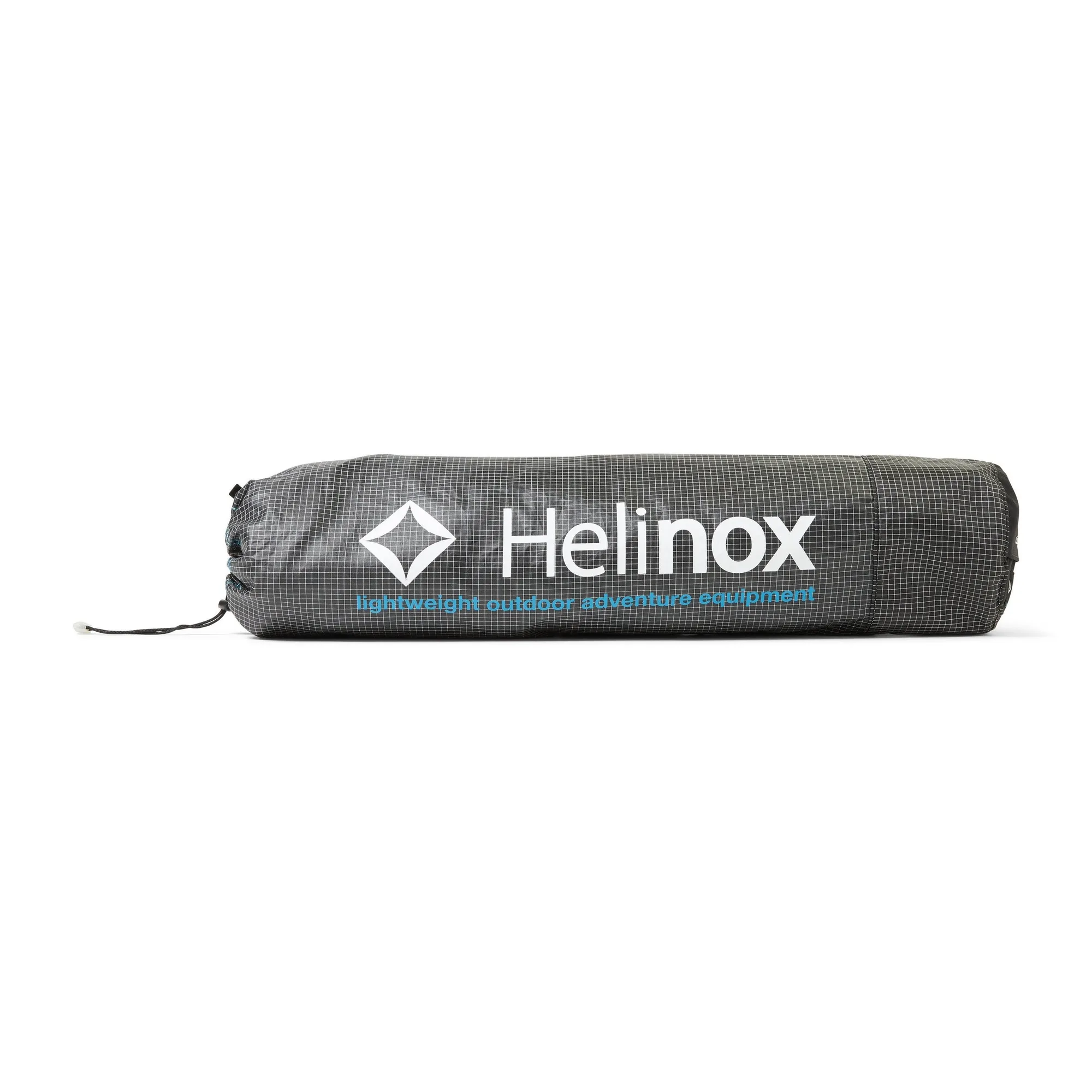
A replacement case is a simple swap: empty the old bag, fold the chair down to its packed shape, slide it into the new case, and cinch the drawcord. The only real risk is ordering a case made for a different chair, so match the case name to your chair model before you buy. If the case is listed for a different model, it will not fit the same way.
Your https://helinoxgx.com/products/sunset-chair-re-replacement-case-c4133fce7d7dbcfcb8d817b4-1905956https://helinoxgx.com/products/sunset-chair-re-06d1c31b5f084a28a9a77d83-1905907Sunset Chair (RE) replacement case is the cheapest fix in your kit. Bags wear out long before frames do, and a torn or stretched case is usually the first thing to go after a few seasons of gravel, car trunks, and damp campsites.
The swap itself takes about a minute. The part that trips people up is buying the right case, because Helinox makes dedicated replacement bags and seats for different chairs, and they are not interchangeable. Here is the order to do it in, with the checkpoint that matters at each stage.
Before you start: confirm you have the right case
Lay the old case next to the new one and compare the opening and overall length. If the new case is noticeably shorter or the opening is tighter, stop and check the model name again. A case built for a smaller chair will not swallow a Sunset Chair (RE) no matter how you fold it.
This is also the moment to check the chair itself. Run a hand along the frame hubs and seat corners. If the seat fabric is fraying or a hub is cracked, a new bag will not fix the real problem, and you should look at seat or foot replacements instead.
- Checkpoint: the case label and your chair model should match before you unpack anything else.
Step 1: Empty the old case completely
Take everything out: the chair, the stuff sack of legs if your model has one, and any small items you have been storing in there. Sand, pine needles, and a forgotten lighter are the usual culprits. Turn the old case inside out over a bin and shake it out.
If the old case is going into storage as a backup, wipe it down and let it dry fully before folding it. A damp bag packed away for months is how mildew starts, and that smell transfers to whatever you store next to it.
- Common mistake: packing the new case while the chair is still sandy, which grinds grit into the fabric every time you slide it in.
Step 2: Fold the chair to its packed shape
Collapse the chair the same way you normally do at camp. Gather the legs together, fold the seat fabric flat against the frame, and hold the bundle so the widest point is at the bottom. The packed bundle should be roughly the shape of the old case, not a loose tangle.
Resist the urge to force a wider fold to make the bundle shorter. A bundle that is too wide will jam at the case opening, and you will end up tugging on the drawcord seam, which is exactly the part that fails first.
- Checkpoint: if the bundle is wider than the case opening, refold rather than push.
Step 3: Slide the chair into the new case
Hold the case opening wide with one hand and feed the bundle in bottom-first. Work it down in small increments instead of one hard shove. If it catches, pull it back out a little and rotate the bundle a quarter turn, which usually clears whatever corner is snagging.
Once the chair is in, pull the drawcord or close the closure, but leave a little slack. A case cinched drum-tight puts constant tension on the seam, and seams are what fail on ultralight bags.
- Common mistake: yanking the drawcord to close a gap that is actually a folding problem.
Step 4: Test the carry and adjust
Lift the packed case by its handle or strap and give it a gentle shake. The chair should settle without the case bulging at the seams. If the case feels like it is straining, take the chair out and refold it slightly narrower.
Now is also the time to decide whether the case alone is enough. If you normally clip your chair to the outside of a pack, check that the attachment point still sits where you want it once the new case is loaded.
- Checkpoint: a properly packed case should hold its shape when lifted, not sag into a lump.
The five-step replacement case swap
- Match the case to the chair: Compare the new case's opening and length against the old one, and confirm the model name on the listing matches your chair. If it does not match, stop here. No folding trick will make the wrong case fit.
- Empty and dry the old case: Remove the chair and any stored items, shake out grit, and let the old case dry before storing it. A dry backup bag is worth keeping; a damp one is not.
- Fold the chair to its normal packed shape: Gather the legs, fold the seat flat, and keep the bundle roughly the shape of the case rather than forcing it shorter. Bundle wider than the opening means refold, not push harder.
- Slide in bottom-first and close with slack: Feed the bundle in small increments, rotating it if it snags, then close the drawcord without cinching it tight. Constant tension on the seam is what kills ultralight bags early.
- Lift, shake, and adjust: Carry the packed case by its handle and check for straining seams or bulging before you call it done. If it strains when lifted, refold narrower and try again.
Replacement parts that pair with this job
- Chair Two Replacement Case: Bag Replacement for the Chair Two A useful comparison point: this case is built for the Chair Two, not the Sunset Chair, so it shows why matching the case name to your chair model matters before ordering.
- Lite Cot Replacement Case: Replacement Bag for the Lite Cot Another model-specific bag. If you own both a cot and a chair, keep the bags labeled so you do not grab the wrong one on the way out the door.
- Chair Zero Rubber Feet Replacement (set of 2): Pair of replacement feet for the Chair Zero A reminder that replacement parts are model-specific. While you are already ordering a case, check whether your chair's feet are worn down and worth replacing in the same order.
A replacement case is one of the least expensive ways to keep a good chair in service, and the whole job takes about a minute once you have the right bag in hand. Match the case to your chair model first, fold the chair the way you always do, and do not over-cinch the closure. If your seat fabric or feet are also showing wear, handle those in the same order so you are not making a second trip to the mailbox next month.