Quick answer
To get the most from the TERG Large Waist Bag, load the heaviest items closest to your body, wear the bag centered on your hips rather than your waist, and tighten the strap until it stays put when you twist or bend. Keep the main compartment for daily essentials and use the expanded storage for layers or a water bottle. Adjust once, then fine-tune as your load changes.
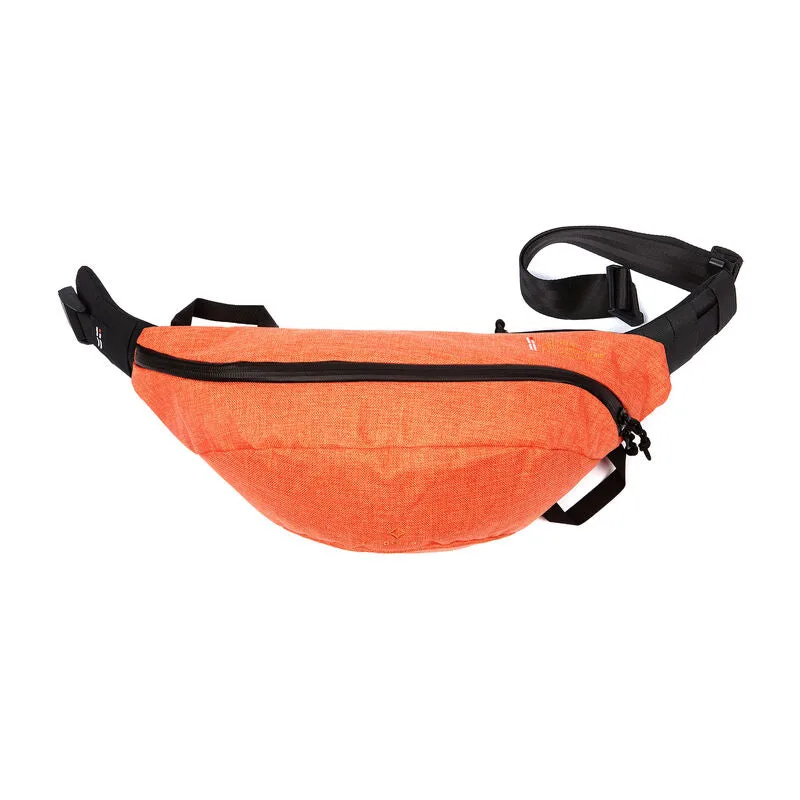
TERG Large Waist Bag
A waist bag only works when it sits in the right place and carries the right weight. The TERG Large Waist Bag is built with durable materials and expanded storage, so it can handle more than a phone and keys, but that extra room only helps if you pack it deliberately.
This guide walks through a repeatable routine: choosing what goes in, loading it in the right order, dialing in the fit, and adjusting for different days. Whether you are running errands, navigating an airport, or taking a short hike, the same steps keep the bag stable and comfortable.
Start with a realistic loadout
Before you touch the strap, decide what actually needs to come with you. For everyday carry, that usually means phone, wallet, keys, a small power bank, and maybe sunglasses. For travel, add a passport, boarding pass, and a compact snack. The TERG Large Waist Bag has expanded storage, so it is tempting to fill every pocket, but a waist bag works best when it stays under about two to three pounds.
Lay everything out first and remove duplicates. If you are carrying a backpack too, split the load so the waist bag holds only what you need quick access to. That keeps the bag from bouncing and makes the next steps easier.
- Common mistake: packing the bag while it is already on your hips, which leads to overstuffing and a lopsided load.
Load the bag back-to-front
Place heavier items like a power bank or a small water bottle against the back panel, closest to your body. Lighter items such as a snack or sunglasses go toward the front. This keeps the bag from sagging away from you and reduces pressure points. Use the expanded storage for a light layer or a compact camera only if you truly need it within reach.
Keep the most-used item, usually your phone, in a pocket you can open without looking. If your keys rattle, tuck them into a soft pouch or wrap them in a buff. The goal is a bag that feels the same every time you put it on.
- Checkpoint: hold the loaded bag by the strap. If it folds in half or the contents shift loudly, repack before wearing it.
Wear it on your hips, not your waist
The single biggest fix for any waist bag is placement. Slide the TERG Large Waist Bag down so the body of the bag rests on your hip bones, not your stomach. The strap should sit just above your hip bones, roughly at the top of your pelvis. This position lets your skeleton carry the weight instead of your lower back.
Tighten the strap until the bag stays in place when you twist side to side or bend forward. You should be able to slide one finger under the strap, but not two. If the bag rides up when you walk, it is too loose; if it digs in, it is too tight.
- Common mistake: wearing the bag high on the waist, which makes it bounce and puts pressure on your stomach.
Adjust for sitting, driving, and travel days
A waist bag that feels great standing up can be uncomfortable in a car seat or on a plane. When you sit, rotate the bag so the body sits on your side or slightly forward, or loosen the strap one notch and let it rest on your lap. For long travel days, keep the bag in front of you where you can see it, which also deters pickpockets in crowded areas.
If you are wearing a backpack as well, put the waist bag on first, then the backpack. The backpack's hip belt, if it has one, should sit below the waist bag, not on top of it. That layering keeps both stable.
- Checkpoint: after five minutes of walking, the bag should not have rotated or needed a tug. If it has, adjust the strap or reposition the load.
Use the expanded storage without overpacking
The TERG Large Waist Bag is designed with expanded storage, which is useful for a light jacket, a compact umbrella, or a water bottle on a short hike. The tradeoff is that a full bag becomes heavier and less stable. If you add a layer, move your phone and wallet to a front pocket so they stay accessible and the weight stays balanced.
For everyday carry, leave the expansion mostly empty. That way the bag keeps a low profile and you have room for unexpected items like a receipt, a snack, or a small purchase. Treat the extra space as a buffer, not an invitation to carry more.
- Common mistake: filling every pocket just because it is there, which turns a light waist bag into a heavy hip pack.
Keep it clean and ready to go
A waist bag you use daily collects crumbs, dust, and the occasional spill. Empty it once a week, shake it out, and wipe the interior with a damp cloth. Check the strap and buckle for wear, and make sure the zippers still run smoothly. If you use the bag for travel, keep a small pouch for receipts and loose change so they do not migrate into every pocket.
Storing the bag partly open, rather than crushed in a drawer, helps it keep its shape. That way it is ready to grab and go, and you spend less time repacking.
- Checkpoint: if the bag smells musty or the zipper sticks, clean and dry it fully before your next trip.
Your five-step TERG Large Waist Bag routine
- 1. Lay out your load: Empty your pockets and decide what truly needs to come with you. Keep the total weight under two to three pounds for all-day comfort. Checkpoint: if you cannot close the bag without forcing it, remove something.
- 2. Pack heaviest items closest to your body: Put a power bank or water bottle against the back panel, and keep your phone in an easy-to-reach front pocket. Checkpoint: the bag should not sag away from you when you hold it by the strap.
- 3. Position the bag on your hip bones: Slide the bag down so it rests on your hips, not your stomach. The strap should sit just above your hip bones. Checkpoint: you should be able to slide one finger under the strap, but not two.
- 4. Test the fit with movement: Twist side to side, bend forward, and walk for a minute. Tighten or loosen the strap until the bag stays put without digging in. Checkpoint: if the bag rides up or rotates, it is too loose.
- 5. Adjust for sitting and travel: When you sit, rotate the bag to your side or loosen it one notch. If you wear a backpack, put the waist bag on first. Checkpoint: after five minutes of walking, you should not need to tug or reposition the bag.
Product facts that matter for this routine
- TERG Large Waist Bag: Built with durable materials and expanded storage, it is designed to carry more for outdoor adventures and everyday use. The expanded storage lets you add a layer or water bottle, but it also means you should pack deliberately to avoid a heavy, unstable bag.
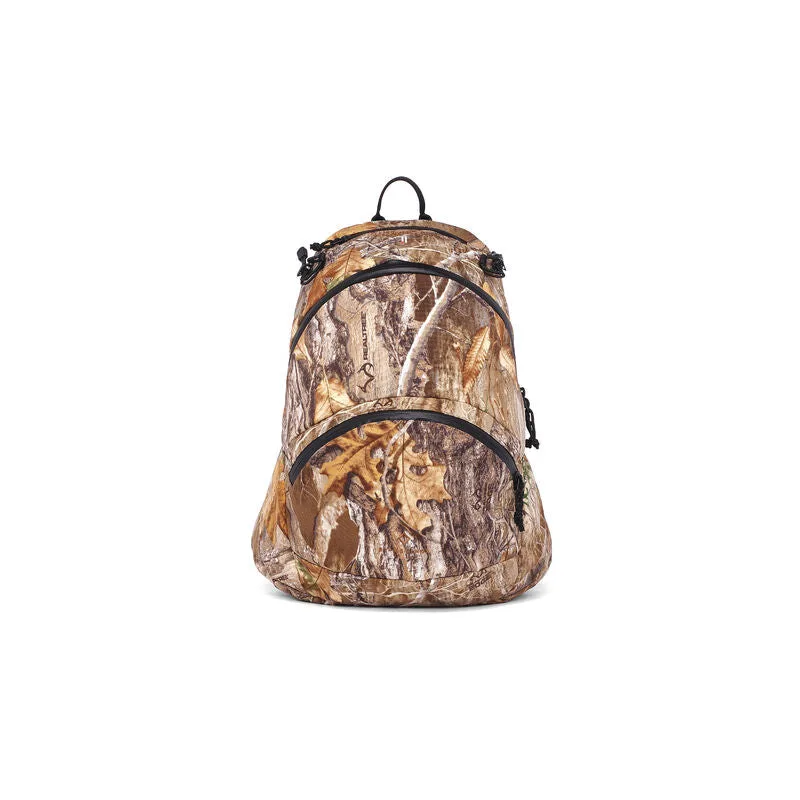
- TERG Daypack Tear Drop Backpack: Features a stabilizing EVA framesheet, water-resistant YKK zippers, and hook-and-loop panels for personalized organization. If you often carry more than the waist bag holds, this backpack pairs well with it for travel days when you need a stable, organized main pack.
The TERG Large Waist Bag works best when you treat it as a deliberate carry system, not a catch-all. Pack light, wear it on your hips, and adjust as your day changes. Do that, and it stays comfortable from the morning commute to an evening walk.