Why a Poster Makes Emotion Check-Ins Work
A visual feelings chart gives kids a concrete way to name what they feel. Instead of struggling for words, they can point, nod, or place a marker on the poster. This simple act turns an abstract idea into a daily habit.
The Poster from Meandmine.com is designed exactly for this purpose. It's a straightforward tool you can use at home, in a classroom, or in a therapy space to start conversations about emotions without pressure.
How to Set Up a Daily Emotion Check-In
Follow these steps to make the poster a natural part of your day.
- Choose a consistent time: Pick a moment that already happens daily, like after breakfast, before bed, or when kids come home from school. Consistency helps the check-in become a routine, not a chore.
- Place the poster where everyone can see it: Hang the poster at the child's eye level in a common area. A kitchen wall, a hallway, or a playroom works well. Make sure it's easy to reach so kids can interact with it freely.
- Start with a simple question: Ask, 'How are you feeling right now?' and let the child point to or name the emotion on the chart. No need to correct or judge their choice. Just acknowledge it: 'I see you're feeling excited today.'
- Use the poster as a conversation starter: Once the child points to an emotion, ask a follow-up like, 'What made you feel that way?' or 'Is there anything you want to do about that feeling?' This builds emotional vocabulary over time.
- Make it interactive: Let kids move a clothespin, a magnet, or a sticker to mark their feeling each day. The physical action reinforces the habit and gives them ownership of the process.
What the Poster Offers for Your Check-In Routine
-
Poster: The Poster is a physical chart that can be sent as a gift card via email or printed to give in person. It is good for purchases in our online store anytime throughout the year and is sent within 24 hours. This means you can start using the poster quickly. Whether you order it for yourself or receive it as a gift, it arrives digitally within a day, so there's no shipping wait.
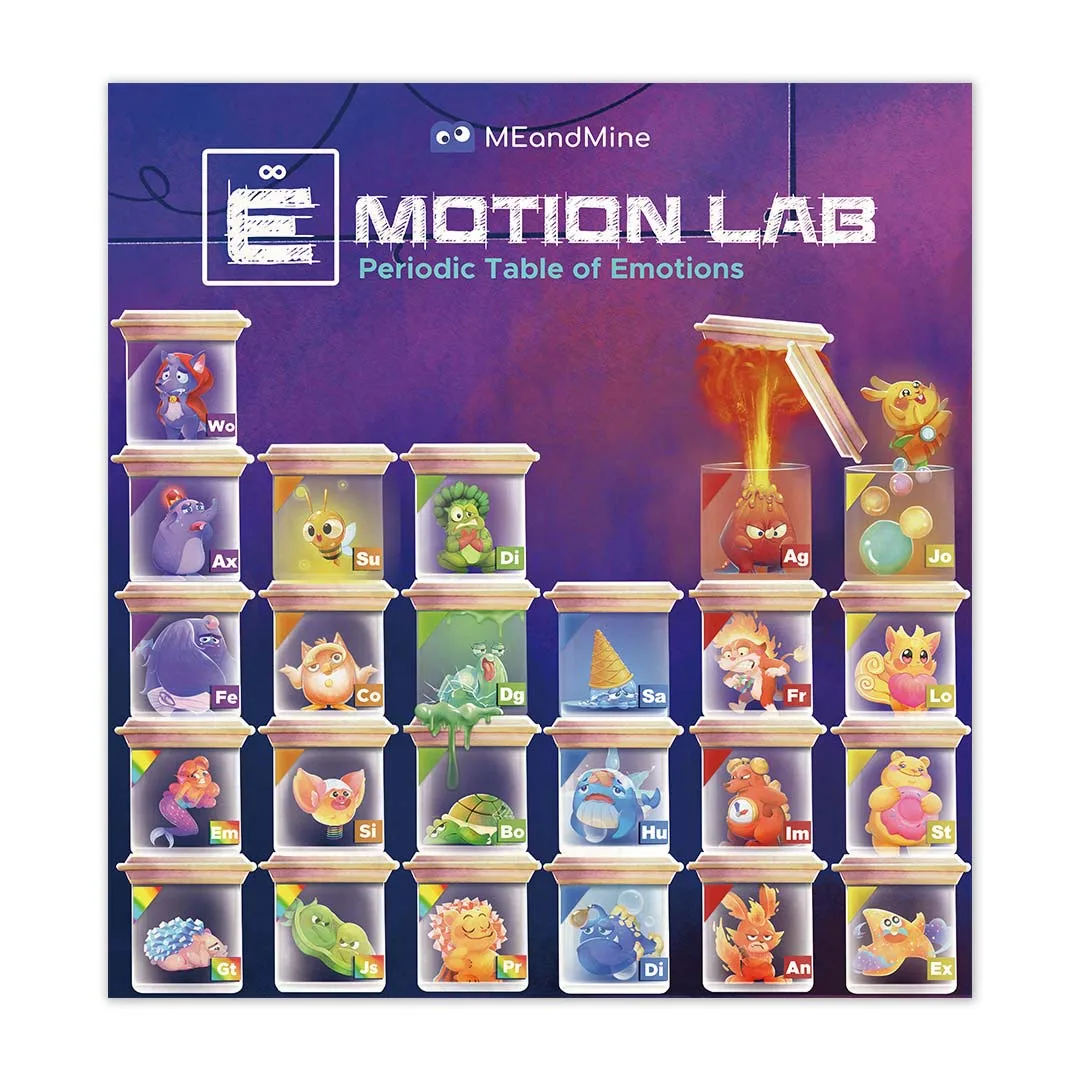
Poster
Simple Activities to Try with the Poster
Beyond the daily check-in, the poster can support other emotional literacy activities. Try these ideas to deepen the learning:
Morning greeting: Have each family member point to their feeling as they say good morning. This normalizes talking about emotions first thing.
Feeling of the day: Pick one emotion from the chart each morning and talk about what it looks like, sounds like, and feels like. This builds a richer emotional vocabulary.
Story time connection: After reading a book, ask your child which emotion on the poster best matches how the character felt. This helps connect stories to real feelings.
Check-in before transitions: Use the poster before homework, chores, or screen time changes. It helps kids name their resistance or excitement and makes transitions smoother.
What the Poster Is Not Designed to Do
The poster is a visual aid, not a therapy tool. It won't solve deep emotional challenges on its own. Its job is to give kids a way to start talking about feelings. For children with significant emotional or behavioral needs, the poster works best alongside professional support.
Also, the poster is a single chart. It does not include cards, markers, or activity guides. You supply the conversation and the routine. That's actually a strength: you adapt it to your child's age, mood, and situation.