Quick Answer
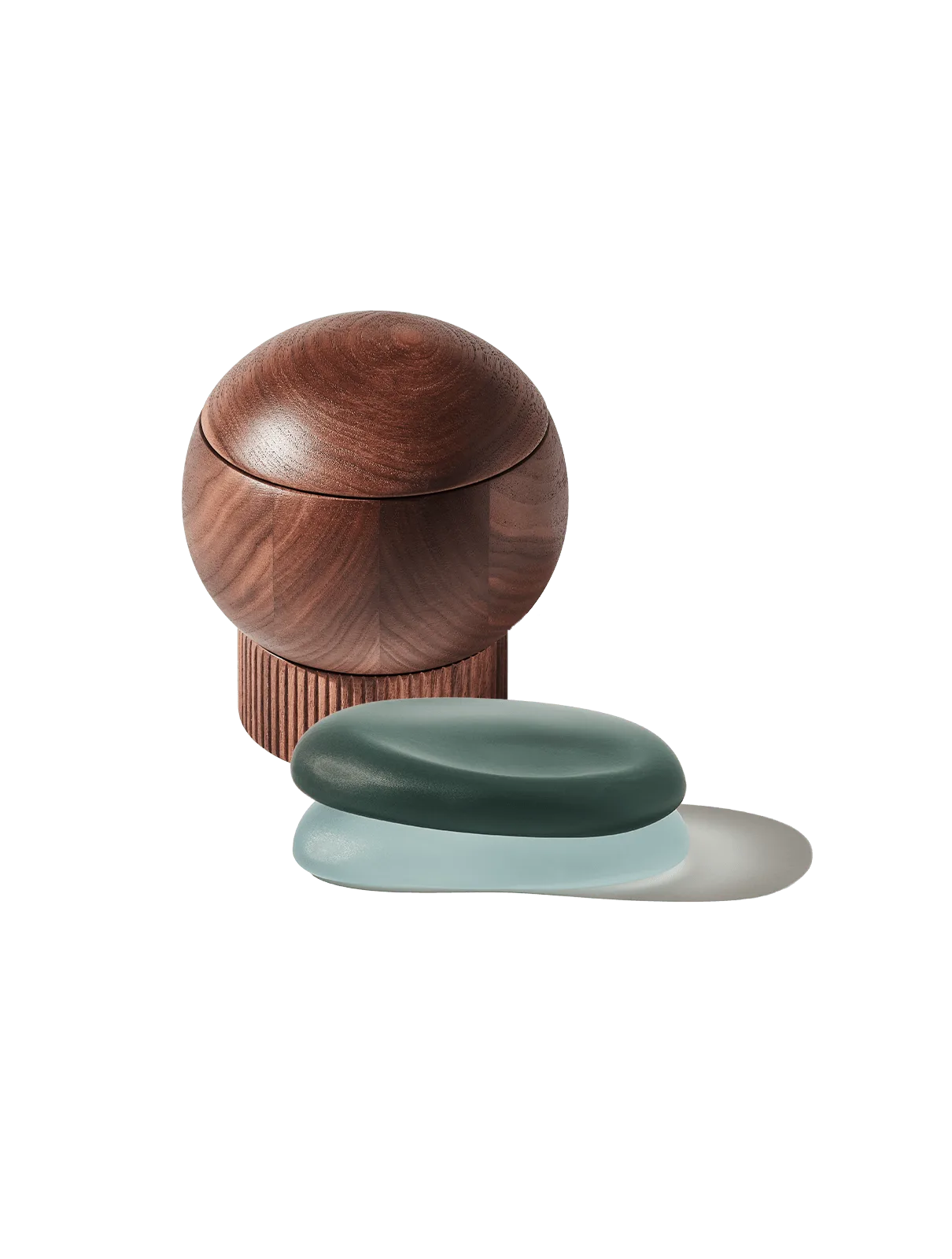
A resting stone gives your knife a safe, clean spot between tasks and during serving. Place it on a stable surface, rest the blade's edge facing away from you, and use it to keep the knife off the counter and out of harm's way. For storage, always clean and dry the knife before placing it on the stone.
A resting stone is a simple but essential tool for any kitchen. It keeps your knife off the counter, protecting both the blade and your work surface. Whether you're prepping ingredients or serving a meal, a resting stone provides a designated spot that reduces the risk of accidents and keeps your knife within easy reach.
In this guide, we'll walk you through the practical steps of using a resting stone for both serving and storing your knives. You'll also learn how to pair it with the right cutting board and knife care routine to keep your blades in top condition.
Why Use a Resting Stone?
A resting stone is more than just a decorative piece. It serves a functional purpose: it keeps your knife blade elevated and protected when not in use. This prevents the edge from dulling against hard countertops and reduces the risk of accidental cuts when reaching for tools.
During serving, a resting stone allows you to present a knife elegantly alongside a cutting board or cheese platter. It also keeps the blade from touching the table, which is both hygienic and safer for guests.
- Always place the resting stone on a flat, stable surface to prevent slipping.
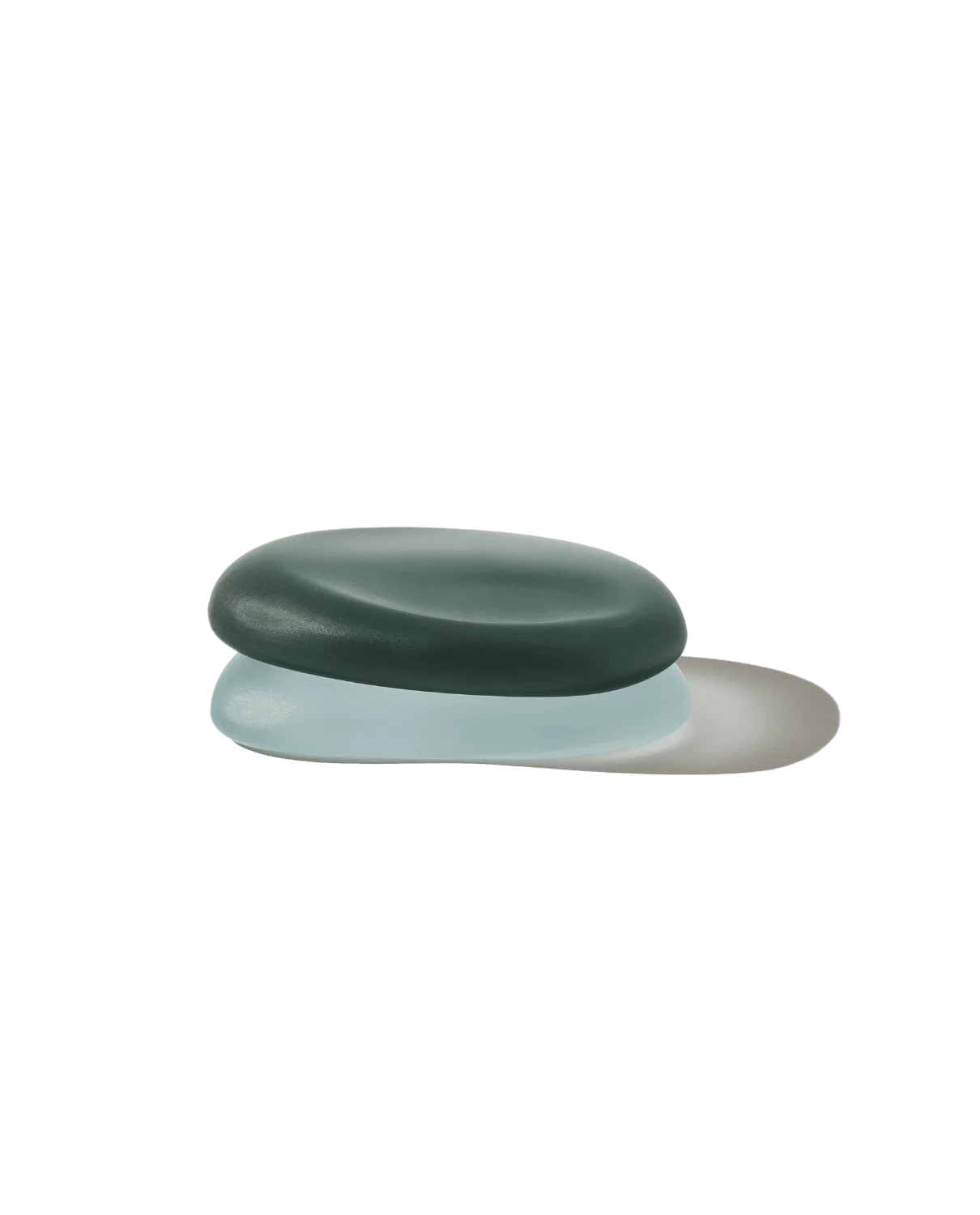
the resting stone
- Position the knife with the blade facing away from you and others.
- Clean the stone regularly to avoid buildup of food residue.
Choosing the Right Resting Stone
When selecting a resting stone, consider the size and weight. It should be heavy enough to stay in place but not so large that it takes up unnecessary counter space. The material matters too: natural stone is durable and aesthetically pleasing, while ceramic is easy to clean and non-porous.
If you often use multiple knives, look for a stone that can accommodate more than one blade. Some stones have slots or grooves that hold knives securely. For most home cooks, a single-slot stone is sufficient.
- Match the stone's size to your most-used knife.
- Choose a non-porous material for easy cleaning.
- Consider a stone with a non-slip base for safety.
Using a Resting Stone for Serving
When serving, place the resting stone on a serving board or platter. Rest the knife on the stone with the blade facing inward. This keeps the knife accessible for slicing but prevents it from sliding off. It's a practical way to present a carving knife or a cheese knife.
For a polished look, position the stone near the edge of the platter, but not so close that it could be knocked off. Ensure the stone is stable before placing the knife.
- Use the stone as a focal point on a charcuterie board.
- Keep the knife handle pointing toward the right if you're right-handed, left if left-handed.
- Never leave a knife resting on the stone unattended near children.
Storing Knives with a Resting Stone
While a resting stone is not a substitute for a knife block or magnetic strip, it can serve as a temporary storage spot during a cooking session. If you're taking a break or waiting for a dish to finish, place your knife on the stone instead of leaving it on the counter.
For longer-term storage, always clean and dry the knife before placing it on the stone. This prevents moisture from getting trapped against the blade, which could lead to rust or staining. Store the stone in a dry place when not in use.
- Never store a dirty knife on the stone.
- If the stone gets wet, dry it thoroughly before storing.
- Keep the stone away from the edge of the counter to avoid accidental knocks.
Step-by-Step Guide
- Clean and dry your knife: Before placing your knife on the resting stone, wash it with warm soapy water, rinse, and dry it completely. This prevents any food residue or moisture from transferring to the stone. Checkpoint: The knife should be completely dry to avoid rust or staining.
- Position the resting stone: Place the resting stone on a flat, stable surface, such as a cutting board or countertop. Ensure it won't slide or tip over. Checkpoint: The stone should not wobble when you gently press on it.
- Rest the knife on the stone: Lay the knife on the stone with the blade facing away from you and others. The handle should be easily accessible. Avoid letting the blade touch the counter. Checkpoint: The blade should be fully supported by the stone, not hanging off the edge.
- Use during cooking or serving: Keep the knife on the stone while you work or serve. This keeps it clean and within reach, and prevents accidental cuts. Checkpoint: Always keep the knife within your line of sight.
- Clean and store the stone: After use, wash the resting stone with soap and water, dry it, and store it in a dry place. Do not leave it in a sink or damp area. Checkpoint: The stone should be completely dry before storing to prevent mold or damage.
Product Facts
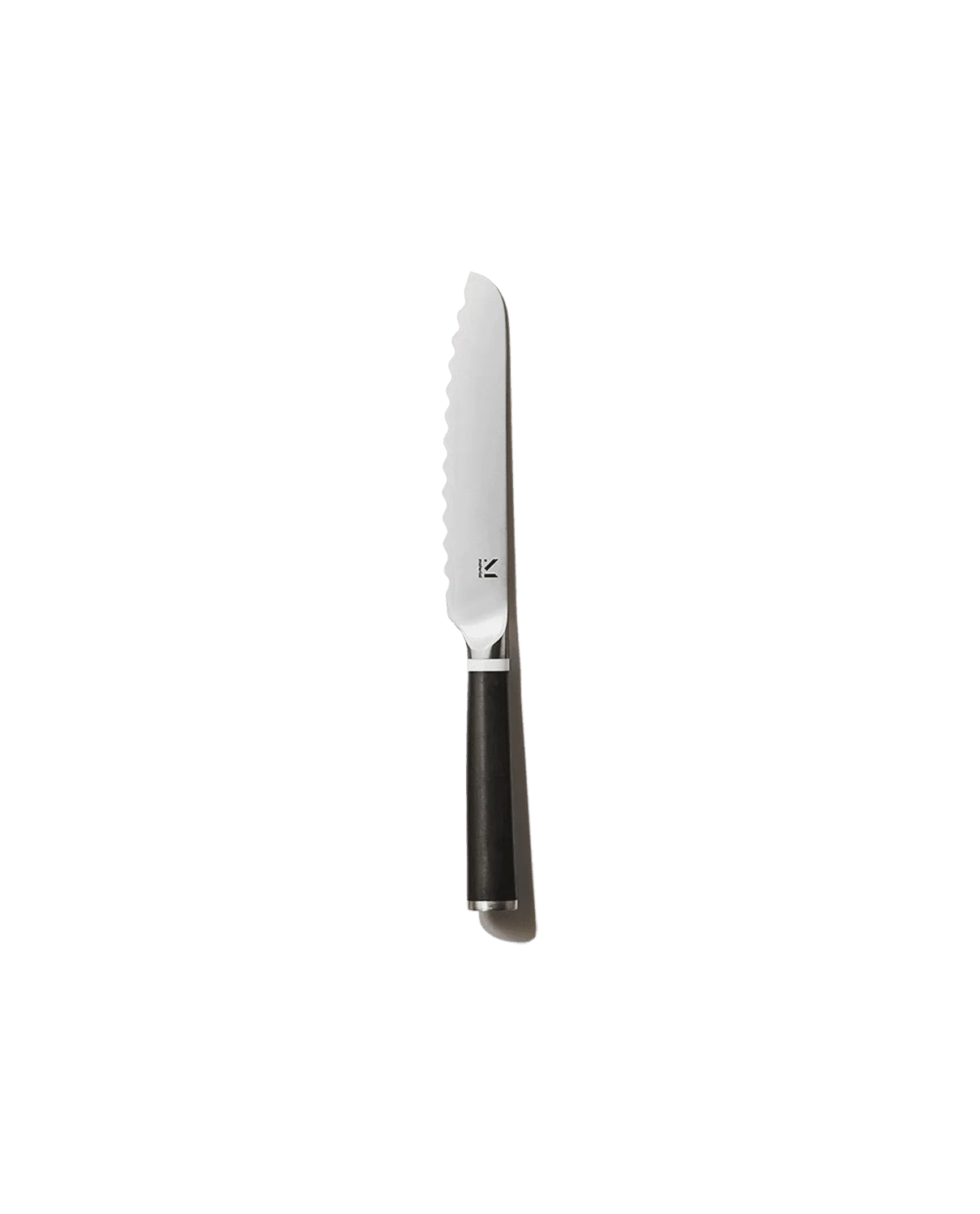
- The Trio of Knives: The three essential knives every cook needs, expertly crafted for smooth, confident chopping, courtesy of a full-tang design, razor sharp Japanese steel blade and grippy handle. A resting stone helps protect the razor-sharp edges of these knives, keeping them in prime condition for precise chopping and slicing.
- The MK Free Board: A safer, better choice. The MK Free BoardTM️ is made of a revolutionary material that is plant-based and leaves behind no permanent microplastics. It is non-porous and dishwasher-safe. Pair your resting stone with a non-porous cutting board like this one to maintain a hygienic prep area and avoid cross-contamination.
A resting stone is a small investment that pays off in knife longevity and kitchen safety. By following these simple steps, you can keep your blades sharp, your countertops clean, and your cooking and serving routines more enjoyable. Pair it with quality knives and a good cutting board, and you'll have a setup that works as hard as you do.