Quick answer
Use The Trinity as a direct substitute for equal parts chopped onion, celery, and bell pepper in long-cooking dishes like gumbo, soups, and stews. Add it early so the dried vegetables rehydrate and meld into the base.
Why The Trinity works as a shortcut
The holy trinity is the aromatic base of onion, celery, and bell pepper that starts countless Cajun and Creole dishes. Fresh is traditional, but The Trinity blend gives you those same flavors in dried form, so you can skip the chopping and keep the building blocks on hand.
Because the vegetables are dried, they need time and liquid to soften. That makes The Trinity a better fit for long-simmered recipes than for quick sautés where you want crunch and fresh texture.
When to reach for The Trinity (and when not to)
Reach for The Trinity when you're making gumbo, fricassee, soup, or stew and don't have fresh onion, celery, and bell pepper—or simply want to save prep time. It's also handy for building a quick base when your fridge is empty.
Skip it when a recipe depends on the distinct texture of fresh vegetables, such as a quick stir-fry or a raw relish. In those cases, fresh is worth the extra effort.
Step-by-step: using The Trinity in your cooking
-
Measure The Trinity to replace fresh vegetables: Use about 1 tablespoon of The Trinity for every 1/2 cup of combined fresh onion, celery, and bell pepper called for in the recipe. Adjust after tasting. Start with less; you can always add more, but overshooting can make the dish taste overly dried-herb forward.
-
Add The Trinity early in the cooking process: Stir The Trinity into the pot at the same stage you would add the fresh trinity—usually after browning meat or before adding liquid. Let it toast briefly in the fat to wake up the flavors. Don't add it at the very end; the dried vegetables need time to rehydrate and soften.
-
Add enough liquid and simmer: Because The Trinity is dried, it absorbs liquid. Make sure your recipe has enough broth or water, and simmer for at least 20–30 minutes to let the vegetables plump and meld. If the dish looks dry, add a splash more liquid—dried vegetables can soak up more than you expect.
-
Taste and adjust seasoning: The Trinity contains garlic but no salt, so you'll still need to season with salt and other spices. Taste after the simmer and add more The Trinity if you want a stronger vegetable note. Remember that other Cajun seasonings may contain salt; taste before adding extra salt.
-
Pair with Jambalaya Seasoning for a complete base: For jambalaya, use The Trinity as your vegetable base and add Jambalaya Seasoning for the rice and meat. Use 2 tablespoons of Jambalaya Seasoning per cup of rice, and adjust The Trinity to your liking. Keep the two blends separate so you can control the vegetable and spice levels independently.
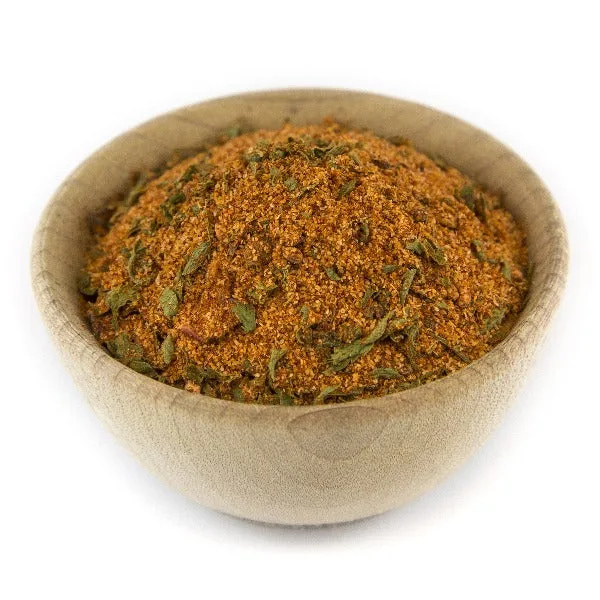
Jambalaya Seasoning
Product facts
-
The Trinity: The Trinity is a blend of onion, celery, bell pepper, and garlic, designed for long-cooking processes like gumbo, fricassee, soups, and stews. This means you can use it as a direct substitute for fresh trinity in recipes that simmer for a while, saving prep time without sacrificing flavor.
The Trinity