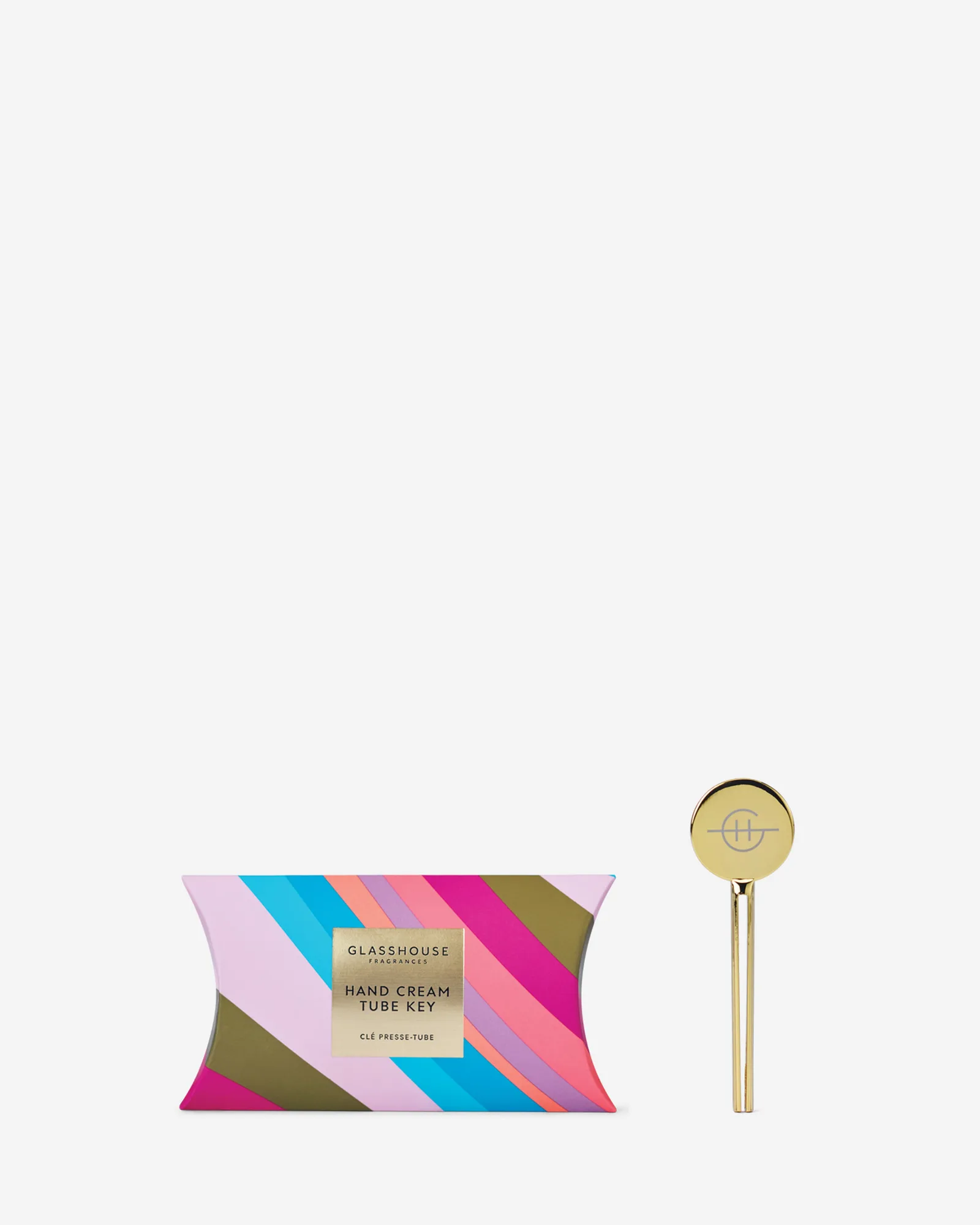
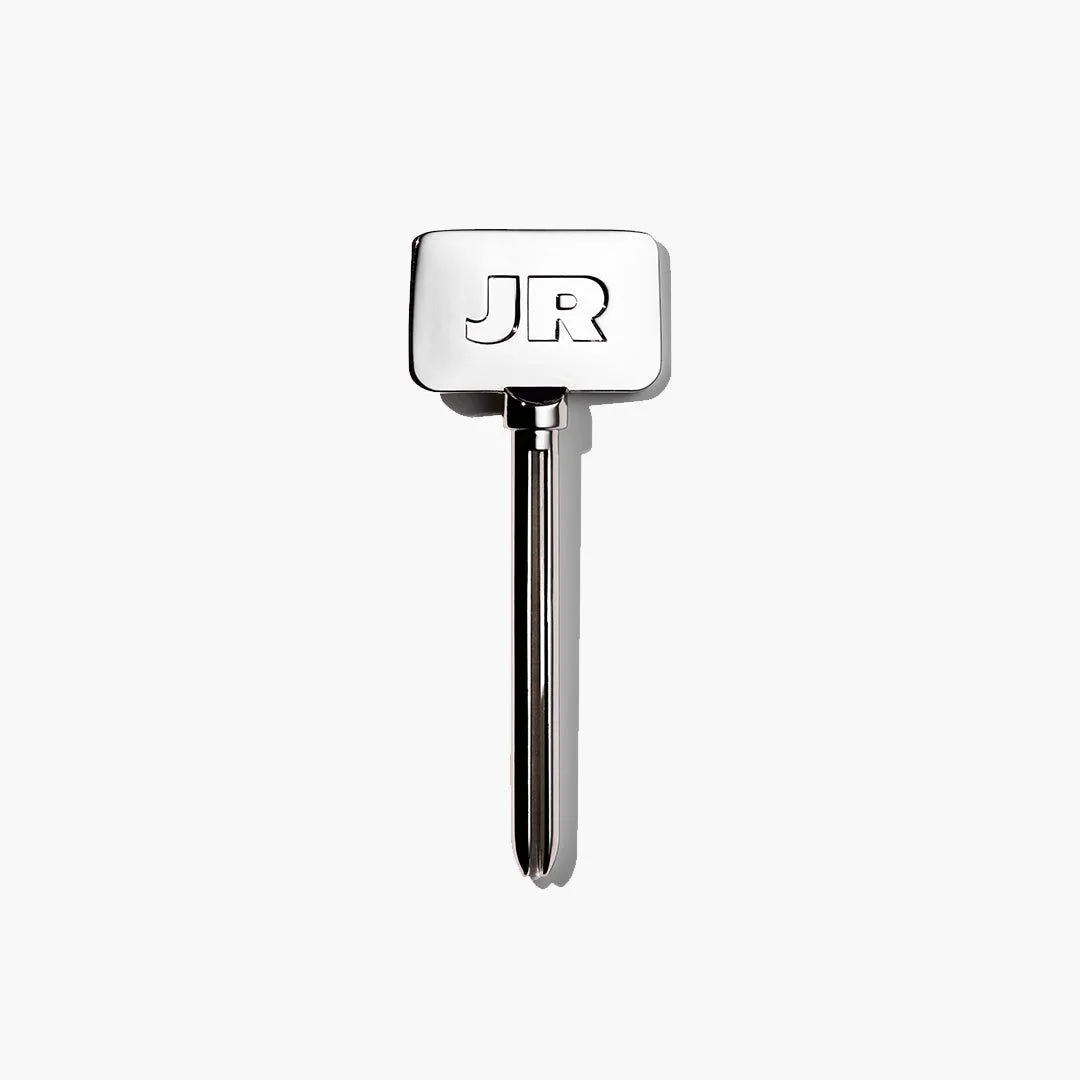
The Tube Key turns a flat tube back into a working one
Hand cream tubes fail slowly. The pump stops drawing, the tube flattens, and the last few grams sit trapped in folds you can't reach with your fingers. A tube key is a simple metal tool that rolls the flattened end of the tube upward, pushing product toward the cap so you can keep using it instead of guessing how much is left.
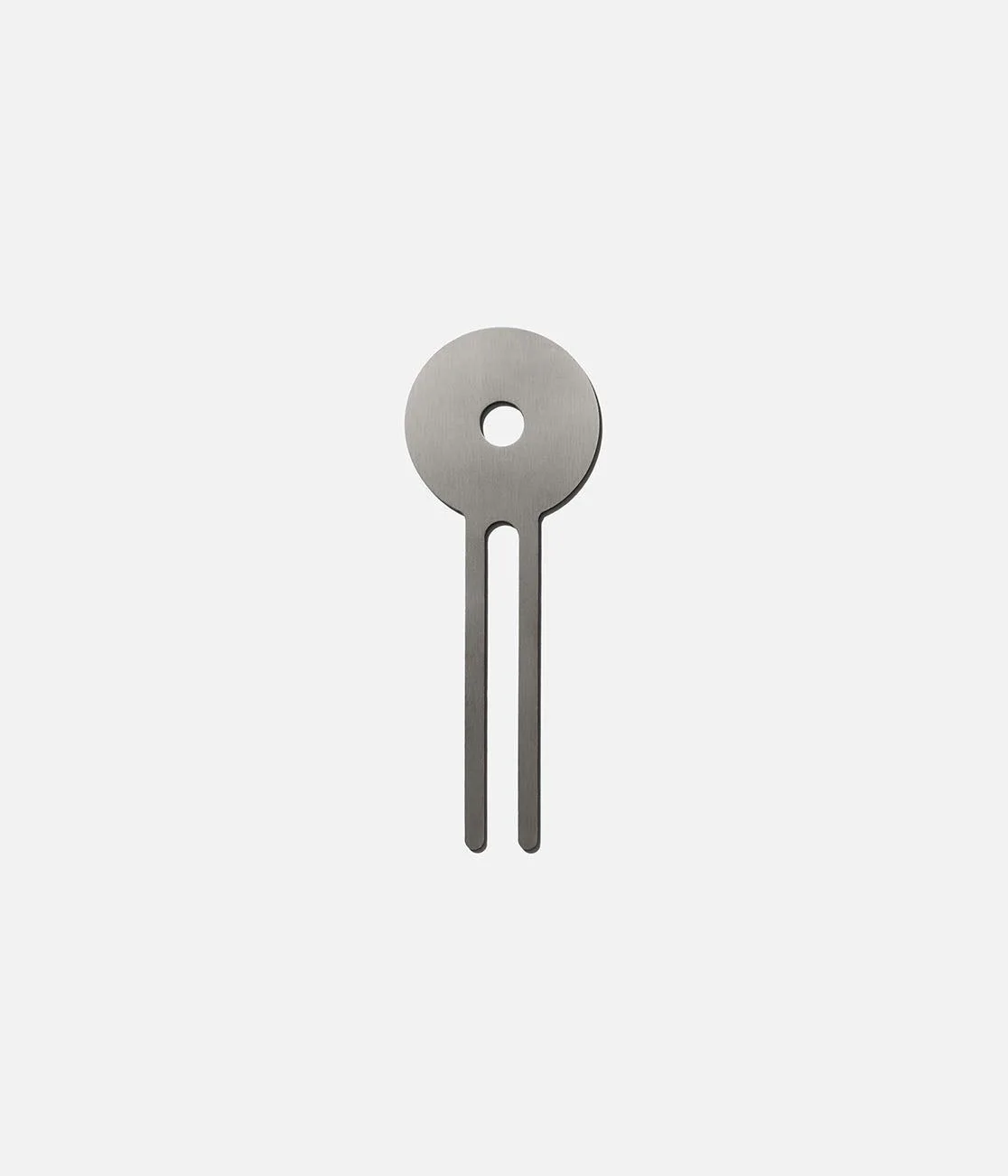
The Tube Key from Nécessaire is a limited-edition stainless steel object designed by New Tendency, Germany. It is slightly oversized for an ergonomic roll, and the catalog states it works for a large range of aluminum tubes. That size and material are the two details that matter most when you decide whether it belongs in your routine.
How to use a tube key on a hand cream tube
The supplied product information does not include a step-by-step manufacturer procedure, so the sequence below is a practical way to use the tool based on its size, material and intended function. Adjust it to the tube you have.
- Start with a tube that is already partly used: A tube key is most useful once the tube has begun to flatten. Rolling a full tube does not gain you much and can make the tube harder to stand or store.
- Flatten the tail end of the tube: Press the bottom of the tube flat with your fingers so the key has a clean edge to roll against. This also pushes a little product toward the cap before you begin.
- Slide the key over the flattened end: The Tube Key measures 40mm x 108mm x 2mm. That width is intended to span the flattened tail of a large range of aluminum tubes. If your tube is much wider or much narrower than the key, the roll will not sit evenly.
- Roll the key upward in small turns: Turn the key toward the cap a little at a time. The slightly oversized shape is meant to give you something substantial to grip, so you can control the roll rather than forcing it.
- Squeeze or dispense as usual: Once the key is in place, use the tube normally. The rolled section holds the product forward so the next squeeze delivers cream instead of air.
- Move the key down as the tube empties: As you use more product, unroll the key slightly, flatten the new tail, and roll again. This keeps the working section of the tube compact.
What the stainless steel and size mean for daily use
The Tube Key is made of premium-grade stainless steel. That matters for a tool you will handle with cream on your hands: steel is rigid enough to hold a roll and smooth enough to wipe clean. The catalog presents it as an interior object as well as a tool, which is why it ships in a kraft sleeve and is described as ideal for gifting.
At 40mm x 108mm x 2mm, the key is thin enough to slide over a flattened tube but wide enough to span a typical aluminum hand cream tube. The catalog does not list a maximum or minimum tube width, so treat the phrase 'a large range of aluminum tubes' as your guide rather than a precise fit chart. If you are unsure about a particular tube, test the key on an empty one first.
The Tube Key details that affect how you use it
-
The Tube Key: Premium-grade stainless steel, 40mm x 108mm x 2mm. The material and dimensions determine how the key grips a flattened tube and how much of the tail it can span.
The Tube Key
-
The Tube Key: Slightly oversized for an ergonomic roll. A larger key gives you more to hold onto, which makes slow, controlled rolling easier than with a tiny key.
-
The Tube Key: Works for a large range of aluminum tubes. This is the compatibility statement supplied in the catalog. It tells you the intended tube type without promising a fit for every tube.
-
The Tube Key: Presented in a kraft sleeve; limited quantities available. If you plan to give the key as a gift or buy one for each bathroom, the packaging and limited availability are worth knowing before you order.
Where a tube key helps most, and where it doesn't
A tube key is a small tool with a narrow job. Being clear about that job keeps your expectations realistic.
- Best for aluminum hand cream tubes: The catalog specifically names aluminum tubes. That is the material the key was designed around, so start there.
- Less useful on a brand-new tube: There is little flattened tail to roll at the start. The key earns its place in the last third of a tube's life.
- Not confirmed for plastic squeeze tubes: The supplied information does not state compatibility with plastic tubes. If you want to try it on one, test carefully rather than assuming it will hold the same way.
- Not a replacement for cleaning the cap: The key moves product forward, but it does not address a clogged opening. Keep the cap and threads clean as you normally would.
A realistic way to judge whether it cuts hand cream waste
The honest benefit of a tube key is access, not magic. It lets you roll the tube tighter than fingers can, so you can reach cream that would otherwise sit in the folds. Whether that adds up to a meaningful difference depends on how much you use and how empty you let tubes get before replacing them.
Try it for one full tube cycle. Roll the key as the tube flattens, and note how many extra uses you get after the point where you would normally have tossed the tube. That personal checkpoint is more useful than any general claim, and it is the only way to know if the tool fits your habits.
The catalog does not supply cleaning instructions, a warranty, or a stated product lifespan for The Tube Key. If those details matter to your decision, ask before you buy rather than assuming. What the catalog does support is straightforward: a stainless steel key, sized for an ergonomic roll, intended for a large range of aluminum tubes, and sold in limited quantities.