Quick Answer
To use tongs effectively, grip near the hinge for control, use the right pressure for the food, and match the tong type to the task—like silicone tips for nonstick pans and stainless steel for high heat.
Why Tongs Beat Spatulas and Forks
Tongs give you a firm but gentle grip, letting you flip, turn, and serve without piercing the food. That means juices stay in the meat and delicate items like fish fillets hold their shape.
A good pair of tongs also keeps your hands away from hot surfaces and splattering oil, making them safer than reaching in with fingers or a fork.
Choosing the Right Tongs for the Job
Silicone-tipped tongs are ideal for nonstick pans because they won't scratch the coating. They also provide a non-slip grip on slippery foods like boiled eggs or pasta.
Stainless steel tongs handle high heat without melting and are sturdy enough to reposition a heavy roast. They work well for grilling and searing, but avoid using them on nonstick surfaces.
Consider the length: longer tongs keep your hands farther from heat and splatter, while shorter ones offer more control for fine tasks like plating.
Step-by-Step Tongs Guide
- Pick the right tongs for the task: Use silicone-tipped tongs for nonstick pans and slippery foods. Use stainless steel tongs for high-heat cooking like searing or grilling. Length matters: long tongs for deep pots or grills, short tongs for plating. If you only have one pair, silicone tips are more versatile for everyday cooking.
- Hold near the hinge for control: Grip the tongs close to the hinge, not at the very ends. This gives you better leverage and precision, especially when handling small or delicate items. Avoid gripping too loosely—you need firm control to prevent dropping food.
- Adjust your grip pressure: Squeeze just enough to hold the food securely without crushing it. For soft items like fish or cooked vegetables, use a lighter touch. For heavy roasts, increase pressure but keep the grip steady. Practice on a few pieces of food to feel the right amount of pressure.
- Use tongs for flipping and turning: Slide the tongs under the food, lift gently, and turn it over. For large items like steaks, use a scooping motion to avoid tearing. For pasta or small pieces, use a gentle grasping motion. Don't stab the food—tongs are meant to grip, not pierce.
- Serve with tongs for hygiene and ease: Use tongs to serve salads, pasta, or grilled items from a shared bowl. This keeps hands clean and prevents cross-contamination. For buffet-style serving, designate a specific pair for each dish. Keep a separate pair of tongs for raw meat to avoid contaminating cooked food.
Tongs That Make the Job Easier
-
Tongs - Blue: From flipping a steak to fishing out the last piece of pasta, our silicone-tipped tongs do the job without slipping or squashing. The silicone tips protect nonstick cookware and give you a reliable grip on slippery foods, making them a versatile everyday choice.
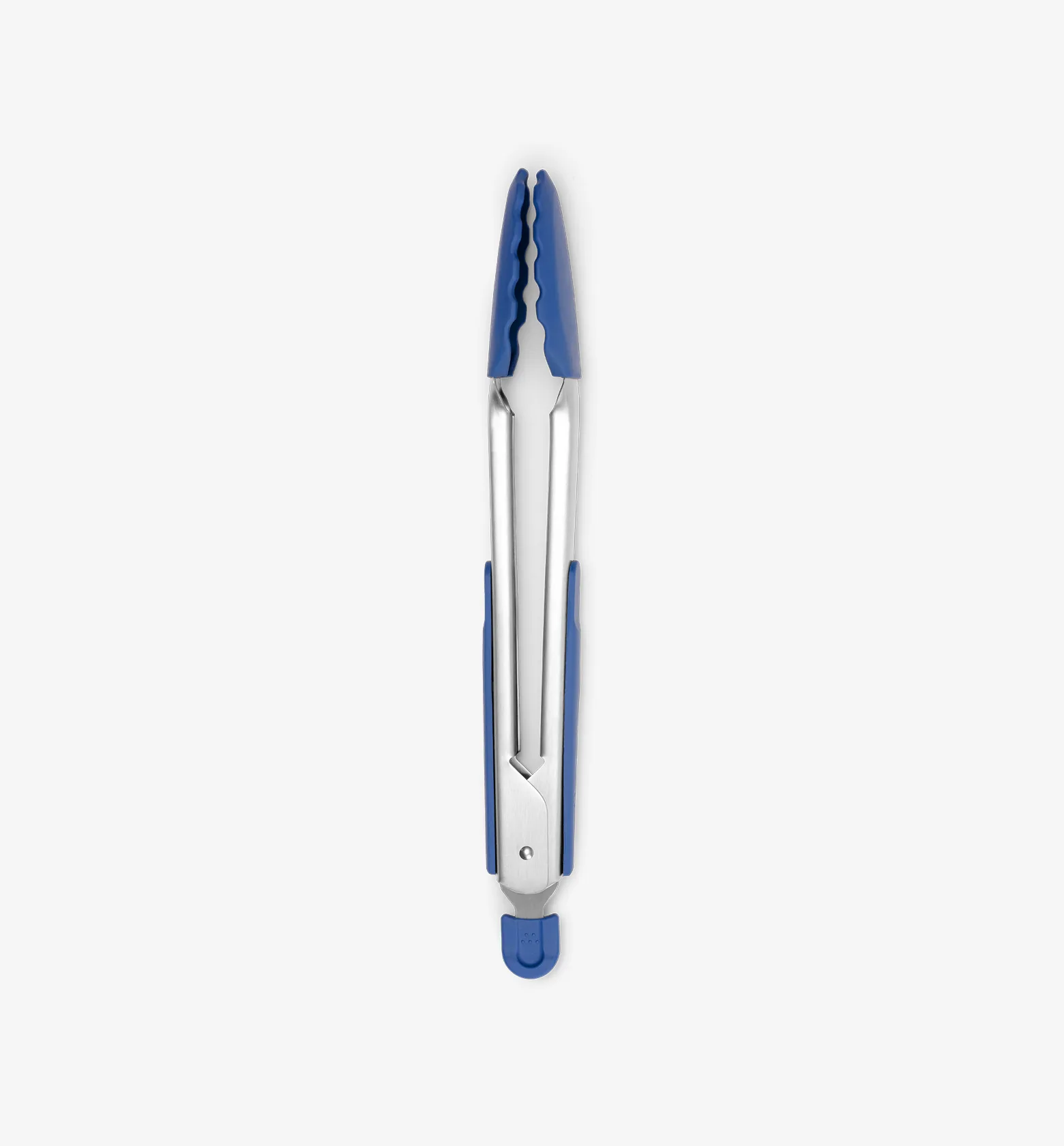
Tongs - Blue
-
Stainless Steel Tongs: Strong enough to reposition a roast, precise enough to plate like a pro. The tongs you’ll reach for without needing to think. Stainless steel tongs offer the strength and precision needed for heavy or delicate tasks, from turning a roast to arranging garnishes.
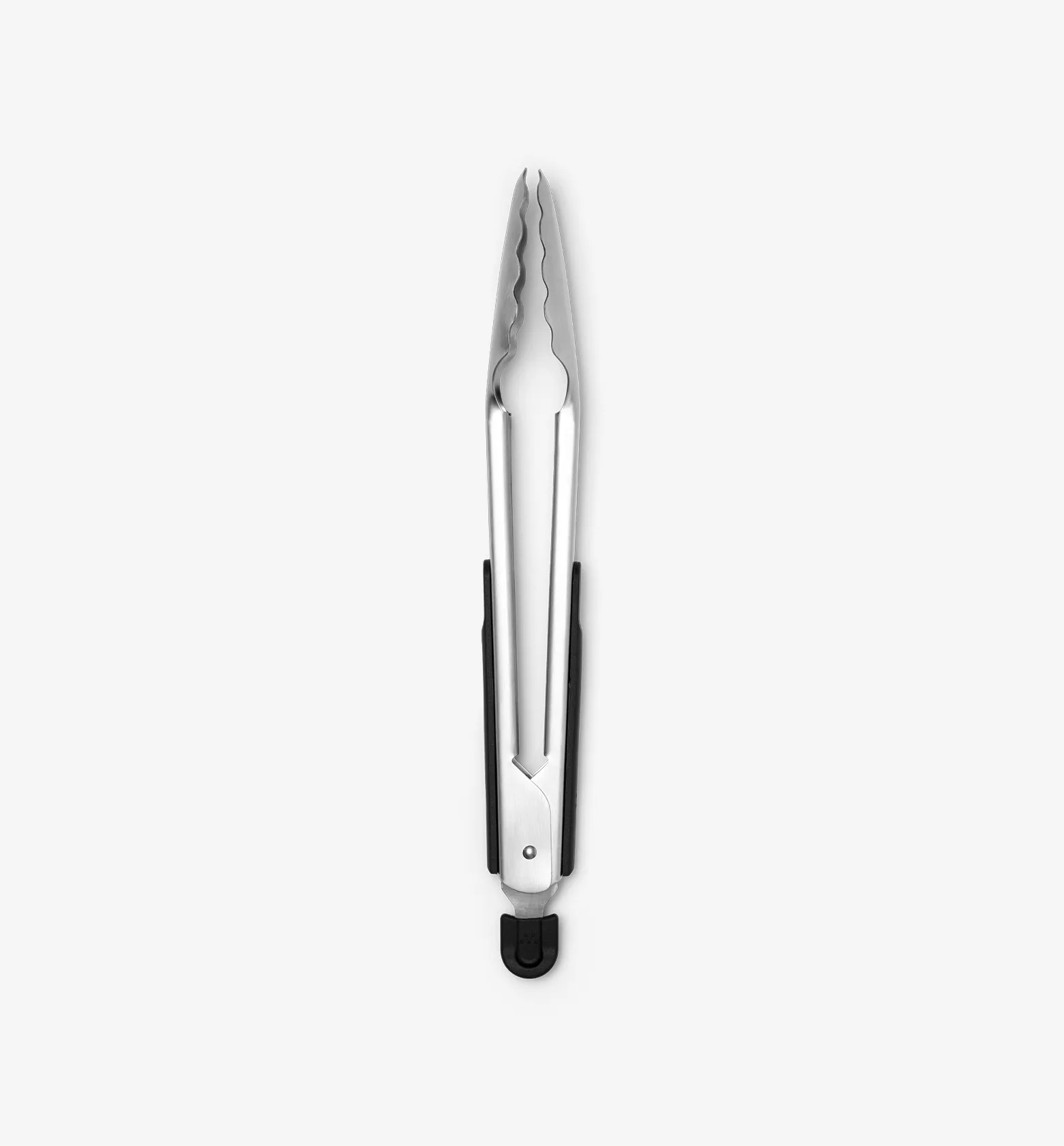
Stainless Steel Tongs