Toothpaste tablets are a game-changer for anyone looking to reduce plastic waste in their daily routine. These tiny, solid tablets replace traditional toothpaste tubes, offering a convenient and eco-friendly alternative. But if you've never used them before, you might be wondering: how exactly do you use toothpaste tablets? In this guide, we'll walk you through everything you need to know, from the correct chewing technique to storage tips, so you can get the best results and make the switch seamlessly.
Unlike liquid or gel toothpaste, tablets require a slightly different approach. Many first-time users make the mistake of swallowing them or not chewing enough, which can affect the foaming and cleaning action. With a little practice, you'll find that tablets are just as effective—if not more—than traditional toothpaste. Plus, they're perfect for travel, camping, or just simplifying your bathroom shelf.
What Are Toothpaste Tablets?
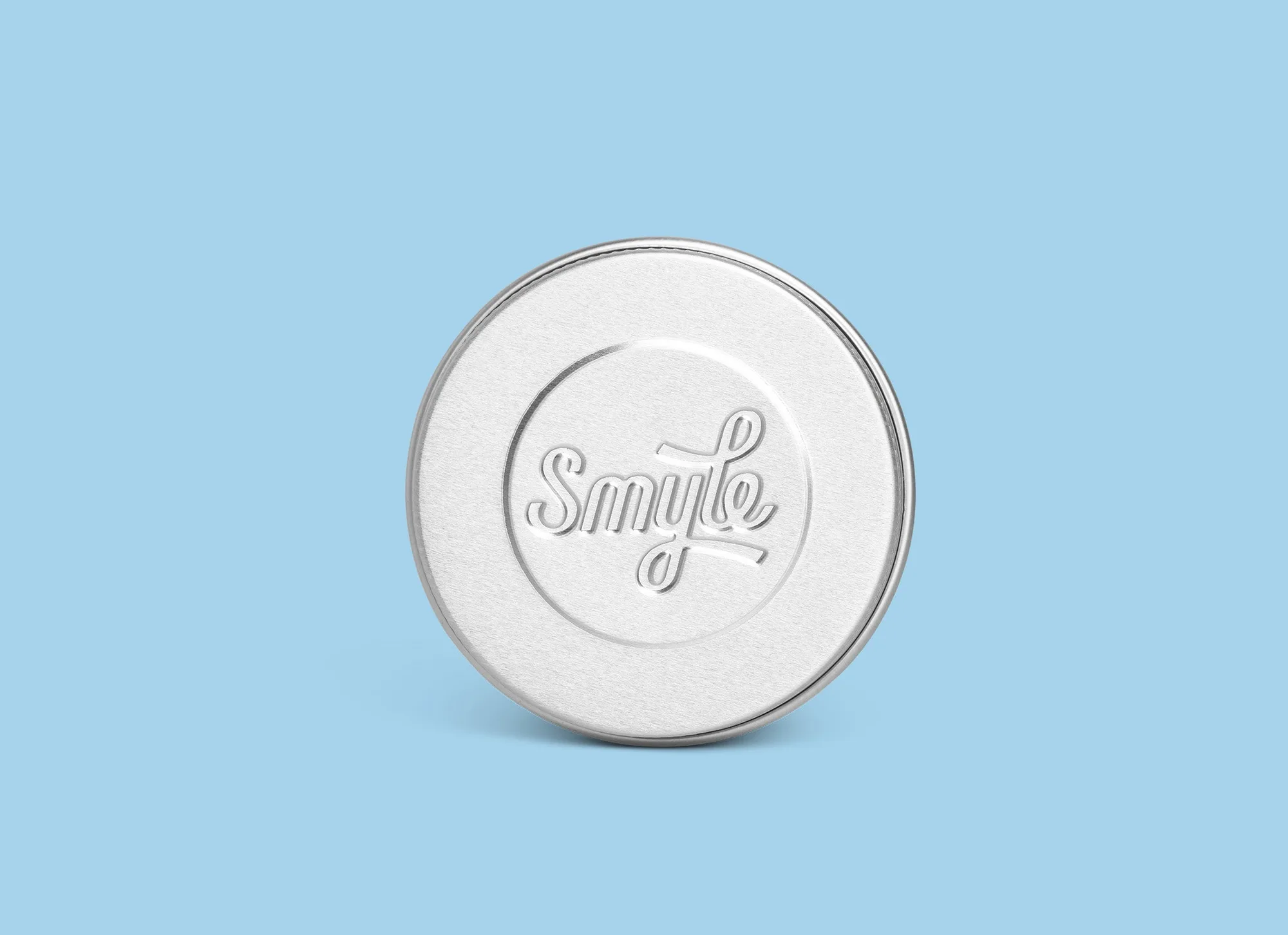
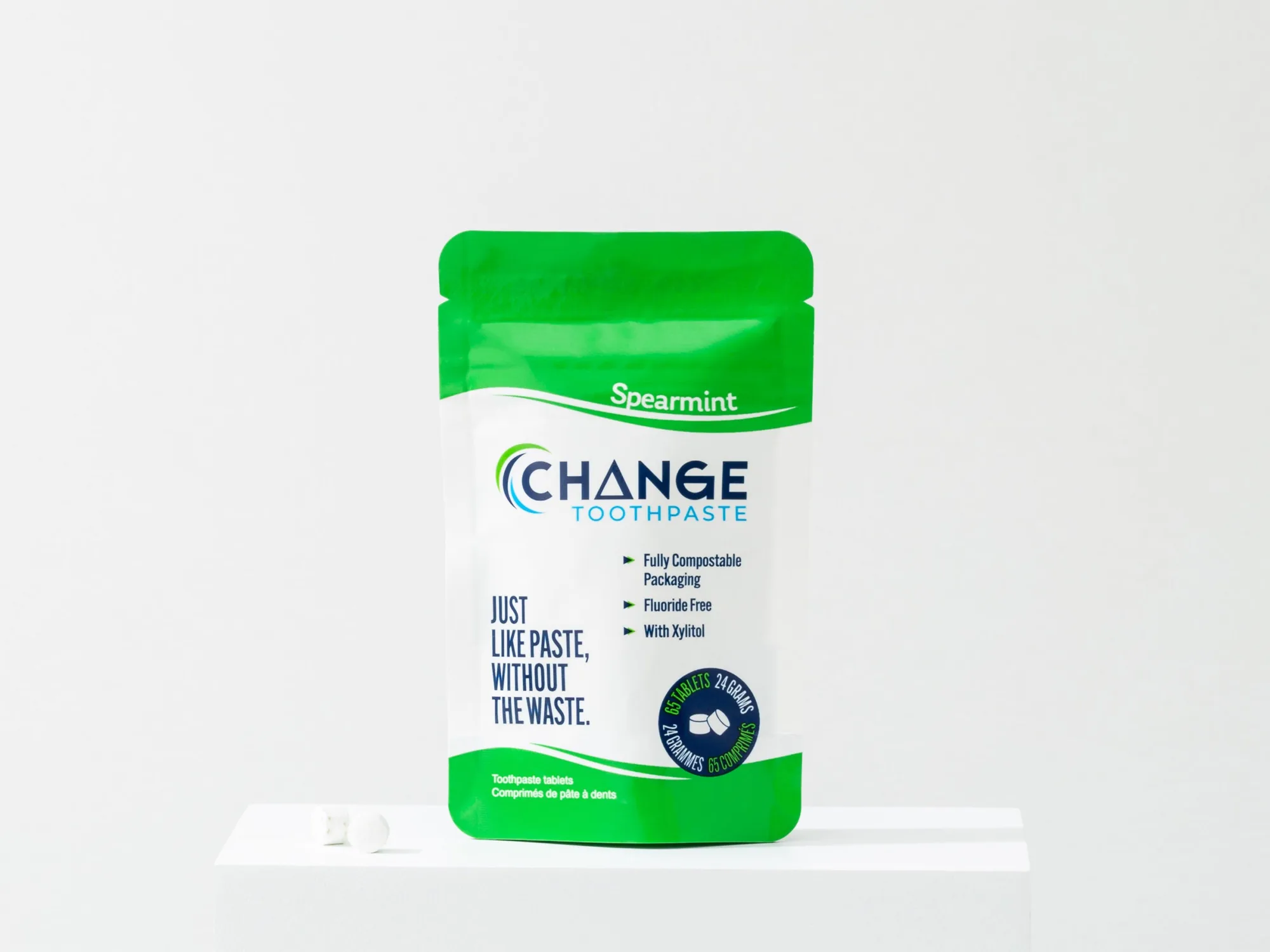
Toothpaste tablets are small, compressed tablets made from natural ingredients like baking soda, essential oils, and minerals. They are designed to be chewed into a paste, then brushed with a wet toothbrush. Each tablet is individually packaged or stored in a reusable glass jar, eliminating the need for plastic tubes. This makes them a popular choice for zero waste enthusiasts.
The tablets work by releasing active ingredients when chewed, creating a foamy paste that cleans teeth effectively. They often contain fluoride or nano-hydroxyapatite for cavity protection, depending on the brand. Because they are dry, they have a longer shelf life and are lighter to transport, reducing their carbon footprint.
Step-by-Step Instructions: How to Use Toothpaste Tablets
Using toothpaste tablets is simple, but following the right steps ensures you get the full benefit. Here's a detailed breakdown:
Start by popping one tablet into your mouth. Chew it thoroughly until it turns into a soft paste. This usually takes about 10-15 seconds. You'll notice a foamy texture as you chew—this is normal and indicates the tablet is activated. Then, wet your toothbrush and brush as you normally would, making sure to cover all surfaces of your teeth and gums. Spit out the excess foam, rinse your mouth with water, and you're done. No need to use extra toothpaste.
- Chew the tablet completely before brushing to ensure even distribution.
- Use a wet toothbrush to help create a smooth paste.
- Brush for at least two minutes, just like with regular toothpaste.
- Rinse thoroughly after brushing to remove any residue.
Common Mistakes to Avoid
One common mistake is swallowing the tablet before it's fully chewed. While the ingredients are generally safe to ingest in small amounts, it's best to spit out the foam after brushing. Another mistake is not chewing enough, which leaves granules that can be abrasive. Also, some people skip wetting their toothbrush, making the paste too thick. Always wet your brush first.
Another issue is using too many tablets. One tablet per brushing is sufficient. Using more can lead to excessive foaming and waste. Also, store your tablets in a dry place to prevent them from dissolving or sticking together.
Tips for Getting the Best Results
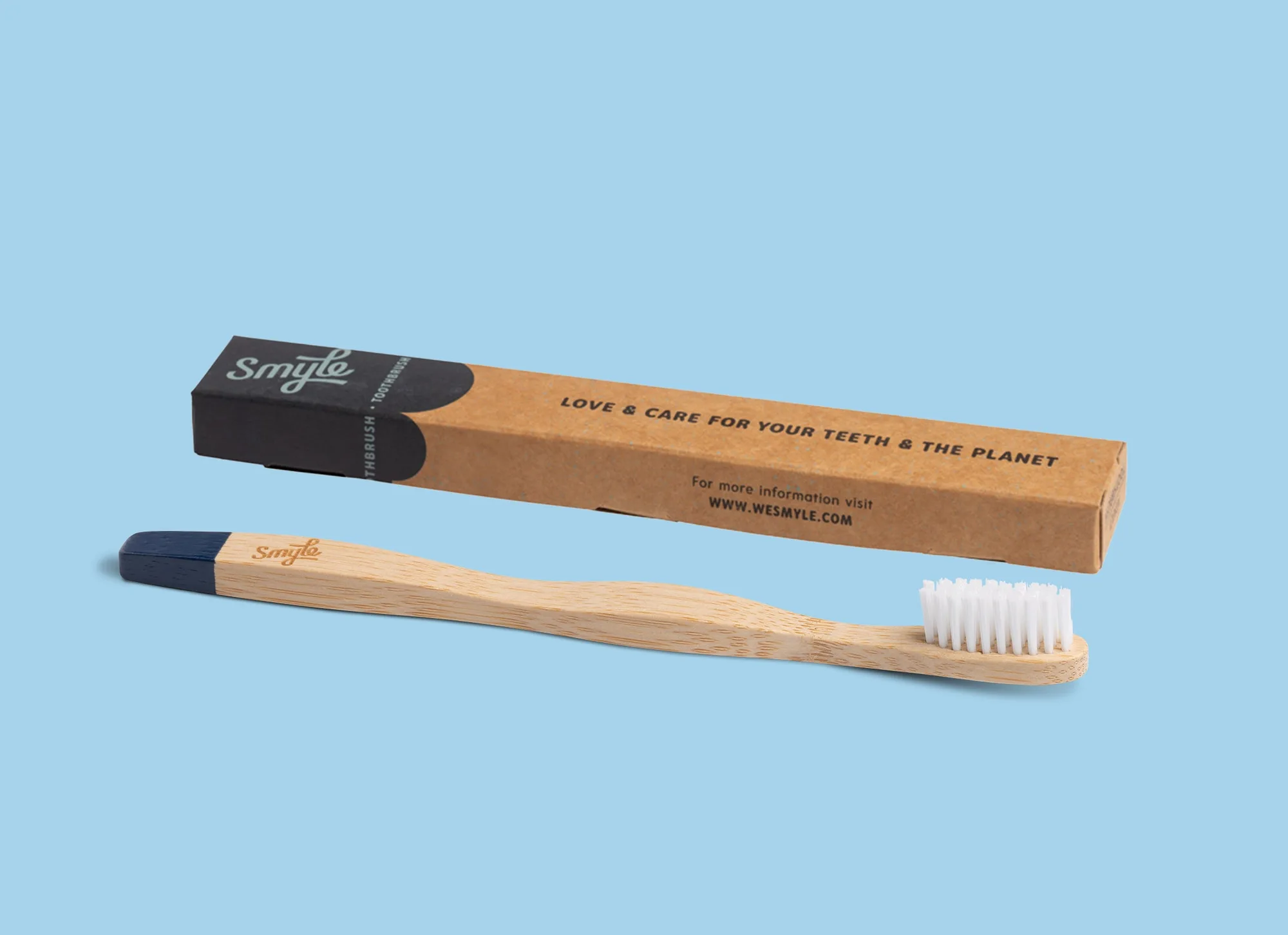
To maximize the effectiveness of toothpaste tablets, consider pairing them with a sustainable oral care routine. For instance, using a bamboo toothbrush and reusable floss can further reduce your environmental impact. Many brands offer tablets with different flavors or formulas, so experiment to find one that suits your taste and dental needs.
If you have sensitive teeth or gums, look for tablets with gentle ingredients like aloe vera or chamomile. Some tablets contain activated charcoal for whitening, but use them sparingly to avoid enamel wear. Always consult your dentist if you have specific concerns.
- Keep tablets in an airtight container to maintain freshness.
- Try different flavors to find one you enjoy.
- Pair with a bamboo toothbrush for a fully zero waste routine.
- Use a tongue scraper for complete oral hygiene.
Why Switch to Toothpaste Tablets?
The environmental impact of traditional toothpaste tubes is significant—billions end up in landfills each year. Toothpaste tablets come in plastic-free packaging, often in glass jars or compostable pouches. By switching, you reduce plastic waste and support a more sustainable personal care industry.
Additionally, tablets are travel-friendly. You can carry exactly the number you need without worrying about liquid restrictions. They're also great for camping or backpacking, as they're lightweight and spill-proof. Making the switch is a small change that contributes to a healthier planet.
Integrating Toothpaste Tablets into Your Zero Waste Routine
Toothpaste tablets are just one part of a zero waste oral care routine. You can also swap your plastic toothbrush for a bamboo one, use silk floss, and choose mouthwash tablets. Together, these changes significantly reduce your bathroom waste.
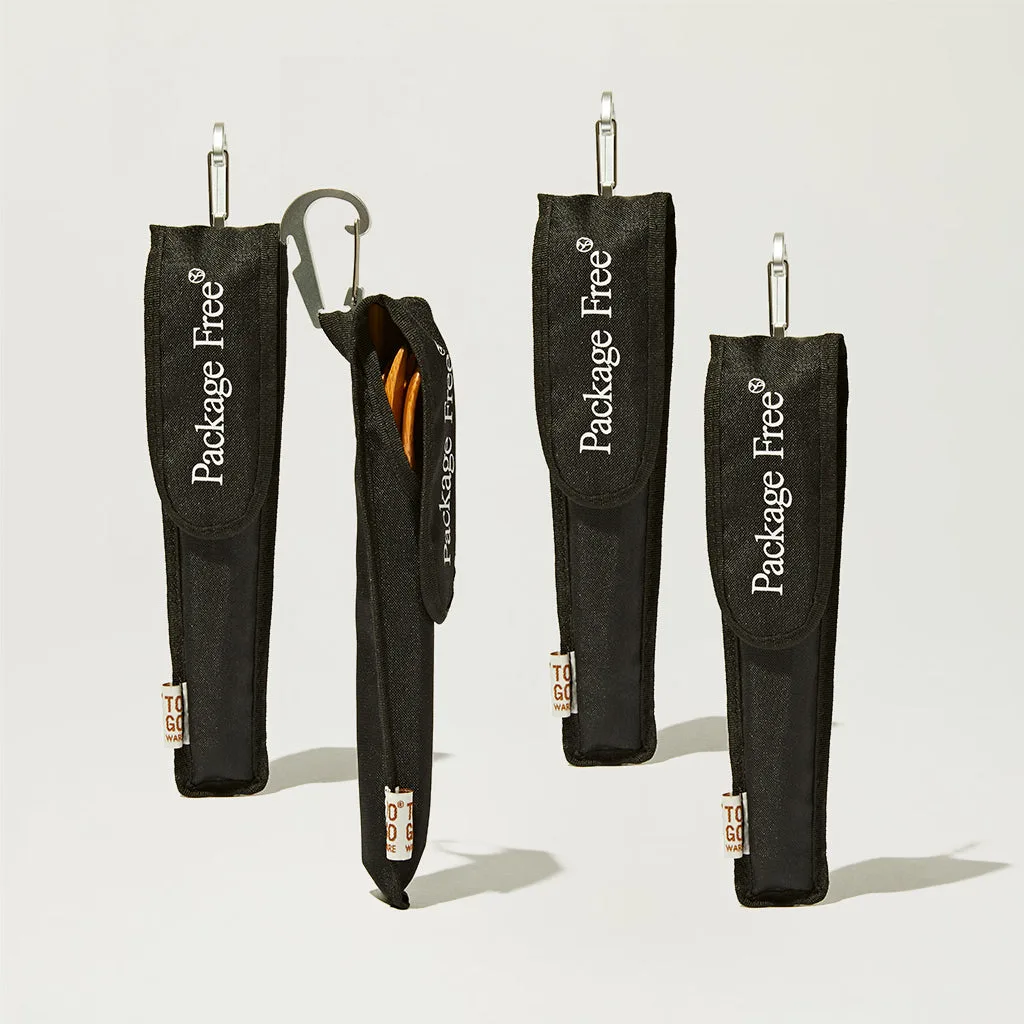
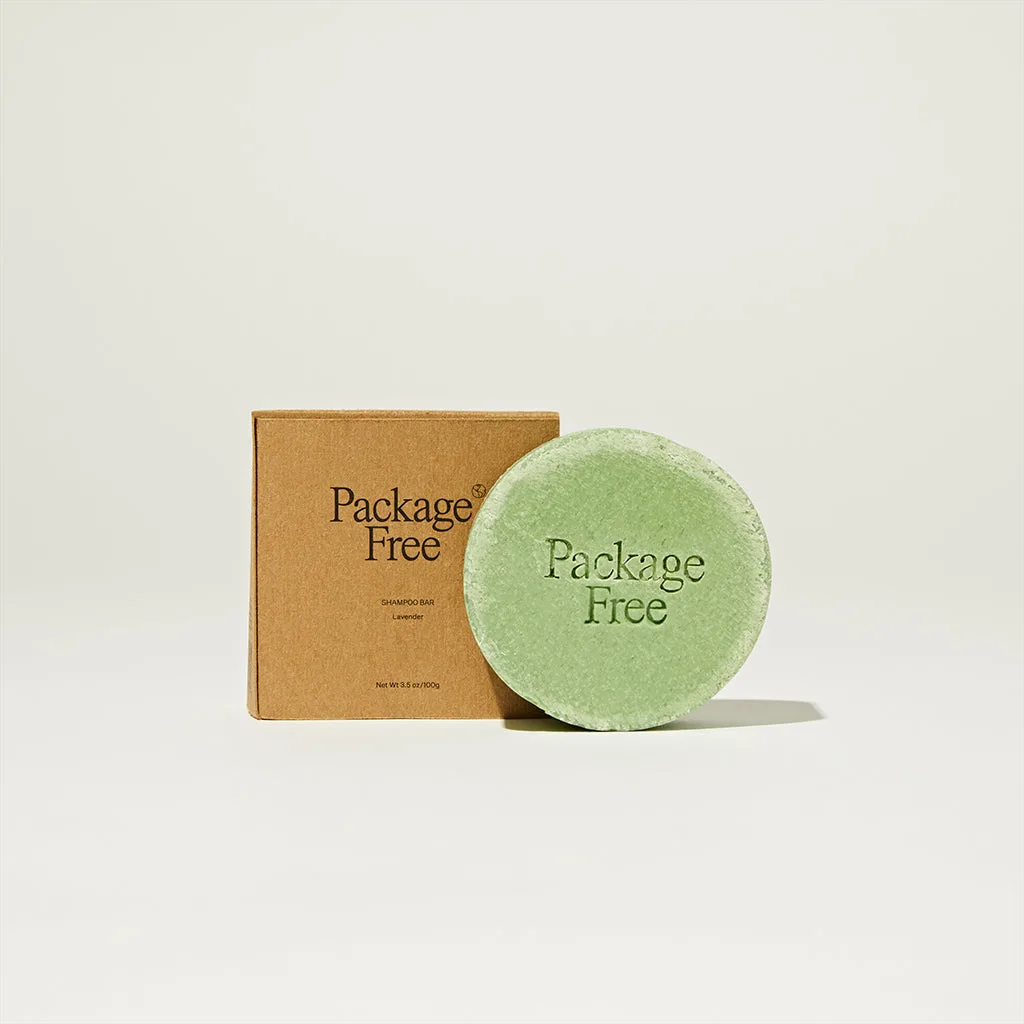
At Package Free Shop, we offer a range of eco-friendly oral care products that complement toothpaste tablets. For example, our Premium Reusable Bamboo Cutlery Set of 4 is perfect for on-the-go meals, but for oral care, consider our Package Free Sustainable Reusable Cotton Rounds for makeup removal, and our Package Free Shampoo Bar for a plastic-free shower. While these aren't directly related to toothpaste, they help create a holistic zero waste lifestyle.
Toothpaste tablets are an easy, effective, and eco-friendly alternative to traditional toothpaste. By following the simple steps outlined above, you can ensure you're using them correctly and getting the best results. Ready to make the switch? Explore our range of sustainable products, including the Package Free Sustainable Market Produce Bags, to continue your zero waste journey.