Quick answer
Trekking poles do not attach to a Helinox chair as a structural part. Instead, use them alongside the chair: plant them beside the frame to create a gear-hanging post, lean them against the chair as a stability check on soft ground, or use them as tarp and shade supports over your sitting area. Keep the chair on its own legs and treat poles as separate camp tools.
Trekking poles and a Helinox chair solve two different problems on the same trip: moving efficiently and sitting comfortably. They are not designed to click together, and forcing a connection risks bending a pole or stressing the chair frame. The better approach is to use them as a system around your camp.
This guide walks through a safe, practical setup for using trekking poles with your Helinox chair, from picking the right spot to hanging gear and pitching shade. Each step includes a checkpoint so you can catch problems before they become damage.
What trekking poles can and cannot do with a Helinox chair
Helinox chairs use a tensioned frame and a fabric seat, and they stand on their own four feet. There is no manufacturer attachment point for a trekking pole, and the catalog does not list one. That means poles should stay independent tools rather than load-bearing parts of the chair.
What poles can do is extend your camp setup. Planted firmly next to the chair, a pole becomes a hanger for a light bag or lantern. Two poles plus a tarp create shade over your seat. And on soft ground, a pole can act as a balance reference while you sit down or stand up.
The tradeoff is weight and complexity. If you are counting grams on a fast backpacking trip, carrying poles only for chair support is not worth it. Bring them because you hike with them, then repurpose them at camp.
- Never insert a trekking pole tip into the chair frame or seat fabric.
- Check your pole's own weight limit before hanging anything from it.
- Keep the chair on flat ground first, then add pole-based accessories.
Choose the right chair and pole combination
Your chair choice affects how much pole support makes sense. The Chair Zero is the lightest camping chair available anywhere, period, which makes it ideal for backpacking, kayaking, or bike touring where every ounce counts. A lighter chair also means less surface area for gear hanging, so keep pole-hung loads small.
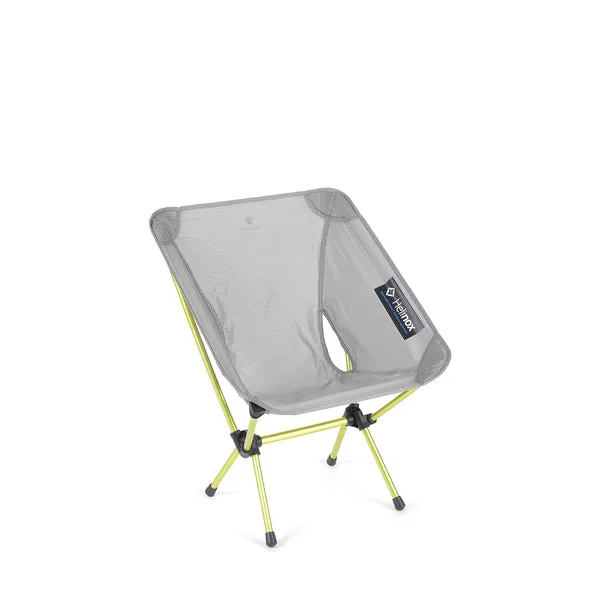
Chair Zero
If you want more room to spread out, the Chair Zero L offers increased weight capacity, upped stability, and a larger size while keeping the same ultralight, ultra-packable qualities. That extra stability is useful when you plant poles close to the chair on uneven ground.
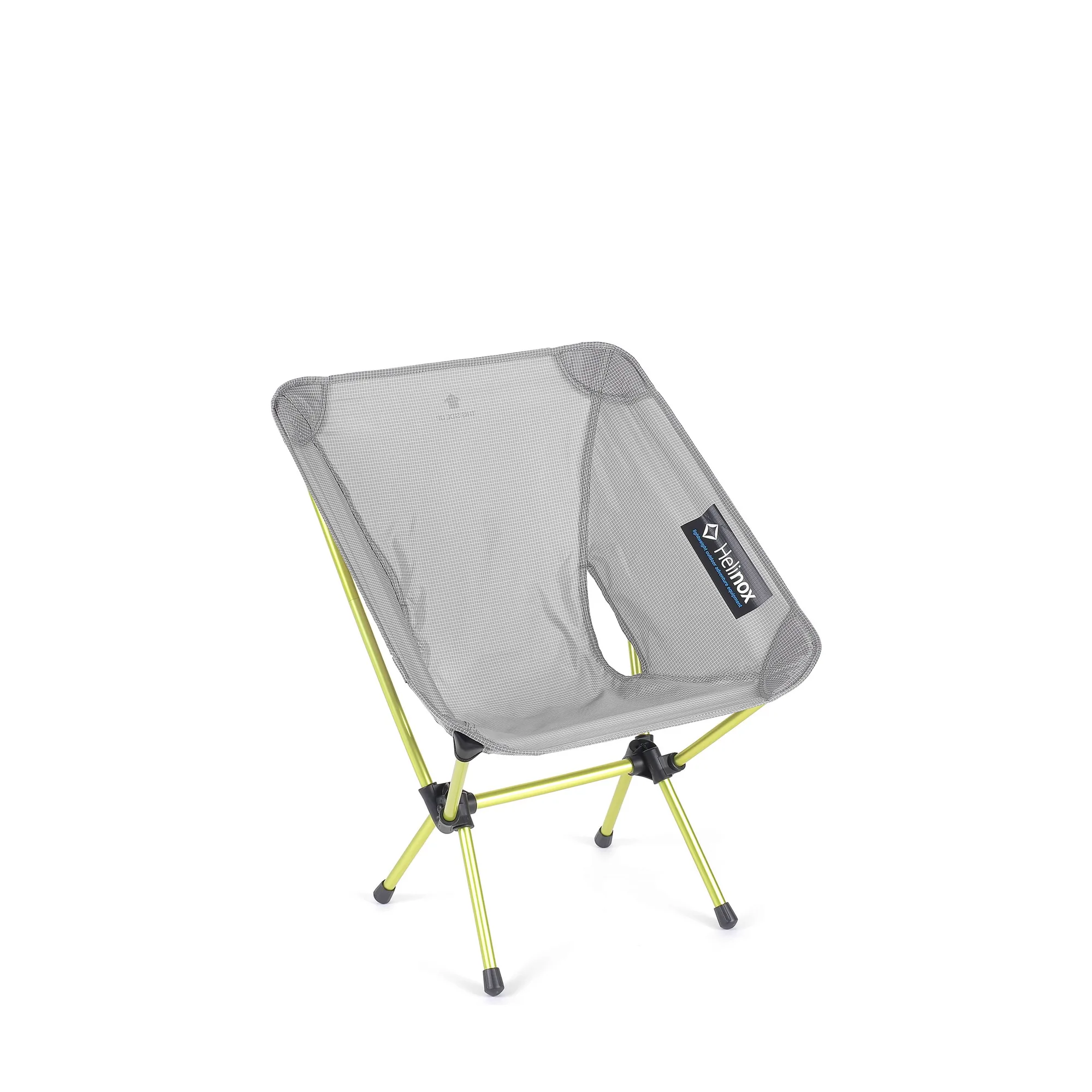
Chair Zero L
For taller backs and longer sits, the https://helinoxgx.com/products/chair-one-highback-re-c71f0ce16f859ce86a5f923b-1905900Chair One High-Back (re) adds extra shoulder and upper back support to the original Chair One design. A taller back pairs well with a pole-mounted tarp overhead because you are less likely to brush the fabric when you lean back.
- Match pole length to your seated height before pitching any tarp.
- Use rubber tips on hard ground to protect both pole tips and tent floors.
- If you share a chair, choose a model with a higher weight capacity.
Set up a pole-supported shade or gear post
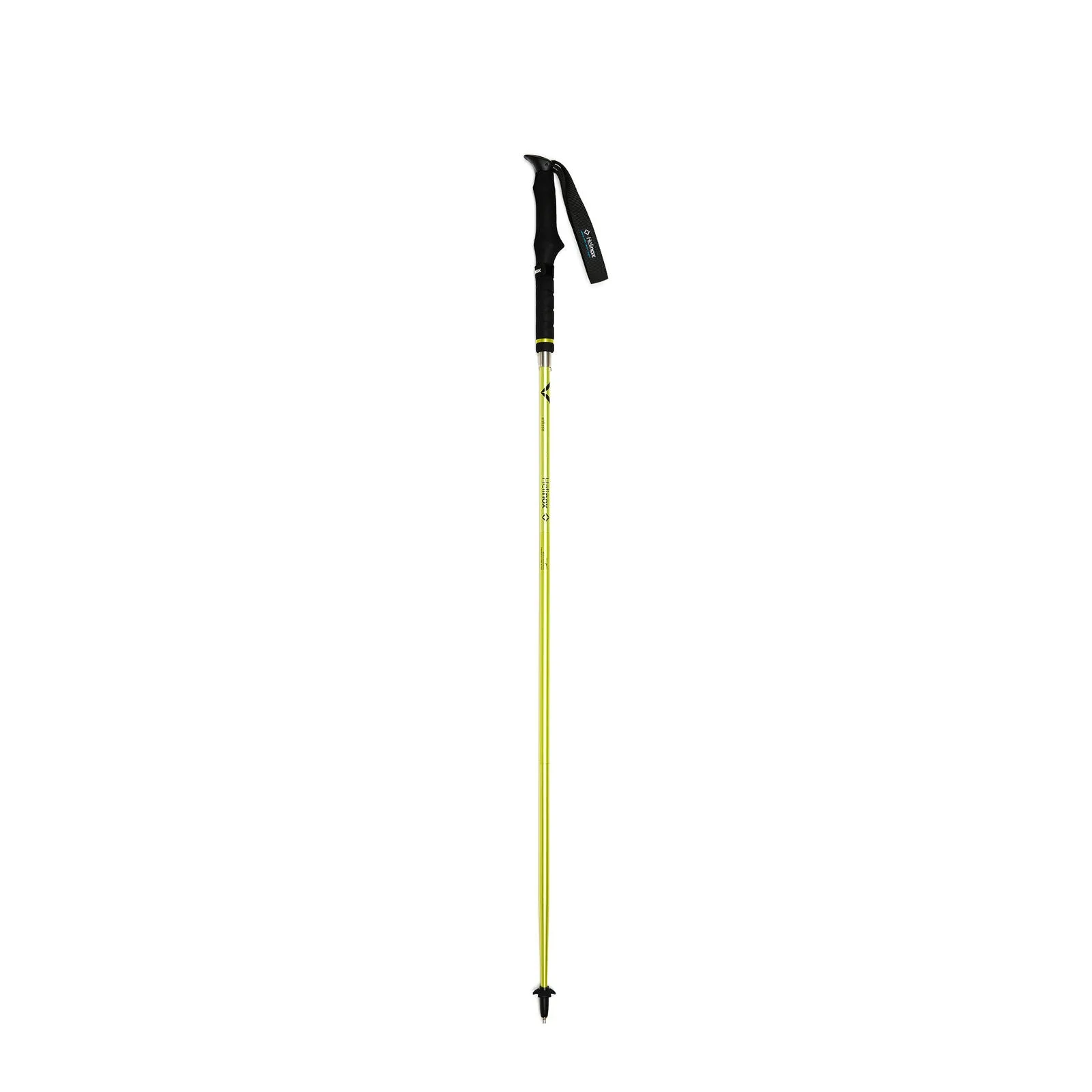
Start by positioning the chair where you actually want to sit, then place poles around it. For a simple gear post, extend one pole to roughly chest height when seated, plant the tip firmly, and hang only lightweight items from the grip. A stuff sack or headlamp is fine; a full water bladder is not.
For shade, set two poles at the front corners of your sitting area and run a tarp or shade cloth between them and a tree or second pair of poles. Keep the tarp high enough that you can stand up without hitting it, and angle it toward the afternoon sun.
The checkpoint here is tension. If the poles are bowing visibly, the tarp is too tight or the angle is wrong. Loosen the guy lines and reset the pole tips rather than forcing them deeper.
- Plant pole tips at a slight outward angle for better holding power.
- Recheck pole tension after the first hour as ground softens or fabric settles.
- Never use the chair itself as an anchor point for a taut tarp line.
Step-by-step: trekking poles with your Helinox chair
- Pick a flat, clear spot for the chair: Set up your Helinox chair on level ground with no roots or rocks under the feet. Walk a full circle around it to confirm you have room to plant poles on at least two sides. Checkpoint: if the chair wobbles before you add poles, move it. Poles will not fix an unstable chair position.
- Adjust your poles to camp length: Extend each pole to the length you need for a gear post or tarp support, then lock the sections firmly. For a gear post, chest height while seated is usually enough. For a tarp, measure so the fabric clears your head when you stand. Common mistake: leaving poles at hiking length and then forcing the tarp lower than is comfortable.
- Plant pole tips beside the chair, not through it: Push each tip into the ground at a slight outward angle, about an arm's length from the chair frame. Do not thread poles through the frame, seat, or carry bag loops. Checkpoint: the pole should stand on its own with a gentle nudge. If it falls over, reset the angle or move to softer ground.
- Add only light gear to a pole-hung load: Hang a stuff sack, headlamp, or small pouch from the grip. Keep heavy items like full water bottles or cook kits on the ground or on a table. Common mistake: overloading a pole until it bows. If the shaft bends, remove weight immediately.
- Pitch shade or a tarp using two poles: Set two poles at the front corners of your sitting area and run a tarp or shade cloth between them and a fixed anchor such as a tree. Angle the fabric toward the sun and keep the low edge above head height when seated. Checkpoint: after 30 minutes, retension guy lines. Ground softens and fabric stretches, so a setup that looked tight may sag.
- Sit, test, and adjust before you relax: Sit in the chair, lean back, and check that no pole or guy line touches your back or shoulders. Confirm the chair feet are still flat and the poles are still upright. If anything touches you when you lean back, move the pole, not the chair. The chair should stay on its own four feet.
Helinox gear that pairs well with this setup
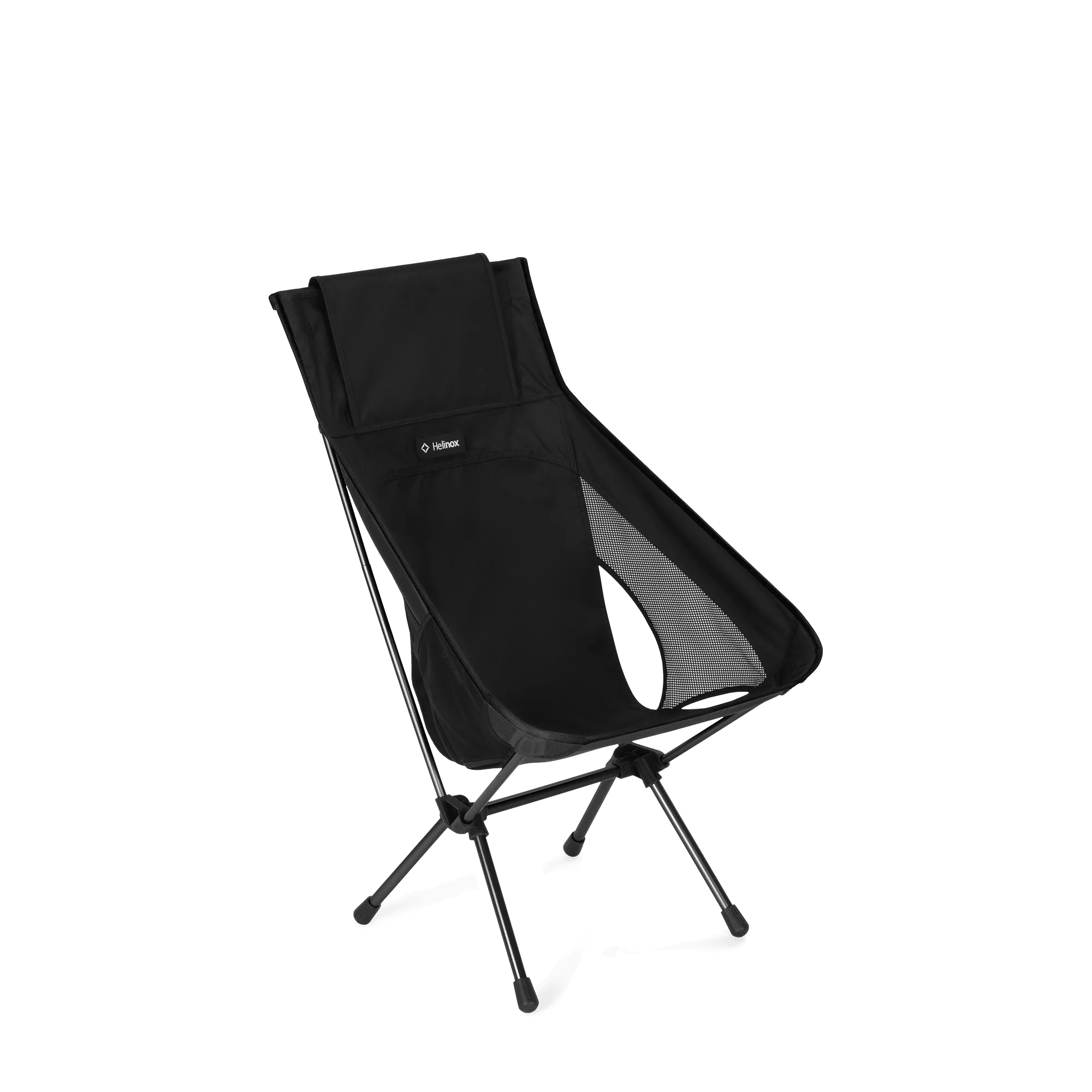
- Chair Zero: The Chair Zero is the lightest camping chair available anywhere, period. The award-winning design delivers outstanding strength, comfort, and support when the weight of your pack is everything, making it the ultimate backpacking, kayaking, or bike touring essential. If you already carry trekking poles for hiking, this is the chair that keeps your total pack weight low while still giving you a real seat at camp.
- Chair Zero L: The Chair Zero L has an increased weight capacity as well as upped stability and size. With the same ultralight, ultra-packable, and ultra-strong qualities of the original Chair Zero, it's a backpacking, kayaking, and bike touring must-have. The larger footprint and added stability make it easier to plant poles close to the chair without feeling cramped, which helps when you build a shade setup around your seat.
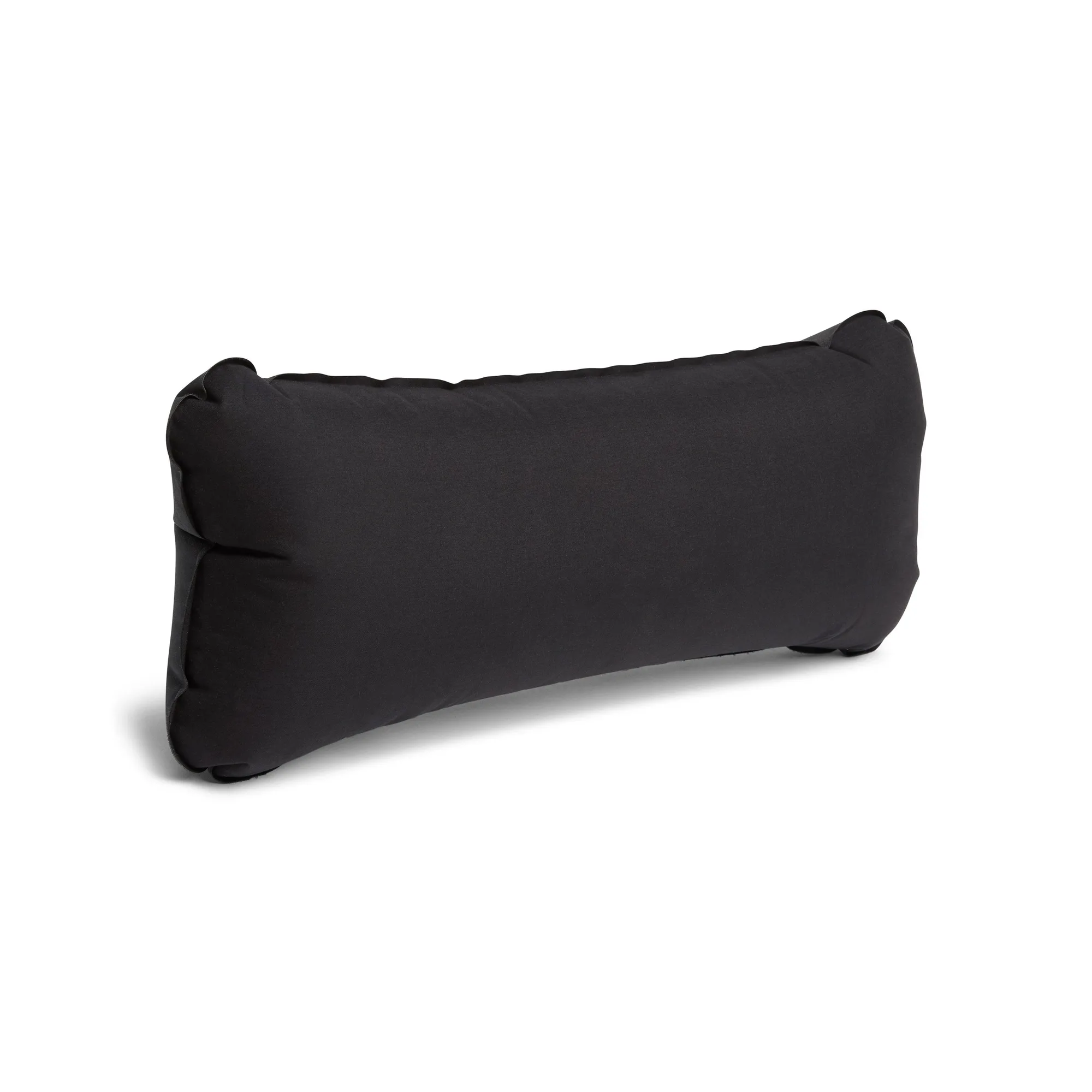
- Air + Foam Headrest: Up your relaxation game by adding a foam-reinforced inflatable pillow to your Helinox chair. Compatible with the Chair Two, Sunset Chair, Beach Chair, or Savanna Chair for ultimate support and the perfect comfort add-on. If you plan long sits under a pole-supported tarp, a headrest turns the chair into a proper lounging spot. Check compatibility with your specific chair model before buying.
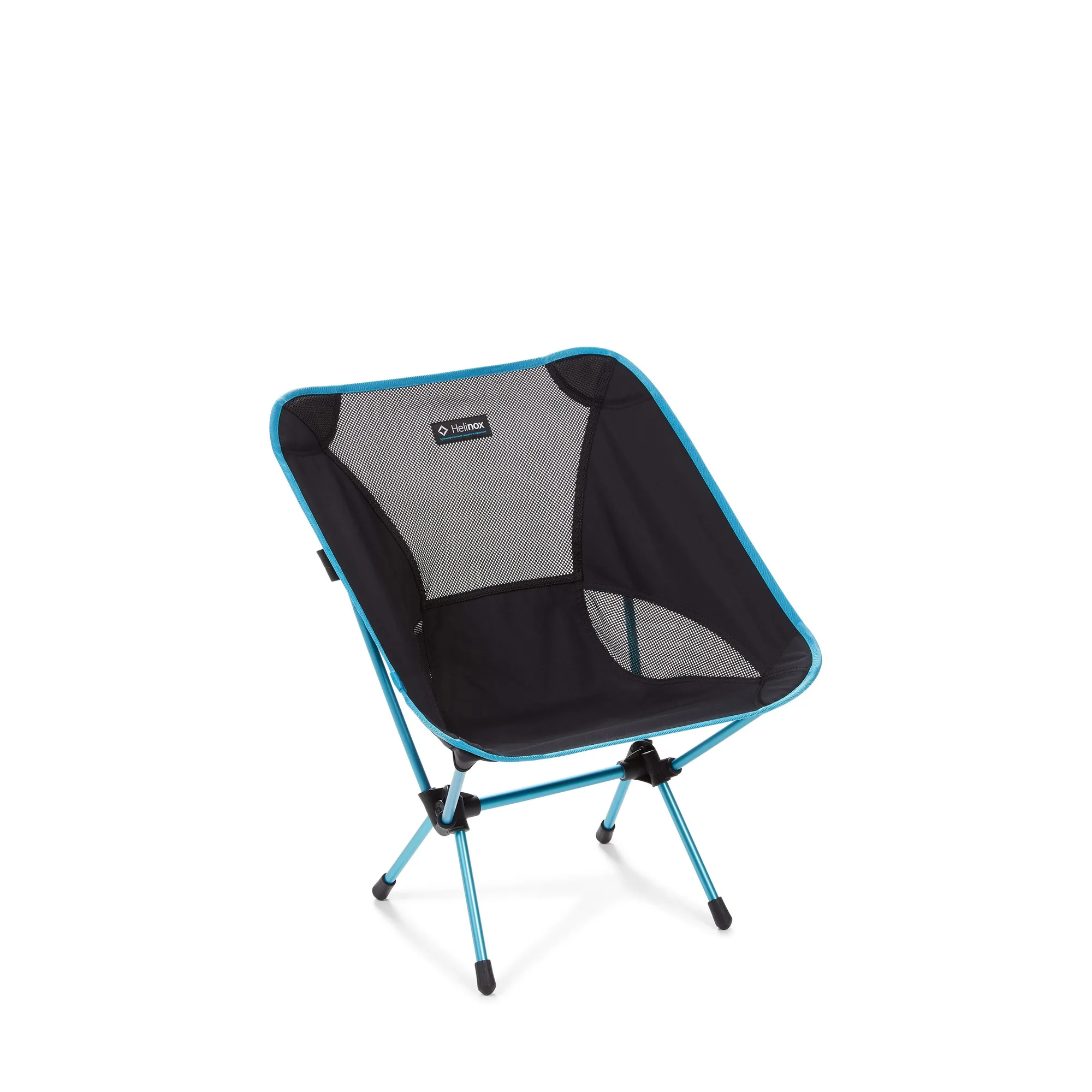
- Chair One High-Back (re): The original Chair One, reimagined with a high back. All the packability you know, now with extra shoulder and upper back support. Your go-to for camping, festivals, backpacking, and every long sit in between. The taller back gives you more upper-body support during long camp evenings, and it keeps your shoulders clear of low tarp lines when poles are set close.
Trekking poles and a Helinox chair work best as neighbors, not as one unit. Plant poles beside your seat for gear hanging, shade, and balance support, keep loads light, and leave the chair frame untouched. Choose a chair like the Chair Zero, Chair Zero L, or Chair One High-Back (re) based on how much weight and support you need, then let your poles do the camp jobs they were built for.