Quick Answer
To use a tuning fork for pain relief, activate it by striking it gently, then place the base on or near the painful area, allowing the vibration to penetrate. Move the fork slowly along the area or over acupressure points for 30-60 seconds, repeating as needed. Always start with a lower frequency and consult a professional if you have medical conditions.
Tuning forks have been used for centuries in sound healing and are gaining popularity as a non-invasive tool for pain management. By applying specific frequencies to the body, they can help reduce tension, improve circulation, and promote relaxation. This guide walks you through the essential steps to use tuning forks effectively for pain relief, whether you're a practitioner or a beginner.
Before you begin, understand that tuning forks work best as a complementary therapy. They are not a substitute for professional medical treatment. Always consult your healthcare provider if you have chronic pain, inflammation, or a medical condition. With that in mind, let's explore the practical techniques.
Understanding Tuning Forks and Frequencies
Tuning forks produce a pure tone when struck, and the frequency determines the therapeutic effect. For pain relief, lower frequencies like 128 Hz and 136.1 Hz are commonly used to reduce inflammation and promote deep relaxation. Higher frequencies, such as 528 Hz, are associated with healing and cellular repair, but they may be less effective for acute pain.
When selecting a tuning fork, consider the material and weight. Weighted forks provide a stronger vibration, making them ideal for stimulating muscles and deeper tissues. Unweighted forks are lighter and better for subtle energy work. Always choose a fork that feels comfortable to hold and produces a clear, sustained tone.
- Start with a 128 Hz or 136.1 Hz fork for pain relief.
- Use weighted forks for physical pain, unweighted for energy work.
Preparing for a Tuning Fork Session
Create a calm environment where you won't be disturbed. Sit or lie down in a comfortable position, and ensure the area you're treating is exposed. Clean the tuning fork with alcohol before each use to maintain hygiene. Have a soft mallet or your hand ready to activate the fork.
Set an intention for the session. Whether you're targeting a specific pain point or aiming for overall relaxation, focus helps enhance the therapeutic effect. Keep a timer or your phone nearby to track the duration of each application.
- Use a quiet room to enhance focus and relaxation.
- Sanitize the tuning fork before each use.
Step-by-Step Application Techniques
The basic technique involves activating the fork and placing it on or near the painful area. For localized pain, such as a sore muscle or joint, strike the fork and gently place the base on the skin. Hold it there for 30-60 seconds, allowing the vibrations to penetrate. You can also glide the fork slowly along the area to cover a larger region.
For acupressure points, use the fork's tip to tap or press specific points along meridians. This combines the benefits of acupressure with sound vibration. Move systematically, spending about 15 seconds per point. Always apply gentle pressure; the fork's weight provides enough force.
- For trigger points, hold the fork on the point for up to 2 minutes.
- Avoid bony areas and the eyes.
Common Mistakes to Avoid
One common mistake is striking the fork too hard, which can produce a harsh sound and reduce the duration of vibration. Instead, strike gently with a soft mallet or your hand. Another error is holding the fork by its prongs, which dampens the vibration. Always hold it by the stem.
Avoid applying the fork directly to open wounds, inflamed skin, or areas with reduced sensation. If you have a pacemaker or are pregnant, consult your doctor before using tuning forks. Also, don't overdo it; limit sessions to 10-15 minutes to prevent overstimulation.
- Strike gently to get a clear, sustained tone.
- Hold the fork by the stem, not the prongs.
Step-by-Step Guide to Using a Tuning Fork for Pain Relief
- Choose the Right Tuning Fork: Select a tuning fork with a frequency suited for pain relief, such as 128 Hz or 136.1 Hz. Weighted forks are best for physical pain. Ensure the fork is clean and in good condition. Checkpoint: Verify the fork's frequency and weight before starting.
- Activate the Fork: Hold the fork by its stem and strike it gently against a soft mallet or your knee. Aim for a clear, sustained tone. Avoid striking on hard surfaces to prevent damage. Mistake to avoid: Striking too hard can produce a harsh sound and shorten vibration.
- Apply to the Painful Area: Place the base of the fork directly on the skin over the painful area. Hold for 30-60 seconds, allowing vibrations to penetrate. You can also glide the fork slowly along the area. Checkpoint: If pain increases, stop and reassess the technique.
- Use on Acupressure Points: For broader relief, use the fork's tip to tap or press acupressure points along meridians. Spend about 15 seconds per point, moving systematically. Mistake to avoid: Pressing too hard can cause bruising; use gentle pressure.
- Finish and Clean Up: After the session, rest for a few minutes and hydrate. Clean the tuning fork with alcohol and store it in a protective case. Checkpoint: Note any changes in pain levels to track progress over time.
Tuning Forks and Related Products
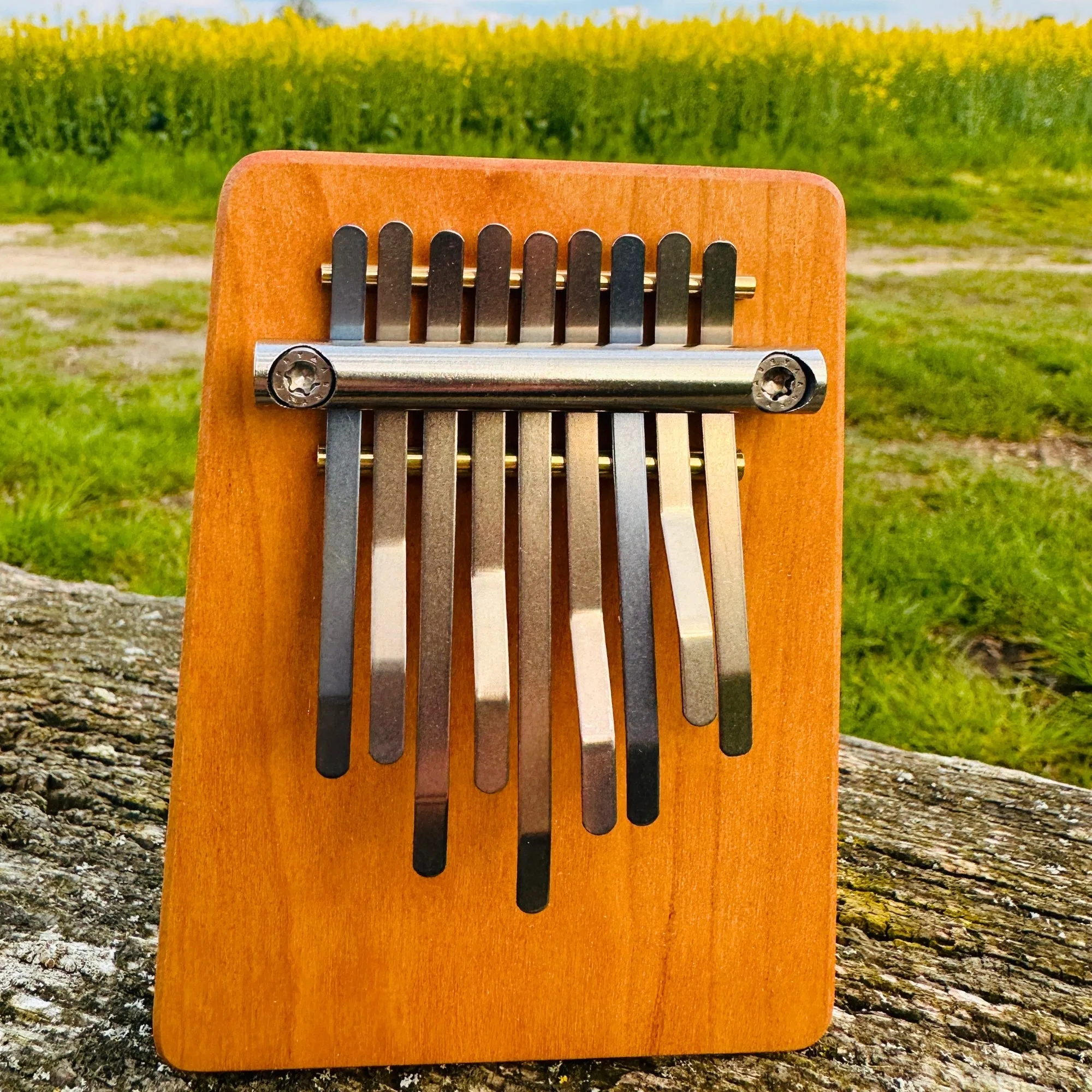
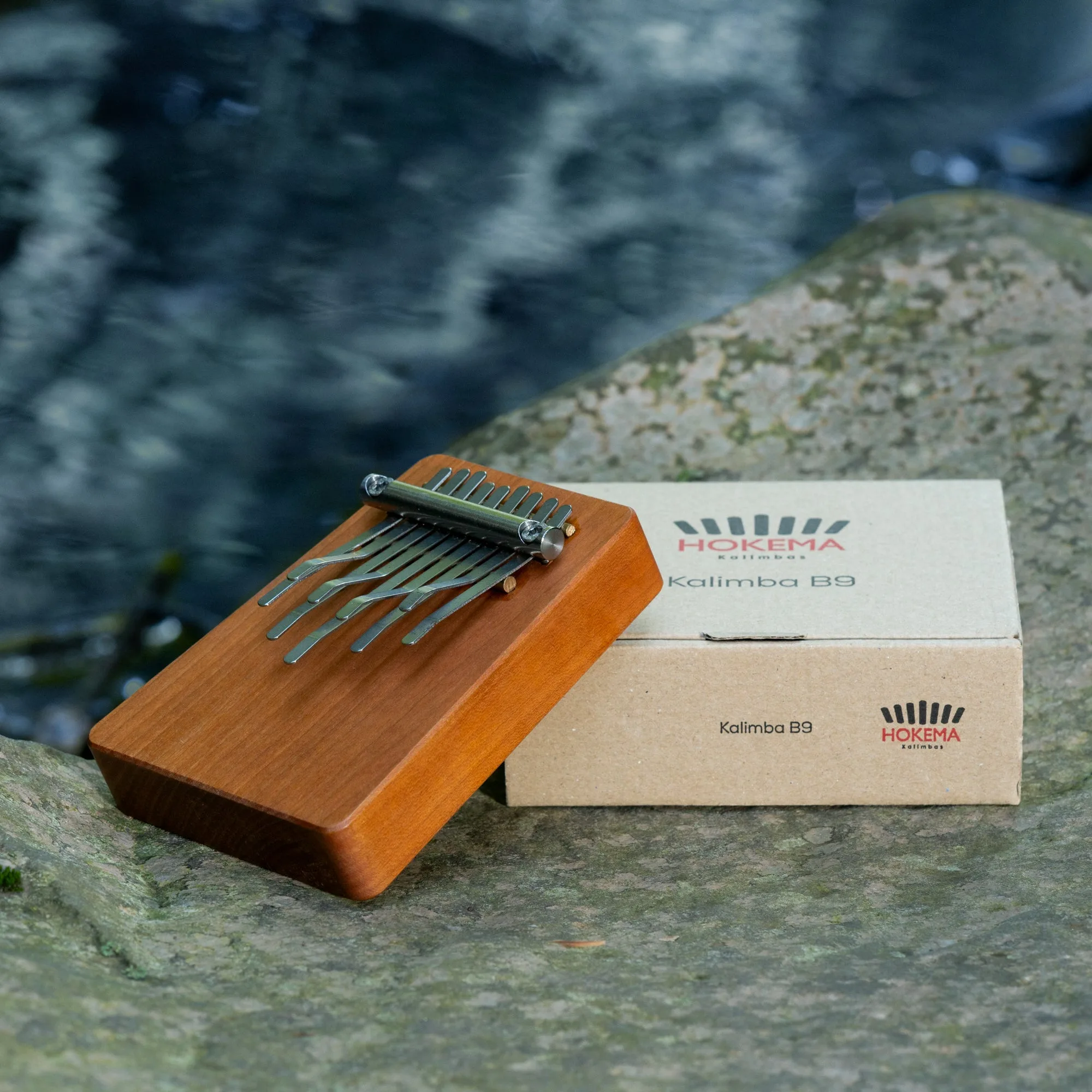
- https://spabodyworkmarketex.com/products/hokema-b9-kalimba-4-different-elemental-soundscape-tuni-03e7be98179d9c1559ca2ea5-795549HOKEMA B9 KALIMBA - 4 different Elemental Soundscape Tuning: The B9 Kalimba can be tuned to different elemental soundscapes, such as Aqua (Water) with a specific note sequence, allowing you to match the tuning to your desired therapeutic effect. While not a traditional tuning fork, this kalimba offers a portable way to incorporate sound healing into your routine. Its tunings correspond to natural elements, which can be used for meditation or to complement your pain relief sessions.
- 3.0i Cold Therapy Massage Tool - Acuforce: The AcuForce 3.0i features a large ice surface for long-lasting cold therapy, reducing inflammation and muscle pain. It weighs 3 lbs., applying its own pressure to minimize strain on the therapist's hands. Cold therapy is another effective method for pain relief. This tool can be used alternately with tuning forks to reduce inflammation, especially after an acute injury. Its ergonomic design makes it easy to handle during self-treatment.
Using a tuning fork for pain relief is a simple, drug-free technique that you can incorporate into your daily routine. By following these steps and avoiding common mistakes, you can effectively manage pain and promote relaxation. For best results, combine tuning fork therapy with other holistic practices like massage or cold therapy. Always listen to your body and consult a professional if you have any concerns.