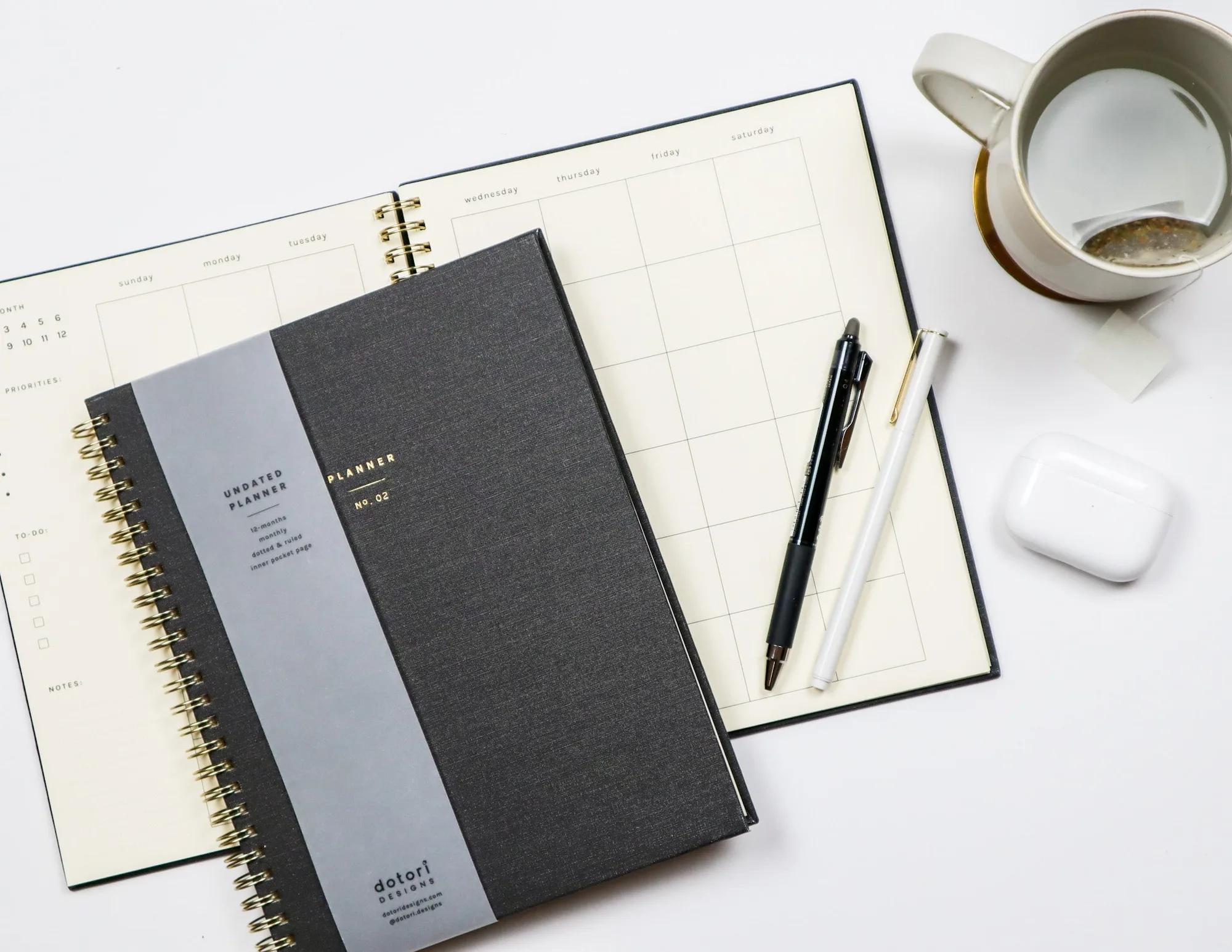
Quick Start
Use dotori designs' Undated Monthly Planner to map out three core goals each month and attach a habit‑tracking grid to each spread. Begin by choosing a theme, then fill in actionable steps for each week. Review and adjust at month’s end to keep momentum.
An undated planner gives you the flexibility to start any month, making it perfect for a personalized goal‑setting guide. By treating each spread as a mini‑project board, you can align daily actions with larger ambitions without being locked into a calendar year.
This how‑to guide walks you through a clear, step‑by‑step process that avoids common mistakes like overloading your list or forgetting to track progress. Follow the steps, use a few simple accessories, and watch your productivity rise.
Why Choose an Undated Planner for Goals?
Because it isn’t tied to a specific start date, you can begin your planning cycle whenever inspiration strikes. The flexible layout lets you adjust the pacing of your goals, pause for holidays, or repeat successful habits without wasting pages.
The planner’s high‑quality 100 gsm paper prevents ink bleed, which is essential when you’re using pens, markers, or stickers to highlight achievements. Its sturdy inner pocket also provides a safe spot for ticket stubs or small mementos that reinforce your motivation.
- Tip: Limit each month to three main goals to stay focused.
Integrating Stickers for Habit Tracking
Stickers add a visual cue that makes habit tracking fun and instantly recognizable. The Mood Sticker Sheet, printed on writable washi paper, can be placed on daily boxes to note energy levels or mood, helping you spot patterns over time.
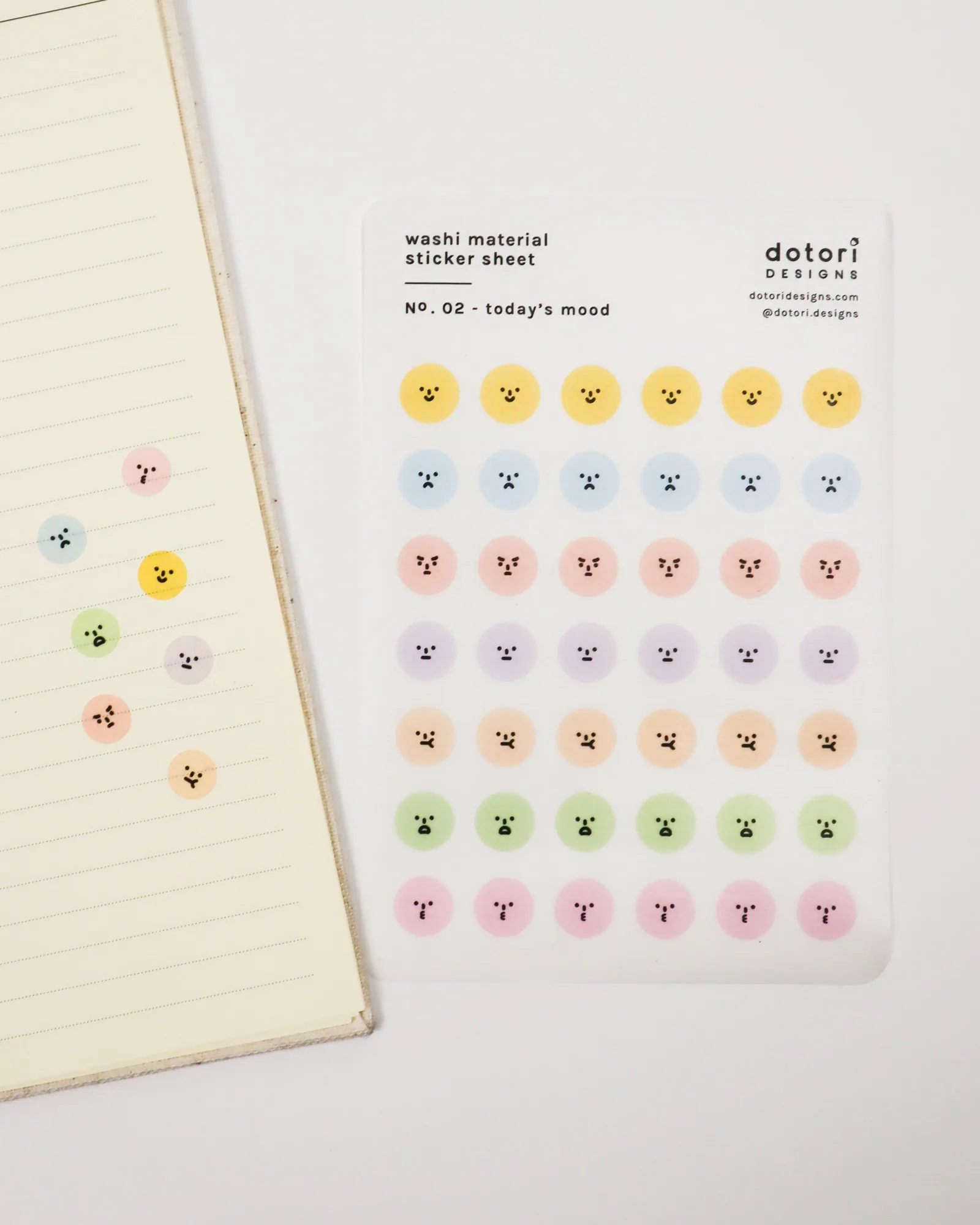
Mood Sticker Sheet
Because the stickers are repositionable, you can move them if a habit slips, keeping the planner tidy while still reflecting reality. Pair them with the planner’s dotted monthly grids for a clear, color‑coded habit log.
- Tip: Use one color per habit to avoid confusion.
Step‑by‑Step Planner Process
- 1. Define Your Monthly Theme: Choose a unifying focus (e.g., health, creativity, finance) and write three specific goals that support it. Common mistake: setting more than three goals; limit to three to keep effort manageable.
- 2. Populate the Planner Pages: Fill each monthly spread with weekly milestones, then break those into daily actions. Use the dotted sheets for brainstorming and the ruled sheets for task lists. Checkpoint: Ensure no day is left blank; even a small action keeps momentum.
- 3. Add Habit Trackers with Stickers: Place Mood stickers on daily boxes to record habits or mood; use a consistent color code for each habit. Mistake to avoid: ignoring consistency; review your stickers weekly to adjust habits as needed.
Products That Enhance Your Planner Routine
- Undated Monthly Planner in Charcoal: Size: 7x9 inches; 30 pages including 1 yearly view, 12 monthly spreads, 2 dotted sheets per month, 8 ruled sheets; 100 gsm paper prevents bleeding; sturdy inner pocket for keepsakes. The compact size fits bags, while the thick paper lets you write with any pen without smudging, and the pocket stores motivational mementos.
- Mood Sticker Sheet: Printed on 6 × 4 inches washi paper; writable and easily repositionable while retaining stickiness. Allows you to label each day’s mood or energy level directly in the planner, and you can move stickers without damaging pages.
By treating your undated monthly planner as a living goal‑setting board and pairing it with simple sticker cues, you create a flexible, visual system that drives habit formation and keeps you accountable month after month.