A utility knife stand is more than just a stylish desk accessory—it's a tool that can transform how you handle cutting tasks while keeping your workspace safe and organized. Whether you're opening packages, trimming paper, or working on craft projects, having a designated spot for your blade reduces clutter and minimizes accidents. In this guide, we'll walk you through the best practices for using a utility knife stand safely on your desk, from proper storage to cutting techniques.
Many people overlook the importance of safe knife storage, especially in a home office or creative studio. A quality utility knife stand not only protects your blade but also prevents it from rolling off the desk or causing injury. By integrating a few simple habits, you can make your cutting tool desk setup both efficient and secure.
Why a Utility Knife Stand Matters for Desk Safety
A utility knife stand serves as a dedicated home for your blade, keeping it upright and within easy reach. Without a stand, a loose knife can slide under papers, get buried in clutter, or accidentally cut you when you reach for it. The stand's weighted base and angled slot hold the knife securely, reducing the risk of contact with the sharp edge. This is especially important on a busy desk where you might be juggling multiple tasks.
Beyond safety, a stand helps extend the life of your knife. By preventing the blade from knocking against other objects, you avoid dulling the edge prematurely. For those who use a utility knife daily—whether for opening boxes, cutting cardboard, or trimming photos—a stand is an essential part of desk knife safety. It also adds a touch of minimalism to your workspace, complementing other desk accessories like a Black Dual Scissors and Stand for a cohesive look.
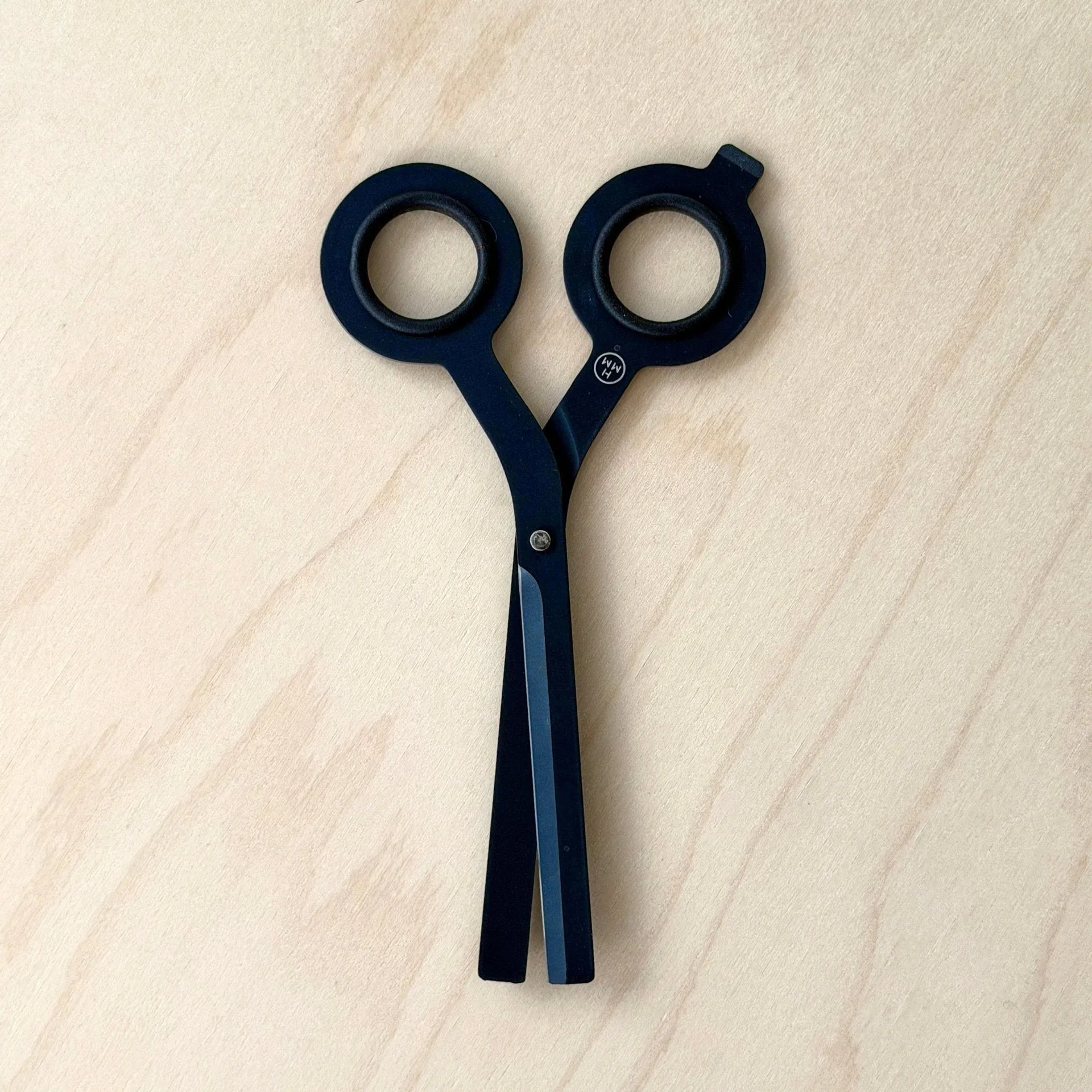
Black Dual Scissors and Stand
- Prevents accidental cuts by keeping the blade upright and stable.
- Reduces desk clutter by giving the knife a permanent, visible spot.
- Protects the blade from dulling due to contact with other tools.
Setting Up Your Utility Knife Stand Correctly
Before you start using your utility knife stand, ensure it's placed on a flat, stable surface away from the edge of your desk. A stand made from solid materials like walnut or metal provides better balance. If your stand has a non-slip base, press it down firmly to activate the grip. For added stability, position it near your dominant hand so you can access the knife without stretching across your workspace.
Insert the knife into the stand with the blade facing away from you and the handle pointing upward. Some stands have a specific slot orientation—check the design to ensure the knife sits snugly. If you're using a retractable utility knife, retract the blade completely before storing it in the stand. This extra step prevents accidental exposure when you grab the knife quickly. Pair your stand with a Color-edged Pads: Glossy Black, 3 sizes for a coordinated desk setup that keeps cutting tools and paper organized.
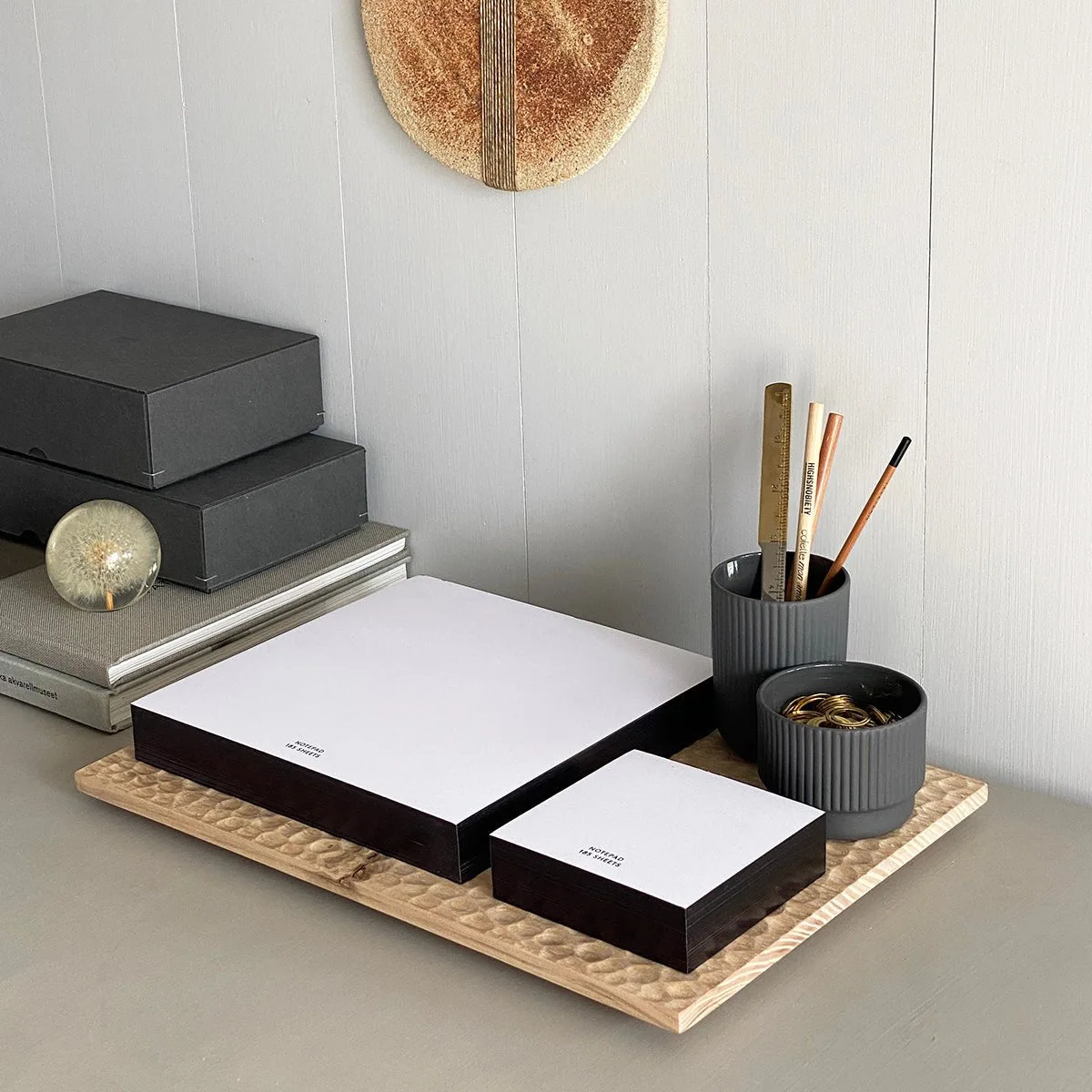
Color-edged Pads: Glossy Black, 3 sizes
- Place the stand on a non-slip mat or directly on a clean, dry desk surface.
- Always store the knife with the blade retracted or covered when not in use.
- Test the fit: the knife should not wobble or tilt in the stand.
Safe Cutting Techniques with a Utility Knife on Your Desk
When you need to cut something, remove the knife from the stand with a firm grip on the handle. Extend the blade only as far as needed for the task—overextending increases the risk of breakage or injury. Use a cutting mat or a piece of cardboard underneath your material to protect your desk surface. Always cut away from your body, and keep your free hand clear of the blade's path.
For consistent, safe cuts, hold the knife at a 30- to 45-degree angle and apply steady pressure. Avoid forcing the blade through thick materials; instead, make multiple passes. After cutting, retract the blade fully before returning the knife to the stand. This habit is crucial for desk knife safety, especially if you share your workspace with others. A well-maintained stand, like the one paired with a Japanese Numeral Washi Tape: Blue, can become a reliable part of your daily creative routine.
- Always cut on a protective surface to avoid damaging your desk.
- Retract the blade immediately after each use.
- Use a fresh blade for precision tasks to reduce effort and risk.
Maintaining Your Utility Knife and Stand for Long-Term Safety
Regular maintenance ensures your utility knife stand remains effective and safe. Wipe the stand with a dry cloth to remove dust or adhesive residue, which can affect grip. If the stand is made of wood, apply a light coat of mineral oil every few months to prevent cracking. For metal stands, check for rust and clean with a mild solvent if needed.
Replace blades frequently—a dull blade requires more force and is more likely to slip. Store spare blades in a labeled container away from the stand to avoid mix-ups. Also, inspect the knife's locking mechanism periodically to ensure it holds the blade securely. A well-cared-for knife stand, combined with tools like a Penco Flip-style Alarm Clock, helps maintain a safe, efficient desk environment.
- Clean the stand weekly to prevent buildup of debris.
- Replace blades after every 10–15 cuts or when you feel resistance.
- Store the knife stand in a dry area to avoid moisture damage.
Using a utility knife stand safely on your desk is a simple habit that pays off in injury prevention and workspace organization. By choosing a quality stand, practicing proper cutting techniques, and maintaining both knife and stand, you can enjoy a clutter-free desk with peace of mind. Explore our selection of desk tools, including the Black Dual Scissors and Stand, to build a safer, more stylish workspace today.