Quick answer
A weight plate stacker keeps barbell plates tidy and accessible. Use this guide to set up your stacker for efficient home gym organization.
Why a weight plate stacker helps your home gym
Barbell plates scattered on the floor take up space and create tripping hazards. A dedicated stacker keeps plates upright, making it easier to grab the right weight during workouts. It also protects plates from scratches and dents.
For small home gyms, vertical storage is a game-changer. A stacker holds multiple plates in a compact footprint, freeing floor space for exercises like deadlifts or lunges.
What to look for in a plate stacker
Not all stackers fit every plate type. Check the diameter of your plates — standard 1-inch or Olympic 2-inch center holes require different pegs. Also consider the stacker's weight capacity and whether it's freestanding or wall-mounted.
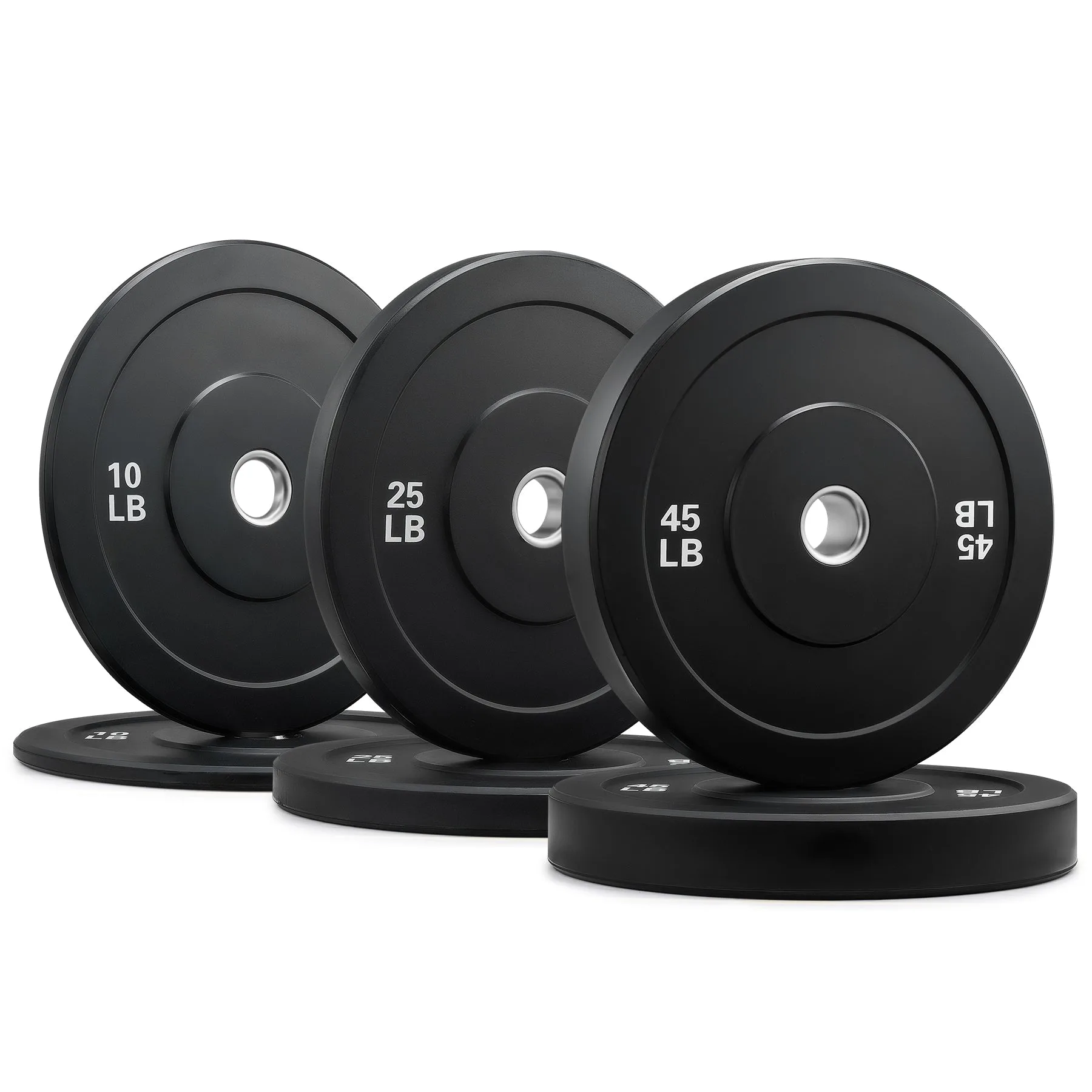
If you have a mix of bumper plates and iron plates, ensure the stacker's pegs are long enough to accommodate thicker plates. Some stackers include rubber padding to reduce noise and protect floors.
Steps to organize your plates with a stacker
- Choose a stable location: Place the stacker on a flat, level surface away from high-traffic areas. If it's a freestanding model, ensure the base is wide enough to prevent tipping when plates are loaded unevenly. A wobbly stacker can tip over. Test stability before loading all plates.
- Sort plates by size and weight: Group plates by diameter and weight — heaviest at the bottom, lighter ones on top. This keeps the center of gravity low and makes it easier to grab the plate you need. Placing heavy plates high up can make the stacker top-heavy. Always load heaviest first.
- Load plates onto the pegs: Slide each plate onto the peg with the hole facing down. For Olympic plates, align the 2-inch hole with the peg. Push gently until the plate sits flush against the stacker frame. Forcing a plate onto a peg that's too small can damage the plate's insert. Check peg diameter before loading.
- Secure loose plates with a locking pin or strap: If your stacker includes a locking mechanism, engage it to prevent plates from sliding off during use. For stackers without locks, use a bungee cord or strap as a simple backup. Loose plates can fall and injure feet or dent floors. Always secure them if the stacker is moved or bumped.
- Maintain your stacker regularly: Wipe down pegs and frame with a damp cloth to remove chalk dust and sweat. Check for rust or loose bolts every month, especially in humid garages or basements. Neglected rust can weaken the stacker's structure. Tighten bolts promptly to avoid wobble.
Product spotlight
-
BUFF BABY - Weight Plate Stacker: Fred's Buff Baby Weight Stack is made from baby-safe, BPA-free silicone and includes 6 soft stackable plates that assemble to nearly 5 inches tall. While designed for play, this stacker introduces toddlers to the concept of organizing weights, making cleanup part of the fun.
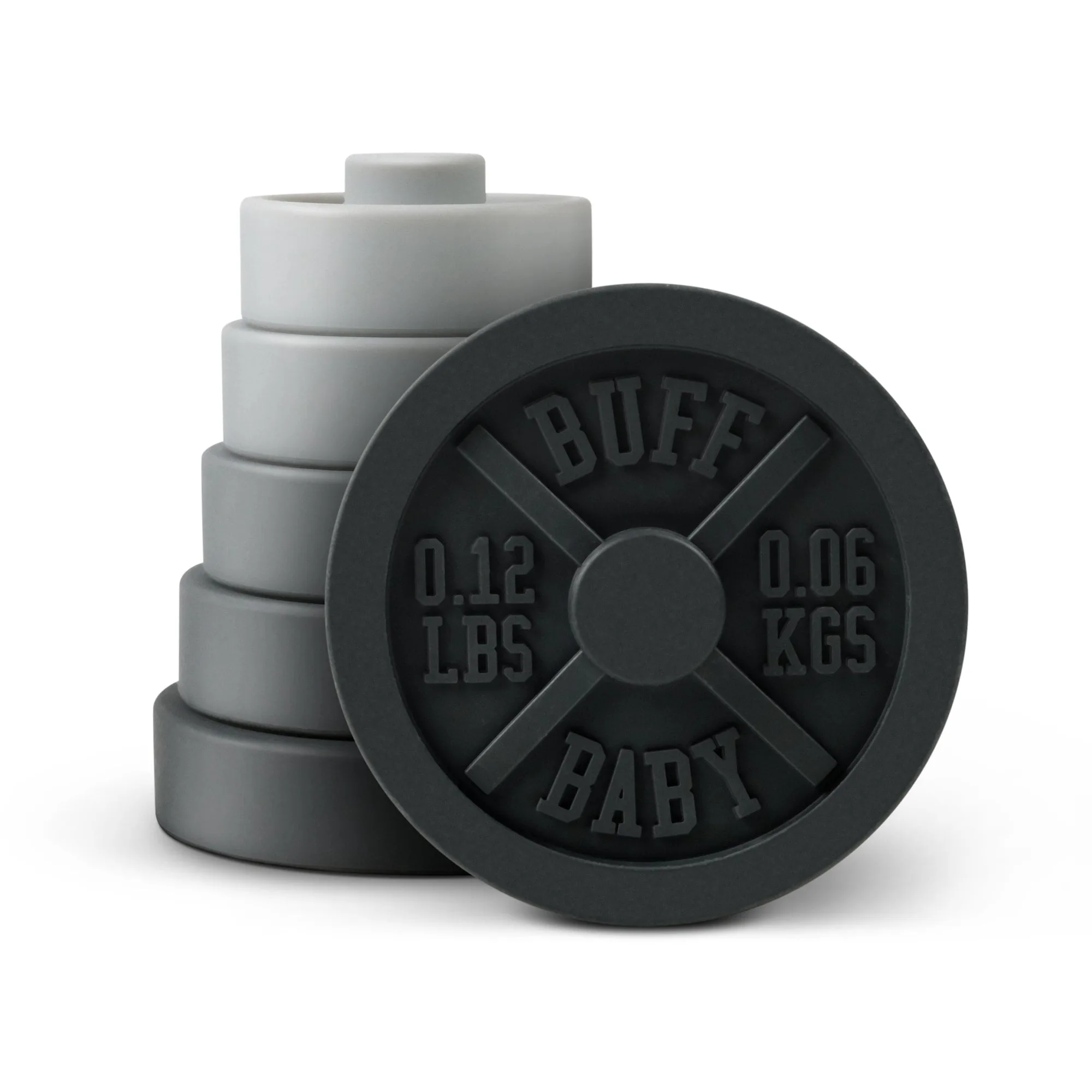
BUFF BABY - Weight Plate Stacker