Quick Answer
To progress push-ups and pull-ups with a weighted vest, start with a weight you can handle for 5–8 reps with perfect form, then add small increments every 1–2 weeks. Focus on controlled tempo and full range of motion to avoid injury and build strength effectively.
Push-ups and pull-ups are foundational bodyweight exercises, but once you can do 20+ reps, adding weight is the most efficient way to keep building strength. A weighted vest provides a practical way to increase resistance without changing your form or needing extra equipment.
This guide walks you through a safe progression plan, common mistakes to avoid, and how to choose the right vest for your goals. Whether you're training at home or in the gym, these steps help you break plateaus and build functional upper-body strength.
Why Use a Weighted Vest for Calisthenics?
Weighted vests add resistance directly to your body, making push-ups and pull-ups harder without altering your technique. Unlike holding a dumbbell between your legs or using a dip belt, a vest distributes weight evenly across your torso, keeping your center of gravity stable and reducing strain on your shoulders and lower back.
This method supports progressive overload—the key to muscle growth and strength gains. By gradually increasing the vest weight, you can continue challenging your muscles even after mastering bodyweight reps. Additionally, weighted calisthenics improve bone density, core stability, and athletic performance, making them a valuable addition to any strength routine.
- Even weight distribution helps maintain proper form.
- Allows small, adjustable increments for steady progress.
- Can be used for both push-ups and pull-ups, maximizing versatility.
How to Choose the Right Weighted Vest
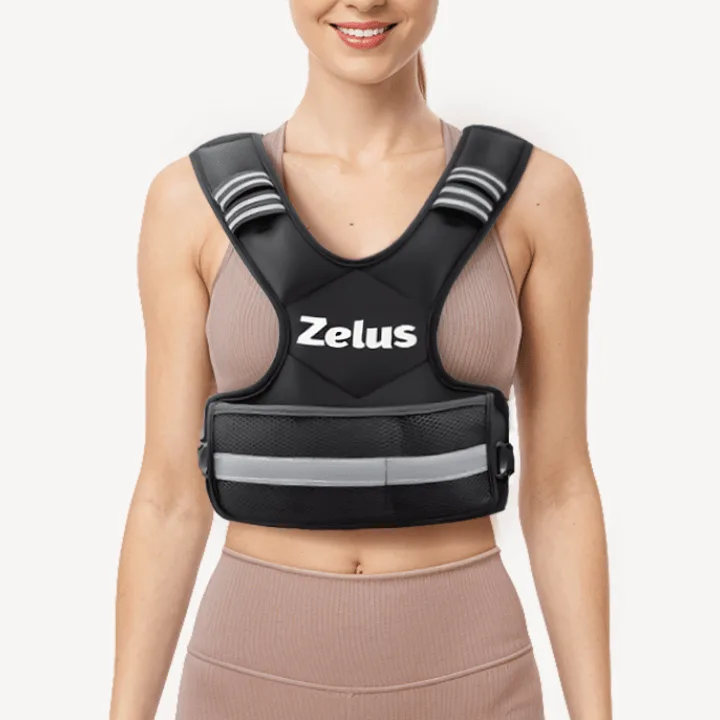
Selecting the right vest depends on your current strength and goals. For beginners or those focusing on push-ups, a lighter adjustable vest like the Classic Y-Shaped Weighted Vest – Adjustable Weight offers options from 20 to 60 lbs, but start with the lowest setting. For women or those preferring a more tailored fit, the Z-FitTM Y-Shaped Weighted Vest – Adjustable Weight provides ranges from 8–14 lb. up to 20–32 lb., ensuring a wobble-free fit with fully adjustable straps.
If you need a mid-range option, the Armor Y-Shaped Weighted Vest – Adjustable Weight – 23lb comes with 10 removable 2.2 lb. iron bars, allowing you to adjust resistance in small increments up to 23 lbs. This is ideal for controlled progression. Look for vests with breathable, durable materials and secure closures to ensure comfort during high-rep sets.
- Choose a vest that fits snugly without restricting breathing.
- Consider removable weight increments for fine-tuning.
- Ensure the vest is suitable for both push-ups and pull-ups.
Step-by-Step Progression Plan
Start with a weight that allows you to perform 5–8 reps with perfect form. If you can't do at least 5 reps, reduce the weight. Perform 3–4 sets of push-ups and pull-ups twice a week, leaving at least 48 hours between sessions for recovery.
Each week, aim to add one rep per set. When you can comfortably complete 12 reps with a given weight, increase the vest weight by the smallest increment available (often 2–5 lbs). Continue this cycle. For push-ups, focus on lowering your chest to the floor and pushing explosively. For pull-ups, use a full range of motion from dead hang to chin over the bar.
- Track your reps and weights in a journal or app.
- Prioritize form over added weight.
- Incorporate deload weeks every 4–6 weeks to prevent burnout.
5-Step Weighted Vest Progression Plan
- Master Bodyweight Form: Before adding weight, ensure you can perform 20+ push-ups and 10+ pull-ups with strict form. This builds a solid foundation and reduces injury risk. Checkpoint: Your chest touches the floor on push-ups, and your chin clears the bar on pull-ups.
- Select a Challenging Weight: Choose a vest weight that allows 5–8 reps with good form. For example, start with 5–10 lbs if you're new to weighted calisthenics. Adjust based on your strength. Checkpoint: If you can't complete 5 reps, reduce the weight.
- Warm Up Thoroughly: Perform 5–10 minutes of dynamic stretches and light cardio, then do 2 sets of bodyweight push-ups and pull-ups to activate muscles. Checkpoint: You should feel warm and mobile before your working sets.
- Progress Gradually: Increase repetitions each session until you reach 12 reps per set, then add a small weight increment (2–5 lbs). Continue this pattern, adding weight every 1–2 weeks. Checkpoint: If you stall for two weeks, deload and reassess your recovery.
- Prioritize Recovery: Train weighted push-ups and pull-ups 2–3 times per week with at least 48 hours rest between sessions. Get adequate sleep and nutrition to support muscle growth. Checkpoint: If you feel excessive fatigue, take an extra rest day.
Products to Support Your Progression
- https://vibemove.shop/products/classic-y-shaped-weighted-vest-adjustable-weight-91269Classic Y-Shaped Weighted Vest - Adjustable Weight: Designed for men seeking intensity, the Zelus High-Capacity Adjustable Weight Vest features a signature Y-shaped structure that avoids chest pressure and ensures freedom of movement. Offering heavy weight options of 20, 30, and 60 lbs, it effectively strengthens your core, boosts endurance, and breaks through training plateaus. This vest is ideal for advanced athletes who need heavier loads to continue progressing on pull-ups and push-ups. Its Y-shape prevents chest pressure, allowing you to breathe freely during intense sets.
- Armor Y-Shaped Weighted Vest - Adjustable Weight - 23lb: Made from durable 600D reinforced nylon with cushioned shoulder straps, it ensures long-lasting comfort. The vest includes 10 removable 2.2 lb solid iron bars for adjustable resistance up to 23 lbs, with even weight distribution and secure hook-and-loop straps for stability during intense training. With small 2.2 lb increments, this vest allows precise weight adjustments—perfect for gradual progression without big jumps that could compromise form.
Using a weighted vest for push-ups and pull-ups is an effective way to build upper-body strength and break through plateaus. By following a gradual progression plan, choosing the right vest, and prioritizing form and recovery, you'll see consistent gains. Start light, stay consistent, and enjoy the challenge.