Quick Answer
Use a wireless fetal doppler safely by waiting until 12 weeks, using ultrasound gel, and limiting sessions to 10 minutes. Always follow up with your healthcare provider if you have concerns.
Why Safety Matters with Home Fetal Dopplers
Home fetal dopplers are popular for bonding and reassurance, but they are not a replacement for prenatal care. They can give a false sense of security if you misinterpret the sounds or fail to find the heartbeat.
Always use the device as a supplement to, not a substitute for, regular check-ups. If you notice reduced fetal movement or have any concerns, contact your midwife or doctor immediately.
Understanding What You Hear
A fetal doppler picks up more than just the heartbeat. You may hear your own pulse, the placenta, or fetal movement like kicks and hiccups. It takes practice to distinguish these sounds.
The heartbeat is typically faster than your own, around 110–160 beats per minute. If you're unsure what you're hearing, ask your healthcare provider for guidance during a check-up.
How to Use a Home Fetal Doppler: Step-by-Step
- Wait until 12 weeks: Before 12 weeks, the uterus is still low in the pelvis, making it hard to find the heartbeat. Starting too early often leads to unnecessary worry. If you're under 12 weeks, don't panic if you can't find the heartbeat—it's normal.
- Use ultrasound gel: Apply a generous amount of ultrasound gel to your lower abdomen. Do not use the doppler dry—this can cause discomfort and poor sound quality. Dry use can also create static that makes it harder to hear the heartbeat.
- Lie down and relax: Lie on your back with your knees bent. Relax your abdominal muscles and breathe normally. Tension can make it harder to pick up the heartbeat. Try a full bladder—it can help lift the uterus for easier detection in early pregnancy.
- Move slowly and tilt the probe: Start at your pubic bone and move the probe slowly upward, tilting it slightly. The heartbeat is often found low in the abdomen during the second trimester. If you hear a whooshing sound, that's likely the placenta or your own pulse—keep searching.
- Limit sessions to 10 minutes: Keep each session short—around 10 minutes. Prolonged use has not been proven harmful, but it's best to avoid unnecessary exposure. If you can't find the heartbeat in 10 minutes, stop and try again later or contact your provider.
- Don't rely on it for medical decisions: The doppler is for bonding and reassurance, not for diagnosing problems. Always contact your healthcare provider if you have concerns about fetal movement or wellbeing. Never skip a prenatal appointment or delay seeking care because the doppler seemed normal.
Product Spotlight
-
Echö: Wireless Fetal Doppler: The Echö: Wireless Fetal Doppler lets you hear and record your baby's heartbeat, kicks, and hiccups at home. Recording the sounds lets you share them with loved ones and track changes over time, but always confirm findings with a professional.
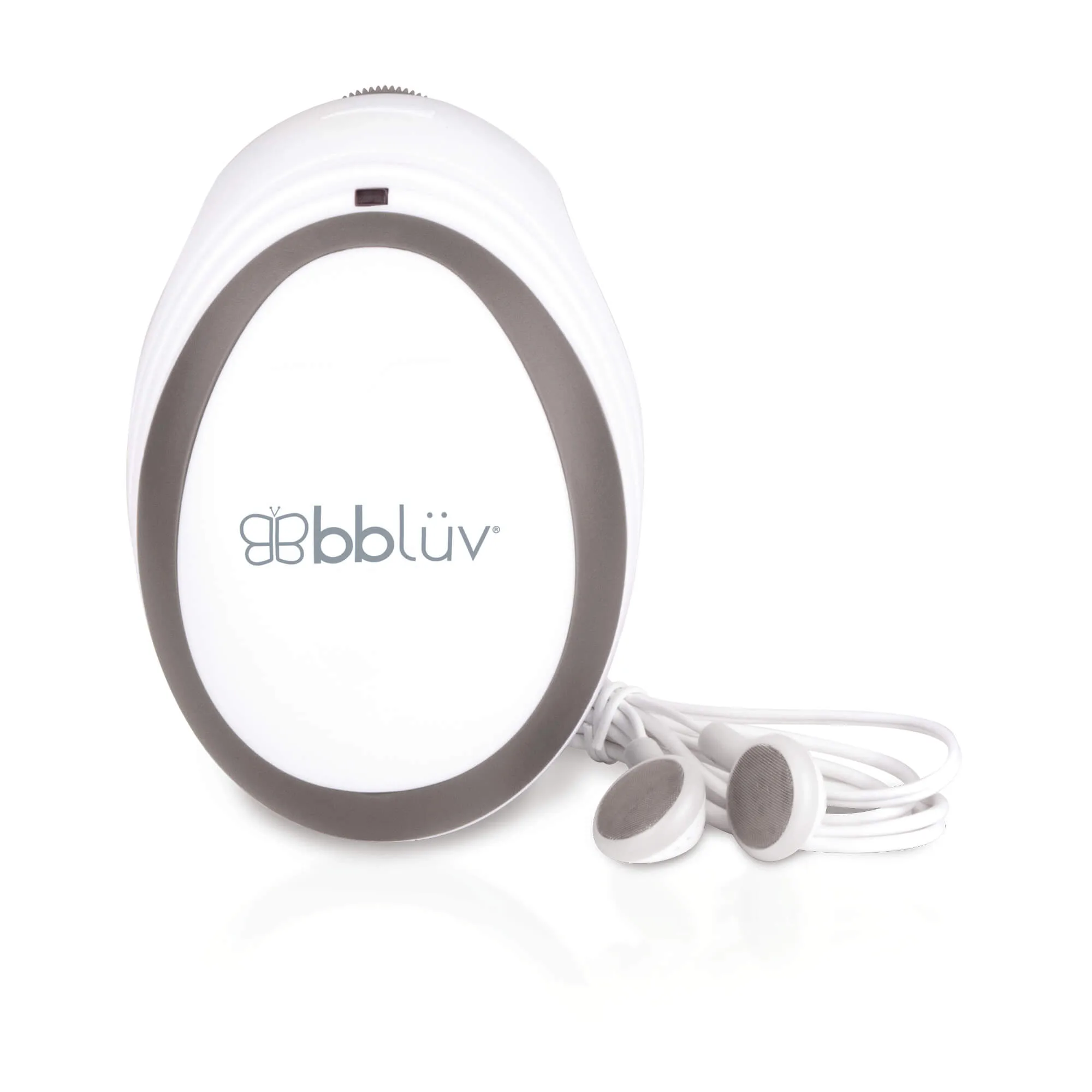
Echö: Wireless Fetal Doppler