Cuts and lacerations are among the most common injuries, and knowing how to close them properly can prevent infection, reduce scarring, and speed up healing. While traditional sutures and staples require medical training, adhesive wound closure strips like ZZIPS offer a practical, user-friendly alternative. In this guide, we'll walk you through the correct way to use ZZIPS for effective wound closure, ensuring you're prepared for minor emergencies at home, work, or outdoors.
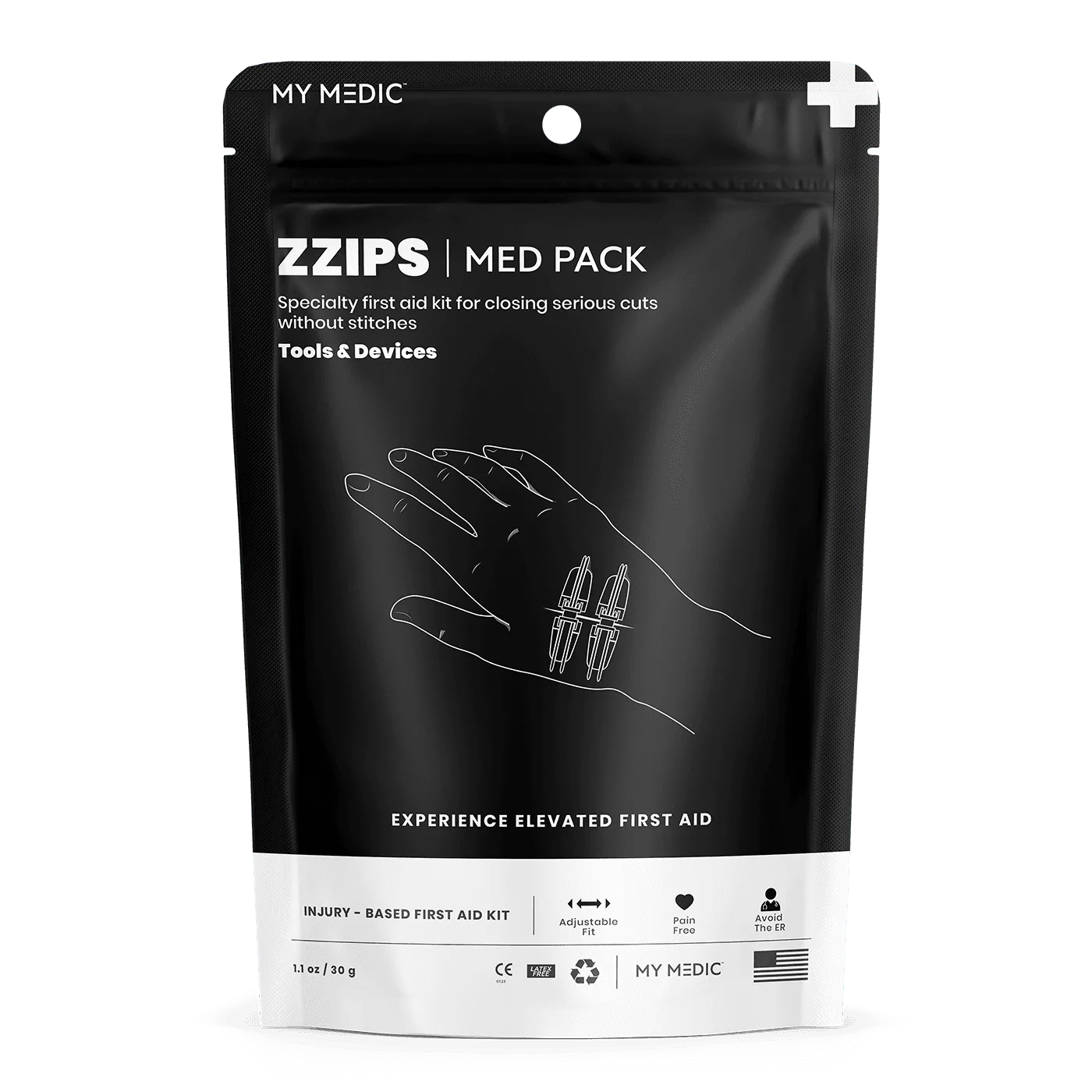
ZZIPS
ZZIPS are innovative wound closure strips that feature a unique zip-tie mechanism, providing adjustable, secure closure without the need for needles. They are designed to bring the edges of a wound together evenly, which promotes better healing and minimizes scarring. Whether you're a first aider, outdoor enthusiast, or just want to be prepared, understanding how to use ZZIPS correctly is a valuable skill.
What Are ZZIPS and Why Use Them?
ZZIPS are a modern alternative to traditional butterfly closures or steri-strips. They consist of two adhesive pads connected by a small zip-tie mechanism. Once applied on either side of a wound, you gently tighten the zip to pull the skin edges together. This design allows for precise, even tension, which is crucial for optimal healing and cosmetic outcome.
Compared to other methods, ZZIPS are quick to apply, require no special training, and are less painful than sutures. They also provide a clear view of the wound, reducing the risk of trapping bacteria. Because they are waterproof and breathable, they can stay in place for several days, making them ideal for use in first aid kits, especially for outdoor and tactical situations.
- Adjustable tension for even wound closure
- Waterproof and breathable for extended wear
- No needles, making them less intimidating for patients
Step-by-Step Guide: How to Apply ZZIPS
Before applying ZZIPS, ensure the wound is clean and free of debris. Gently irrigate with clean water or saline solution, and pat the surrounding skin dry. If bleeding is heavy or the wound is deep, apply pressure and seek medical attention. For minor cuts, proceed with the following steps.
Start by removing the backing from one adhesive pad and place it on one side of the wound, about 1 cm from the edge. Press firmly for a few seconds to ensure good adhesion. Then, remove the backing from the second pad and stretch it across the wound, pulling the skin edges together as you stick it down on the opposite side. Once both pads are in place, begin tightening the zip mechanism slowly, observing the wound edges to ensure they align evenly. Stop when the edges are just touching—do not over-tighten, as this can cause skin damage.
- Always clean the wound thoroughly before application.
- Apply in a dry environment to maximize adhesion.
- Tighten gradually, checking alignment frequently.
Tips for Optimal Adhesion and Healing
To get the best results from ZZIPS, ensure the skin around the wound is completely dry and free of oils, lotions, or blood. If the area is hairy, consider trimming the hair to improve adhesion. After application, avoid excessive stretching or movement of the area for the first few hours to allow the adhesive to bond well.
For areas that bend, such as knuckles or knees, you can apply a small amount of skin adhesive or use a liquid bandage over the ZZIPS to reinforce them. It's also wise to keep a spare set in your first aid kit in case one gets dislodged. Remember to change ZZIPS every 5-7 days or as advised by a healthcare professional, and monitor for signs of infection such as increased redness, swelling, or discharge.
- Keep the wound dry for the first 24 hours.
- Avoid applying ZZIPS over joints if possible.
- Check the wound daily for any signs of infection.
When Not to Use ZZIPS: Safety Precautions
While ZZIPS are versatile, they are not suitable for all wounds. Do not use them on deep wounds that may require stitches, wounds that are actively bleeding heavily, or wounds with jagged edges that are hard to align. Also avoid using ZZIPS on animal bites, puncture wounds, or wounds that show signs of infection. In these cases, seek professional medical care immediately.
If you have a condition that affects skin healing, such as diabetes, or are taking medications that thin the blood, consult a doctor before using ZZIPS. Always follow the instructions provided with the product, and if you have any doubts about whether a wound needs medical attention, err on the side of caution and seek professional advice.
- Do not use on infected wounds.
- Not recommended for deep or punctured wounds.
- Seek medical help if you are unsure about the severity.
Including ZZIPS in Your First Aid Kit
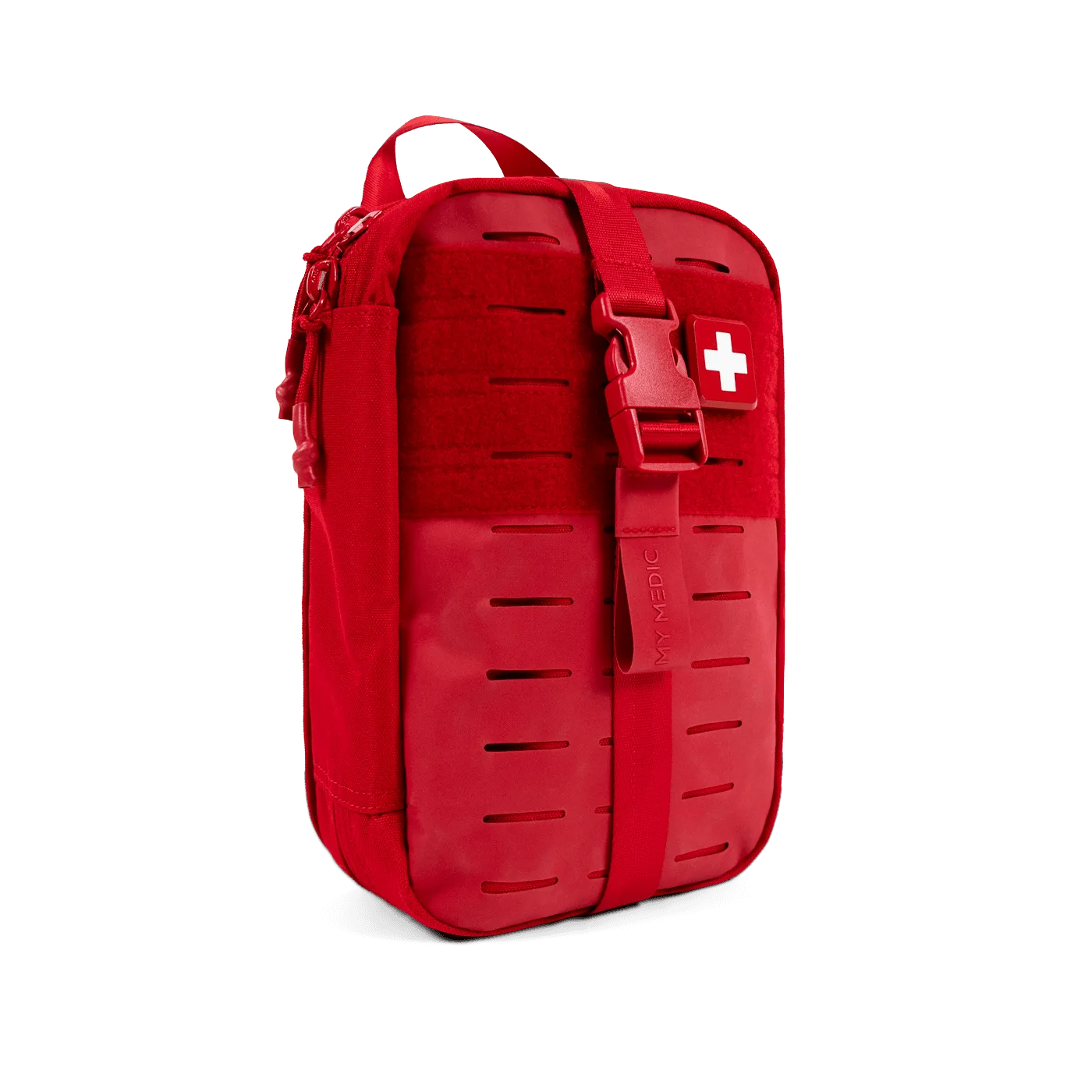
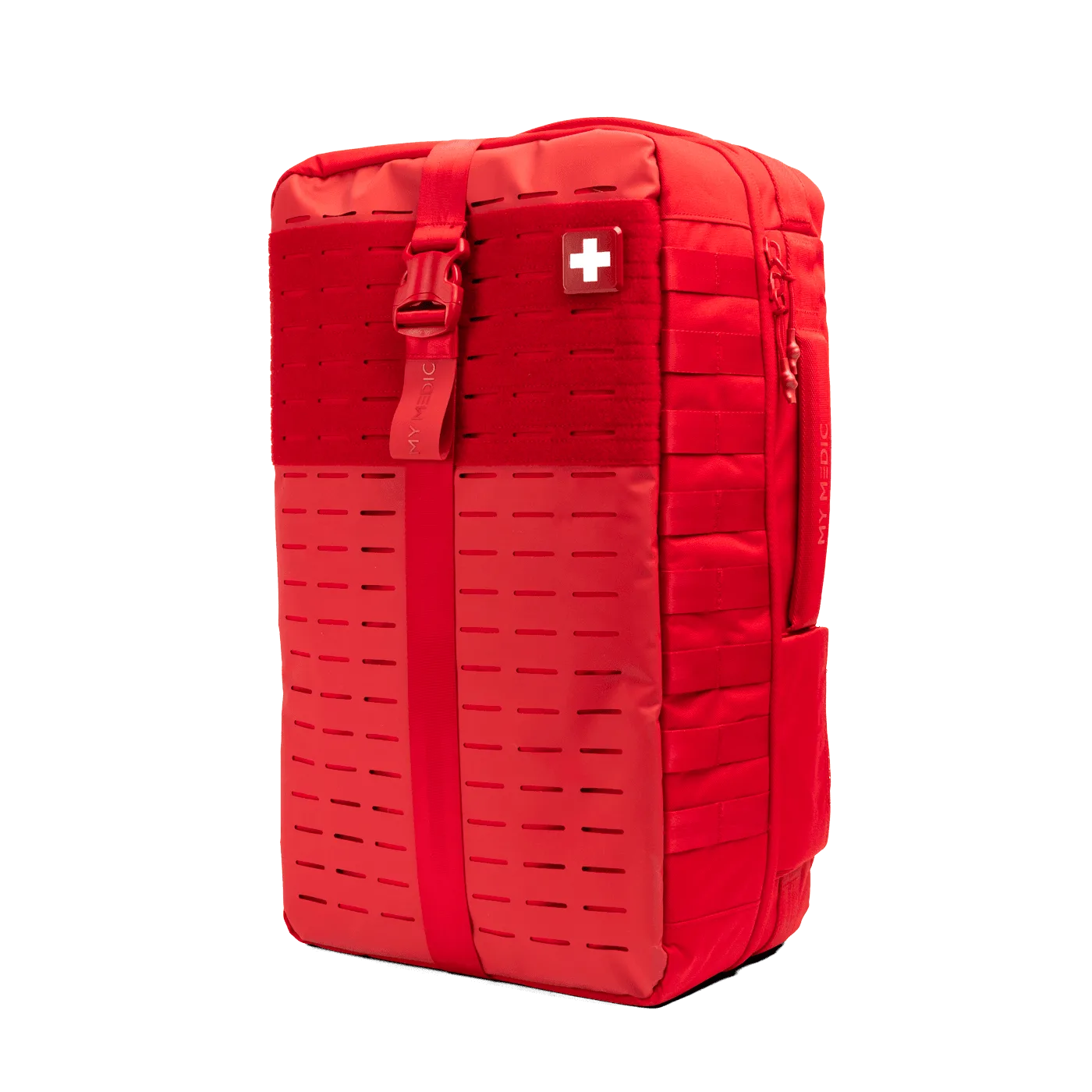
ZZIPS are an excellent addition to any first aid kit, whether it's a compact personal kit or a comprehensive family kit. They are lightweight, compact, and have a long shelf life, making them perfect for emergency preparedness. Pair them with other wound care essentials like antiseptic wipes, gauze, and adhesive bandages to ensure you're ready for minor injuries.
When building your kit, consider adding a variety of wound closure options. For example, the Elastic Bandage with Self-Closure 2 Pack is great for providing compression, while the SuperSkin® Bandage 20 Pack offers a waterproof barrier for minor cuts. Having multiple tools ensures you can handle different types of injuries effectively.
- Store ZZIPS in a cool, dry place to maintain adhesive quality.
- Check expiration dates regularly and replace as needed.
- Combine with other wound care supplies for a complete kit.
ZZIPS are a reliable and easy-to-use solution for closing minor wounds. By following the steps outlined in this guide, you can effectively manage cuts and lacerations, reducing the risk of infection and scarring. Remember to always assess the severity of the wound and seek professional medical help when necessary. For more first aid essentials, explore our range of products like the OLAES Modular Bandages to enhance your preparedness. Stay safe and be prepared!