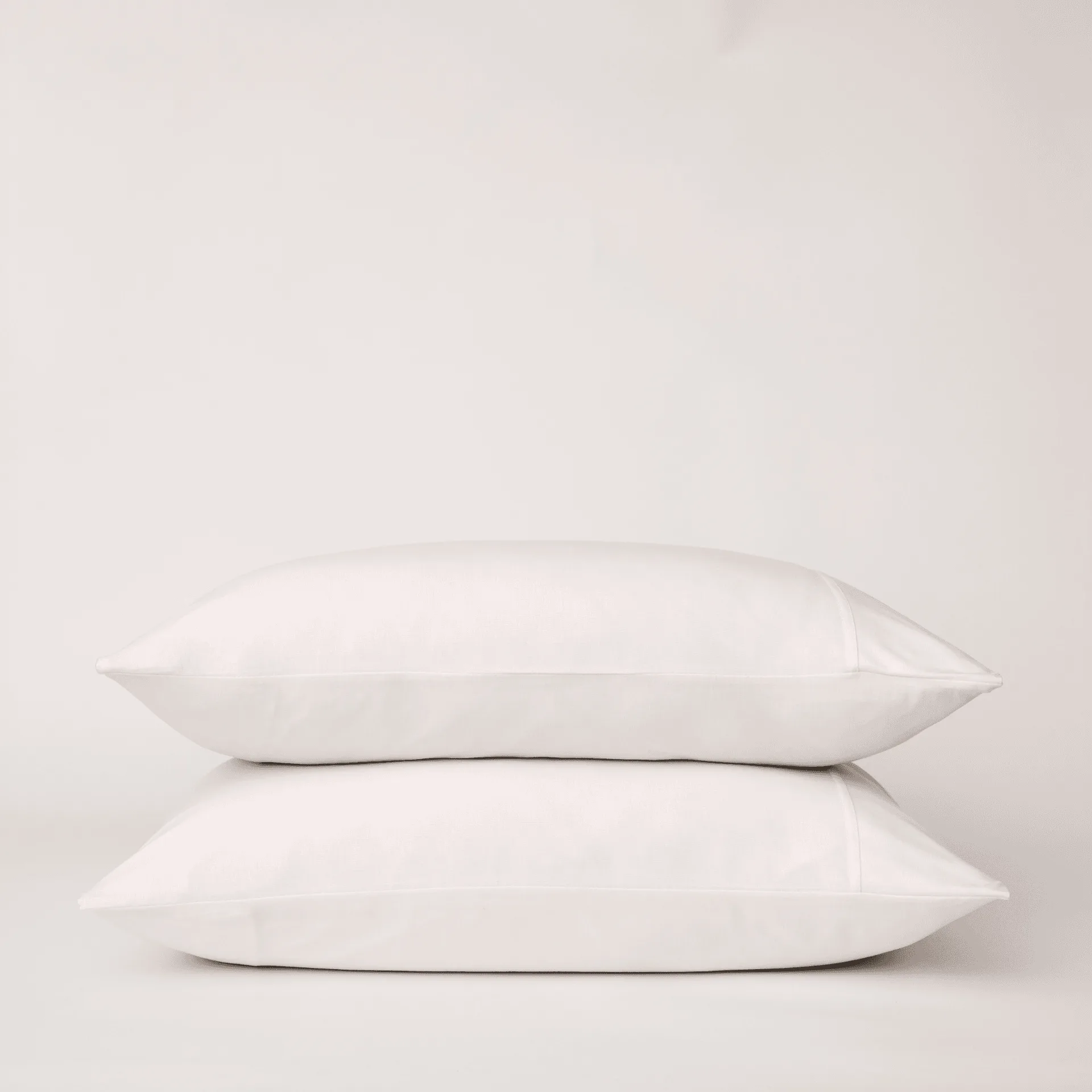
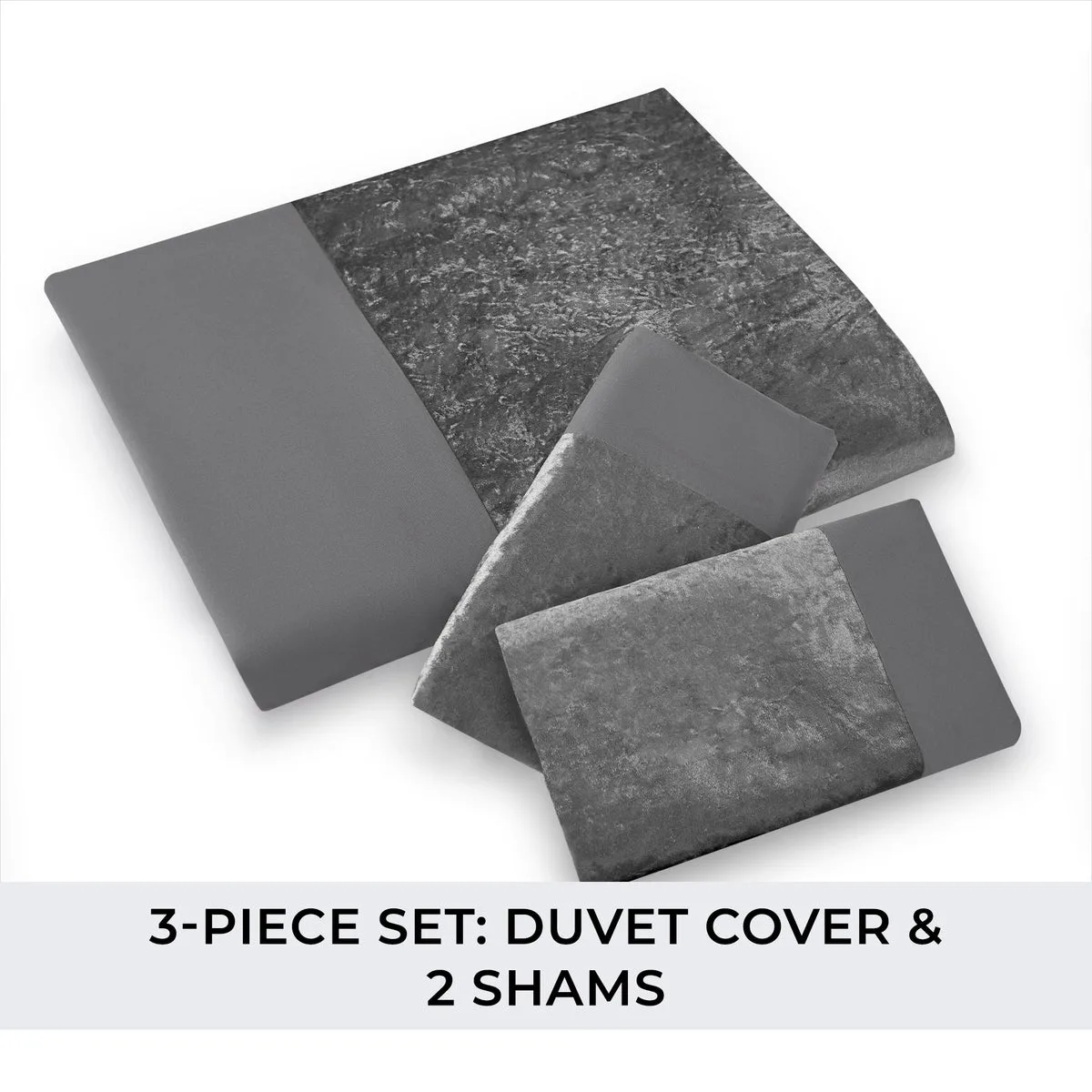
A bedspread coverlet set is a stylish and versatile addition to any bedroom, offering a lightweight layer that adds texture and color. Whether you use it as a standalone cover or as a decorative top layer, keeping it clean is essential for both hygiene and longevity. But washing a coverlet isn't as simple as tossing it in the machine with your regular laundry. Different fabrics and construction require specific care to prevent shrinking, fading, or damage.

bedspread coverlet set
In this guide, we'll walk you through everything you need to know about washing and caring for your bedspread coverlet set. From checking the care label to drying and storage, you'll learn the best practices to maintain its beauty and comfort for years to come. Plus, we'll share tips on how to handle common issues like wrinkles and stains.
Check the Care Label First
Before you do anything, always read the care label attached to your bedspread coverlet set. This tag contains specific instructions from the manufacturer based on the fabric blend and construction. Most coverlets are made from cotton, microfiber, or a polyester blend, and each material has different washing requirements. For example, a cotton coverlet may be machine washable in warm water, while a silk or wool blend might require dry cleaning.
If the label says 'dry clean only,' follow that advice to avoid shrinking or warping. For machine-washable coverlets, note the recommended water temperature, cycle type, and drying method. Ignoring these instructions can lead to irreversible damage, so take a moment to read them carefully.
- Look for symbols: a tub with water indicates machine wash, a circle means dry clean, and a triangle with an X means no bleach.
- If the label is missing or illegible, err on the side of caution and use a gentle cycle with cold water.
Pre-Treat Stains Before Washing
Stains happen—whether from morning coffee, makeup, or accidental spills. To prevent them from setting, treat stains as soon as possible. Pre-treating involves applying a small amount of mild detergent or a stain remover directly to the affected area. Gently rub the fabric together or use a soft-bristled brush to work the solution in, then let it sit for 10–15 minutes before washing.
Avoid using bleach or harsh chemicals, especially on colored coverlets, as they can cause fading or discoloration. For organic stains like sweat or food, enzyme-based stain removers are effective and gentle. Always test any stain remover on an inconspicuous area first.
- For oil-based stains (e.g., lotion), apply a small amount of dish soap before washing.
- For ink or dye stains, try rubbing alcohol on a cotton ball and blotting gently.
Washing Your Bedspread Coverlet Set
When it's time to wash, remove any decorative pillows or inserts from the coverlet set. If your coverlet has a removable cover, separate it from the filling. Use a front-loading or top-loading machine without an agitator, as agitators can snag or stretch the fabric. Set the machine to a gentle or delicate cycle with cold or warm water—hot water can cause shrinkage and fading.
Use a mild liquid detergent that is free of bleach and fabric softener. Fabric softener can leave a residue that reduces absorbency and breathability. For extra protection, place the coverlet in a large mesh laundry bag. Wash similar colors together to prevent dye transfer. Avoid overloading the machine; the coverlet needs room to move freely for a thorough clean.
- Use half the recommended detergent amount to minimize residue.
- Add an extra rinse cycle to ensure all soap is removed.
Drying Your Coverlet Properly
After washing, remove the coverlet promptly to prevent wrinkles. The best drying method is air drying: lay it flat on a clean surface or hang it over a clothesline away from direct sunlight. Sunlight can fade colors over time, so choose a shaded area. If you must use a dryer, select a low heat or air fluff setting. High heat can shrink the fabric and damage fibers.
To speed up drying, you can tumble dry on low for 10–15 minutes, then finish air drying. Remove the coverlet while it's still slightly damp to reduce wrinkles. If your coverlet has a filling (like a quilted style), fluff it periodically during drying to redistribute the filling evenly.
- Add a few clean tennis balls or dryer balls to the dryer to help fluff the coverlet and reduce static.
- Never wring or twist the coverlet to remove water—this can distort the shape.
Ironing and Storing Your Coverlet Set
If your coverlet comes out wrinkled, you can iron it on a low setting appropriate for the fabric. For cotton, use a medium-hot iron with steam. For microfiber or synthetic blends, use a cool iron or a steamer to avoid melting the fibers. Always iron on the reverse side or use a pressing cloth to protect the surface.
When storing, make sure the coverlet is completely dry to prevent mildew. Fold it neatly and store in a cool, dry place away from direct sunlight. Avoid plastic bags, which can trap moisture; instead, use a breathable cotton storage bag or a pillowcase. If you have multiple sets, rotate them to reduce wear on a single coverlet.
- For a crisp look, spray a light mist of water before ironing.
- Store with cedar blocks or lavender sachets to repel moths and keep it fresh.
How Often Should You Wash Your Bedspread Coverlet?
Unlike sheets and pillowcases, which should be washed weekly, a bedspread coverlet set doesn't need frequent washing. Since it's usually used as a top layer, it accumulates less body oils and sweat. A good rule of thumb is to wash it every 2–3 months, or more often if you have pets or allergies. Spot cleaning between washes can help maintain freshness.
If you use a top sheet, your coverlet stays even cleaner. For daily maintenance, shake it out and air it outside occasionally to remove dust. Using a duvet cover over your coverlet can also extend the time between washes.
- Vacuum the coverlet with an upholstery attachment to remove dust and pet hair.
- If you notice a musty smell, wash it immediately to prevent mold growth.
Special Care for Different Fabrics
Your bedspread coverlet set may be made from various materials, each with unique care needs. Cotton coverlets are durable and can usually be machine washed, but they may shrink if dried on high heat. Microfiber coverlets are wrinkle-resistant and dry quickly, but avoid high heat to prevent damage. For delicate fabrics like silk or linen, follow the care label closely—often they require hand washing or dry cleaning.
If your coverlet has embellishments like embroidery, sequins, or fringe, turn it inside out before washing and use a gentle cycle. Hand washing is safest for heavily decorated pieces. Always check for loose threads before washing and repair them to prevent further damage.
- For a cotton coverlet, pre-wash in cold water if it's new to minimize shrinkage.
- For a microfiber coverlet, avoid fabric softener as it can clog the fibers.
By following these simple steps, you can keep your bedspread coverlet set looking beautiful and feeling fresh for years. Remember to always check the care label, treat stains promptly, and use gentle washing and drying methods. For a high-quality coverlet that's easy to care for, explore our Bedspread Coverlet Set collection—designed for durability and style, with easy-care fabrics that make maintenance a breeze.