Quick answer
Wash kitchen tea towels in the hottest temperature the care label allows, using a normal detergent dose and no fabric softener. Treat stains and smells before washing, dry thoroughly, and rotate at least three towels so one is always clean and dry.
A tea towel that smells sour or leaves streaks on a glass is usually not worn out, just overdue for a proper wash. Kitchen linen picks up grease, food residue, and moisture with every wipe, so a quick rinse is rarely enough.
This guide walks through a simple washing routine, from sorting and stain treatment to drying and storage. It also covers the small habits that keep towels absorbent and stop one smelly towel from tainting the rest of the drawer.
Sort and pre-treat before anything goes in the machine
Separate tea towels from bath towels, bedding, and anything with zips or hooks. Kitchen towels carry food oils and bacteria that you do not want transferring to other laundry, and heavy items can abrade the weave. Check the care label first: many printed or decorative towels, including souvenir styles, have a maximum temperature that is lower than plain white cotton.
Treat stains and odours before the main wash. For grease, dab a little dish liquid into the spot and work it gently with your fingers. For tea, coffee, or berry marks, soak in cool water with oxygen bleach for 30 minutes. For sour smells, a pre-soak in warm water with a scoop of oxygen bleach or a cup of white vinegar usually does more than a hotter wash alone.
- Never mix bleach with vinegar or ammonia-based cleaners; use one method at a time.
- Test any stain treatment on a hidden corner first, especially on coloured or printed towels.
Choose the right wash cycle and detergent
Use a normal or heavy-duty cycle with the warmest water the label permits. Hot water does more of the hygienic work than a short, cool cycle, but it can fade prints and shrink some blends. If your towels are decorative or vintage-style, stay at or below the temperature on the label and accept that a warm wash may need a longer cycle.
Dose detergent according to the load size, not the maximum line. Too much detergent leaves residue that reduces absorbency and can make towels feel stiff. Skip fabric softener and dryer sheets entirely: they coat the fibres with a waxy layer that repels water, which is the opposite of what a kitchen towel should do.
- Add half a cup of white vinegar to the rinse cycle instead of softener to help strip residue.
- Do not overload the drum; towels need room to move so dirt can rinse away.
Dry thoroughly and store dry
Shake each towel out before drying to reduce creasing and speed up drying. Line drying in sun is the most effective way to brighten white or pale towels and kill lingering odour, but it can fade dark prints over time. Tumble drying on low is fine for most cotton towels if you remove them while slightly damp and fold or hang them promptly.
The most common mistake is putting a towel away while it still feels cool and damp. That trapped moisture is what creates the musty smell, and it spreads to anything stored beside it. If you are not sure a towel is fully dry, give it another 10 minutes rather than folding it into the drawer.
- Keep a small hook or rail near the sink so a damp towel can air-dry between uses.
- Wash tea towels at least once a week, or every two to three days if you cook daily.
Keep the routine sustainable with a small rotation
Buy or set aside at least three tea towels per household and rotate them. One in use, one clean in the drawer, one in the wash is a simple system that means you are never forced to reuse a damp towel. Assign different towels to different jobs if you can: one for drying hands, one for dishes, one for wiping benches.
Decorative towels can still earn their place in the rotation. A printed souvenir towel is often a lighter weave, so treat it as a display or hand towel rather than a heavy-duty dish cloth, and wash it on the gentler setting its label allows. That way the design stays crisp and the towel stays useful.
- Replace towels when the weave feels thin, the hem is fraying, or smells return immediately after washing.
- Wash new tea towels before first use to remove sizing and improve absorbency.
Your step-by-step tea towel washing routine
- 1. Check the label and sort: Read the care label for maximum temperature, then separate tea towels from bath towels, bedding, and items with zips or hooks. If the label is missing or unreadable, wash at 40°C or lower to be safe.
- 2. Pre-treat stains and smells: Dab dish liquid into grease spots, soak tea or berry marks in cool water with oxygen bleach for 30 minutes, and pre-soak sour-smelling towels in warm water with oxygen bleach or white vinegar. Do not mix bleach and vinegar; choose one treatment per load.
- 3. Wash on the warmest safe cycle: Use a normal or heavy-duty cycle with the correct detergent dose and no fabric softener or dryer sheets. Overloading the drum stops towels rinsing clean, so leave room for them to move.
- 4. Dry completely before storing: Shake out, line dry in sun for whites or tumble on low for coloured prints, and remove while slightly damp to fold or hang. If a towel still feels cool or damp, give it more drying time rather than folding it away.
- 5. Rotate and repeat: Keep at least three towels in rotation and wash them weekly, or every two to three days if you cook daily. Replace towels when the weave thins, the hem frays, or smells return straight after washing.
Products that suit a kitchen linen rotation
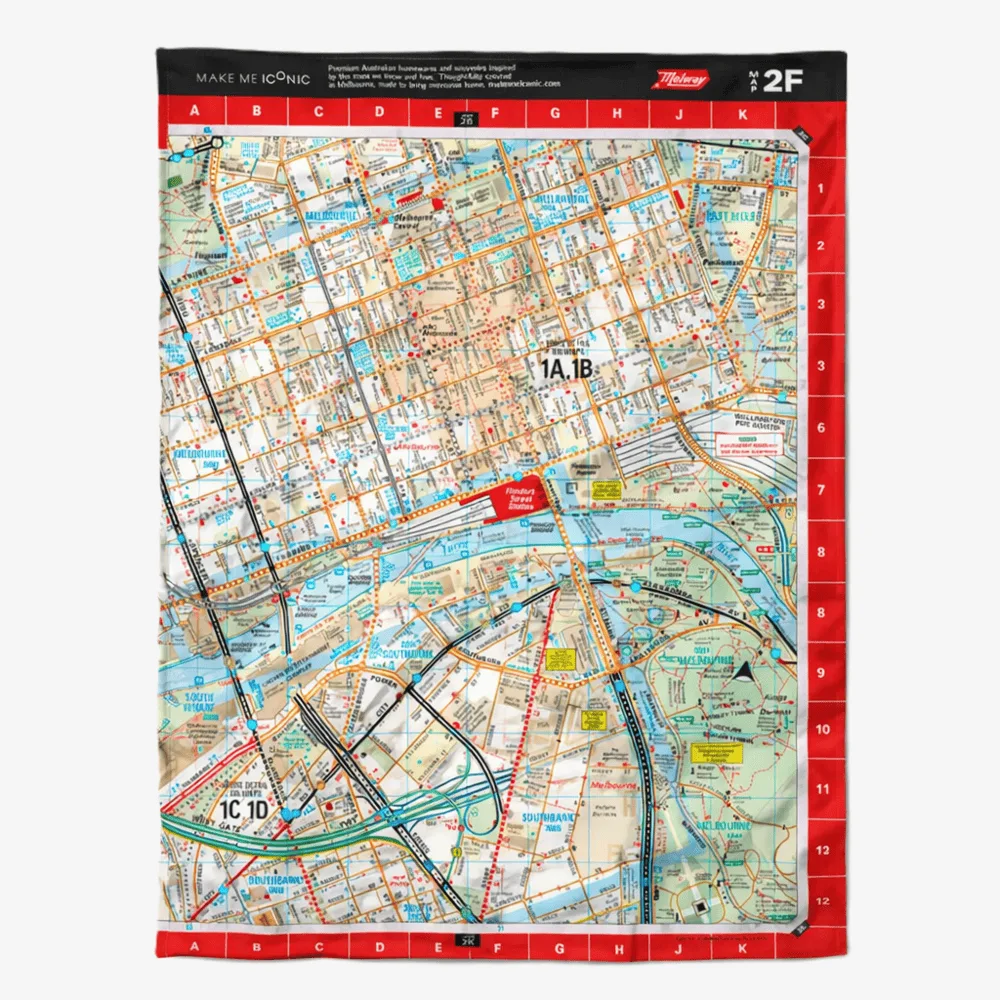
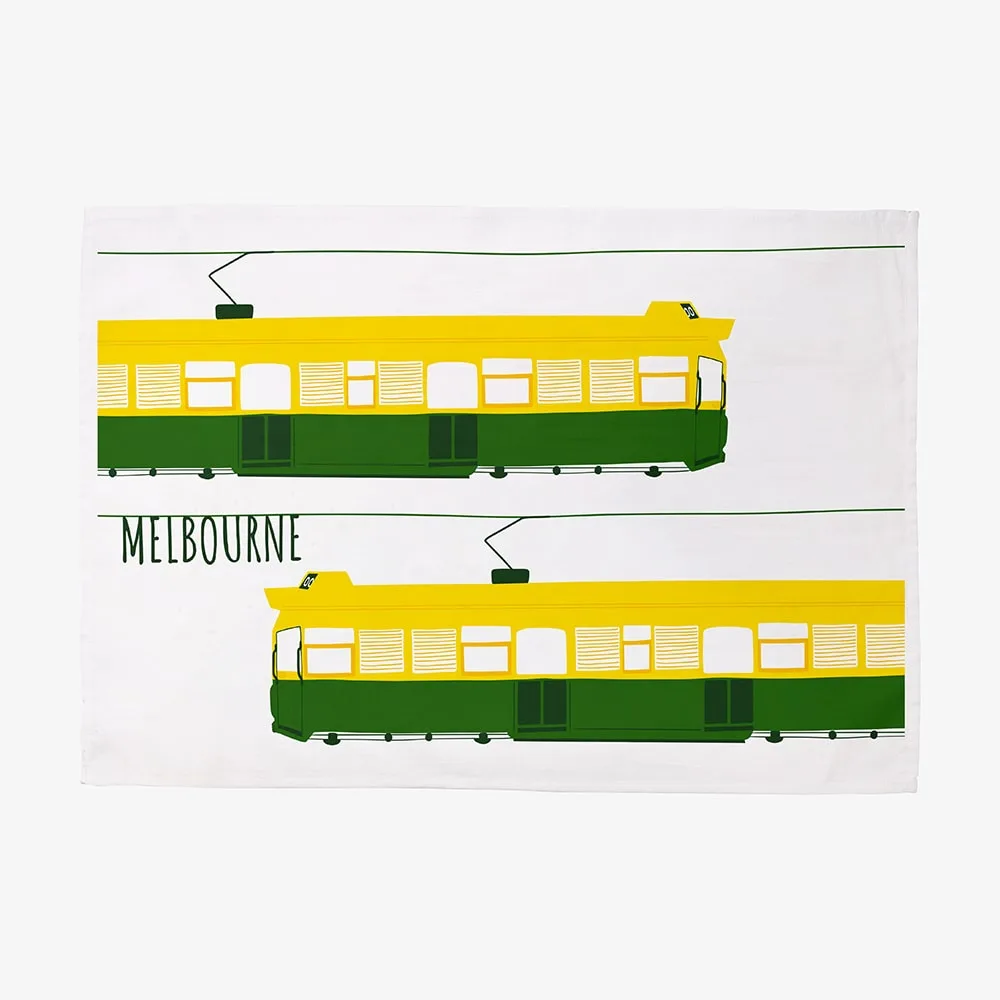
- TEA TOWEL - ICONIC MELBOURNE MELWAY: A printed tea towel from the Iconic Melbourne range, catalog price USD 14.00 with a comparison price of USD 28.00. A lighter printed towel like this works well as a display or hand towel, so wash it on the gentler setting its label allows to protect the design.
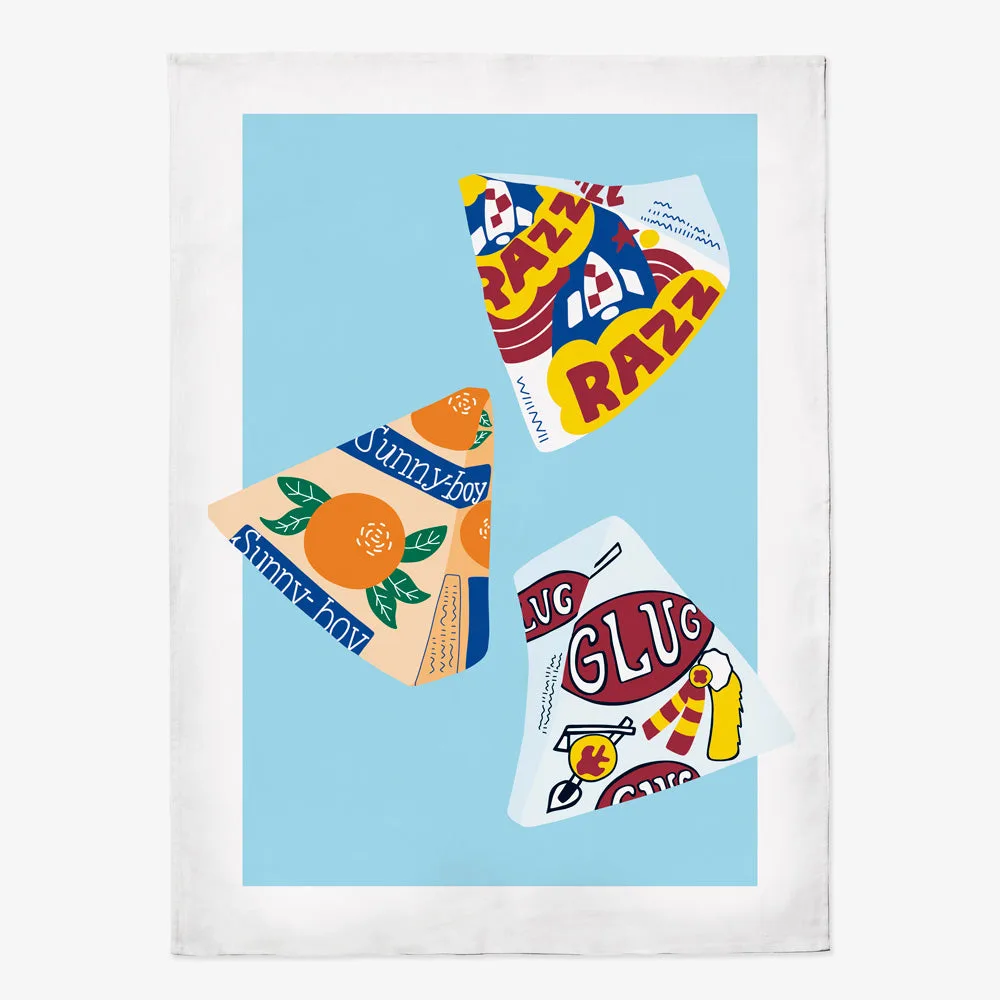
- TEA TOWEL - ICONIC SUNNYBOY: A bright printed tea towel from the Iconic range, catalog price USD 14.00 with a comparison price of USD 28.00. Bold prints can fade with hot washing, so keep the temperature moderate and dry away from direct sun to hold the colour.
- WOODEN RULER - ICONIC FULL ON: A wooden ruler in the Iconic stationery range, catalog price USD 5.00 with a comparison price of USD 10.00. Not kitchen linen, but a reminder that printed wooden and fabric items from this range are designed to be used, not just kept aside.
A consistent wash, dry, and rotate routine keeps kitchen tea towels hygienic, absorbent, and ready for the next spill. Treat stains early, skip the softener, and dry thoroughly, and even a printed souvenir towel will stay useful for years.