Why Softness Fades and How to Protect It
Baby rompers live through constant wear, spit‑up, and wash cycles. Over time, high heat and harsh detergents can make even quality organic cotton feel stiff or rough. The key is to match your laundry routine to the fabric's natural properties, not to fight them.
All three Touched by Nature Organic Cotton Rompers (Cactus, Nature Baby, and Bee Different) are made from 100% certified organic cotton that is described as ultra‑soft, breathable, and durable. The catalog notes the fabric stays soft wash after wash, but only if you treat it gently.
Step‑by‑Step: Wash Rompers the Gentle Way
Follow this routine to preserve softness and avoid shrinking. Each step is based on what the catalog confirms about the rompers' construction and materials.
- Turn rompers inside out: This protects the outer fabric and any print (like the Bee Different Busy Pollinator design) from abrasion. Snaps and seams are also less likely to snag.
- Use cold or cool water on a gentle cycle: Hot water can tighten cotton fibers over time. A gentle cycle reduces friction, which helps the rompers keep their relaxed fit and soft hand feel.
- Choose a mild, baby‑safe detergent: Harsh chemicals strip natural oils from organic cotton. A mild detergent keeps the fabric kind to delicate skin, as noted in the Nature Baby romper's description.
- Skip fabric softener: Fabric softener can coat cotton fibers and reduce breathability. The rompers are already soft without it, and the catalog confirms they stay soft wash after wash.
- Air dry or tumble dry on low: High heat is the most common cause of shrinking in cotton rompers. Lay flat or hang to dry, or use the lowest heat setting. The durable construction is meant to withstand many washes, but heat is the one variable you control.
What the Catalog Confirms About Durability
All three rompers are described as having durable construction that holds up through repeated washing. The Cactus romper specifically mentions high‑quality fabric that stays soft even after many washes. The Bee Different romper says it is built to withstand endless cycles in the wash.
The snaps are a practical feature for diaper changes, but they also mean you don't have to wrestle with the romper during washing. Snaps stay secure when fastened before the wash, reducing stress on the fabric.
Drying Tips to Prevent Shrinking
Shrinking happens when cotton fibers contract under high heat. To keep the romper's original size and fit:
– Remove rompers from the dryer while still slightly damp and let them finish air drying. This prevents over‑drying, which can also stiffen fabric.
– If you must use a dryer, choose the lowest heat setting and check the romper before the cycle ends.
– For prints like the Bee Different Busy Pollinator pattern, turning the romper inside out before drying also protects the design from fading.
Rompers That Benefit From Gentle Care
-
Touched by Nature Organic Cotton Rompers, Cactus√Ǭâ€: Made from 100% certified organic cotton; described as ultra‑soft, breathable, and durable. Includes gentle snaps along the inseam for easy diaper changes. The organic cotton needs gentle washing to keep its softness, and the snap design makes it easy to wash without stressing the fabric.
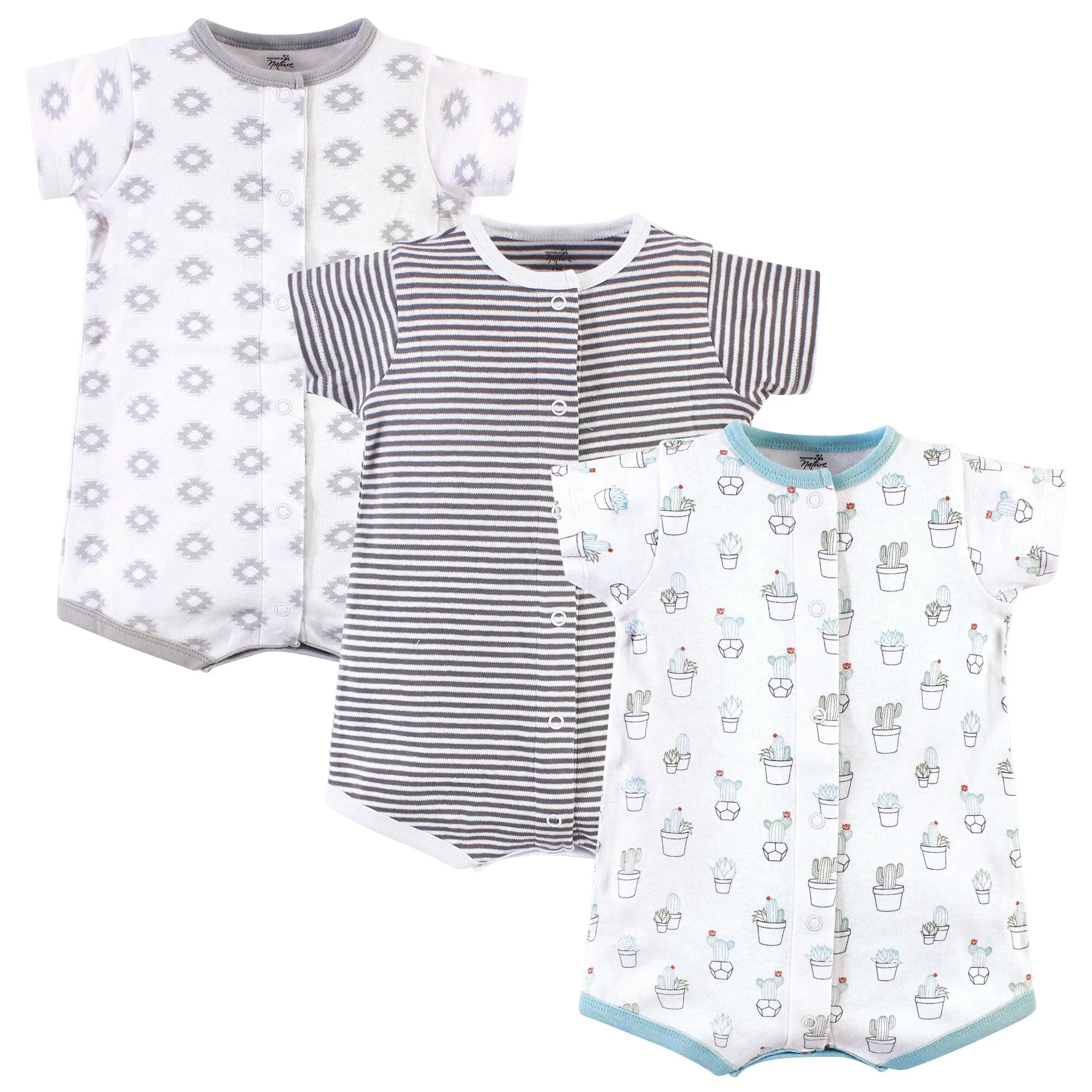
Touched by Nature Organic Cotton Rompers, Cactus√Ǭâ€
-
Touched by Nature Organic Cotton Rompers, Nature Baby: Crafted from 100% breathable organic cotton; soft, gentle fabric for delicate newborn skin. Features secure snaps for easy, fuss‑free changing. The lightweight material is ideal for everyday wear, but its softness depends on avoiding high heat and harsh detergents.

Touched by Nature Organic Cotton Rompers, Nature Baby
-
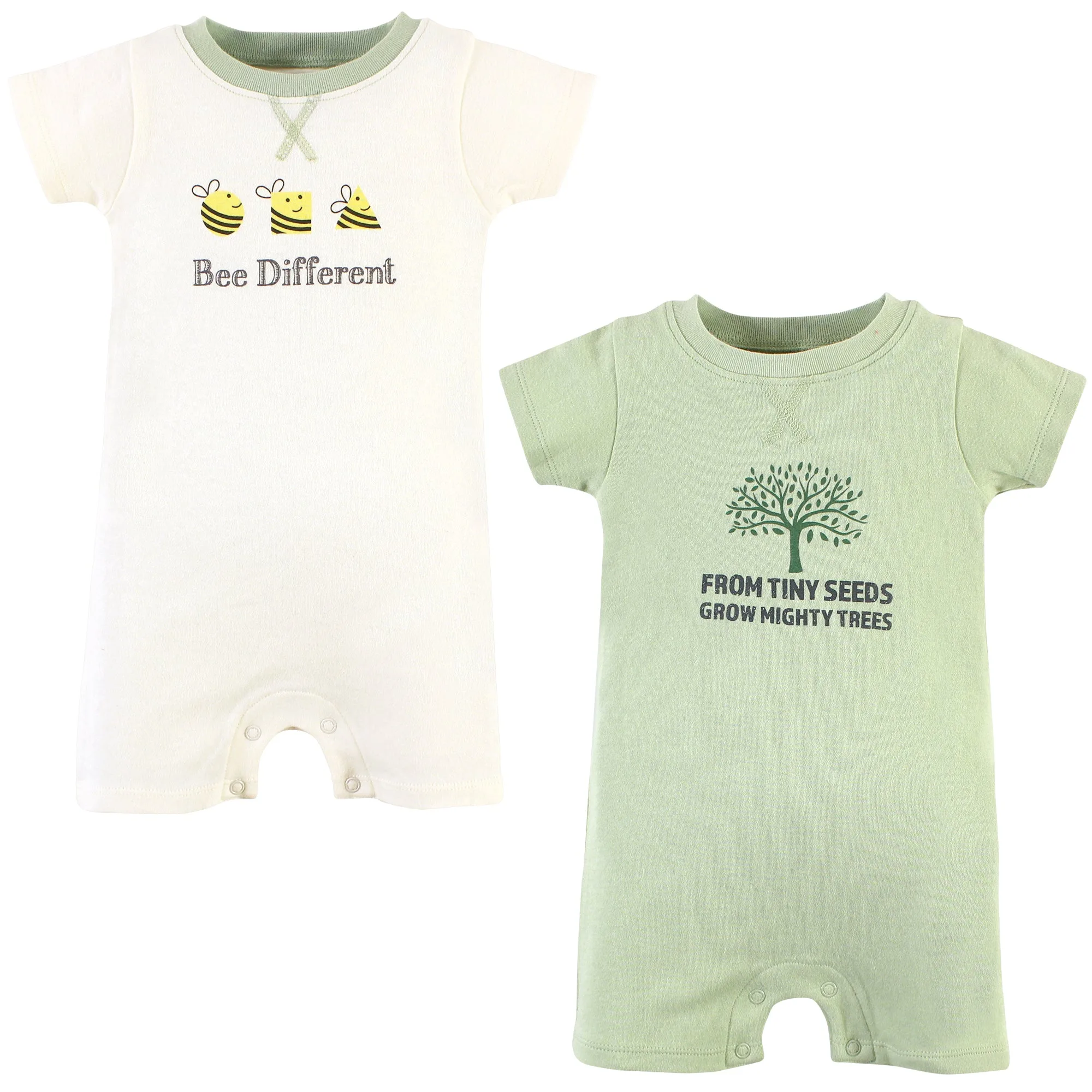
Touched by Nature Organic Cotton Rompers, Bee Different: Crafted from soft and breathable 100% organic cotton fabric. Features convenient snaps for quick diaper changes. Adorable Busy Pollinator print. The playful print stays vibrant longer when the romper is washed inside out and dried on low heat.
A Note on Stain Treatment
The catalog does not specify stain‑removal instructions for these rompers. As a general rule for organic cotton, treat stains promptly with a small amount of mild detergent and cool water, then wash as usual. Avoid bleach or harsh stain removers, which can weaken fibers and reduce softness over time.