Quick answer
Wash your bathrobe in cold water on a gentle cycle with a mild detergent, then air-dry flat or hang it to dry. Always check the care label first, because the right method depends on the fabric. This approach protects the fibers, keeps colors from fading, and helps the robe stay soft.
A bathrobe is one of the hardest-working pieces in your closet. It wraps you up after a shower, lounges with you on slow mornings, and sometimes doubles as a cover-up. That daily contact with water, skin oils, and product residue means it needs regular washing, but the wrong method can leave it stiff, pilled, or faded.
The good news is that most robes are easy to care for once you know a few rules. This guide walks through an ordered process, from reading the label to storing the robe, with checkpoints to avoid common mistakes. The same habits that keep a robe soft also apply to other everyday staples, like the underwear and loungewear you wear on repeat.
Start with the care label, not the wash cycle
Before you do anything, find the care label sewn inside the robe. It tells you the fiber content and the maximum water temperature the maker recommends. If the label says dry clean only, follow that. If it gives a temperature like 30°C or 40°C, treat that as a ceiling, not a target. When the label is missing or unreadable, choose the gentlest option: cold water, mild detergent, and air-drying.
Fabric type changes everything. Cotton and cotton-blend robes tolerate warmer water and a normal cycle better than modal, lyocell, or microfiber. Terry cloth is heavy when wet and needs extra room to move. If you are unsure, err on the side of cold water and a short cycle. You can always wash again, but you cannot undo heat damage.
- Checkpoint: snap a photo of the care label so you do not have to hunt for it next time.
- Common mistake: assuming all robes can be washed the same way because they feel similar.
Pre-treat stains and close all fastenings
Deal with stains before the robe goes in the machine. Blot, do not rub, any fresh spill with a clean cloth. For deodorant marks or lotion residue along the collar and cuffs, apply a small amount of mild detergent directly to the area and let it sit for a few minutes. Rubbing a stain aggressively can push it deeper into the fibers and rough up the surface.
Fasten any buttons, ties, or hooks before washing. Loose ties can wrap around other items or get caught in the drum, and open hooks can snag the fabric. If the robe has a belt, either tie it loosely or wash it separately in a mesh bag. This small step prevents the stretching and pilling that come from a belt tangling during the spin cycle.
- Checkpoint: if the stain is old or set in, treat it again after washing rather than using hotter water.
- Common mistake: using bleach on colored robes, which can cause permanent patchy fading.
Choose the right detergent and load size
Use a mild, liquid detergent formulated for delicate fabrics. Powder detergents can leave residue in thick terry cloth, and harsh formulas strip the natural softness from cotton and plant-based fibers. Measure according to the load, not the size of the robe. Too much detergent is a common cause of stiff, scratchy fabric because it does not rinse out completely.
Wash the robe with similar colors and similar weights. A heavy terry robe tumbling with lightweight tank tops can cause unnecessary friction. If you are washing a single robe, add a couple of towels to balance the load, but keep the drum about two-thirds full so the robe has room to move. Overloading prevents proper rinsing and can set wrinkles.
- Checkpoint: if you see foam on top of the water during the wash, you used too much detergent.
- Common mistake: pouring detergent directly onto dry fabric, which can leave a faded spot.
Pick the gentlest wash cycle and temperature
Select a delicate or gentle cycle with a low spin speed. Cold water is safest for all fabrics, especially dark or saturated colors. If the care label allows warm water and the robe is heavily soiled, you can use it, but cold water handles most everyday freshening. A long, aggressive cycle is harder on fibers than a short, gentle one.
For robes made of modal, lyocell, or microfiber, keep the temperature cold and the cycle short. These fibers are smooth and comfortable but can lose their shape or develop pills when exposed to heat and friction. Cotton and cotton-blend robes are more forgiving, but they still benefit from a gentle cycle that reduces wear over time.
- Checkpoint: when in doubt, choose the shortest cycle and the coldest setting available.
- Common mistake: using a heavy-duty cycle because the robe feels sturdy.
Skip fabric softener and dryer sheets
Fabric softener and dryer sheets coat fibers with a waxy film. On robes, that film reduces absorbency and can make the fabric feel slick rather than genuinely soft. It also builds up over time, trapping odors and dulling colors. If you want extra softness, add a half-cup of white vinegar to the rinse cycle instead. It helps remove detergent residue and leaves no vinegar smell once dry.
For static cling, reduce drying time rather than reaching for a sheet. Over-drying is the main cause of static and stiffness. If the robe still feels rough after drying, a short tumble on low with a clean, dry towel can help fluff the fibers without adding any coating.
- Checkpoint: if your robe feels less absorbent than it used to, softener buildup is a likely cause.
- Common mistake: using softener to fix stiffness that actually comes from too much detergent.
Dry flat or hang, and reshape while damp
Air-drying is the safest choice for almost every robe. Lay heavy terry robes flat on a drying rack so the weight of the wet fabric does not stretch the shoulders. Lighter robes can hang on a padded hanger, but avoid direct sunlight, which can fade colors. If you use a dryer, choose the lowest heat setting and remove the robe while it is still slightly damp.
While the robe is damp, smooth out the seams and reshape the collar, cuffs, and belt. This is also the moment to check for any remaining stains before the fabric dries completely. Hanging a damp robe in a well-ventilated room rather than a closed closet prevents musty odors and lets air circulate through the fabric.
- Checkpoint: if the robe feels stiff after air-drying, it may not have rinsed fully; run a short rinse cycle.
- Common mistake: drying a heavy robe on a radiator or in direct sun, which can shrink or fade it.
Store the robe so it stays fresh between washes
Once the robe is completely dry, hang it on a hook or a wide hanger in a spot with airflow. Do not fold a damp robe into a drawer or pile it on a chair, because trapped moisture encourages mildew and a sour smell. If you rotate between two robes, give each one a full day to air out before wearing it again.
Wash your robe every three to four wears, or more often if you wear it right after lotion, sunscreen, or a workout. The same principle applies to other close-to-skin items in your drawer. Underwear, for example, should be washed after every wear, and the care habits you use for your robe, like cold water and mild detergent, work well for those pieces too.
- Checkpoint: if the robe smells musty even when clean, it may not be drying fully before storage.
- Common mistake: storing a robe in a plastic bag, which traps moisture and odors.
Your step-by-step bathrobe washing routine
- Check the care label: Read the fiber content and maximum temperature. If it says dry clean only, stop here and take it to a professional. Otherwise, note the recommended water temperature and drying method. No label? Use cold water, mild detergent, and air-dry.
- Pre-treat stains and fasten closures: Blot fresh stains, apply a little mild detergent to collars and cuffs, and fasten buttons, ties, and hooks. Place the belt in a mesh bag if it is separate. Never rub a stain aggressively; it can damage the fabric surface.
- Load the machine correctly: Wash with similar colors and weights. Keep the drum about two-thirds full so the robe can move freely. Use a mild liquid detergent and measure carefully. Too much detergent leaves residue that makes fabric stiff.
- Select a gentle cycle and cold water: Choose delicate or gentle, low spin, and cold water. For modal, lyocell, or microfiber robes, keep the cycle short. Cotton blends can handle slightly warmer water if the label allows. When unsure, colder and shorter is always safer.
- Skip softener and dryer sheets: Do not add fabric softener or dryer sheets. If you want extra softness, add half a cup of white vinegar to the rinse cycle instead. Softener buildup reduces absorbency and traps odors.
- Dry flat or hang to air-dry: Lay heavy robes flat on a rack. Hang lighter robes on a padded hanger away from direct sun. If using a dryer, choose the lowest heat and remove while slightly damp. Reshape seams and cuffs while the robe is still damp.
- Store with airflow: Make sure the robe is completely dry, then hang it on a hook or wide hanger with space around it. Never store a damp robe in a closed drawer or plastic bag. Wash every three to four wears, or after heavy sweating.
Everyday care habits that apply to your other essentials
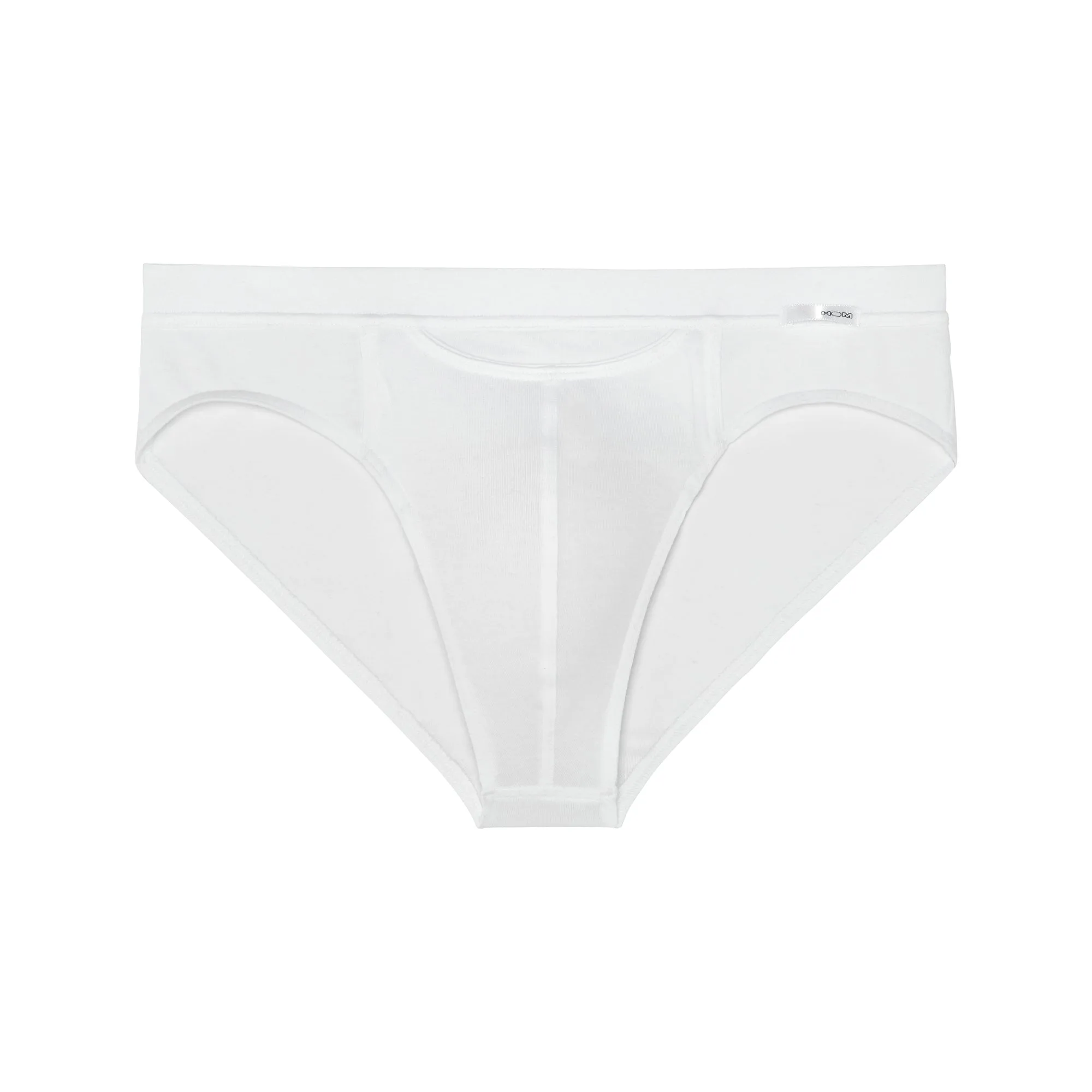
- Tencel Soft Comfort Mini Briefs Ho1 | White 402464-0003: Made of 97% lyocell and 3% spandex, a material derived from wood pulp that is four times more absorbent than cotton, and the manufacturing process requires little water. Lyocell is durable and does not crease, so it responds well to the same cold-water, gentle-cycle approach you use for a soft bathrobe. Avoid hot water and harsh detergent to keep the fabric smooth.
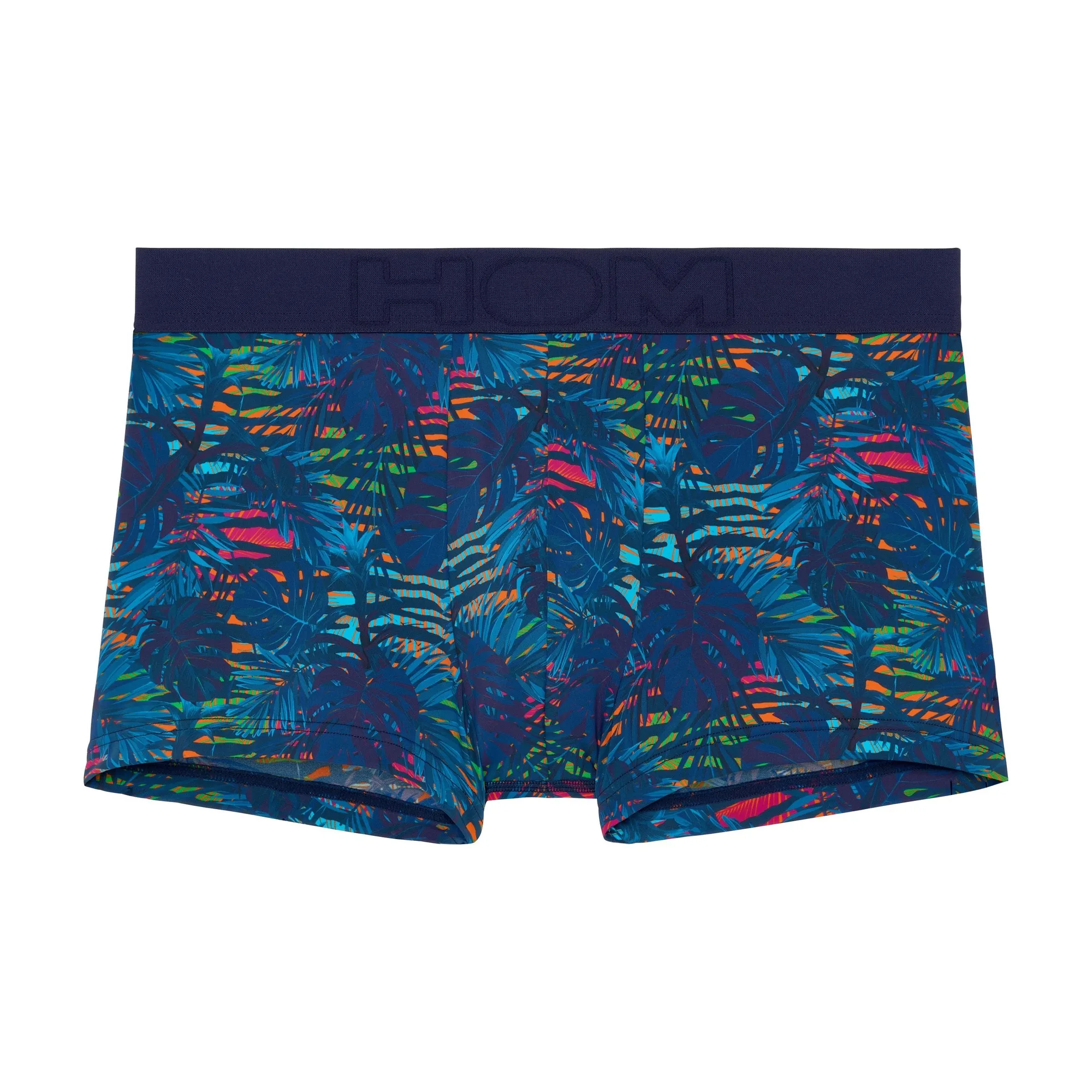
- Dreamland Trunk | Navy Blue Print 402955-P0NB: Made from polyamide and elastane with a fresh, soft, and silky fabric that is breathable and comfortable to wear all day. Synthetic blends like this dry quickly and keep their shape, but they can pill if washed with heavy items. Use a mesh bag and a low spin speed to protect the surface.
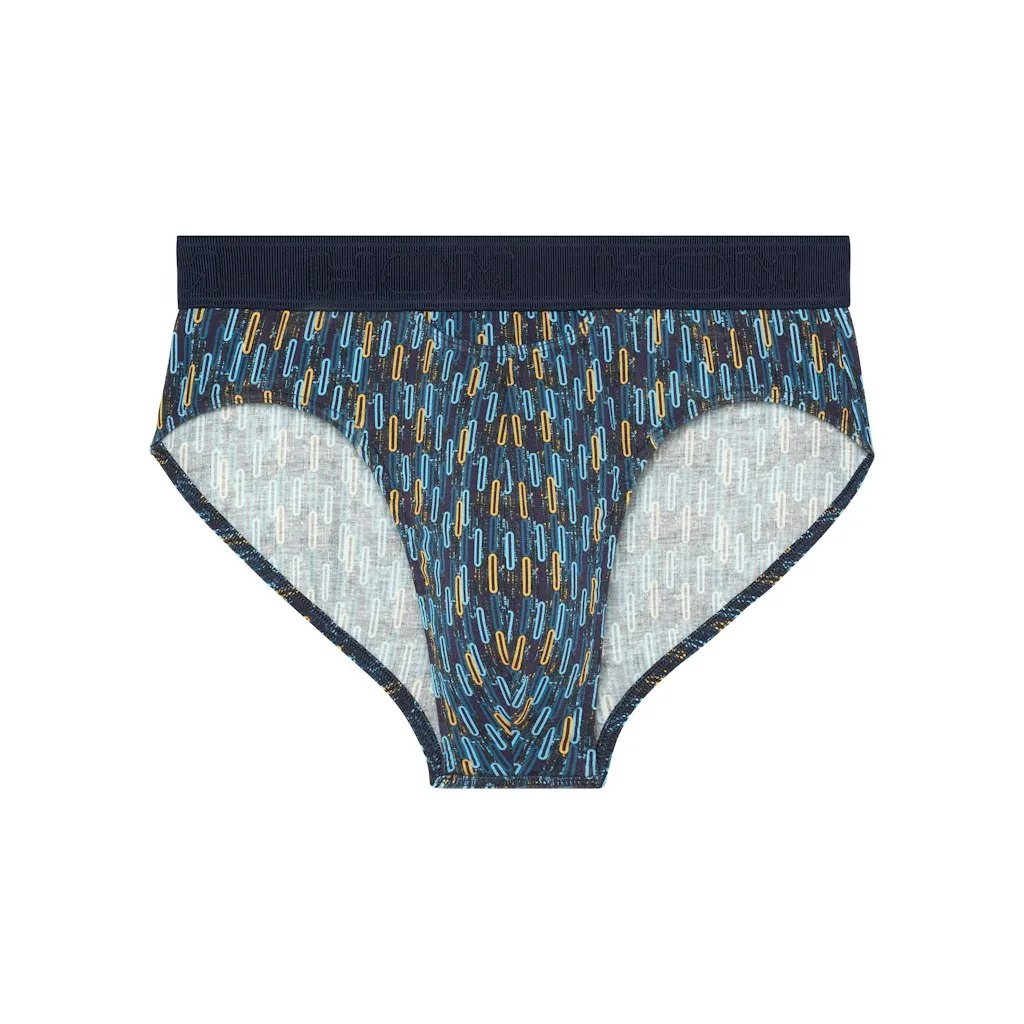
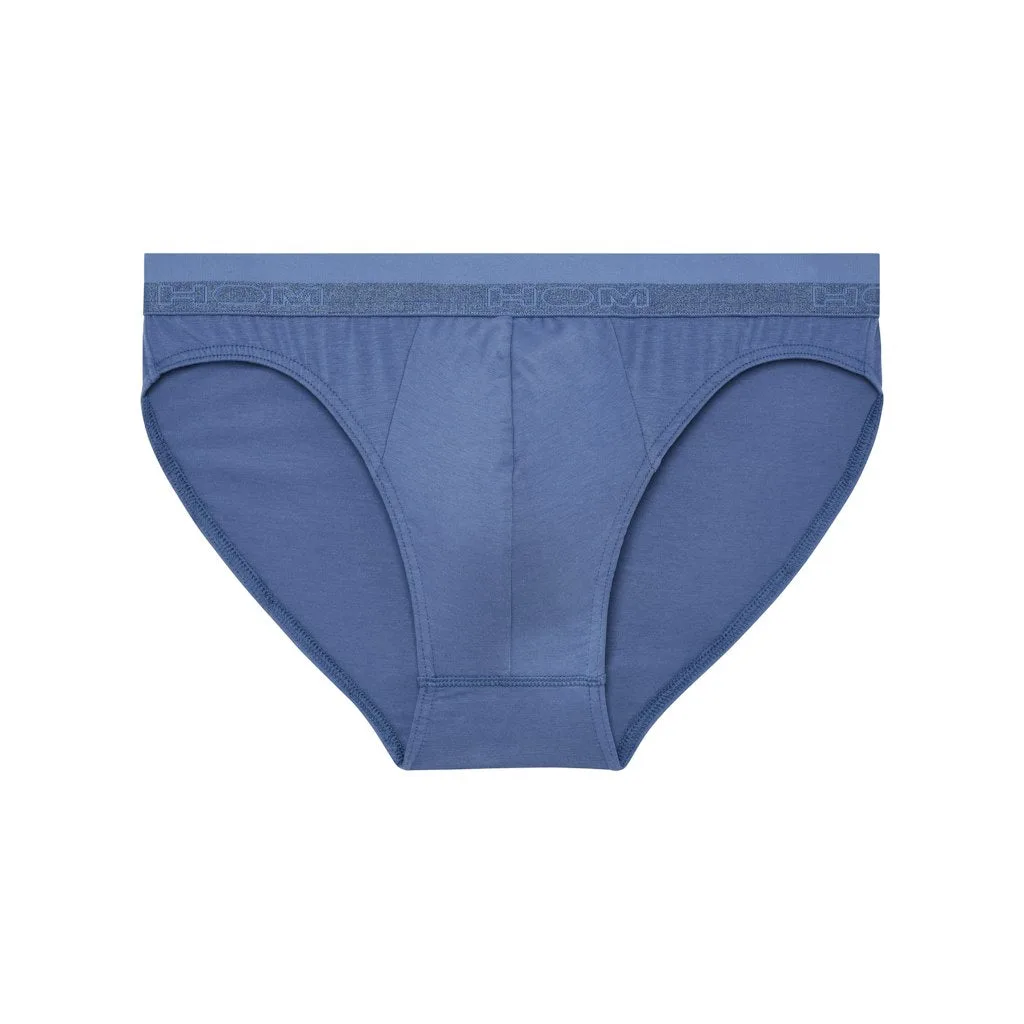
- Westgate Mini Briefs HO1 | Blue Print 403197-I0BI: The fabric is a blend of cotton, modal, and elastane, combining flexibility and resistance, with a feeling of freshness and comfort against the skin. Cotton-modal blends are soft but can shrink with heat. Wash in cold water and air-dry to preserve the fit and the bold blue and yellow print.
Washing a bathrobe well comes down to a few consistent habits: read the label, use cold water and mild detergent, skip softener, and dry it gently. Those steps protect the fabric, keep the color rich, and preserve the softness you feel every time you put it on. Apply the same care to your everyday underwear and loungewear, and your whole drawer stays comfortable for longer.