Start with the sock you actually own
The Athletic Brewing DeFeet 6" Aireator Sock is an ankle sock with a breathable, moisture-wicking knit and a classic design. That knit is the part you are protecting every time you wash. The supplied product information does not include a printed care label, fiber composition, or temperature setting, so the routine below sticks to habits that are safe for performance knits in general rather than pretending to quote a manufacturer instruction.
If your pair came with a hangtag or label, that label wins over any general advice here. The goal is simple: clean the sock, keep the elastic and knit shape intact, and avoid the heat that causes most shrinkage complaints.
A low-risk wash routine for Aireator socks
Treat these as sensible defaults for a moisture-wicking ankle sock, not as steps copied from an Athletic Brewing care label.
- Turn the socks inside out: Washing inside out moves friction away from the outer knit face and helps rinse skin oils and grit out of the inner surface that sits against your foot.
- Keep the load separate from heavy hardware: Wash socks with soft items rather than jeans with zippers, hooks, or rough canvas. Abrasion is harder on thin performance knits than on a cotton t-shirt.
- Choose a cool or cold water setting: Heat is the usual suspect in sock shrinkage. Cool water cleans everyday sweat and road grit without the thermal stress of a hot cycle.
- Use a mild detergent and skip fabric softener: Softener and dryer sheets can coat moisture-wicking fibers and reduce the breathability the Aireator knit is chosen for. A small amount of ordinary detergent is enough for a pair of ankle socks.
- Skip chlorine bleach: Bleach attacks elastic and can dull the knit. If the socks need freshening, a longer wash cycle or an oxygen-based cleaner is a gentler route than chlorine.
How to dry DeFeet socks without shrinking them
Air drying is the single easiest way to reduce shrinkage risk. After washing, reshape each sock while it is damp, smooth the cuff so it is not twisted, and lay it flat or hang it where air can move around both sides. A mesh drying rack or the edge of a laundry basket works fine.
If you must use a dryer, choose the lowest heat setting and take the socks out while they are still slightly damp. High heat is what tightens knit and elastic, and it is the step most likely to leave you with a sock that fits differently than it did on day one. Avoid hanging socks directly on a hot radiator or leaving them on a sunny dashboard, since that is concentrated heat by another name.
What to do if your Aireator socks already feel tight
The supplied product record does not describe shrinkage behavior, fiber content, or a recovery method, so there is no verified instruction for reversing a shrunken sock. What you can do is avoid making it worse: switch to cool washing, stop using the dryer, and let the sock air dry after a cool wash. If a sock has already changed shape, treat that as a signal to check your laundry routine rather than as a product defect claim.
For future pairs, note the size on the cuff before the first wash. The Aireator sock is offered in SM and MD, and having a baseline makes it easy to spot a fit change after a few laundry cycles.
Product facts behind this care routine
-
Athletic Brewing DeFeet 6" Aireator Sock: Athletic Brewing DeFeet 6" Aireator Sock is an ankle sock with a breathable, moisture-wicking knit and a classic design. The breathable, moisture-wicking knit is the reason to avoid fabric softener, dryer sheets, and high heat, all of which work against those properties.
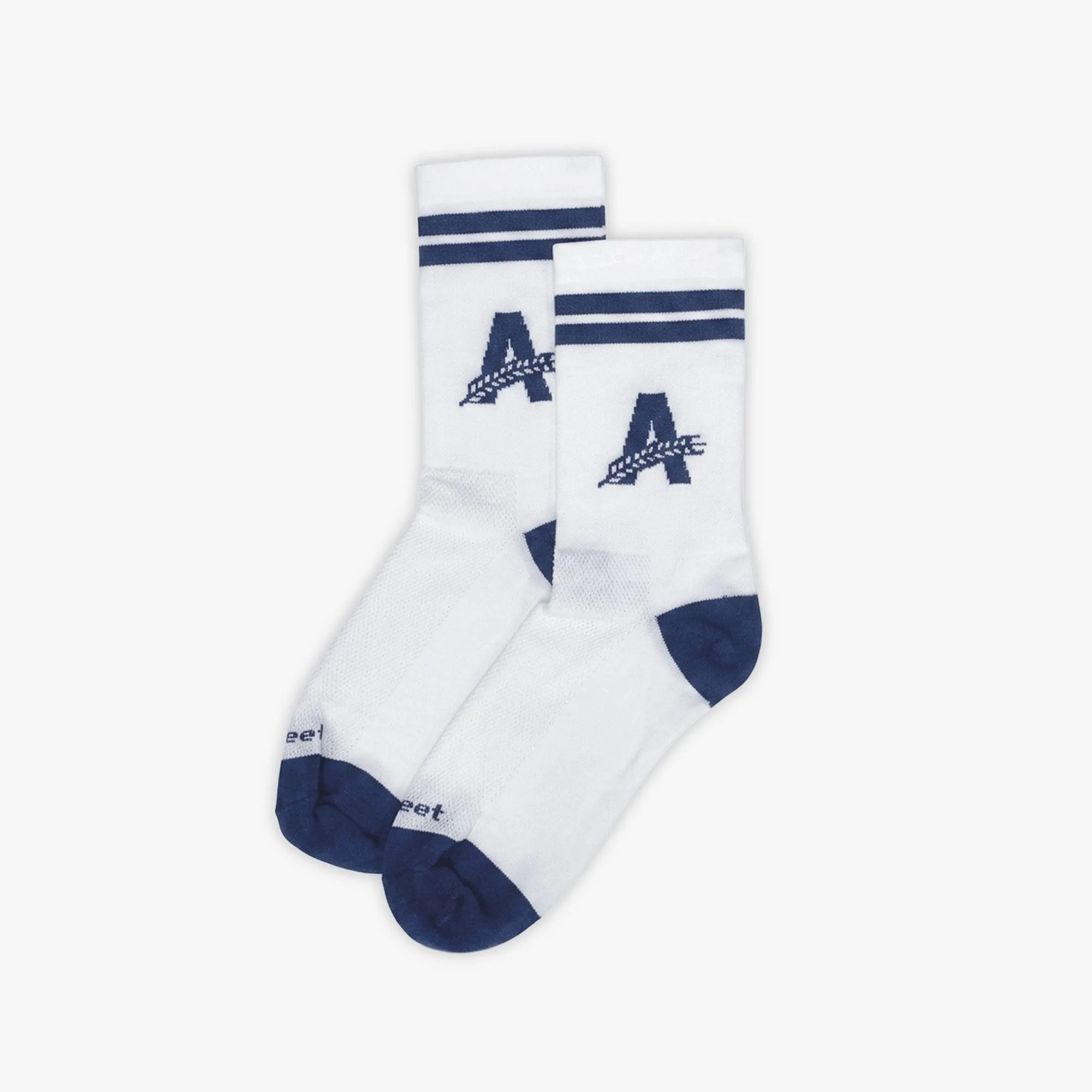
Athletic Brewing DeFeet 6" Aireator Sock
-
Athletic Brewing DeFeet 6" Aireator Sock: Available sizes are SM and MD. Record your size before washing so you can tell whether the fit has changed after a laundry cycle.
What the supplied information does not confirm
The product record does not list fiber composition, a care label, a water temperature, a drying method, or a shrinkage rate. That means the routine above is general best practice for performance socks, not a manufacturer specification. If your pair includes a care tag, follow it. If you are choosing between sizes and are unsure, the catalog does not provide a size chart, so use your usual sock size as the starting point and keep your laundry routine gentle.