Quick answer
Hand wash delicate lingerie in cool water with a drop of gentle soap, soak for a few minutes, then rinse without wringing. Press the water out in a towel and dry flat away from heat. Skip the dryer and fabric softener entirely; both break down stretch fibers and lace.
Delicate lingerie fails in predictable ways: stretched bands, snagged lace, and padding that bunches after one hot cycle. The fix is not a special product. It is a short, consistent routine that treats stretch fabric and lace like what they are, which is fine material that prefers cool water and no agitation.
This guide walks through the full process, from sorting to drying, with the checkpoint that matters at each stage. It works for everyday bras and panties as well as lace-trimmed pieces like the Alice and Natacha styles.
Before you start: sort and read the label
Separate lights from darks and keep anything with hooks away from lace to prevent snags. Check each care label for fiber content and any specific instruction. Most delicate pieces here are blends such as 86% polyamide and 14% elastane, which tolerate cool water but not heat.
The common mistake is tossing everything into one load because the colors look similar. A single dark item can tint pale lace, and a hook can pull a thread in seconds. Take thirty extra seconds to sort and you avoid most damage before washing begins.
- Fasten hooks and clasps before washing to stop them catching on lace.
- Turn padded bras inside out so the foam side faces away from other items.
Use cool water and a small amount of gentle soap
Fill a clean sink or basin with cool water and add a drop of gentle detergent or lingerie wash. Swish it in before adding garments so the soap is evenly diluted. Hot water and undiluted detergent are the two fastest ways to dull lace and weaken elastic.
Do not use fabric softener or bleach. Softener coats fibers and reduces the stretch that gives a bra its lift, while bleach damages both lace and elastic. If you are washing a padded bra, keep the water cool and the soap minimal so the foam does not absorb excess moisture.
- If the water feels warm to your wrist, it is too warm for delicate fibers.
- One teaspoon of soap is enough for a sink of lingerie.
Soak briefly, then press rather than scrub
Let the pieces soak for three to five minutes. Gently squeeze the soapy water through the fabric with your hands, focusing on the band and underarm areas where body oils collect. Do not rub lace against itself or scrub stains, because friction is what causes pilling and pulls.
Drain the sink and refill with cool water to rinse. Repeat until the water runs clear. The checkpoint here is simple: if you see bubbles, keep rinsing. Leftover soap residue makes lace stiff and can irritate sensitive skin.
- Never wring or twist a bra; it distorts the underwire casing and cup shape.
- For a spot treatment, dab gently with soapy fingertips instead of rubbing.
Remove water with a towel, then dry flat
Lay the rinsed pieces on a clean, dry towel and roll the towel up to press out excess water. Do not twist the roll. Then reshape cups by hand and lay the lingerie flat on a drying rack or another dry towel. If you are drying a padded bra, smooth the foam back into place before it sets.
Keep everything away from radiators, direct sun, and the dryer. Heat is the main enemy of elastane, and a tumble cycle will break down the fibers that help a bra hold its shape. Hang straps only if the piece is lightweight; otherwise flat drying protects the band from stretching.
- Drying flat takes longer but preserves the fit of the band and cups.
- If you must hang, use a padded hanger and avoid clothespins on lace.
Your five-step delicate lingerie wash routine
- Sort and fasten: Separate lights from darks and close all hooks so they cannot snag lace. Turn padded bras inside out. Checkpoint: nothing with a hook is touching lace.
- Fill a cool basin: Add a teaspoon of gentle detergent to cool water and swish before adding garments. Never use hot water, bleach, or fabric softener. Checkpoint: the water feels cool, not warm, to your wrist.
- Soak and press: Soak three to five minutes, then gently squeeze soapy water through the fabric. Do not scrub or rub lace. Checkpoint: you are pressing, not wringing.
- Rinse until clear: Refill with cool water and rinse until no bubbles remain. Reshape cups by hand while damp. Checkpoint: clear water, no soap residue.
- Towel and dry flat: Roll in a towel to remove excess water, then lay flat away from heat and sun. Skip the dryer completely. Checkpoint: the piece is flat, not hanging by its straps.
What this means for Timpa pieces
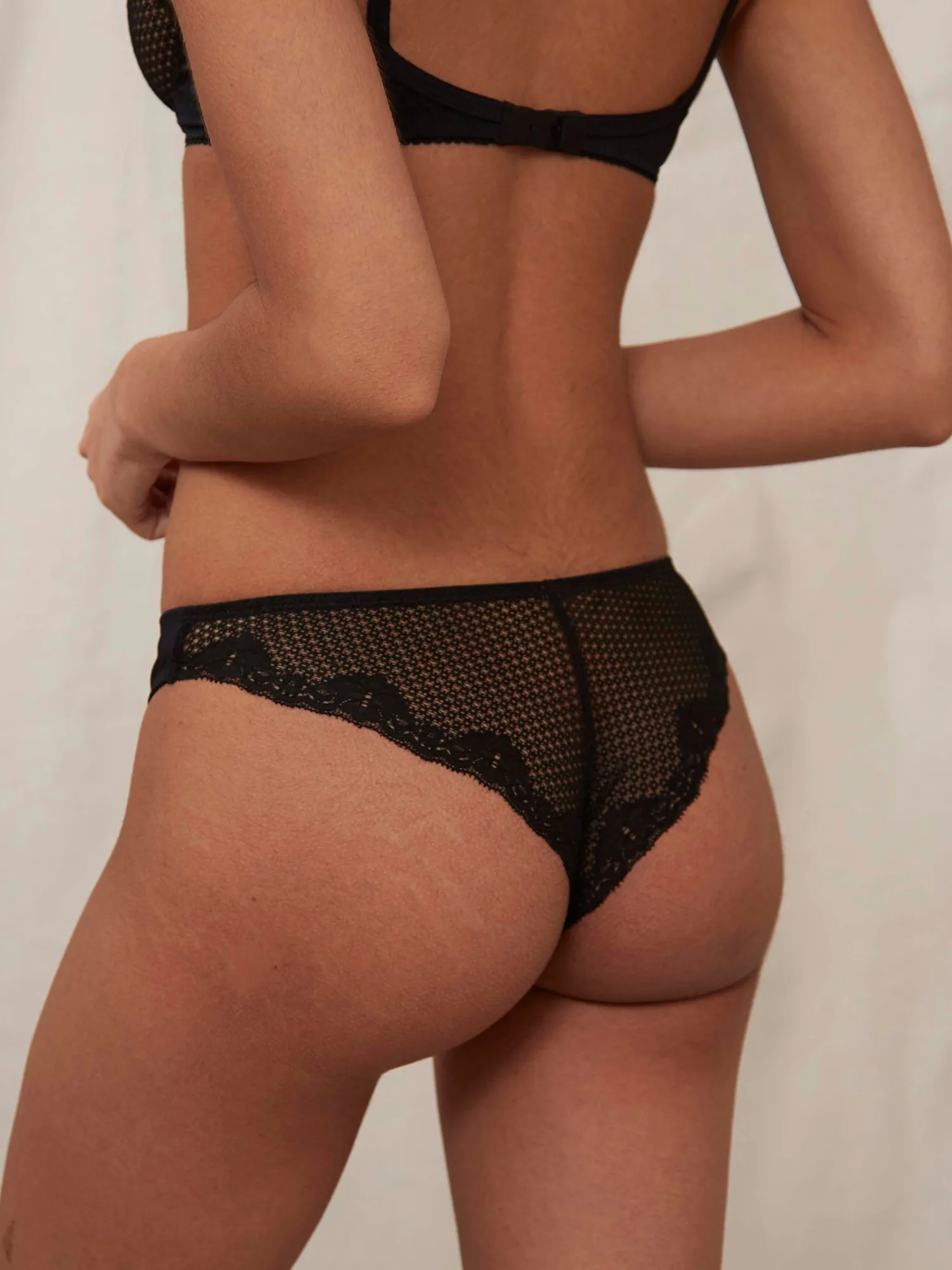
- Alice Brazilian: Low rise cheeky brazilian style with a back panel in soft crochet lace and a front panel in opaque stretch microfiber, 86% polyamide and 14% elastane, with a cotton gusset lining. Runs small, so size up. The lace back needs the gentle soak-and-press method, while the microfiber front tolerates the same cool wash but should never see the dryer. Because it runs small, confirm your size before washing so you are not stretching a too-tight band.
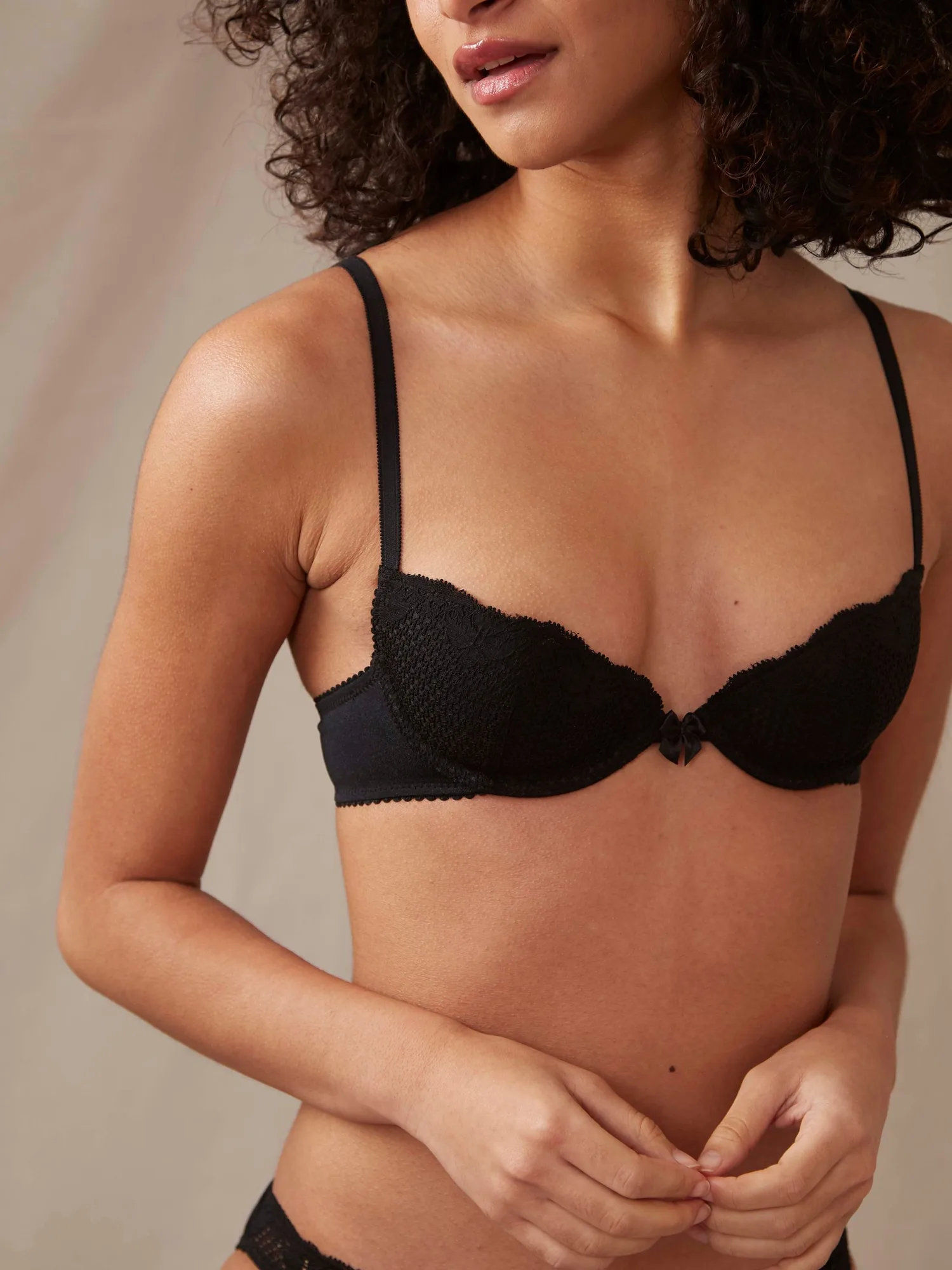
- Alice Padded Bra: Designed for smaller busts (A-C cups) with light foam padding and a delicate crochet lace overlay in a half-cup style. Foam padding holds water and can crease if wrung or machine dried. Press it in a towel and dry flat so the padding keeps its smooth, rounded shape.
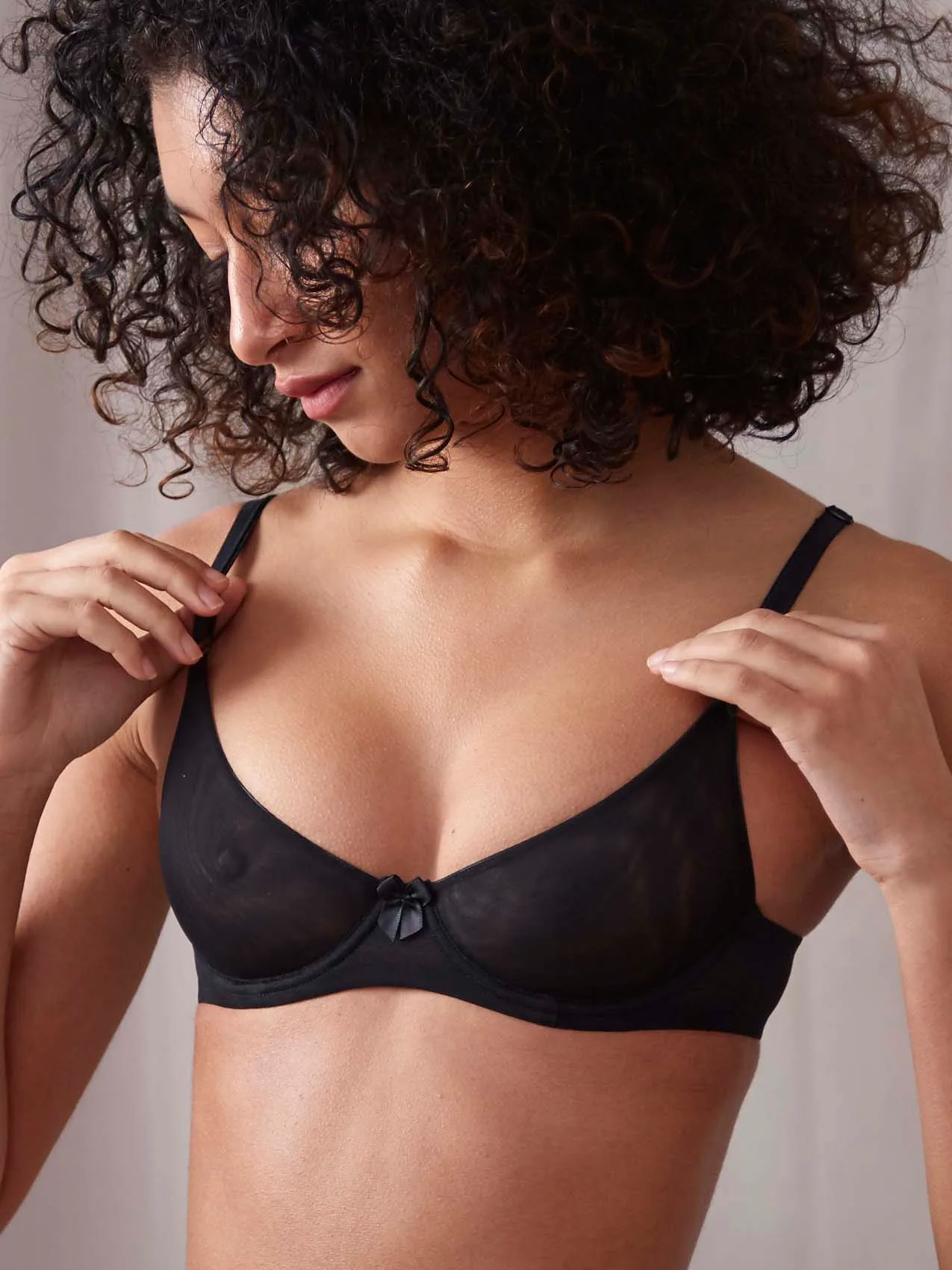
- Natacha Demi bra: Double-layered lightweight mesh with a moiré effect and no foam padding, offering the Timpa swoop and lift for petite frames. Mesh is strong but prone to snags, so keep it away from hooks and zippers in the wash. With no padding, it dries faster than a padded bra, but it still needs cool water to protect the elastic.
A five-minute hand wash is the cheapest way to keep lace, mesh, and padding looking new. Once the routine is set, delicate lingerie care stops feeling like a chore and starts protecting the fit you paid for.