Quick answer
Wash muslins, baby grows and leggings together at 30°C on a gentle cycle with a mild, non-biological detergent and no fabric softener. Skip the dryer, stretch knitted leggings back into shape while damp, and line dry or tumble on low. That single routine covers almost everything, because all three items are thin, stretchy and worn against skin.
Sort by fabric behaviour, not by colour alone
Most parents sort baby laundry by colour and stop there. The more useful split is by how each item behaves in water. Muslins are woven and get stiffer and rougher when washed hot or dried hard. Baby grows and leggings are knitted with stretch, so heat is what ages them: it relaxes the elastane, shortens the length and leaves cuffs baggy.
In practice, that means one pile for muslins, grows, leggings, bodysuits and socks, and a separate pile for anything with a waterproof layer, hook-and-loop fasteners or heavy stains. Fasteners catch on muslin weave and pull threads, so keep them apart.
- Wash new items before first wear to remove manufacturing residues.
- Turn printed grows and leggings inside out to protect the print.
- Close zips and poppers before the items go in the drum.
Set the temperature and cycle
30°C on a gentle or delicate cycle handles everyday soiling on muslins, grows and leggings and is kinder to stretch fibres than a hot wash. Reserve 40°C for genuinely soiled items, and only when the care label allows it — check the label first, because it is the authority on that specific garment, not a general rule.
Use a full but not packed drum. Overloading stops items moving, so soil stays in the fabric and creases set. If you are washing a single set of leggings, add a couple of towels to balance the load.
Choose detergent that rinses out cleanly
Mild, non-biological liquid detergent is the safer default for baby laundry. Biological formulas contain enzymes that break down protein stains, which is useful for milk and poop, but they are harsher on delicate skin and on bamboo and cotton blends over repeated washes.
Skip fabric softener and dryer sheets entirely. Softener coats fibres, which reduces the absorbency of muslin cloths and can leave a residue on anything worn next to skin. If you want softness, get it from the wash and dry method, not from an additive.
Dry and reshape before anything else
Shake each item out as it comes out of the machine, then reshape leggings and grow legs while they are still damp. Knitted fabrics hold the shape they dry in, so a leg that dries twisted stays twisted.
Line drying in shade or a low tumble dry protects stretch and print. High heat is the main cause of shrunken grows and leggings that suddenly seem a size too small. Muslins benefit from a brisk shake and a line dry; they soften with use rather than with heat.
- Dry zipped grows with the zip closed so the fabric does not pucker.
- Never leave damp laundry sitting in the drum — it sets odour.
Treat stains and smells without wrecking the fabric
Rinse milk, food and nappy stains in cold water as soon as you can, then wash normally. Hot water sets protein stains, so cold first is the rule. For stubborn marks, a short soak in oxygen-based stain remover is gentler than scrubbing, which abrades thin knitwear.
If items still smell after washing, the cause is usually a loaded drum or too much detergent rather than insufficient heat. Run a second rinse cycle instead of raising the temperature.
The seven-step wash routine
- 1. Read the care label first: Check every item before it goes in the basket and follow the lowest temperature on the label. Mistake to avoid: assuming all baby laundry can take 40°C.
- 2. Sort by fabric type: Keep muslins, grows and leggings together; separate anything with fasteners or a waterproof layer. Checkpoint: fasteners closed, prints turned inside out.
- 3. Pre-treat stains cold: Rinse milk and nappy stains in cold water, or soak briefly in oxygen-based stain remover. Mistake to avoid: hot water on protein stains, which sets them.
- 4. Load the drum loosely: Fill the machine but leave room for items to move; add towels to balance a small load. Checkpoint: you can still see the back of the drum.
- 5. Wash at 30°C with mild detergent: Use a gentle cycle and non-biological liquid detergent, and leave the softener out. Mistake to avoid: fabric softener, which coats fibres and reduces muslin absorbency.
- 6. Reshape while damp: Shake out each item and pull leggings and grow legs back into shape straight from the machine. Checkpoint: no twisted legs going onto the line.
- 7. Dry low and in shade: Line dry or tumble on low; keep heat away from stretch knit and prints. Mistake to avoid: high heat, the main cause of shrunken grows and baggy cuffs.
What this means for BABYGO® sleepsuits
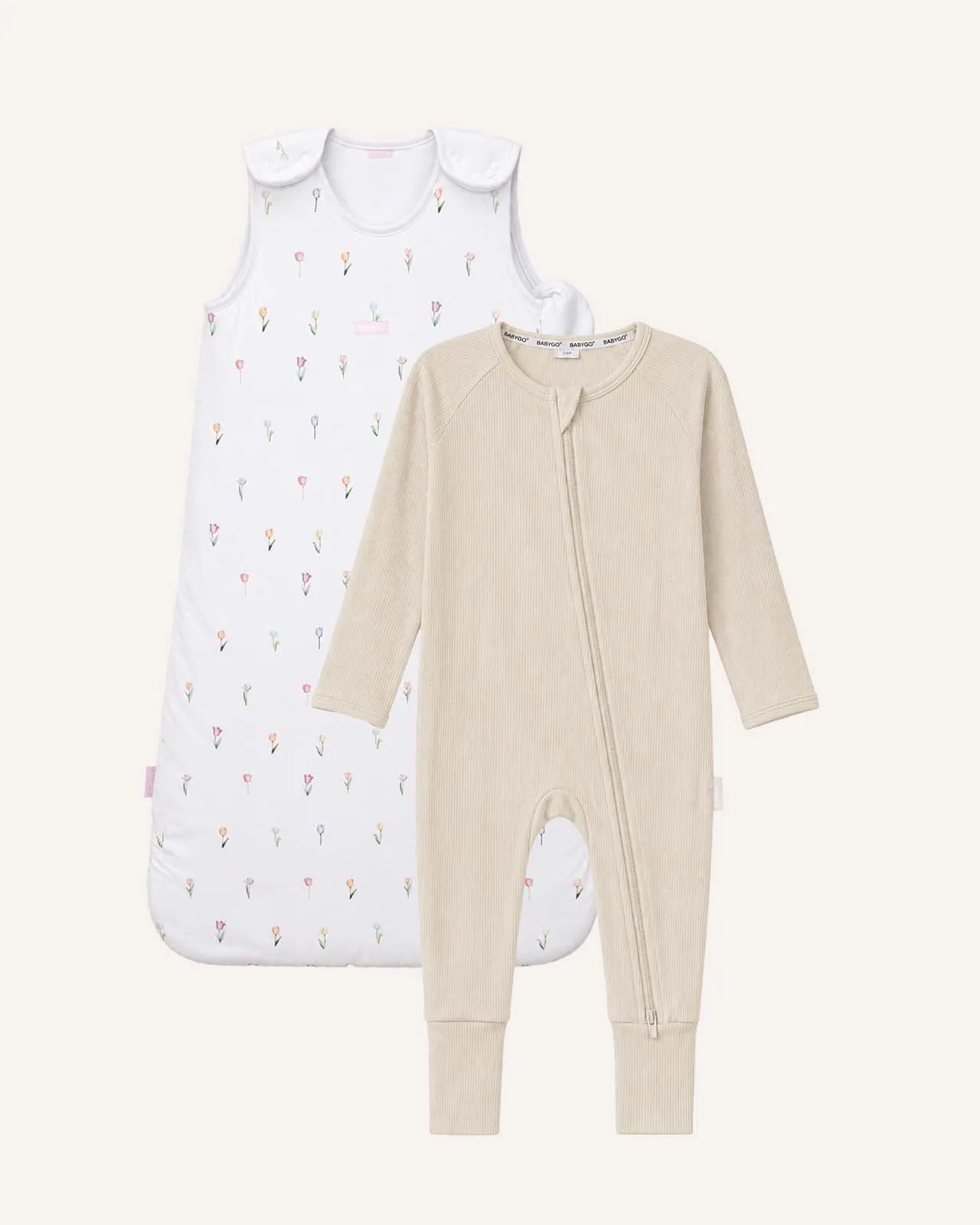
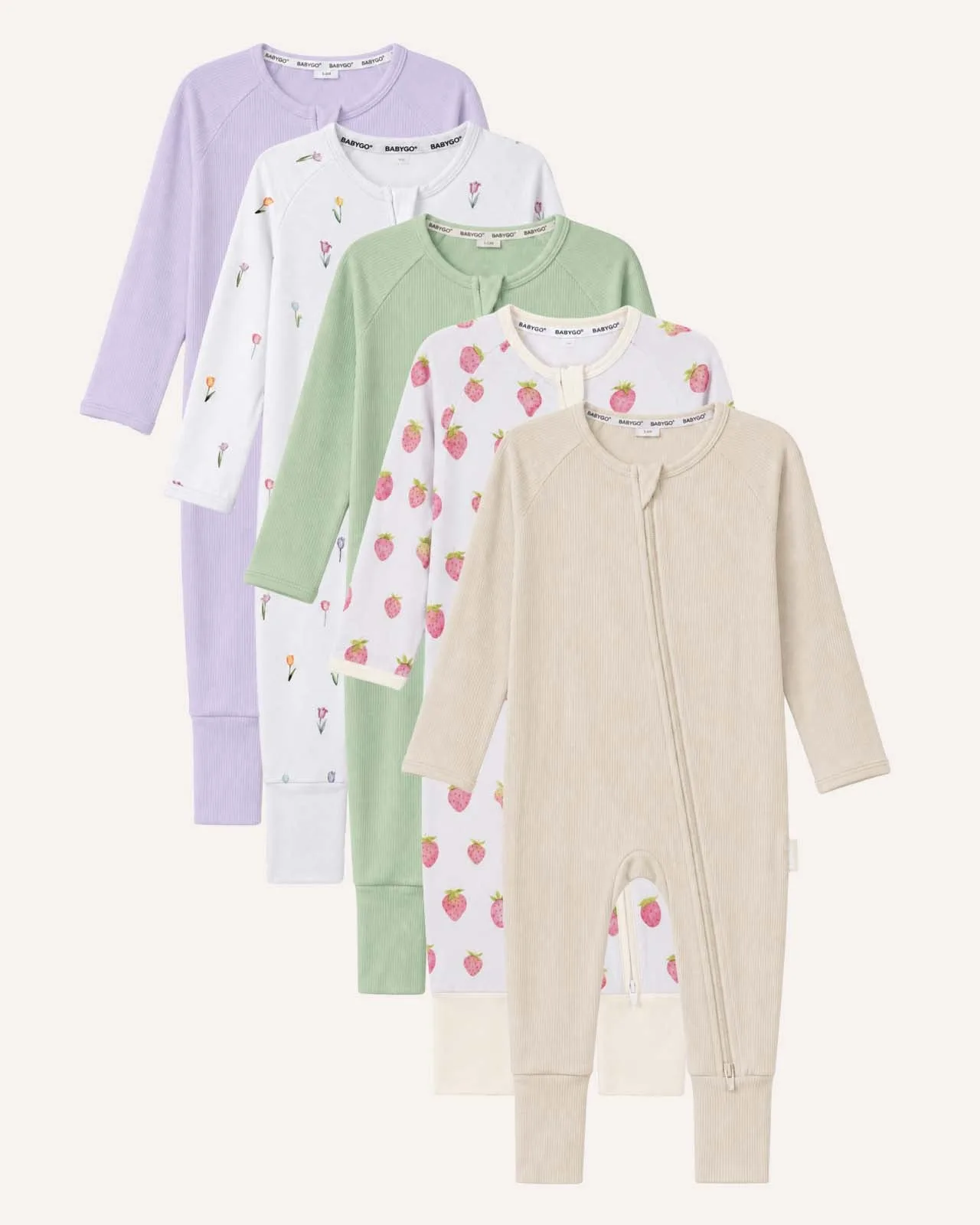
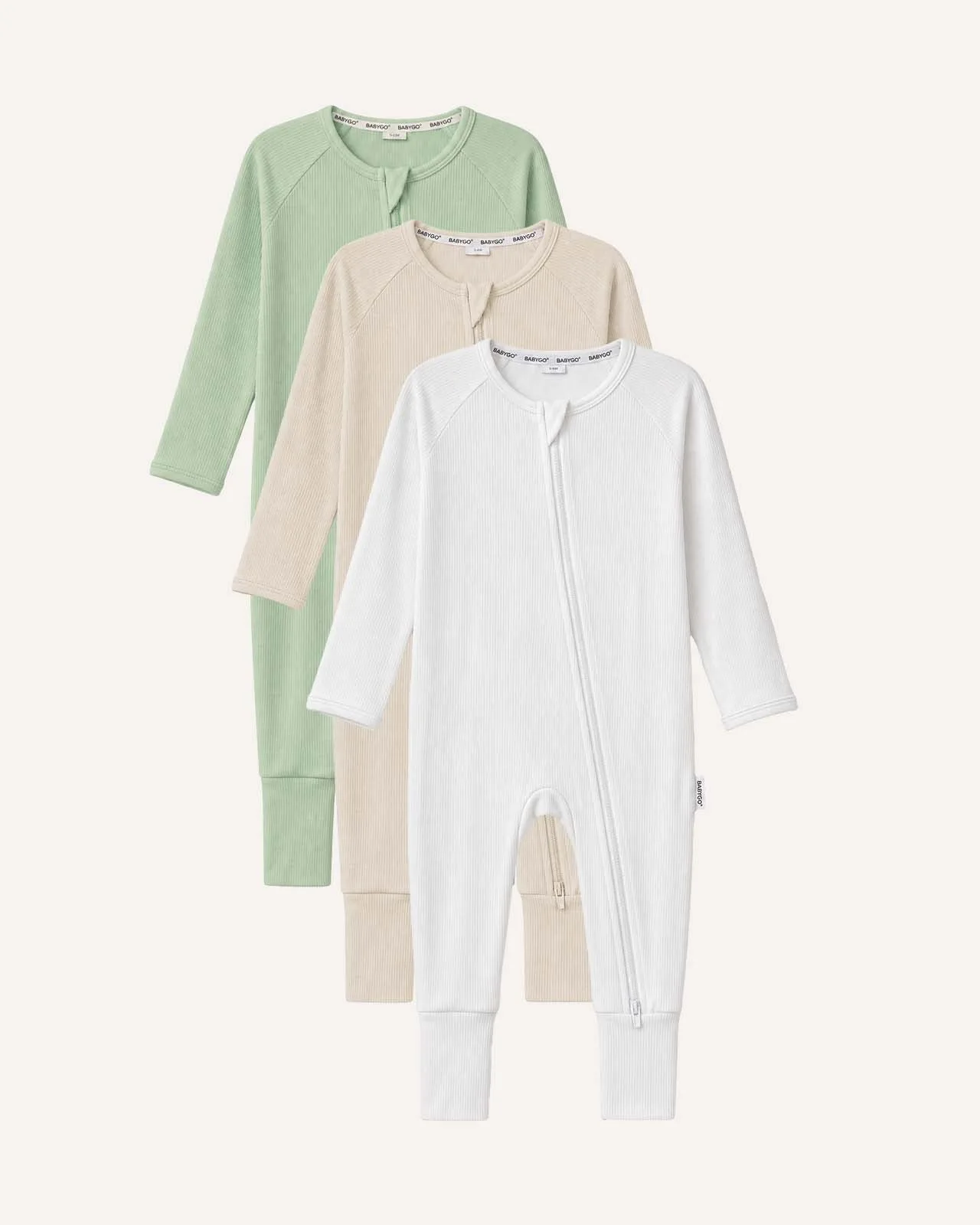
- BABYGO® Zip Sleepsuit | 3 Pack: https://babygoerx.com/products/zip-sleepsuit-3-pack-explorer-c161f904bc28530f8eb54f74-2410697https://babygoerx.com/products/zip-sleepsuit-3-pack-berry-bloom-aa3cae0e5387faf5a045ce1d-2410707https://babygoerx.com/products/zip-sleepsuit-3-pack-calm-6954c57e966f444abc292858-2410711https://babygoerx.com/products/zip-sleepsuit-3-pack-bloom-buzz-1dc9edd007c676846d744be3-2410713BABYGO® Zip Sleepsuit | 3 Pack is made from breathable bamboo fibres with thermo-regulating qualities and is described as naturally hypoallergenic. Bamboo knit responds badly to heat and softener, so the 30°C, no-softener routine above is exactly what keeps the fabric comfortable and absorbent over repeated washes.
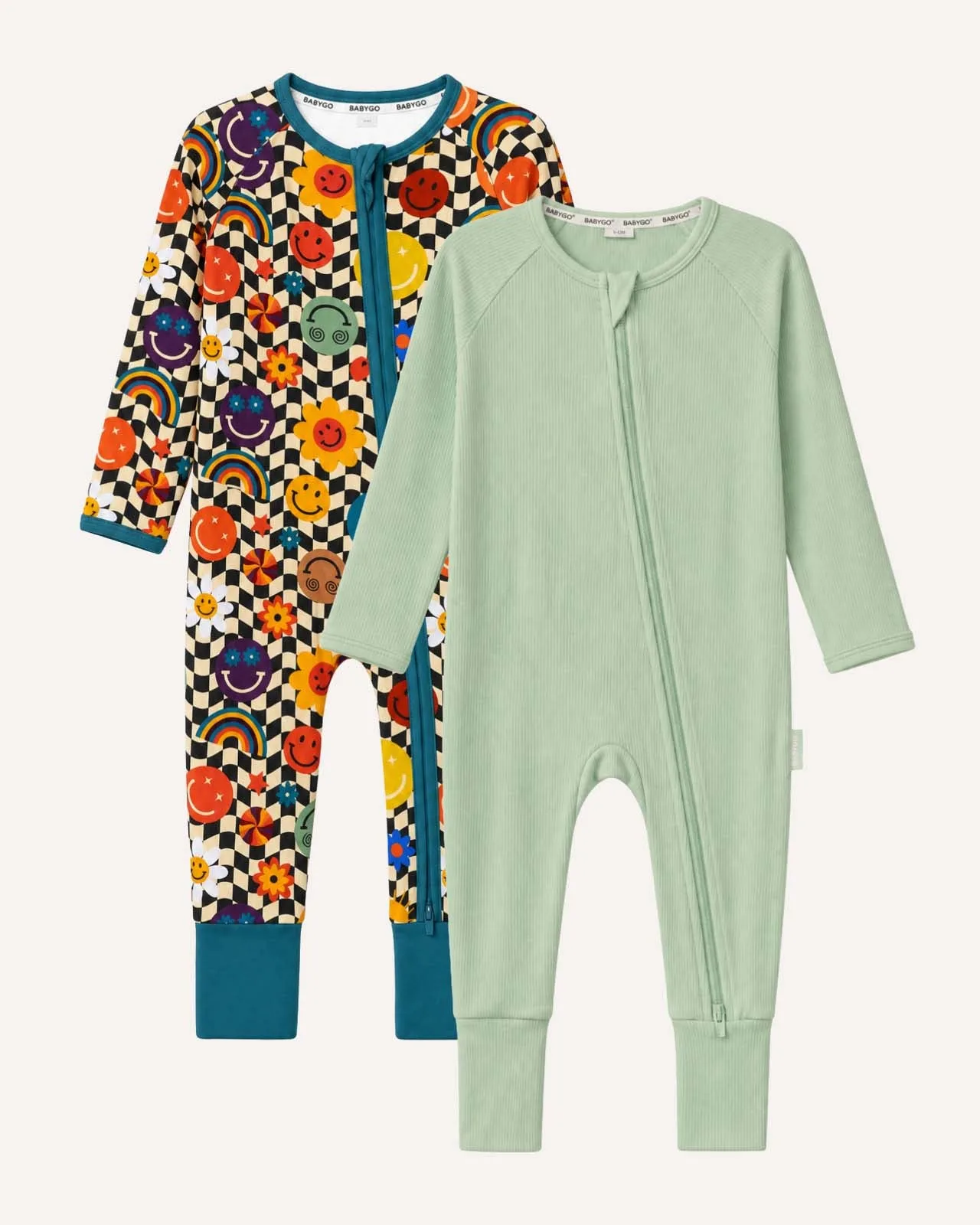
- BABYGO® Car Zip Sleepsuit: BABYGO® Car Zip Sleepsuit uses the same natural bamboo fibres and QikZip™ zip-up design for quick changes. A single zip means fewer fasteners to snag muslins in the drum, but close the zip before washing so the teeth do not catch on other items.