Getting the Right Fit
A hunting bandolier belt needs to sit securely on your waist without shifting as you move through brush or swing on a bird. All three Leather Bond belts are fully adjustable, so you can dial in the length for a snug fit that stays put over a shirt or light jacket. The belt should be tight enough that it doesn't sag under the weight of shells but not so tight that it restricts your breathing or movement.
What the Belts Offer
-
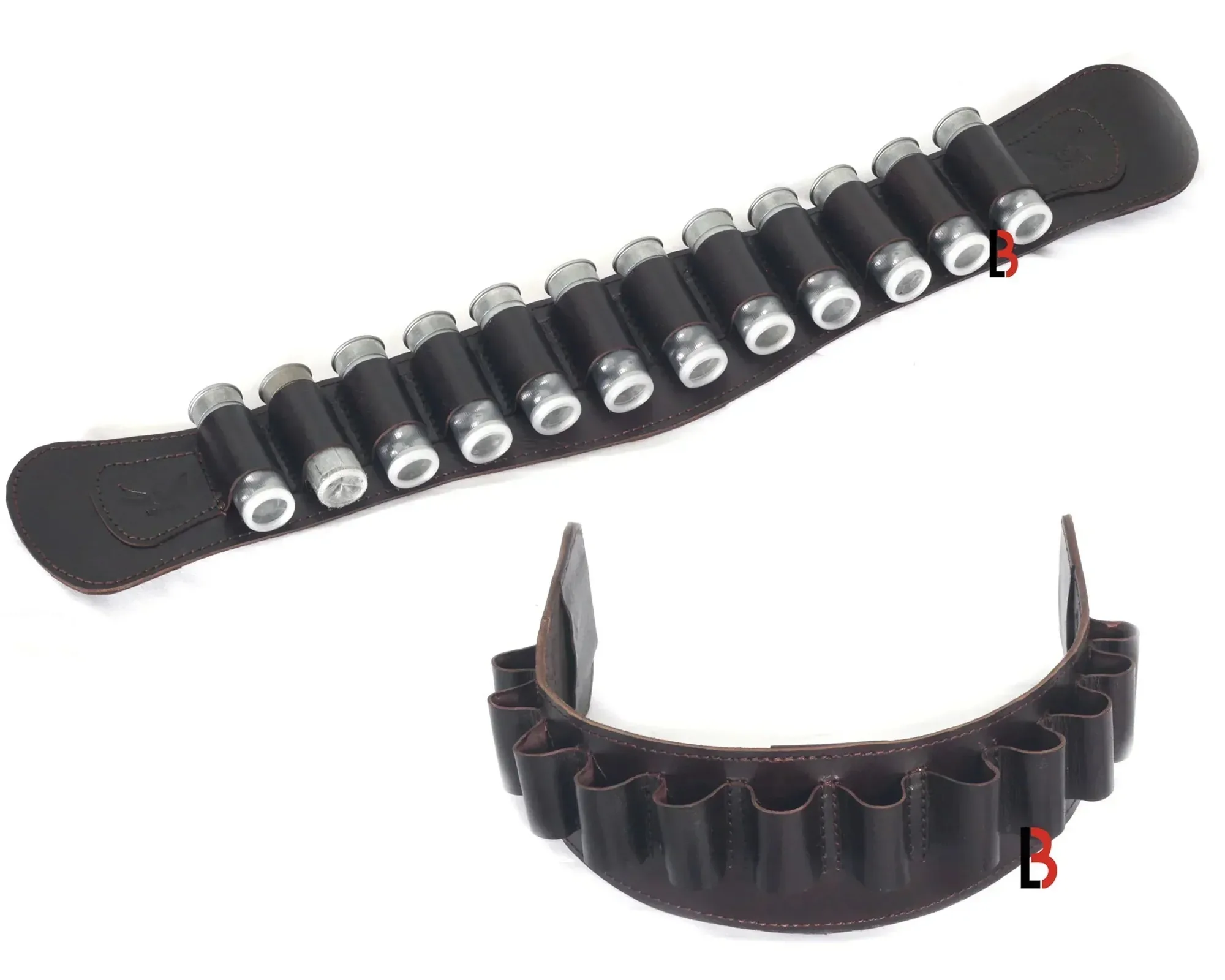
Cowhide Leather Shotshell Bandolier Belt 20-Shell Ammunition Carrier | Hunting Shell Holder: Holds 20 shotgun shells in precisely spaced leather loops for one-motion access. 20 shells provide a generous supply for upland and waterfowl hunts without overloading the belt.
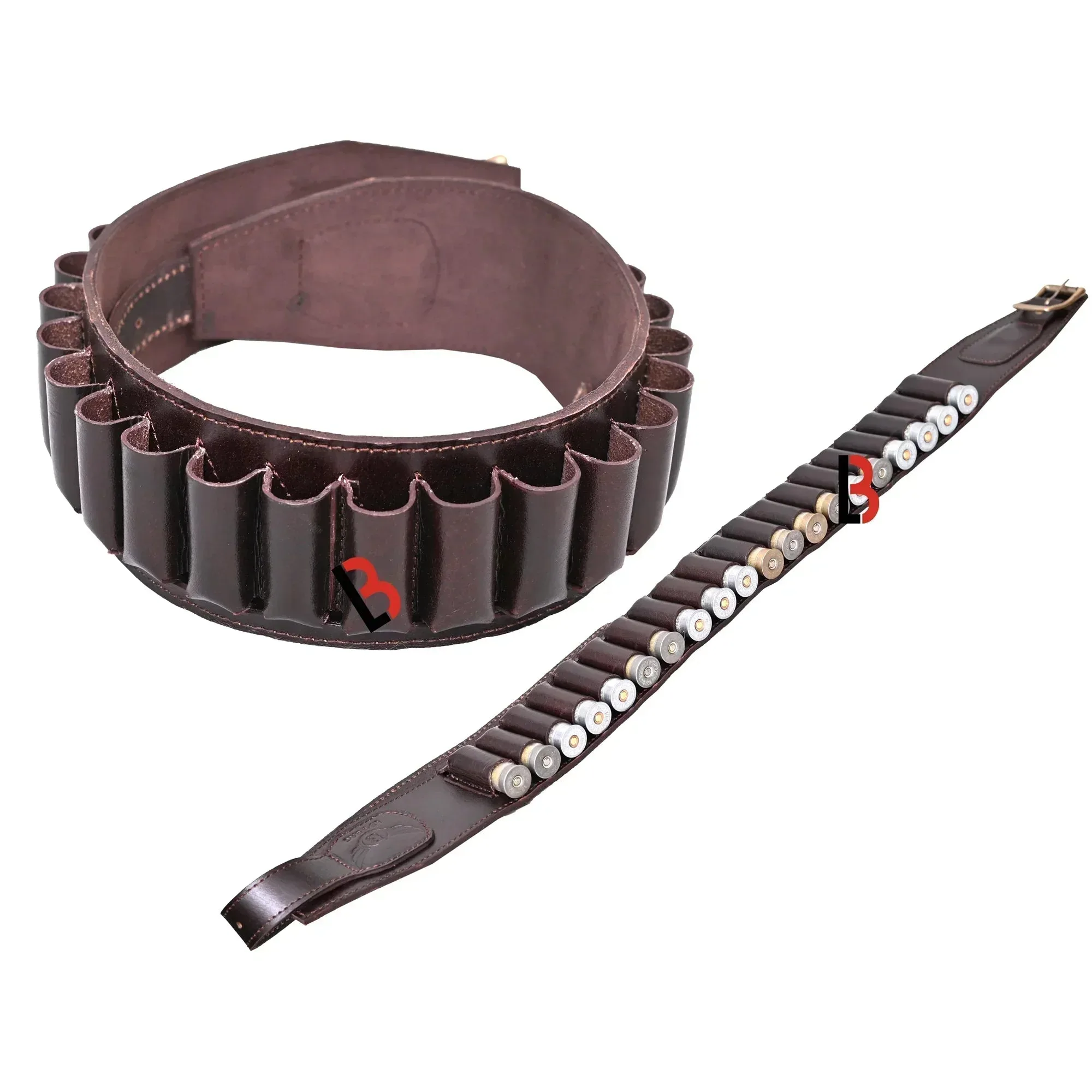
Cowhide Leather Shotshell Bandolier Belt 20-Shell Ammunition Carrier | Hunting Shell Holder
-
Cowhide Leather Shotshell Bandolier Belt 19-Shell Ammunition Carrier: Holds 19 shotgun shells in individually formed, secure leather loops that grip each round tightly. 19 shells offer a compact carry with firm retention, ideal for hunters who want a slightly lighter load.
Cowhide Leather Shotshell Bandolier Belt 19-Shell Ammunition Carrier
-
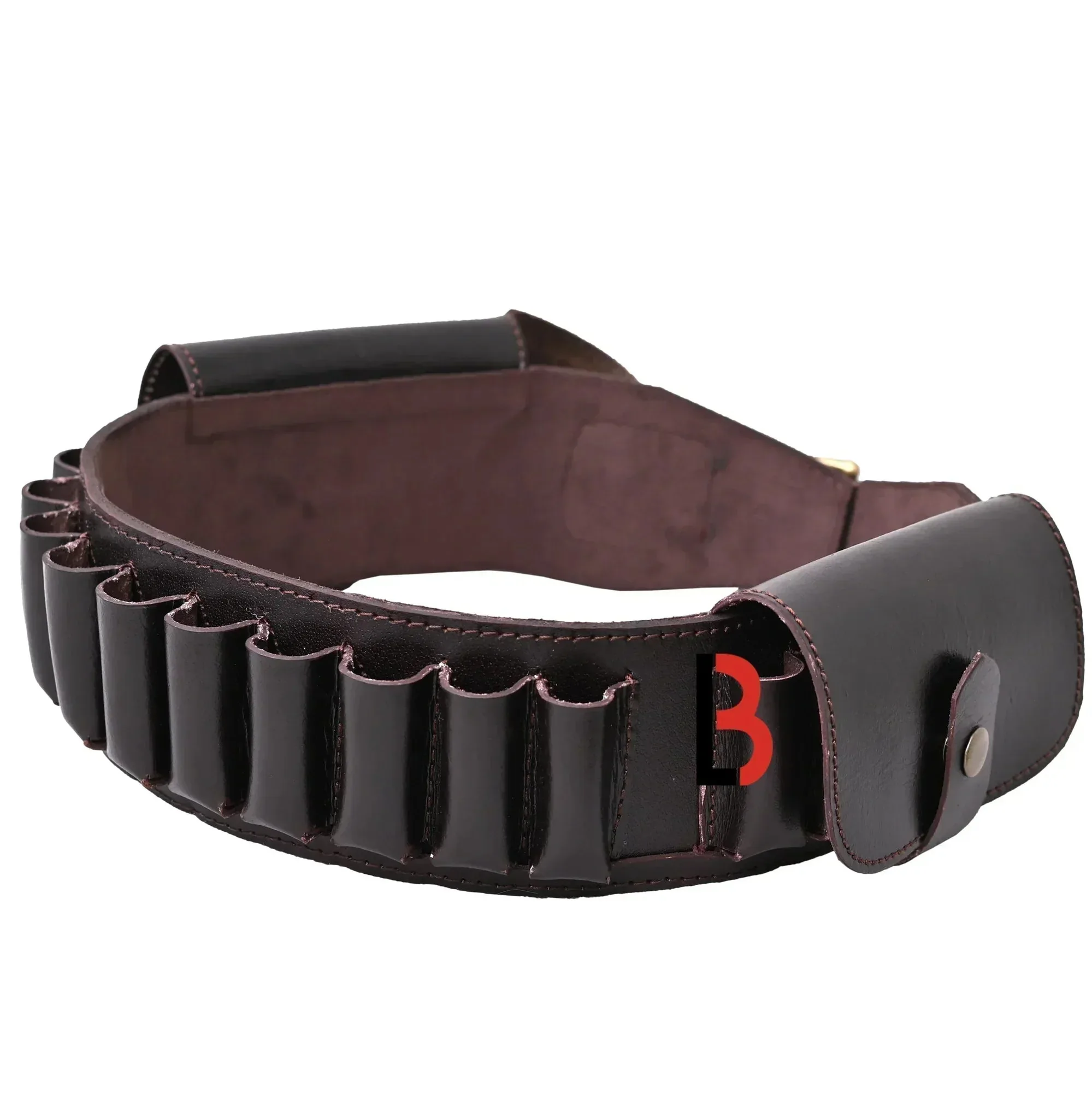
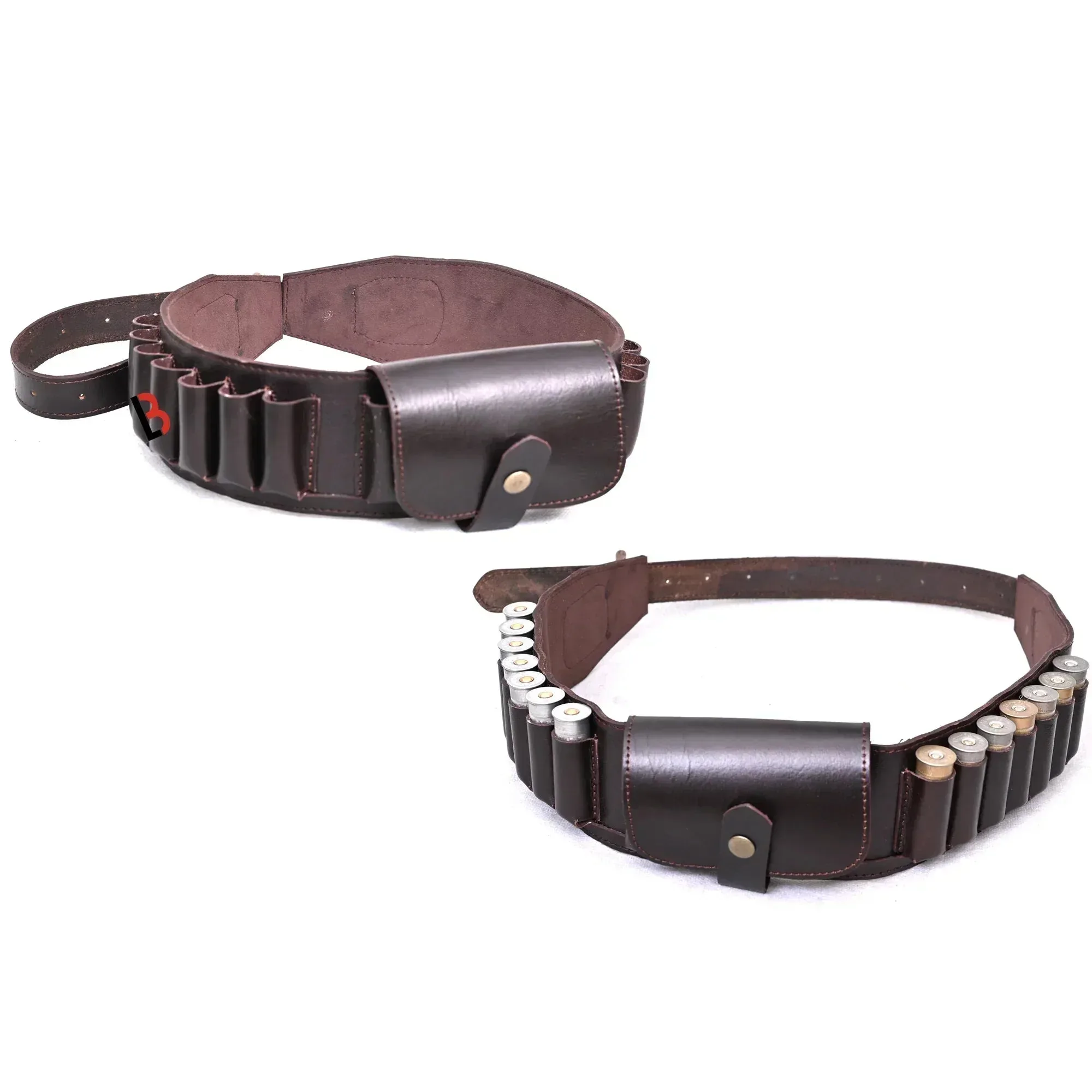
Cowhide Leather Shotshell Bandolier Cartridge Belt Two Flap Ammunition Carrier: Dual cowhide leather flaps fold over shells, shielding them from rain, brush, and debris. Flaps protect shells from the elements, making this belt a strong choice for wet or dusty conditions.
Step-by-Step: Putting on the Belt
Follow these steps to wear your bandolier belt comfortably and effectively in the field.
- 1. Thread the belt through your pants loops or over your waist: If your hunting pants have belt loops, thread the bandolier through them for the most secure carry. For a waist-only setup, simply buckle it over your pants or jacket.
- 2. Adjust the length for a snug fit: All three Leather Bond belts are fully adjustable. Tighten or loosen so the belt sits at your natural waistline and doesn't slide down when loaded with shells.
- 3. Position the shells evenly around your waist: The loops are spaced so you can reach any shell with either hand. Rotate the belt so the shells are centered at your front or slightly to your strong side, depending on your reloading motion.
- 4. For the flap-covered belt, secure the flaps over the shells: On the Two-Flap model, fold the leather flaps over the shells after loading. To access a round, simply flip the flap open and grab the shell.
- 5. Check for rattle or shifting: Walk a few steps and simulate a swing. If the belt moves excessively or shells rattle, readjust the fit. The leather loops on all three belts are designed for firm, rattle-free retention.
Choosing Between Open-Loop and Flap-Covered Designs
Your hunting environment should guide your choice. Open-loop belts (20-shell and 19-shell models) give you the fastest reload because every shell is exposed and within reach. They're best for upland bird hunting or range use where speed matters and weather is mild. The flap-covered belt (Two-Flap model) adds protection from rain, mud, and brush, making it ideal for waterfowl hunts or dense cover where shells could get dirty or wet. The trade-off is a slightly slower reload because you must open the flap first.
What the Catalog Does Not Cover
The supplied records do not include instructions for cleaning or conditioning the leather. As with any full-grain leather field gear, you should periodically clean off dirt and apply a leather conditioner to keep the hide supple and weather-resistant. The belts are handcrafted from thick cowhide and will develop a patina over time, but specific care routines are not detailed here.