Start with the pendant's real dimensions
The Pulao Bell Pendant from HERO EDC measures 58 x 40mm and weighs 60g, so it is a substantial piece rather than a tiny charm. Before you plan any bead pairing or lanyard setup, hold that size in mind: it will sit prominently on a knife lanyard, backpack, or layered EDC carry, and the beads you add should support that scale instead of competing with it.
The supplied record lists two material options, Bronze and Cupronickel, and describes the piece as a knife pendant and backpack ornament. It does not include a chain, cord, or attachment method, so your first decision is how you will connect it. Treat the pendant as the anchor and build outward from there.
Pulao Bell Pendant at a glance
-
Pulao Bell Pendant: 58 x 40mm, 60g, available in Bronze or Cupronickel These dimensions and weight tell you how much visual and physical space the pendant will take up in a bead or lanyard setup.
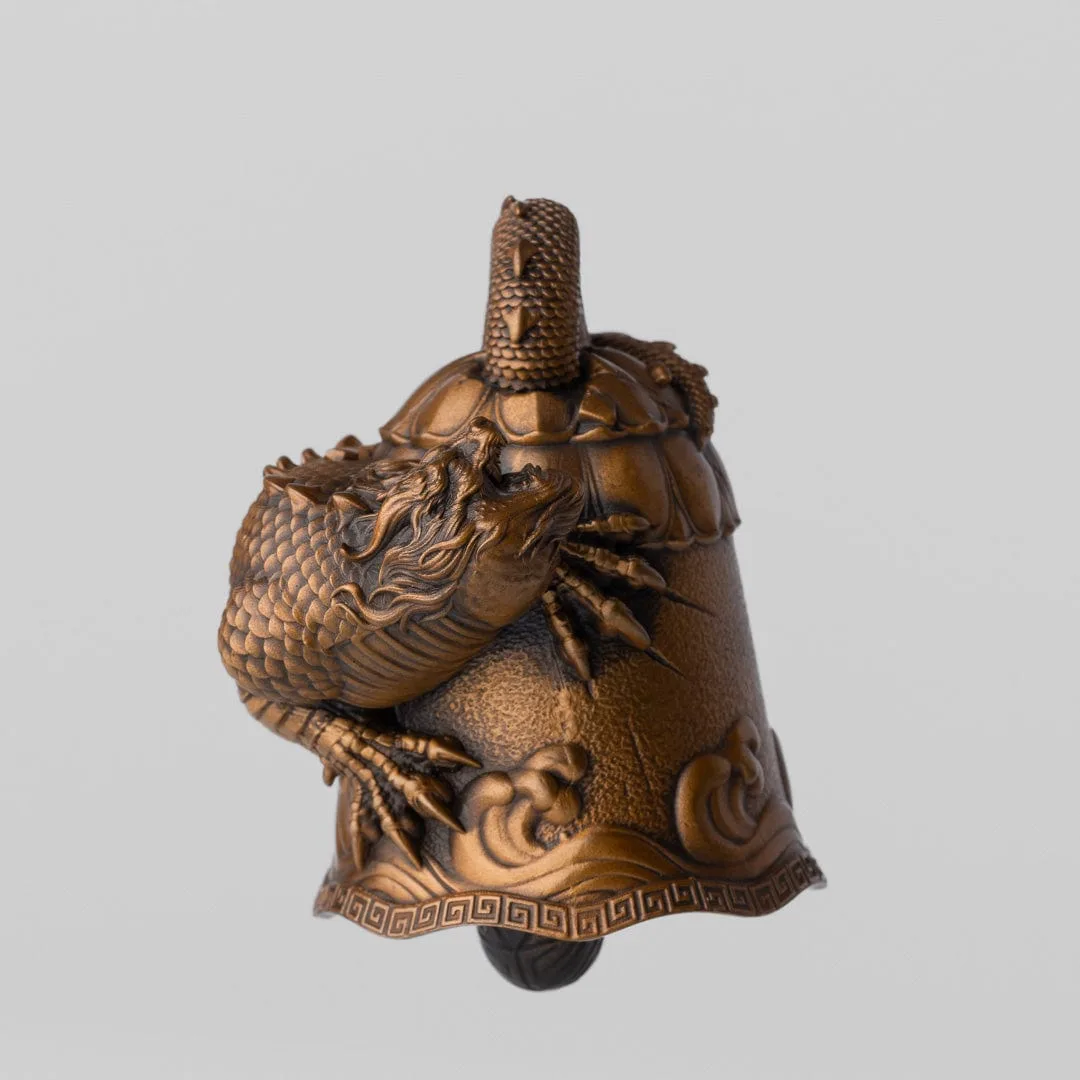
Pulao Bell Pendant
-
Pulao Bell Pendant: Designed by HERO EDC and described as suitable for use as a knife pendant, backpack ornament, and more This confirms the pendant is intended for carry and display, which shapes how you choose beads and lanyard materials.
Build your pendant and bead pairing in order
A bell pendant works best when the beads and lanyard support its weight and theme. Use this sequence to keep the setup balanced and avoid overloading a single attachment point.
- Choose the material first: Bronze and Cupronickel give the same 58 x 40mm, 60g pendant a different look. Pick the one that matches the beads and hardware you already own, then keep the rest of the setup in a complementary metal tone.
- Pick the carry point: The record names a knife pendant and backpack ornament as uses. Decide whether the pendant will hang from a knife lanyard, a backpack, or another EDC attachment, because that changes how much bead weight and length make sense.
- Scale the beads to the bell: At 58 x 40mm, the Pulao Bell is large enough to anchor a short run of beads. Keep the bead section shorter than the pendant itself so the bell remains the focal point.
- Keep the lanyard simple: The supplied information does not specify a cord type, knot, or attachment method. Use a lanyard or cord you trust for a 60g metal pendant, and test the connection before carrying it.
- Check the hang before you commit: Attach the pendant and beads, then hold the setup by its carry point. If the bell twists or the beads bunch, shorten the bead run or move the pendant closer to the anchor.
Layering the Pulao Bell with other EDC pieces
EDC pendant layering works when each piece has a clear role. The Pulao Bell Pendant is the heaviest and largest element in most bead setups at 60g and 58 x 40mm, so let it lead. Place smaller beads above it, near the attachment point, and avoid adding a second large pendant to the same lanyard unless the anchor is designed for that load.
The bell's cultural theme is another layering tool. The record describes PuLao as a sacred beast in Chinese mythology, a symbol of auspiciousness, and notes that its image was inscribed on bells, tripods, and ancient buildings. If you pair it with other beads, choose shapes and finishes that feel intentional rather than random: a single contrasting bead above the bell often reads better than a crowded stack.
Bell pendant care for a handmade casting
The Pulao Bell Pendant is made by a casting process, and the record states that slight sand holes, handmade traces, and other defects cannot be avoided. That is part of the piece's character, not a flaw to polish away. Care should focus on protecting the surface and the attachment rather than trying to make it look machined.
- Expect surface variation: Small sand holes and handmade traces are normal for this cast pendant. Do not try to fill or sand them.
- Protect the bell from hard knocks: A 60g metal pendant swinging from a backpack or knife lanyard can contact other gear. Keep it away from harder objects that could dent or scratch the casting.
- Check the attachment regularly: The record does not specify a cord or connector, so inspect whatever you use for wear and tightness before each carry.
- Store it separately: Keep the pendant apart from loose beads and tools so the cast surface is not rubbed during storage.
What the listing leaves open
The supplied information does not include a recommended cord diameter, knot style, bead size, or attachment hardware. It also does not state a finish or coating for either the Bronze or Cupronickel option. Those gaps mean you should test your setup rather than assume a specific method is approved by the maker. Start with a simple lanyard, add beads gradually, and adjust based on how the pendant hangs and handles in your own carry.