Quick answer
Winterize your Keter deck box by emptying it, cleaning and fully drying the inside, checking the lid and seal, then storing only cold-safe items and locking it for the season. This prevents trapped moisture, freeze damage, and a spring cleanup you did not plan for.
Start with what you take out, not what you put in
The most common winter mistake is leaving damp cushions, pool toys, or garden tools sealed inside. In a closed resin box, that moisture has nowhere to go and can freeze, thaw, and refreeze through the season. Empty the box completely, then sort items into three piles: keep indoors, keep in the box, and discard. Anything fabric, anything with trapped water, and anything you would not want frozen should come out. Only cold-safe, dry items should stay.
Clean and dry the interior before it gets cold
Wipe the inside with a mild soap and water solution, then dry every surface with a cloth and leave the lid open for an hour on a dry day. Pay attention to the bottom corners and the lid channel where water collects. If you close a box while the interior is still damp, you are sealing in the very moisture that causes musty smells and surface damage over winter.
Check the lid, hinge, and seal area
A deck box only protects what it keeps dry, so inspect the lid before the first freeze. Look for debris, small cracks, or a lid that no longer sits flush. Clear any leaves or grit from the hinge and the lip where the lid meets the body. If your box is lockable, test the lock mechanism now rather than in a snowstorm. This is also the moment to confirm the box still closes evenly; a lid that does not seal will let meltwater in.
Position the box so snow and meltwater drain away
Resin deck boxes are built to handle weather, but standing water is the enemy. Move the box onto a flat, well-drained surface rather than a spot where snowmelt pools. If you leave it on a deck or patio, keep it slightly clear of walls and railings so air can move around it and snow does not pile against one side. Do not stack heavy items on top of the lid before winter; extra weight plus snow load can stress the lid over months of cold.
Decide what actually stays inside
Once the box is dry, put back only items that tolerate cold and are already dry: sealed plastic containers, some garden tools, or empty pots. Cushions, textiles, and anything that absorbs moisture should go indoors. If you are short on indoor space, a smaller lockable box can hold a few cold-safe items while the rest moves inside. The goal is not an empty box; it is a box with nothing in it that can hold water.
Lock it down and leave it alone
Lockable boxes should be locked for winter, both to secure contents and to keep the lid from lifting in high wind. Once the box is closed for the season, resist opening it repeatedly on mild days, since each opening lets in damp air. Check it once after the first heavy snow, brush snow off the lid, and then leave it until spring. A quick mid-winter check is enough; frequent handling is not.
Winterizing steps in order
- Empty the box completely: Remove every item, including cushions, toys, and tools. Sort into keep indoors, keep in box, and discard. Checkpoint: if you are unsure whether an item can freeze, take it indoors.
- Clean and dry the interior: Wipe with mild soap and water, then dry all surfaces and leave the lid open for an hour on a dry day. Mistake to avoid: closing the lid while the inside is still damp.
- Inspect the lid, hinge, and seal: Clear debris, check for cracks, and confirm the lid sits flush. Test any lock now. Checkpoint: a lid that does not seal will let meltwater in.
- Reposition for drainage: Move the box to a flat, well-drained spot, clear of walls and railings, and do not stack heavy items on the lid. Mistake to avoid: leaving the box where snowmelt pools.
- Return only cold-safe, dry items: Put back sealed containers, some tools, or empty pots. Keep textiles and moisture-absorbing items indoors. Checkpoint: the box can be partly full, but nothing in it should hold water.
- Lock and leave it: Lock the lid for winter, brush off heavy snow after storms, and avoid opening it on mild days. Next step: do one mid-winter check, then wait for spring.
Keter deck boxes built for winter storage
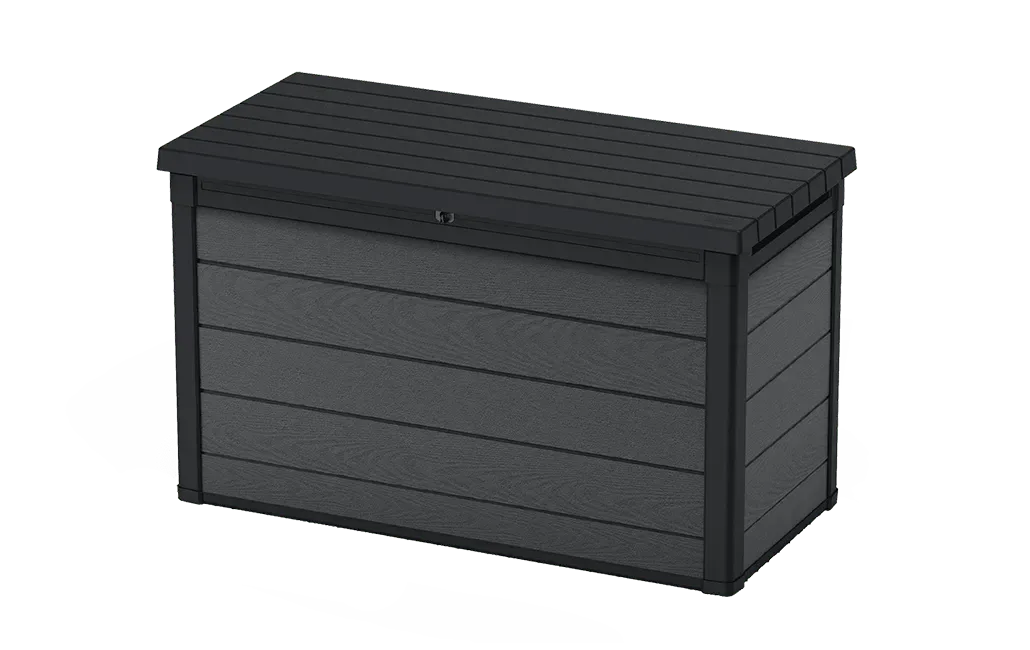
- Cortina 200 Gallon Deck Box - Graphite: The Cortina 200 Gallon Deck Box - Graphite is made with sturdy double-walled, UV-resistant resin panels and is lockable with the addition of a padlock. Double-walled resin resists weather and the lockable lid secures contents through winter, so you can leave cold-safe items in place with less worry.
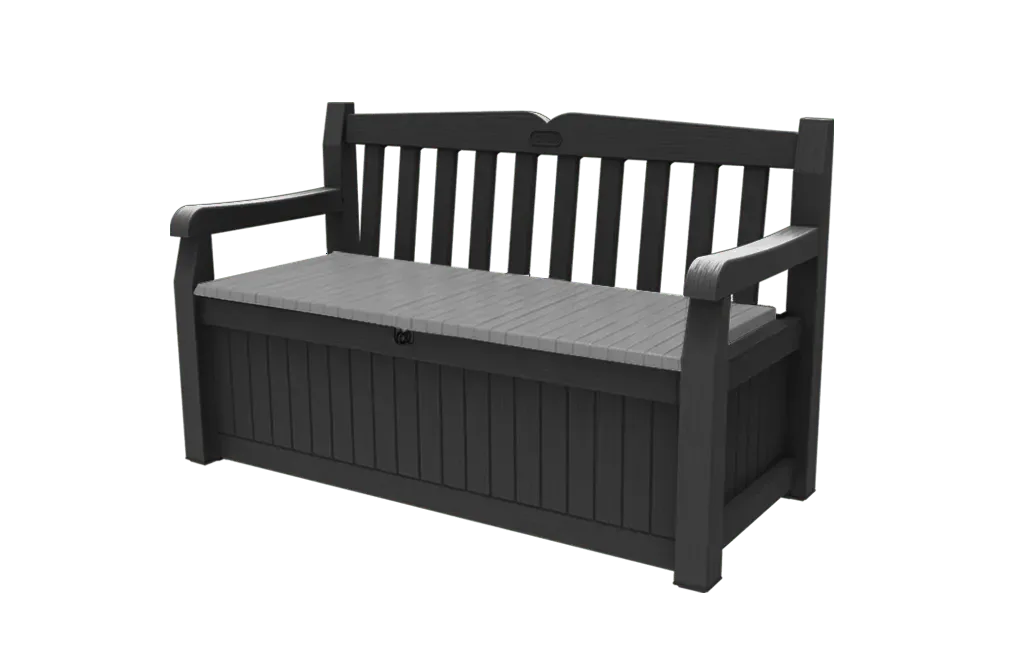
- Solana 70 Gallon Outdoor Storage Bench - Grey: The Solana 70 Gallon Outdoor Storage Bench - Grey provides storage under the seat and supports up to 551 pounds, seating two or three people. If your winterizing routine leaves you short on indoor space, this bench keeps a small amount of dry, cold-safe gear outside while still giving you a place to sit on the porch.
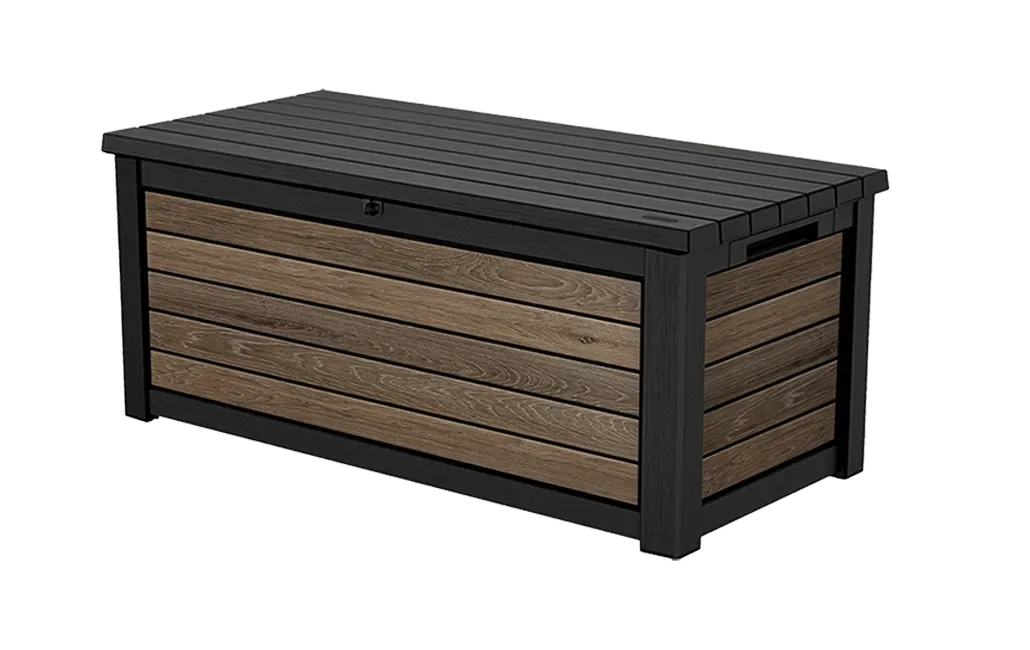
- Signature 165 Gallon Deck Box - Walnut: The Signature 165 Gallon Deck Box - Walnut is designed with premium UV-resistant resin and a wood-look finish. UV-resistant resin helps the box hold up through sun, frost, and temperature swings, and the finish keeps it presentable on a patio all winter.