Quick answer
Winterize outdoor planters by stopping water from sitting in the soil or saucer, moving pots out of freeze-thaw cycles, and storing empty planters dry and off the ground. The single most important step is drainage: trapped water expands when it freezes and is the main cause of planter cracking winter damage.
Frozen water is what breaks pots, not cold air alone. A planter that stays dry and drains freely can survive a hard winter; one that holds a puddle at the bottom often will not.
This guide walks through a practical order of work: clear the pot, check drainage, decide what stays outside, protect what remains, and store the rest. Each step includes the mistake that causes the most damage so you can avoid repeating it.
Start with drainage, not insulation
Before you wrap or move anything, confirm that water can leave the pot. Tip each planter and look for a drainage hole; if the base has none, the pot is decorative and should not be left outside through a freeze. For pots with holes, clear them of compacted soil, roots, and grit so water moves instead of pooling.
If a saucer or tray sits under the pot, empty it. A full saucer keeps the base of the pot wet, and that is where freeze-thaw damage usually starts. If the pot has a detached saucer, store the saucer separately so it cannot trap water against the ceramic.
- Checkpoint: water should drain through in seconds, not sit on the surface.
- Do not add a layer of gravel to 'improve drainage' — it raises the saturated zone in the pot.
Decide what stays outside and what comes in
Not every planter should spend winter outdoors. Large, heavy pots are hard to move, so plan around them first. Smaller ceramics, glazed minis, and anything with a thin wall are easier to bring inside or into a garage, shed, or unheated porch.
Match the decision to the material and the plant. Terracotta and clay are porous and hold moisture in the wall, so they are more vulnerable in a wet freeze. Glazed and ceramic pots resist surface water better but still crack if water freezes inside the base.
- Checkpoint: if you cannot move it, it needs drainage and a dry position.
- Do not assume a covered porch is frost-free — wind-driven cold still reaches pots there.
Protect the pots that stay in place
For planters that remain outside, raise them off the ground so they are not sitting in meltwater. Set them on pot feet, bricks, or a wooden batten. Then group pots together and wrap the outer wall with burlap, bubble wrap, or a commercial pot wrap, leaving the top open for airflow.
Stop watering before the first hard freeze. A dry pot is far less likely to crack than a saturated one. If the plant needs winter moisture, water lightly on a mild day and let the excess drain completely before the temperature drops again.
- Checkpoint: the pot should feel light and hollow, not heavy with water.
- Do not seal the top with plastic — trapped moisture condenses and refreezes.
Store empty planters the right way
Empty pots still need care. Clean them, let them dry completely, and stack them with a cloth or cardboard between each pot so rims do not chip. Store them off a concrete floor in a dry, frost-free spot, and avoid stacking heavy pots on small ones.
If you are storing a set, keep the pieces together so you can find the right saucer or base in spring. Small glazed pots and minis are easy to lose, so a labeled box saves time later.
- Checkpoint: no standing water in the bottom pot of a stack.
- Do not store damp pots in a sealed bin — mold and mineral staining follow.
Handle plants and soil before the freeze
Cut back spent foliage and remove debris from the soil surface so pests and rot have fewer places to settle. If you leave a plant in the pot, check that it is hardy for your zone; if it is not, move it indoors or treat the pot as a temporary shelter only.
Do not fertilize in late fall. New growth is tender and more likely to be damaged, and unused nutrients can leach into meltwater. Wait until spring, when the pot is draining freely and the plant is actively growing.
- Checkpoint: soil surface should be clear, not matted with old leaves.
- Do not repot in late fall — roots need time to settle before cold stress.
Winterizing steps in order
- 1. Clear and empty: Remove spent plants, loose soil, and debris. If the pot will be stored, empty it completely rather than leaving old soil to hold water. Checkpoint: no soil or water left in pots you plan to store.
- 2. Check drainage holes: Clear every drainage hole with a stick or wire. Confirm water passes through instead of pooling above the base. Mistake to avoid: assuming a decorative pot with no hole can stay outside.
- 3. Remove and store saucers: Take detached saucers off pots and store them separately so they cannot trap water against the ceramic base. Checkpoint: no saucer left under an outdoor pot through winter.
- 4. Raise pots off the ground: Set remaining planters on pot feet, bricks, or timber so meltwater drains away instead of freezing around the base. Mistake to avoid: leaving pots flat on concrete or paving.
- 5. Wrap the outer wall: Wrap the sides with burlap or bubble wrap, leaving the top open for airflow. Group pots together for extra insulation. Checkpoint: top stays open; sides are covered.
- 6. Stop watering before the freeze: Let the soil dry down before the first hard freeze. Water only on mild days and let excess drain fully. Mistake to avoid: watering right before a cold snap.
- 7. Store empty pots dry: Clean, dry, and stack pots with padding between them in a frost-free spot off the floor. Checkpoint: no standing water in the bottom of a stack.
Planters built for easier winter care
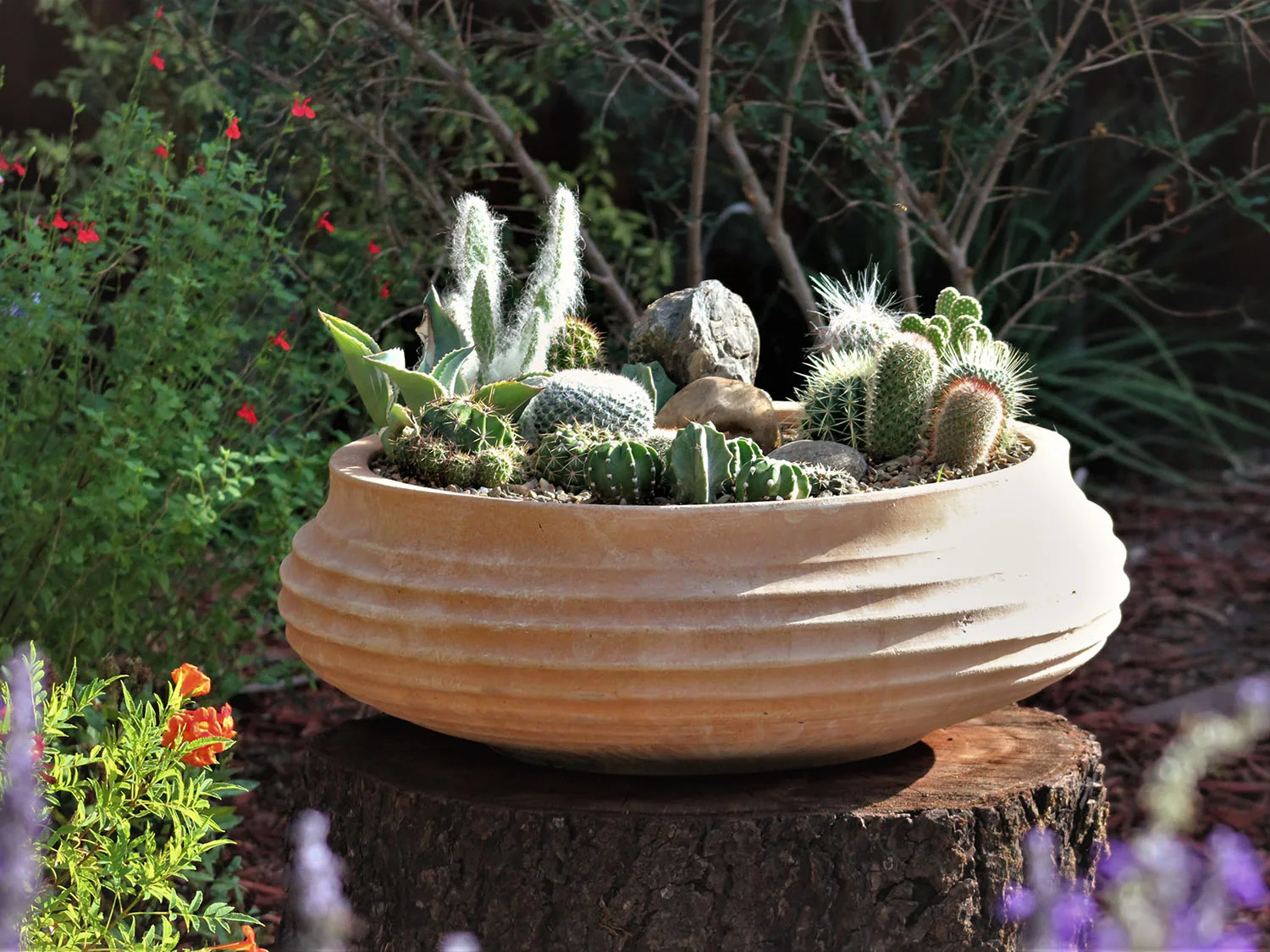
- Piatela Planter By Plantatorem: Handcrafted from premium clay with a deep bowl design and a squashed beehive shape. A deep bowl holds more soil and therefore more water, so drainage and a dry winter position matter even more for this shape.
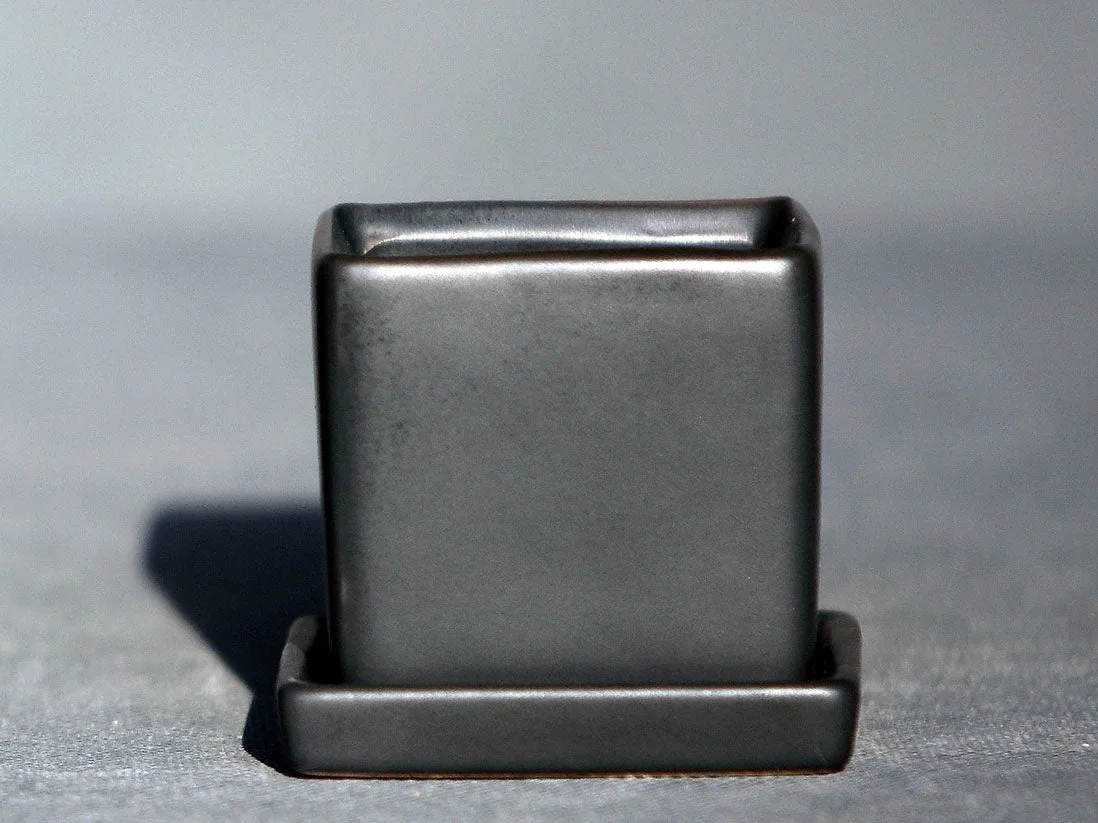
- Cube Pot with Detached Saucers (LARGE) By Plantatorem: Ceramic indoor planter with a detached saucer, available as a single pot or a case of 12. The detached saucer can be removed and stored separately in winter, which stops water from sitting against the base of the pot.
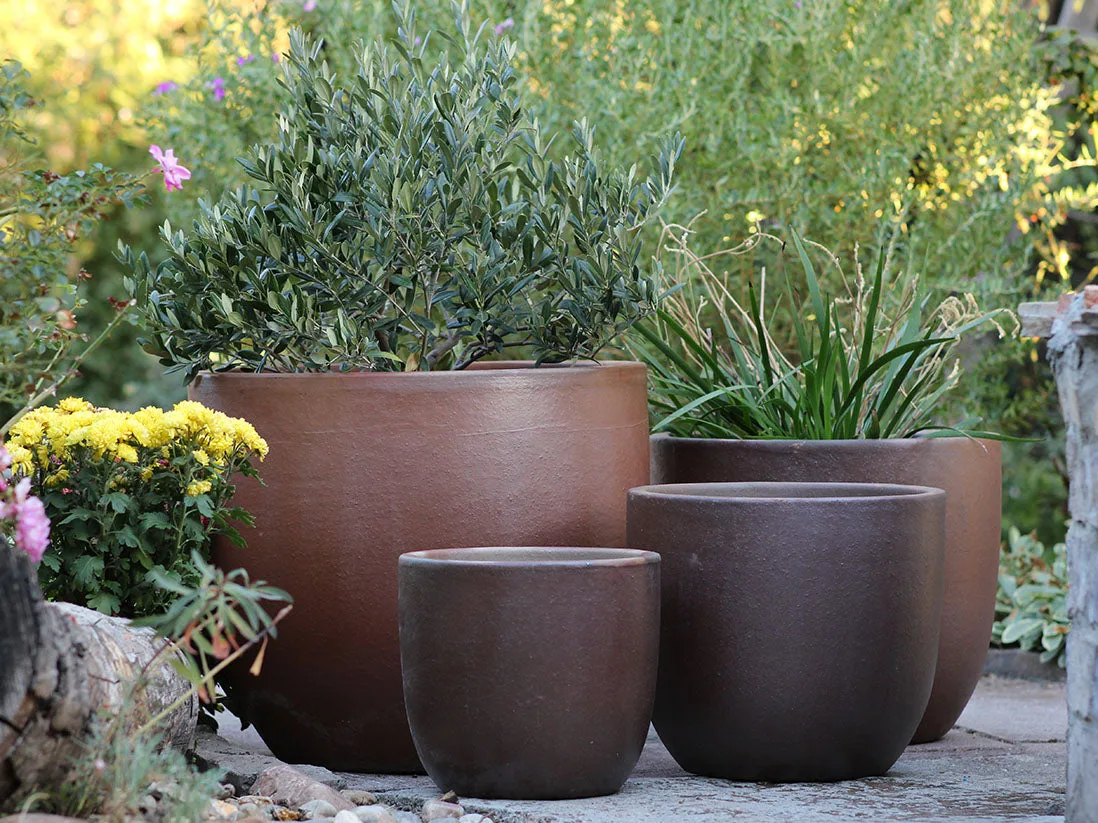
- Egg Shell Pots - (Clay) By Plantatorem: Organic clay pots with hand-glazed ceramic finishes, in four sizes for small succulents to large shrubs. Clay walls absorb moisture, so these pots benefit from being emptied, dried, and stored off the ground rather than left wet outside.
Winter damage is almost always a water problem, not a temperature problem. Clear the drainage, get pots off wet ground, and store what you can dry — then your planters will be ready to plant again in spring.