Quick answer
Write a thank you note within a few days of receiving the gift or kindness. Greet the person by name, name the specific thing they did or gave, add one sentence about why it mattered to you, thank them again, and sign off warmly. Keep it short, sincere and handwritten where possible. A blank notecard gives you room to write naturally.
A thank you note does not need to be long or poetic. It needs to be specific, timely and sincere. The people who receive them rarely remember the exact wording; they remember that you took the time to write.
This guide gives you a simple five-step method you can reuse for birthday gifts, wedding presents, dinner invitations, job interviews or any small kindness. It also covers the etiquette rules worth knowing and common mistakes that make a note feel generic.
Start with the right stationery
You can write a thank you note on almost anything, but the format changes how it reads. A folded notecard feels more personal than a sheet of writing paper, and a postcard-style card suits a very short message. For a gift that arrived by post, a flat notecard in an envelope is the safest choice because it travels well and looks considered.
If you write thank you cards regularly, keep a small supply on hand so you are not hunting for one when you need it. Matching envelopes matter more than most people think: an envelope that fits the card properly looks tidier and protects the card in the mail.
- Choose a folded notecard for a handwritten message of three to six sentences.
- Use a matching envelope rather than a spare one that is slightly too large.
- Keep a pen that writes smoothly so the note does not look rushed or scratchy.
Know the etiquette basics
Traditional thank you card etiquette is less rigid than it sounds. The core expectations are: send it promptly, make it personal, and do not use it to ask for something else. For gifts received in person, a written note within a week is ideal. For wedding gifts, the widely accepted window is up to three months, but sooner is always better.
Texts and emails are acceptable for casual thanks, but a handwritten note is still the standard for gifts, formal hospitality and professional settings. If someone went out of their way, a written note is the safer choice.
- Send within a few days for everyday gifts and within a week for dinner or hospitality.
- Handwrite the note unless the sender has a strong preference for digital messages.
- Do not combine a thank you with a request, an update or a complaint.
Use a simple five-part structure
A good thank you note follows a predictable shape. Greet the person, say thank you, name the specific gift or action, explain what it meant or how you will use it, then close warmly. This structure keeps you from staring at a blank card and helps the note sound natural rather than rehearsed.
Specificity is what separates a memorable note from a generic one. Instead of 'thank you for the lovely gift', write 'thank you for the gold silk ribbon - I used it to tie the boxes for my sister's birthday and it made the whole table look finished'.
- Greeting: 'Dear Aunty June' or 'Hi Sam'.
- Thanks: 'Thank you so much for the...'
- Detail: name the gift or action and one thing you did with it.
- Closing: 'With love' or 'Warmly', then your name.
Thank you note examples you can adapt
For a gift: 'Dear Priya, thank you for the Willowmere notecard set. The gold foil border is beautiful, and I have already used two cards for letters to my grandmother. It was so thoughtful of you to remember how much I love writing letters.'
For hospitality: 'Dear Mark and Elena, thank you for having us for dinner on Saturday. The roast was wonderful and the table looked lovely. We stayed far too late and enjoyed every minute.' For a professional thank you: 'Dear Ms Chen, thank you for taking the time to meet with me about the role. I appreciated hearing how your team approaches client work, and I left even more interested in the position.'
- Keep each example to three or four sentences.
- Name one specific detail so the note could not be sent to anyone else.
- Match the tone to the relationship: warm for family, more formal for work.
Common mistakes to avoid
The most common mistake is vagueness. 'Thanks for everything' tells the reader nothing and can feel like an obligation rather than genuine gratitude. The second most common mistake is lateness without acknowledgement. If a note is very late, do not pretend it is not; a short line like 'I am sorry this is so overdue' is better than silence.
Avoid mentioning the cost of a gift, comparing it to something else, or adding a request at the end. Also check spelling of names before you seal the envelope. A small error in a short note stands out more than it would in a longer letter.
- Do not write 'thanks for the gift' without naming it.
- Do not apologise excessively; one brief acknowledgement is enough.
- Do not use the note to ask for a favour or return an item.
Your five-step thank you note method
- 1. Write it within three days: Set a reminder for the day after you receive the gift or kindness. Write the note while the details are fresh, so you can mention something specific rather than a vague memory. Checkpoint: if a week has passed, write it anyway and add one short line acknowledging the delay.
- 2. Greet the person by name: Use the name you normally use with them. 'Dear Aunty June' for family, 'Hi Sam' for a friend, 'Dear Ms Chen' for a professional contact. Avoid 'Hey' in formal notes. Checkpoint: spell the name correctly before you write the rest of the note.
- 3. Name the gift or action specifically: Say exactly what they gave or did. 'Thank you for the Willowmere notecards' is stronger than 'thank you for the lovely gift'. If it was hospitality, name the occasion and one detail you enjoyed. Checkpoint: if your sentence could apply to any gift, it is too general.
- 4. Add one sentence about why it mattered: Explain how you will use the gift, how it made you feel, or what it meant to you. This is the sentence that turns a polite note into a personal one. Checkpoint: keep it to one or two sentences; longer notes start to sound like a letter.
- 5. Close warmly and sign: Use a closing that matches the relationship: 'With love', 'Warmly', 'Best wishes' or 'Sincerely'. Sign your name, and add a surname only if the recipient would not know who you are from your first name alone. Next step: address the envelope, add a stamp, and send it the same day.
Stationery that makes thank you notes easier
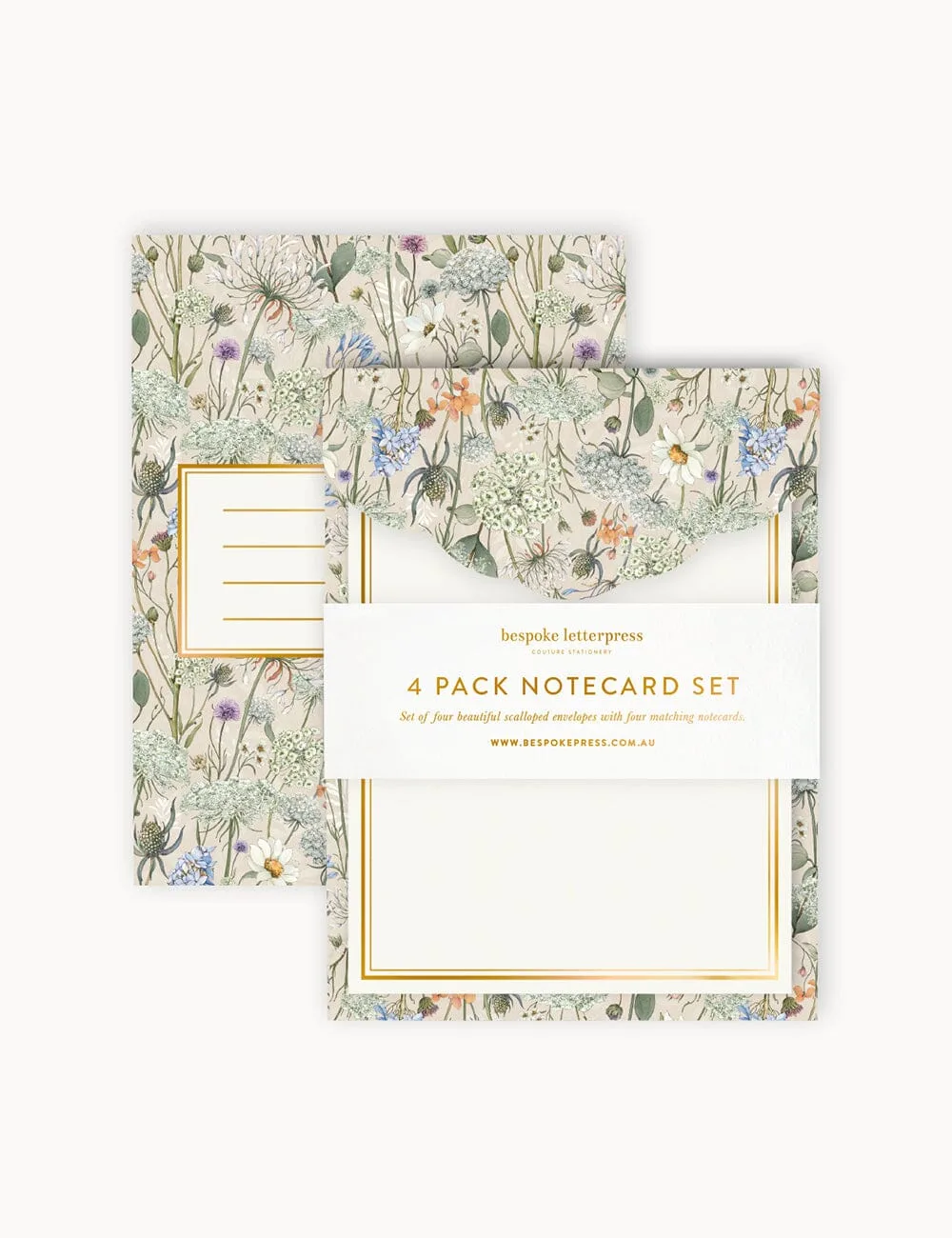
- Willowmere 4pk Notecard Set: Set includes 4 scalloped envelopes with 4 matching double-sided notecards, featuring one cream side with hot foiled gold print border and the reverse with a full-bleed Willowmere design. Envelopes have a gold-foiled address box on the front. The blank cream side gives you a clean writing area, while the gold border and matching envelope make even a short note look considered. The address box saves you ruling lines by hand.
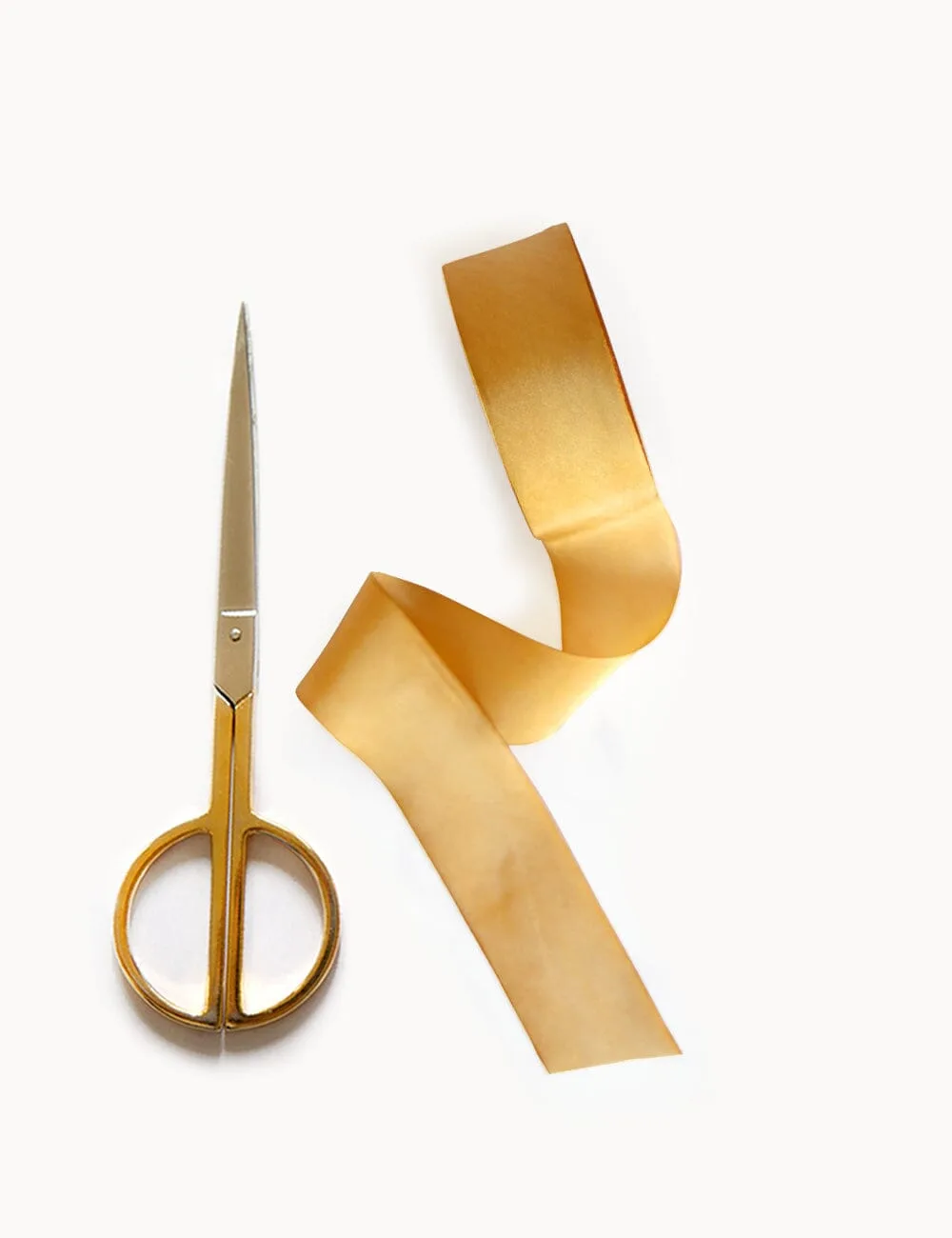
- Gold Silk Ribbon - 3 metres: 3 metres of handmade, 100% silk ribbon, 38mm wide, cut on bias with natural colour variation and a seam every 180cm or so. If you are delivering a thank you note with a small gift, this ribbon ties the package without overwhelming it. The natural variation means each tie looks slightly different, which suits a handwritten note.
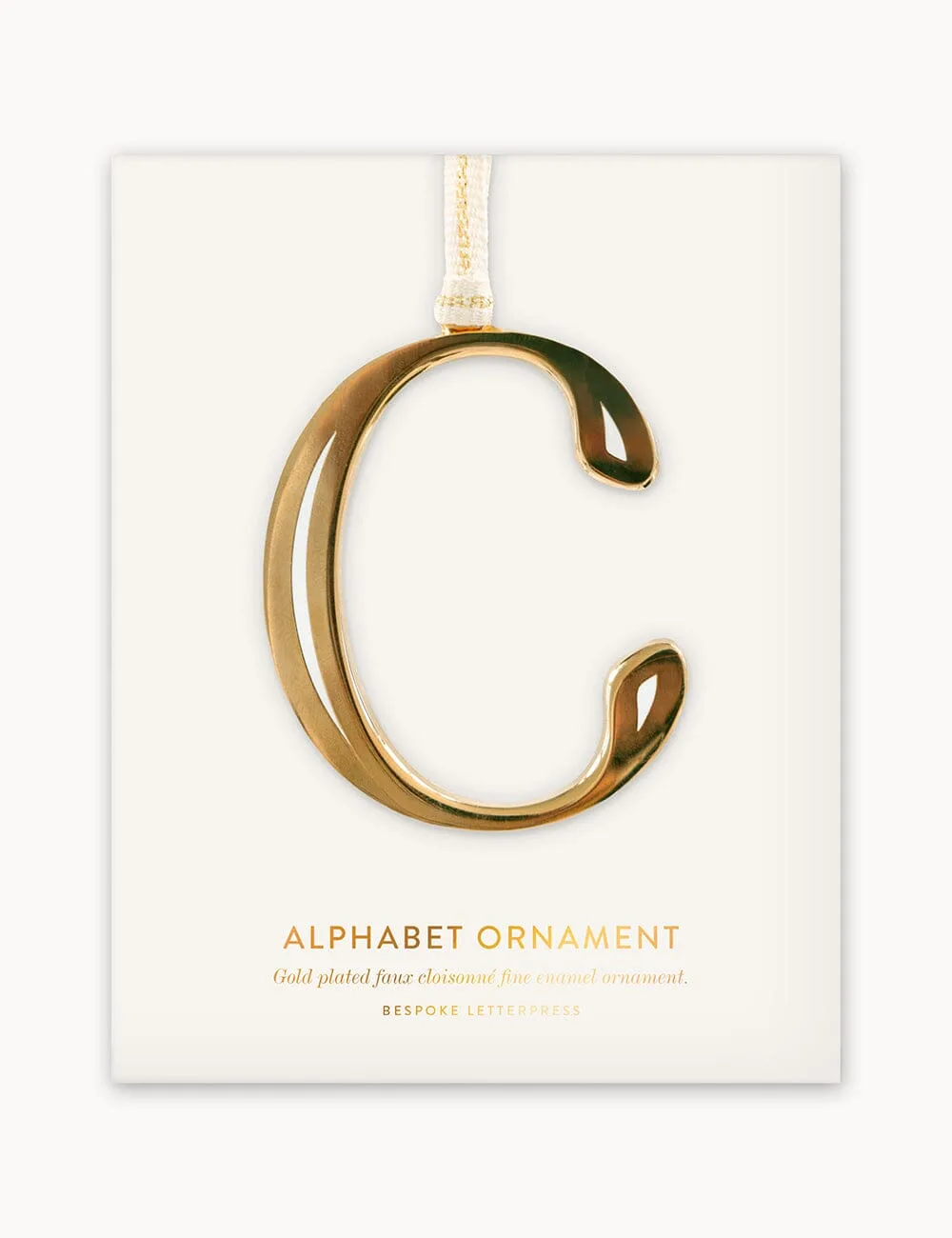
- C - Fine Enamel Alphabet Ornament: Fine enamel alphabet ornament with fine gold line ribbon, suitable as a decorative gift on a present, bag, Santa Sack or Christmas tree. The rear can be engraved with a personal message via the Laser Engraving Service. For a thank you that is also a small gift, an engraved initial adds a personal detail that a card alone cannot. Check the engraving option before ordering if you want a message on the back.
A thank you note works because it is specific and timely, not because it is long. Pick a card that gives you room to write, follow the five steps, and send it while the kindness is still recent. The habit gets easier the more often you do it.