Quick answer
Write the message in four short parts: a specific greeting, one concrete memory or observation, one honest wish or feeling, and a simple sign-off. Keep it under 80 words unless the occasion calls for more. The goal is not to be impressive; it is to sound like you on a good day.
A blank card is not a test. It is a small, low-stakes chance to say something specific to one person, and most people freeze because they are trying to write something impressive instead of something true.
The steps below work for birthdays, holidays, thank-yous, and the awkward in-between occasions. They also work whether you are writing in a $3 card with a hand-drawn cookie on the front or a plain notecard you found in a drawer.
Start with the greeting, not the message
The first line sets the tone for everything after it. "Dear Sam" is formal. "Sam!" is warm. "Hey you" is casual and works for close friends. Pick one and do not overthink it. The greeting is a handshake, not the conversation.
One common mistake here is using a name that does not match your relationship. If you have never called your coworker "sweetie" out loud, do not start in writing. Match the greeting to how you actually speak to the person.
- Use the name you actually call them, not their legal name on the envelope.
- If you are unsure, default to their first name with no honorific.
Anchor the message in one specific detail
Generic messages fail because they could be sent to anyone. "Hope you have a great day" is fine, but "Hope your first week at the new job is less chaotic than the last one" is a message. Specificity is what makes a card feel personal, and it takes about ten seconds of thought.
Think of one thing you know about the person right now: a project, a pet, a trip, a running joke. That detail becomes the spine of the message. Everything else hangs off it.
- Checkpoint: if the message could be sent to three different people unchanged, add one detail.
Say the feeling in one sentence
After the specific detail, add one honest sentence about how you feel or what you wish for them. "I am proud of you." "I miss having you nearby." "I hope this year is kinder than the last one." One sentence is enough. Two is the maximum before it starts to sound like a speech.
This is the part people skip because it feels vulnerable. It is also the part people keep. If you only write one meaningful sentence in the whole card, make it this one.
- Avoid stacking three wishes in a row; pick the one that matters most.
- If the occasion is sad, name the feeling plainly instead of reaching for a silver lining.
Match the length to the card and the occasion
A 4.25 x 5.5 inch folded card has room for about 60 to 100 words of comfortable handwriting before the inside starts to feel crowded. That is roughly four to six sentences. For a thank-you or a quick holiday note, three sentences is plenty. For a milestone birthday or a condolence, you can go longer, but only if you have something real to say.
The mistake here is filling space because the card is blank. An empty half-page is not a failure. A short, specific message beats a long, vague one every time.
- Test your message out loud before writing it in pen.
- If you run long, move the extra thoughts to a separate note instead of cramming the card.
Sign off like a person, not a form letter
"Sincerely" is for cover letters. "Love," "Talk soon," "Thinking of you," and just your name all work depending on the relationship. Pick the sign-off you would actually say if you were leaving a voicemail.
One checkpoint: read the greeting and the sign-off together without the middle. If they sound like they belong to the same person, you are done. If the greeting is casual and the sign-off is stiff, adjust one of them.
- For sympathy cards, a simple "With love" or "Thinking of you" is almost always right.
- For professional cards, your first name alone is fine.
Write it in pencil first, then commit in pen
Drafting in pencil on a scrap paper or lightly in the card lets you fix the rhythm before it is permanent. Cross-outs in pen are not the end of the world, but a clean card feels better to give and to keep.
If you make a mistake in pen, do not start over unless the card is for a formal occasion. A small crossed-out word reads as human, and most people will not notice.
- Keep a scratch sheet next to you while writing multiple cards in one sitting.
- Write the date on the back if you want the recipient to remember when it arrived.
Let the card do some of the work
If the front of the card already makes a joke or sets a mood, your message does not need to repeat it. A hand-drawn card with a specific illustration gives you a built-in opening line, and you can write to it instead of around it.
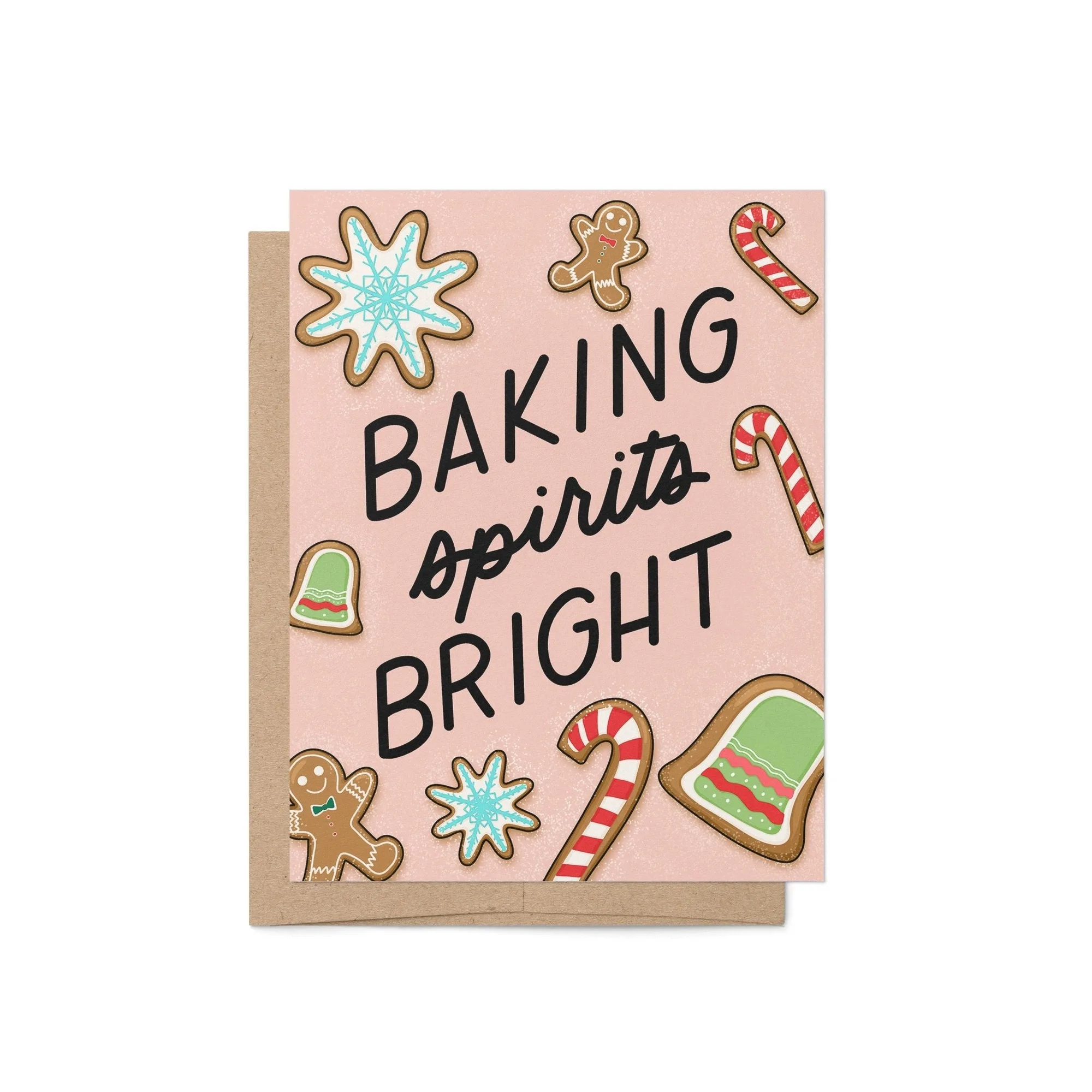
For example, a card that reads "baking spirits bright" over hand-drawn Christmas cookies already says the holiday joke. Your message can skip the pun and go straight to the personal part. That is easier on you and warmer for the recipient.
- Read the front of the card before you write the inside; do not duplicate the joke.
- If the card is blank inside, you have full control over tone, which is useful for mixed occasions.
Seven-step card writing process
- Pick the greeting: Choose a greeting that matches how you actually address the person in conversation. Checkpoint: if you would not say it out loud, do not write it.
- Add one specific detail: Name one real thing about their life right now: a project, a trip, a pet, a running joke. Checkpoint: the message should not be sendable to anyone else unchanged.
- Write one honest sentence: State the feeling or wish in a single sentence, without stacking multiple wishes. This is the sentence people remember.
- Match length to the card: Aim for 60 to 100 words in a 4.25 x 5.5 inch folded card; shorter for quick notes. Checkpoint: read it out loud before committing to pen.
- Choose a sign-off: Use the closing you would say in person, and keep the tone consistent with the greeting. Checkpoint: greeting and sign-off should sound like the same person.
- Draft in pencil first: Write a rough version on scrap paper or lightly in the card, then finalize in pen. Small cross-outs are fine; do not restart unless the occasion is formal.
- Let the front carry the theme: If the card art already makes a joke or sets a mood, do not repeat it in the message. Use the card design as your opening line and spend the inside on the person.
Cards that make the writing easier
- Baking Spirits Bright holiday card: Hand drawn Christmas cookies and the greeting "baking spirits bright." A2 size, folded to 4.25 x 5.5 inches, printed on premium matte cardstock, blank inside, and comes with an A2 kraft envelope. The front already carries the holiday joke, so your inside message can focus on the person rather than the season.
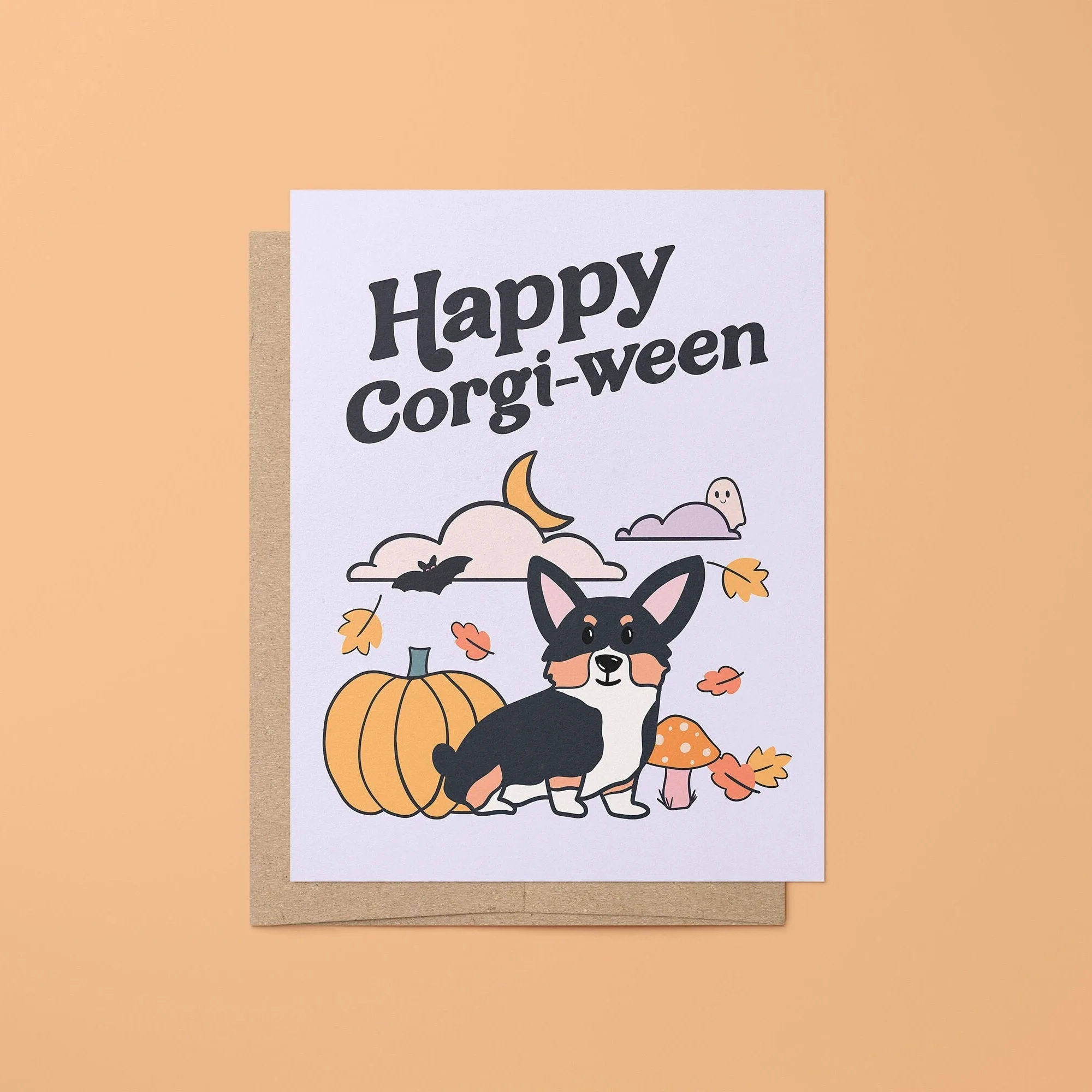
- Corgi-ween greeting card: A tricolor corgi surrounded by pumpkins, leaves, mushrooms, a bat, a ghost, and a small moon, with "Happy Corgi-ween" hand lettered above. Folded to 4.25 x 5.5 inches, blank inside, and comes with an A2 kraft envelope. A visual card gives you a natural opening line if you know the recipient's pet or sense of humor.
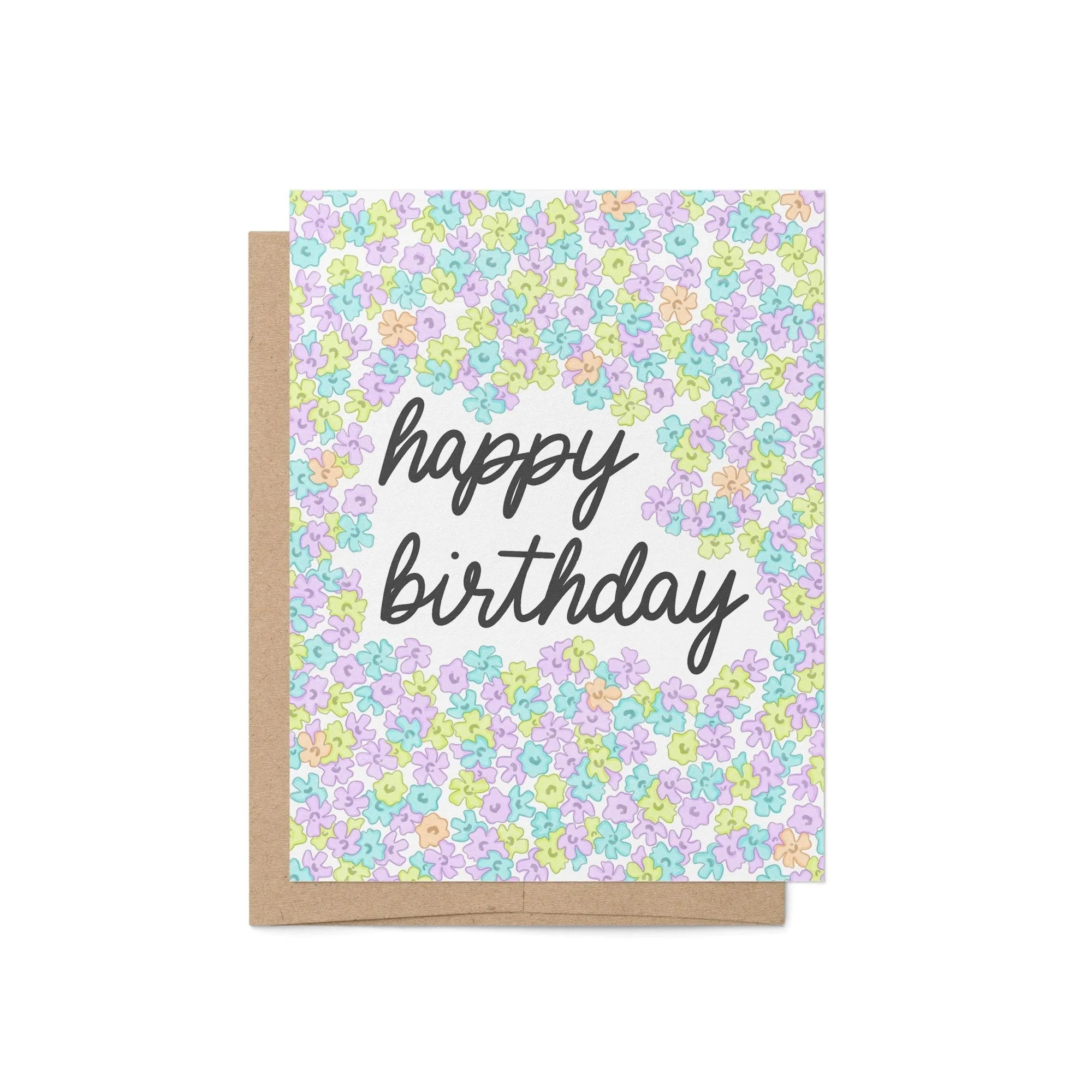
- Neon Florals Birthday Card: Hand lettered "Happy Birthday" script surrounded by neon purple, blue, and green flower doodles. Folded to 4.25 x 5.5 inches, blank inside, and comes with an A2 kraft envelope. The bold design suits a short, punchy message better than a long paragraph, which helps you keep the card tight.
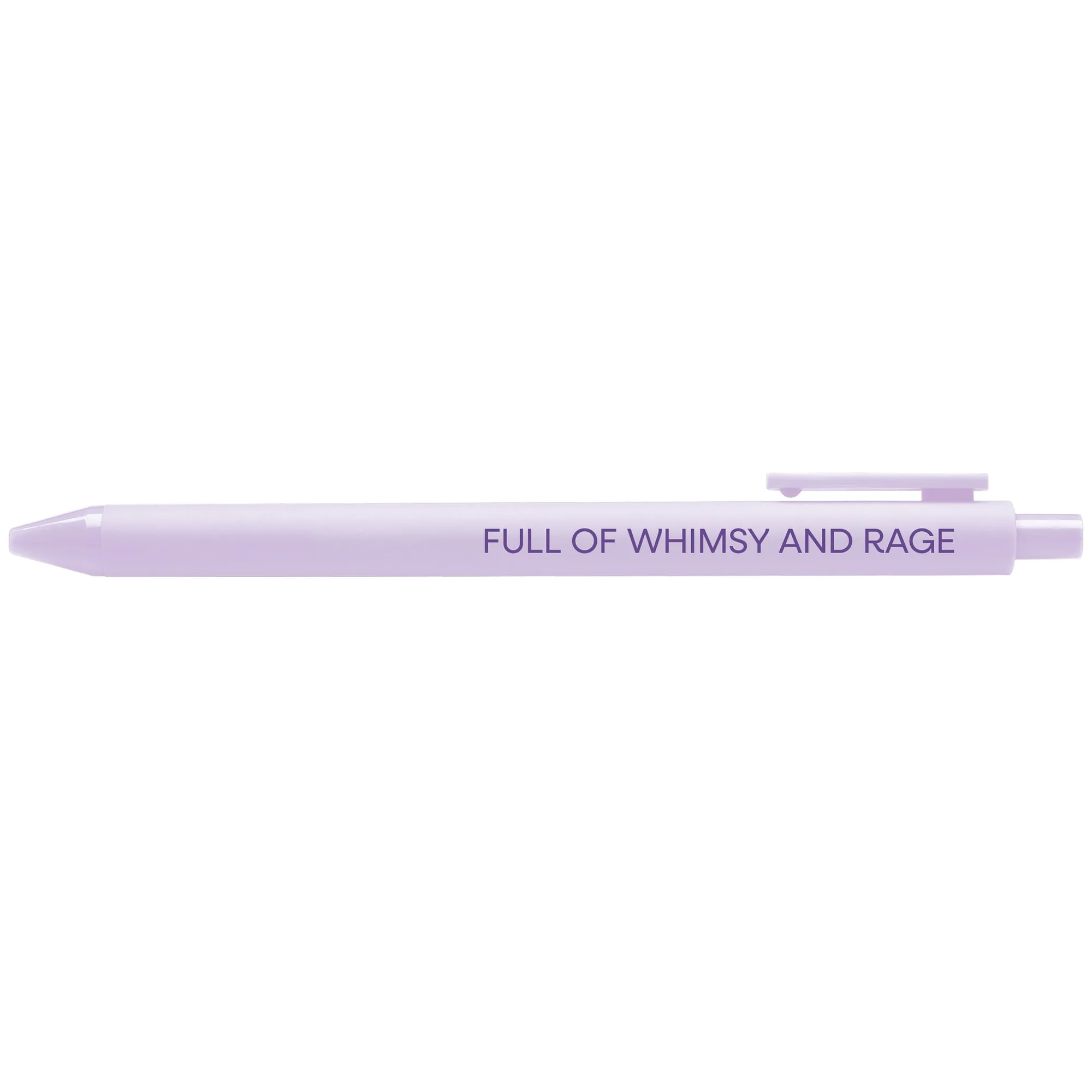
- Full of Whimsy and Rage Pen: Lilac barrel, 0.5mm fine point, black ink. Color of actual pens may vary slightly due to device settings. A fine point pen keeps handwriting legible in a small folded card, which matters when you are writing more than a few sentences.
A good card message is short, specific, and sounds like you. Write the greeting, add one real detail, say one honest thing, and sign off like a person. The card does not have to be perfect; it has to be yours.