Quick answer
Start with one book, not a system. Choose a bound, lay-flat recipe notebook, give it five to seven broad tabbed sections, and write only the recipes you cook at least twice. A single working book beats scattered cards and screenshots because you actually open it at the stove.
Decide the book's job before you buy it
A recipe book can be a working manual, a family keepsake, or both, but not from day one. Working books get oil splatters, crossed-out quantities and margin notes. Keepsake books get careful handwriting and no corrections. If you try to make one object do both, you'll stop writing in it because every entry feels too final.
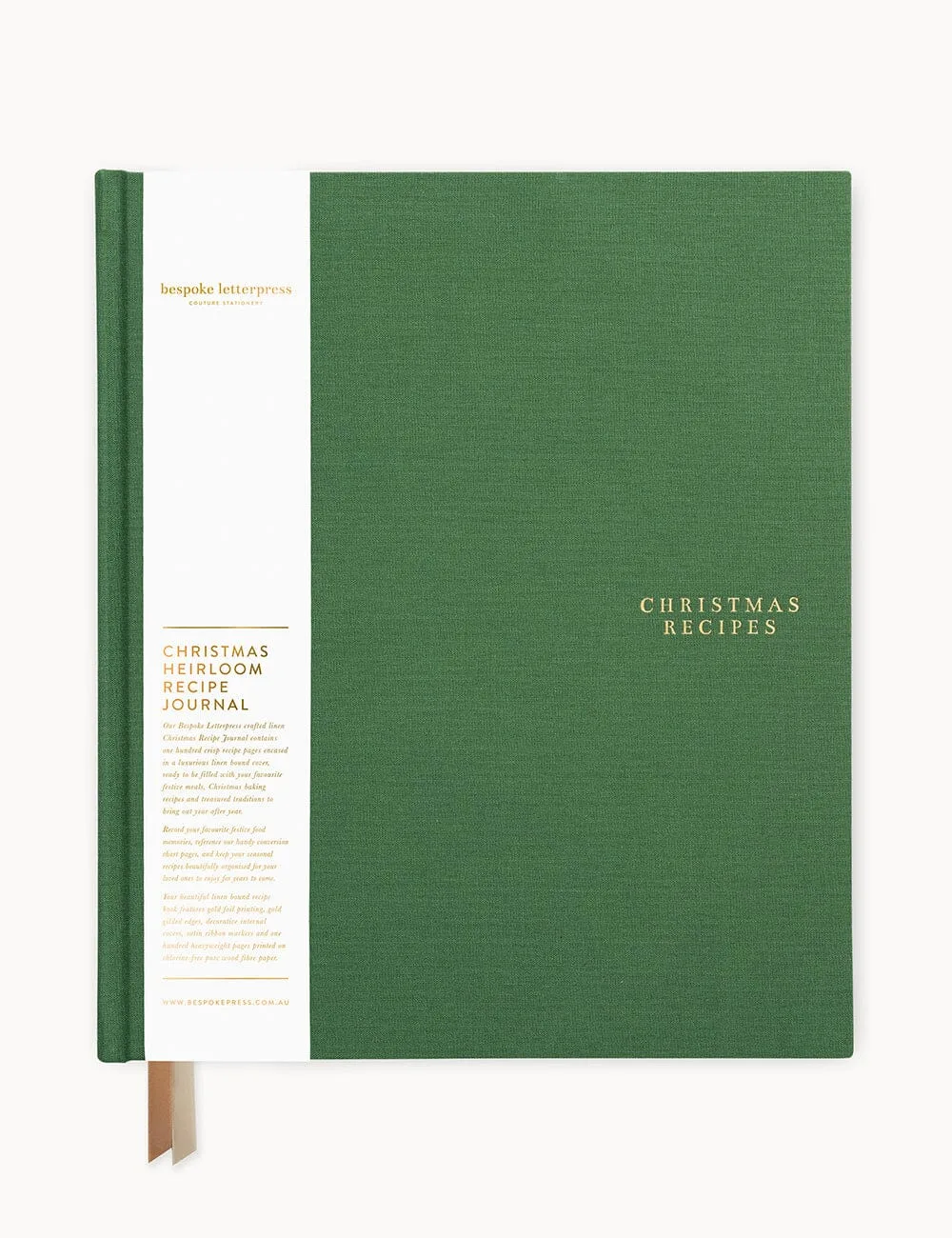
Pick the working role first. Once a recipe survives a year of weekly cooking, copy the final version into a second, nicer book. That second copy is where the handwriting recipes for keepsake idea actually earns its place.
Choose a format that survives the kitchen
Lay-flat binding matters more than cover design. A book that won't stay open means one hand holding pages and one hand stirring. Look for limp or lay-flat binding, heavyweight paper that tolerates a light pencil correction, and a size you can prop against a wall without it sliding.
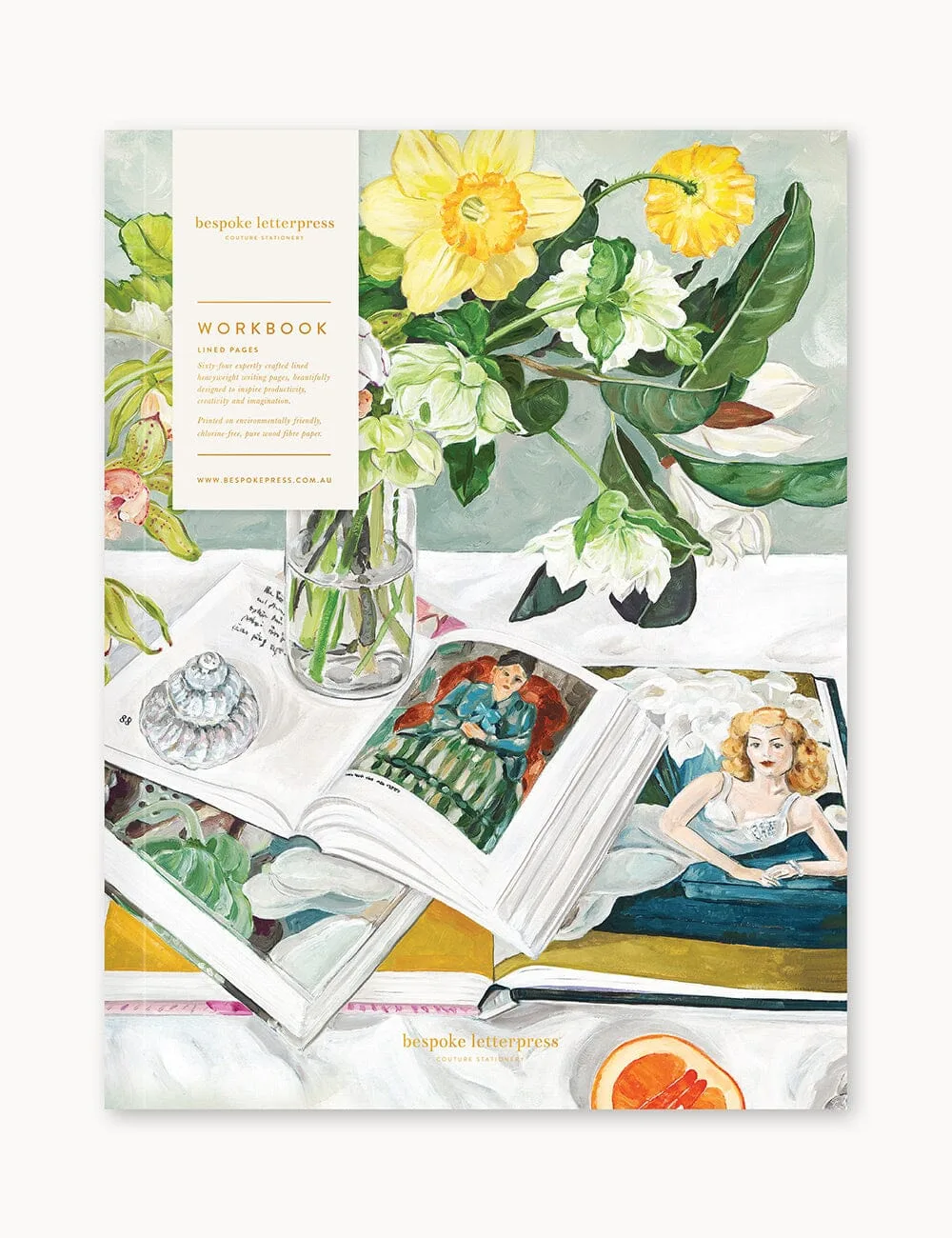
Page count is a real decision. Sixty-four lined pages holds roughly 30 to 40 recipes once you allow space for notes, which is plenty for a first year. If you already cook from more than 50 recipes regularly, plan for a second volume rather than cramming.
Set up sections you'll actually use
Skip the twelve-category taxonomy. Most home cooks need five to seven: weeknight dinners, weekend cooking, baking, sauces and basics, and a short 'try next' section. Leave the first two pages blank for an index you fill in as you go, because a recipe book without an index becomes a book you flip through instead of cook from.
Number every page as you write. It takes two seconds and makes the index usable.
Write the recipe in the order you cook it
Most published recipes list ingredients first, then method. In a personal book, write the method in your own sequence and note the ingredient amounts beside the step where they're used. This removes the back-and-forth glance that slows you down mid-pan.
Note the pan, the heat setting and the timing you actually used, not the timing the original recipe claimed. Those three details are what make your book faster than any screen.
Give the book a home and a weekly habit
A recipe book only works if it lives where you cook. Keep it on a stand or shelf within arm's reach of the bench, not in a drawer. Add one new recipe a week and mark the date you first cooked it; a year later you'll know exactly which ones earned a second entry.
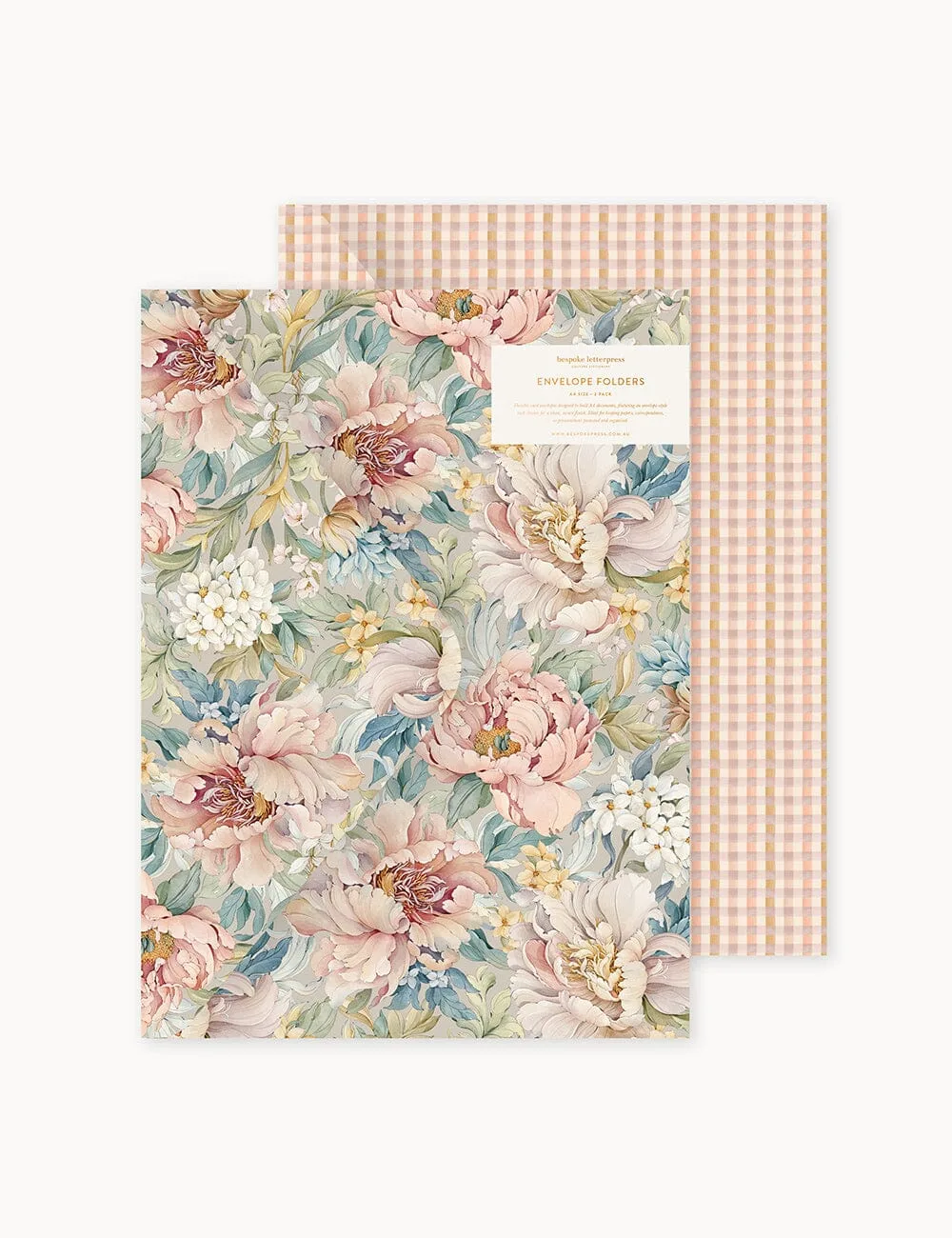
If you cook from screens too, keep a small document wallet nearby for printed pages and loose notes so they don't end up folded into the book's spine.
Seven steps to a recipe book you'll use weekly
- 1. Pick the working book: Buy one lay-flat notebook and commit to it for a year. Don't buy a second 'nice' book yet. Checkpoint: if it won't stay open on the bench, return it.
- 2. Reserve the first two pages for an index: Leave them blank and number pages as you write. Fill the index as you go, not at the end. Common mistake: writing the index last, which never happens.
- 3. Create five to seven broad sections: Weeknight dinners, weekend cooking, baking, sauces and basics, and try-next is enough for most kitchens. Checkpoint: if a section has fewer than three recipes after six months, merge it.
- 4. Write only recipes you've cooked twice: The first cook is a test. The second is proof. Write it up after the second time, when you know the real timings. Common mistake: copying recipes in before you've cooked them, which fills the book with dead weight.
- 5. Write method first, ingredients beside the steps: Record pan, heat and actual timing as you go. Note substitutions in the margin in pencil. Checkpoint: can you cook from the page without re-reading it twice?
- 6. Store loose pages properly: Keep printed recipes and clippings in an A4 document wallet until you've cooked them twice and written them up. Next step: review the wallet monthly and clear anything you haven't cooked.
- 7. Add one recipe a week and date it: A weekly habit builds a book of 50 recipes in a year. The date tells you what's earned a permanent place. Checkpoint: after 12 months, copy the proven recipes into a keepsake book and start volume two.
Products that suit this method
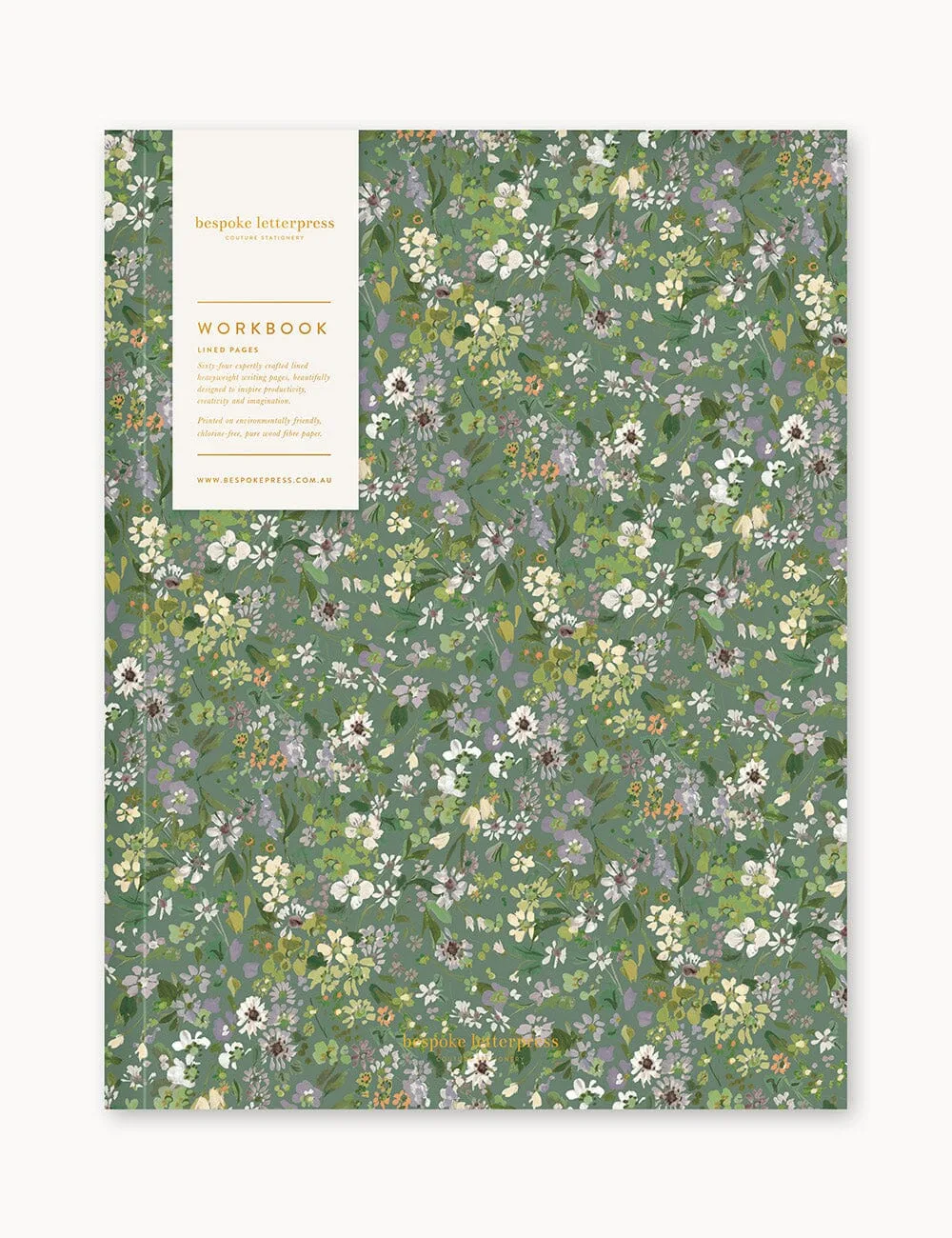
- August Blooms Workbook: August Blooms Workbook: 64 heavyweight lined pages with gilded edges, lay-flat limp binding and 100gsm environmentally responsible paper. The lay-flat binding is the feature that matters most at the stove, and 64 pages is a realistic first-year volume for 30 to 40 recipes with room for notes.
- Envelope Folder A4 2 pack - Regency Blooms & Primrose: Envelope Folder A4 2 pack in Regency Blooms and Primrose: two A4 document folders printed front and back on durable card. Useful for holding printed recipes, loose notes and clippings you haven't yet decided to write up by hand, so they don't get lost or creased.