Quick answer
Choose the Hoya 58mm Variable Density II if you need one filter to cover a range of exposures, from about 1.5 to 9 stops, and you shoot with wide-angle lenses. Choose the Okko Pro ND64 67mm if you want a fixed 6-stop reduction with a slim frame that reduces vignetting and still lets you attach a lens cap.
Adjustability vs consistency
The Hoya Variable Density II is a variable ND filter with a density range from 1.5 to 9 f-stops (ND3–400). That means you can dial in the exact strength you need for changing light without swapping filters. The Okko Pro ND64 is a fixed 6-stop filter (ND64), so every frame gets the same light loss. Fixed filters are simpler to meter and avoid the risk of uneven density across the frame that can occur with variable filters at extreme settings, but you lose the flexibility to adjust on the fly.
Vignetting and wide-angle use
The Hoya Variable Density II has an exclusive frame design to fit wide-angle lenses, which helps avoid mechanical vignetting when using wide focal lengths. The Okko Pro ND64 has a slim design to help avoid vignetting, but it is a fixed filter, so you only get one density. If you often shoot wide and need to vary exposure, the Hoya’s frame design is a clear advantage. If you mostly shoot at 6 stops and want a low-profile filter, the Okko Pro’s slim frame is a good match.
Lens cap compatibility
Both filters are designed to let you attach a lens cap, but with a caveat: the Hoya Variable Density II can take lens caps one size bigger than the filter size, while the Okko Pro ND64 is designed to still have a lens cap attached. That means with the Hoya you may need to buy a larger cap, whereas the Okko Pro works with a cap that fits its 67mm thread. If you frequently use a lens cap for protection, the Okko Pro is more straightforward.
Trade-offs to weigh
- Flexibility vs simplicity: The Hoya Variable Density II offers a wide range of densities in one filter, but you must adjust it manually and watch for uneven polarization at extreme settings. The Okko Pro ND64 gives a single, consistent 6-stop reduction that is faster to use and easier to meter. If you often switch between heavy and light ND, the Hoya saves space; if you want repeatable results, the Okko Pro is simpler.
- Wide-angle performance: The Hoya’s frame is specifically designed for wide-angle lenses, reducing the chance of vignetting. The Okko Pro’s slim design also helps, but its fixed density may not suit all wide-angle scenes where you need more or less than 6 stops. For ultra-wide lenses, check that the filter size matches your lens and consider the Hoya if you need variable strength.
- Lens cap convenience: The Hoya requires a lens cap one size larger than the filter thread, which may mean an extra purchase. The Okko Pro accepts a standard lens cap of its size, so you can keep using your existing cap. Factor in the cost and hassle of a larger cap if you choose the Hoya.
Product facts
-
Okko Pro / ND64 (6 Stop) Neutral Density Filter 67mm: Aluminium frame with copper line and 6 stops exposure. The metal frame adds durability, and the fixed 6-stop reduction simplifies exposure calculations for consistent results.
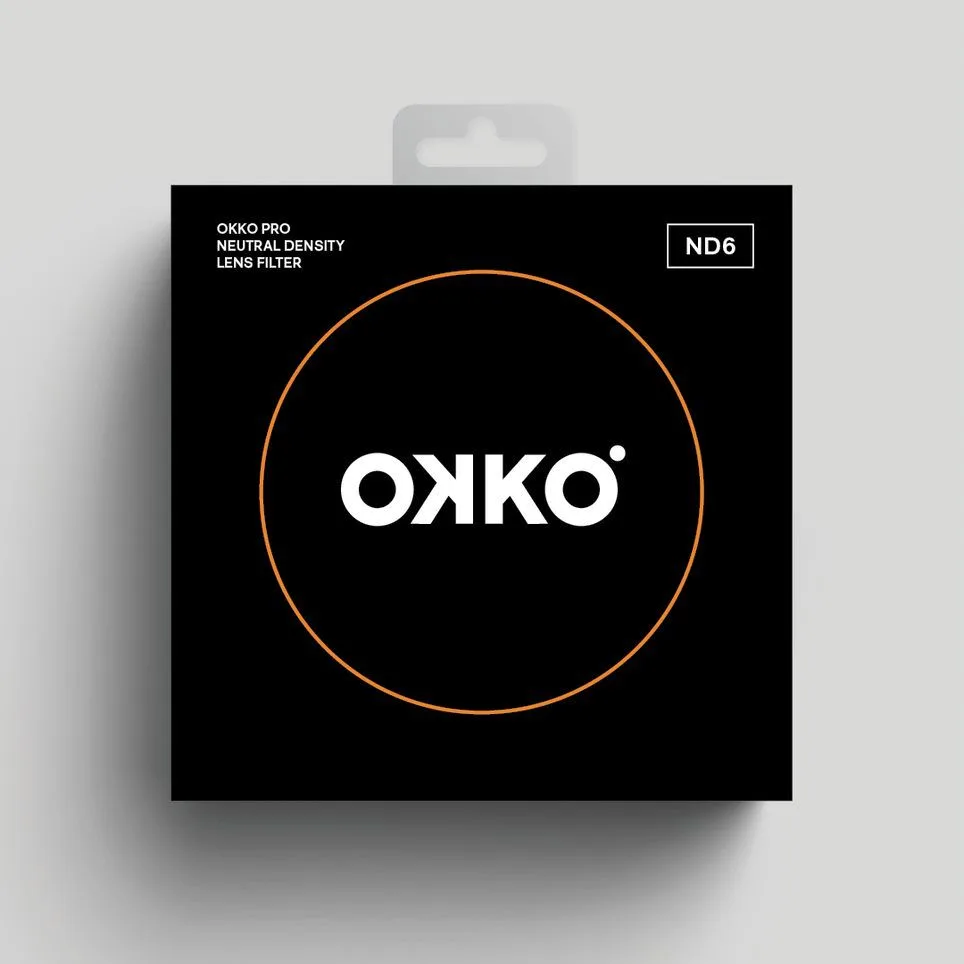
Okko Pro / ND64 (6 Stop) Neutral Density Filter 67mm
-
Hoya 58mm Variable Density II Filter: Density adjustable from 1.5 to 9 f-stops (ND3-400) with a special knob for convenient adjustment. You can fine-tune light reduction without changing filters, which is ideal for changing light or creative control.
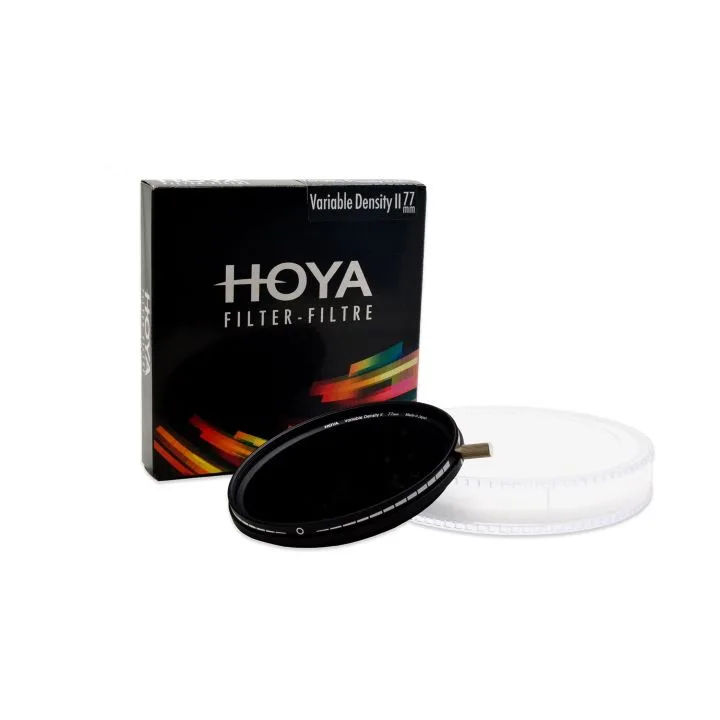
Hoya 58mm Variable Density II Filter
Which should you buy?
Best for
- Photographers who need one filter to cover a range of lighting conditions, from 1.5 to 9 stops.
- Wide-angle shooters who want a frame designed to minimize vignetting and the convenience of adjustable density.
Not for
- Users who prefer a single, fixed ND strength for simpler exposure and no risk of uneven density.
- Photographers who want to use their existing lens cap without buying a larger size.