When tea lovers think of Chinese green tea, names like Longjing (Dragon Well) from Zhejiang or Biluochun from Jiangsu often come to mind. Yet one of China's most historic and flavorful green tea-producing provinces remains surprisingly under the radar: Hunan. Nestled in the heart of central-southern China, Hunan boasts a tea culture that stretches back centuries, with misty mountains and fertile red soils that yield leaves of remarkable character. For connoisseurs seeking authentic Chinese tea beyond the usual suspects, Hunan green tea offers a delightful journey into tradition, terroir, and taste.
In this article, we'll explore what makes Hunan green tea special, how it's processed, its distinctive flavor profile, and why it deserves a spot in your tea collection. Whether you're a seasoned green tea drinker or just beginning to explore the vast world of Chinese tea, Hunan's hidden gems are well worth discovering.
The Terroir of Hunan: Why This Region Produces Exceptional Green Tea
Hunan Province, located south of the Yangtze River, is blessed with a subtropical monsoon climate, abundant rainfall, and mineral-rich acidic soils. The region's mountainous topography—particularly the Xuefeng and Wuling mountain ranges—creates ideal conditions for tea cultivation. Tea plants grown at higher altitudes develop slower, concentrating their flavors and producing leaves with a more complex aroma. The mist and cloud cover that often shroud Hunan's hillsides also protect the leaves from harsh sunlight, resulting in a tender, vegetal sweetness that is the hallmark of high-quality green tea.
Historically, Hunan was a major stop on the ancient Tea Horse Road, and its teas were prized in imperial courts. Today, the province produces several famous green tea varieties, including Junshan Yinzhen (Silver Needle) from Yueyang and Guzhang Maojian from the western mountains. These teas are known for their bright liquor, chestnut-like fragrance, and a clean, lingering finish. For those who appreciate the nuanced differences among Chinese green tea varieties, Hunan offers a distinct profile that stands apart from the more famous Zhejiang and Jiangsu teas.
- Hunan's high-altitude gardens produce leaves with concentrated flavor and aroma.
- The region's red, acidic soil contributes to the tea's characteristic sweetness.
- Junshan Yinzhen and Guzhang Maojian are two celebrated Hunan green teas.
How Hunan Green Tea Is Made: Traditional Processing Methods
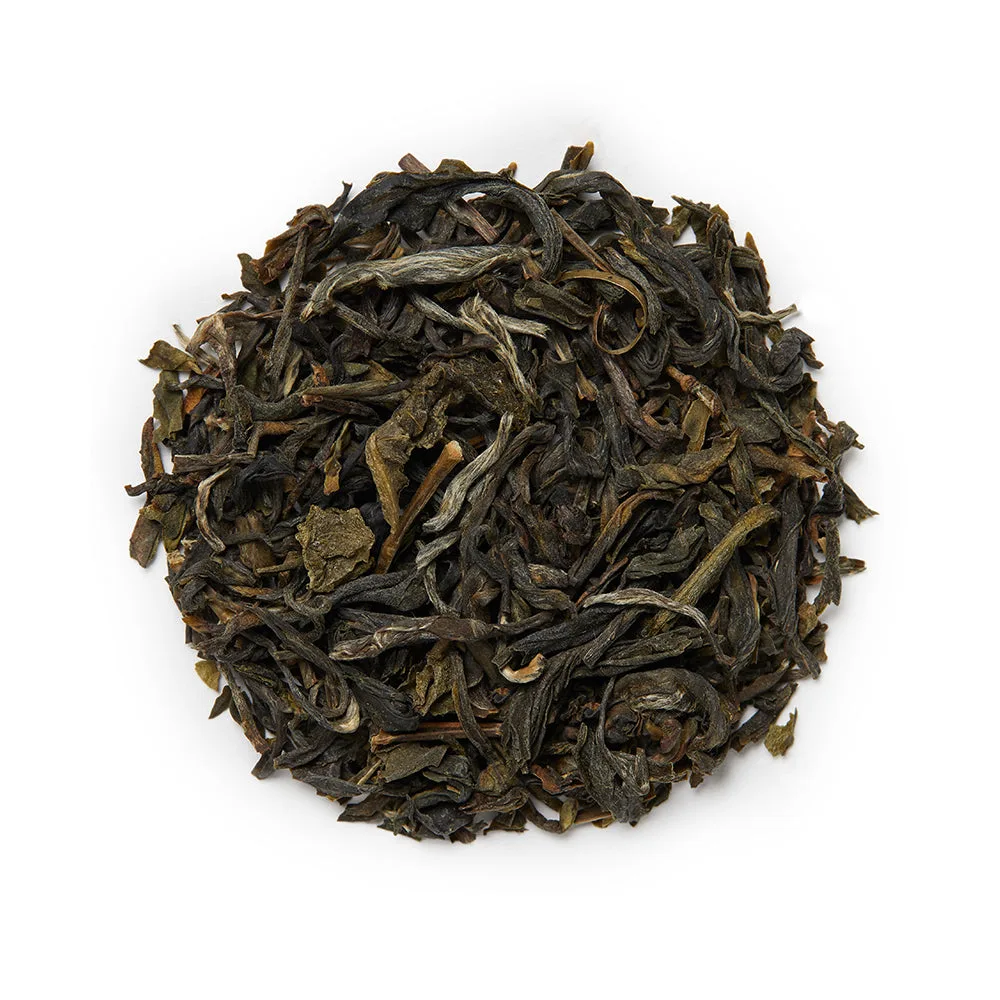
Like most Chinese green teas, Hunan green tea undergoes a process that halts oxidation soon after plucking, preserving the leaves' vibrant green color and fresh taste. However, Hunan tea masters employ unique techniques that set their teas apart. One common method is pan-firing in a wok-like drum, where leaves are tossed and pressed at high temperatures to kill the enzymes. This imparts a toasty, slightly nutty note that balances the natural vegetal flavors. Some Hunan teas are also shaped by hand into delicate twists, needles, or spirals, a testament to the skill of local artisans.
The timing of the harvest is crucial. The finest Hunan green teas are picked in early spring, before the Qingming Festival (early April), when the buds are still covered in fine white hairs. These 'pre-Qingming' teas are prized for their tenderness and low astringency. After firing, the leaves are carefully dried and sorted, often using bamboo trays to preserve their integrity. The result is a cup that is both refreshing and complex, with a smooth mouthfeel and a sweet aftertaste that lingers on the palate.
- Pan-firing gives Hunan green tea a signature toasty, nutty undertone.
- Early spring harvest (pre-Qingming) yields the highest quality leaves.
- Hand-shaping techniques create visually stunning tea leaves.
Flavor Profile and Brewing Tips for Hunan Green Tea
A well-crafted Hunan green tea typically offers a pale yellow-green liquor with a fresh, grassy aroma reminiscent of steamed vegetables or chestnuts. The taste is clean and slightly sweet, with a subtle umami note that makes it highly drinkable even without sweeteners. Unlike some green teas that can become bitter when oversteeped, Hunan green tea remains remarkably forgiving—though proper brewing will always yield the best results. The finish is smooth and refreshing, making it an excellent choice for daily sipping.
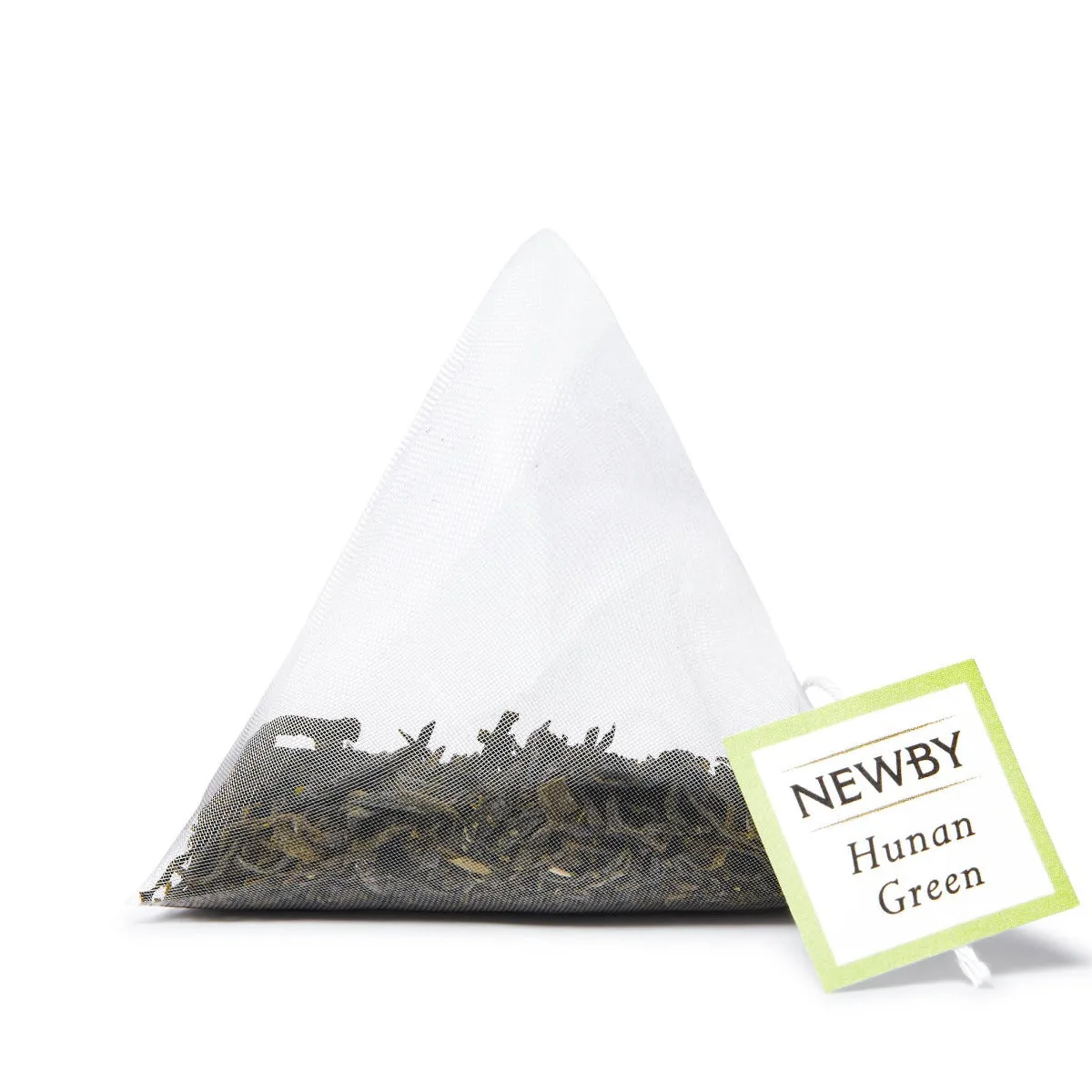
To brew Hunan green tea at its best, use water heated to around 75-80°C (167-176°F)—just below boiling. Steep 2-3 grams of leaves per 200ml of water for 2-3 minutes. You can resteep the leaves two or three times, each infusion revealing new layers of flavor. For a more ceremonial experience, try using a glass gaiwan or a small teapot to watch the leaves unfurl. If you enjoy exploring green tea varieties, pairing Hunan green tea with a light snack like rice crackers or fresh fruit enhances its natural sweetness.
- Water temperature: 75-80°C (167-176°F).
- Steep time: 2-3 minutes for the first infusion.
- Use 2-3 grams of leaves per 200ml of water.
Health Benefits of Hunan Green Tea: More Than Just a Pleasant Cup
Like all true green teas, Hunan green tea is rich in antioxidants called catechins, particularly epigallocatechin gallate (EGCG), which has been studied for its potential to support heart health, boost metabolism, and reduce inflammation. The moderate caffeine content provides a gentle energy lift without the jitters associated with coffee, making it an excellent choice for morning or afternoon focus. Additionally, the amino acid L-theanine, found in green tea, promotes relaxation and mental clarity, creating a calm yet alert state.
Hunan green tea's high-altitude growing conditions may also contribute to a higher concentration of these beneficial compounds, as the plant produces more antioxidants to protect itself from environmental stress. Regular consumption of green tea has been linked to improved cardiovascular health, better weight management, and even enhanced cognitive function. While no tea is a miracle cure, incorporating Hunan green tea into a balanced lifestyle is a delicious way to support overall wellness.
- Rich in catechins, especially EGCG, for antioxidant support.
- Contains L-theanine for calm focus without drowsiness.
- May aid heart health, metabolism, and mental clarity.
How to Explore Hunan Green Tea: Recommended Products from Newby Teas
If you're ready to experience the unique character of Hunan green tea, Newby Teas offers a curated selection that makes exploration easy and enjoyable. While Hunan green tea itself is a distinct variety, you can also discover similar high-quality Chinese green teas and blends that capture the essence of this region. For a classic green tea experience, the Darjeeling Heritage Loose Leaf offers a different but equally refined profile from the Himalayan foothills, with floral and muscatel notes that complement Hunan's vegetal sweetness.
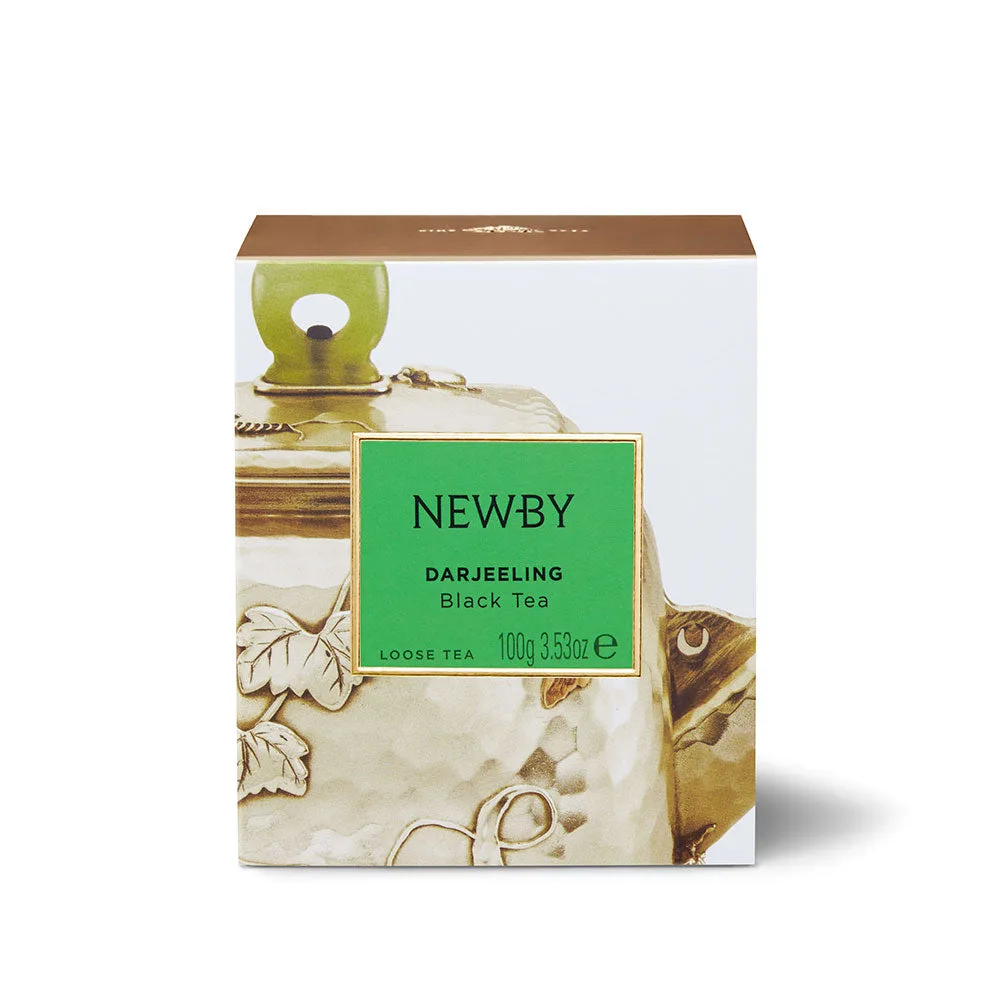
Darjeeling Heritage Loose Leaf
For those who appreciate the ritual of brewing loose leaf tea, the Japanese Kyusu Teapot - Off-White is an elegant vessel that works beautifully for green teas, allowing precise temperature control and easy pouring. Its ceramic construction retains heat gently, ensuring your Hunan green tea steeps evenly. Alternatively, if you enjoy flavored green teas, the Oudh Delight Loose Leaf Tea Pouch - 250g brings a luxurious, aromatic twist that pairs well with the clean taste of green tea. These products from Newby Teas provide a gateway to exploring the rich world of Chinese tea traditions.
- Darjeeling Heritage Loose Leaf offers a complementary floral profile.
- Japanese Kyusu Teapot - Off-White is ideal for precise green tea brewing.
- Oudh Delight Loose Leaf Tea Pouch adds a fragrant, exotic layer.
Hunan green tea may not yet be a household name, but its centuries-old heritage, distinctive flavor, and impressive health benefits make it a true hidden gem among Chinese tea varieties. Whether you're a seasoned tea enthusiast or a curious newcomer, exploring Hunan's offerings is a rewarding journey into one of China's most underrated tea regions. To begin your adventure, we invite you to browse Newby Teas' collection of premium green teas and teaware, and discover the perfect cup for your palate.