Quick answer
For most backcountry hunts, choose a wide-brim hat in a breathable, quick-drying material for sun and light rain, and add a warm, low-profile beanie for cold mornings and glassing. If you need one hat to do it all, prioritize brim coverage and fabric that handles sweat and weather over style.
A hunting hat is not just an accessory; it is your first line of defense against sun, rain, and heat loss. The right brim and material can keep you glassing longer and more comfortably, while the wrong choice leaves you squinting, sweating, or freezing. This guide breaks down brim styles, materials, and coverage so you can match a hat to your hunt instead of guessing.
You will learn how brim width affects sun protection and weapon clearance, why fabric choice matters more than color, and when to carry a second hat for cold sits. We will also cover fit guidance so your hat stays put in wind and does not interfere with optics or a pack.
Brim styles and what they actually do
Brim width is the biggest factor in sun protection. A wide brim (3 inches or more) shades your eyes, ears, and neck, which reduces glare and fatigue during long glassing sessions. A mid brim (2 to 2.5 inches) offers a balance of coverage and packability, while a short brim (under 2 inches) keeps a lower profile and is less likely to catch wind or brush. For hunting, consider how the brim interacts with your rifle or bow string; a very wide brim can bump a stock or string at full draw, so test your stance before committing.
Brim shape also matters. A slight downward curve at the front shades your eyes without blocking peripheral vision, while a flat brim can act like a sail in wind. Many hunters prefer a hat with a malleable brim so they can shape it to the conditions. If you wear a headlamp or ear protection, check that the brim does not interfere with the strap or seal.
- Measure your current hat brim: if it is under 2 inches, you are likely giving up neck and ear shade.
- For bowhunting, keep the brim under 3 inches or plan to tilt it up at full draw.
- A dark underside on the brim reduces glare bouncing off snow or water.
Materials: breathability, drying time, and durability
Hunting hat materials fall into three broad groups: natural fibers (wool, cotton), synthetics (polyester, nylon), and blends. Wool is warm even when damp and naturally odor-resistant, making it a strong choice for cold-weather sits. Cotton is comfortable but soaks up water and dries slowly, which can chill you in wet conditions. Synthetics dry fast, pack small, and handle sweat well, but they can feel clammy if they lack ventilation.
For sun protection, tighter weaves and darker colors under the brim help, but the fabric itself matters less than coverage. If you expect rain, a synthetic or wool hat with a DWR (durable water repellent) finish sheds light moisture; none of these are fully waterproof unless they have a membrane. For hot, dry hunts, prioritize breathability and a light color that reflects heat. For cold, windy hunts, a wind-resistant synthetic or dense wool beanie under a brimmed hat adds warmth without bulk.
- Wool: warm when wet, odor-resistant, heavier and slower to dry.
- Synthetics: fast-drying, packable, less warm when wet.
- Cotton: comfortable in dry heat, but a poor choice for wet or cold conditions.
Coverage: neck, ears, and face
Coverage is about more than the crown. A hat with a neck flap or a long back brim protects your neck and ears from sunburn, which is common on high-altitude hunts. Some hunters use a separate neck gaiter or a shemagh for modular coverage. If you wear hearing protection or a headset, a hat with a low-profile ear area fits better than one with bulky ear flaps.
For cold weather, a beanie or a hat with fold-down ear flaps covers ears and retains heat. A balaclava or a hooded base layer can supplement a hat when temperatures drop. The key is to avoid gaps: wind and sun find exposed skin. A hat that covers the back of your neck and tops of your ears reduces the need for sunscreen reapplication and keeps you focused on the hunt.
- Neck flap: best for sun and light rain, but can interfere with a pack strap.
- Ear flaps: useful for cold glassing, but check compatibility with headsets.
- Layering: a thin beanie under a brimmed hat adds warmth without changing brim coverage.
Fit guidance: how a hunting hat should feel
A hunting hat should fit snugly enough to stay put in wind but not so tight that it leaves marks or causes headaches. Measure your head circumference with a soft tape just above your ears and across the mid-forehead. Most hat sizes correspond to that measurement, but brands vary. If you are between sizes, size up and use the adjustable strap or a thin beanie underneath for a custom fit.
Check interference points: the brim should not block your view when you look up, the crown should not press on your head when you wear ear protection, and the back of the hat should not rub against a pack. If you wear glasses, ensure the brim does not touch the top of the frames. Adjustable straps or drawcords help, but they can loosen over time; a hat with a moisture-wicking sweatband keeps sweat out of your eyes.
- Measure your head before buying; do not rely on one-size-fits-all.
- Test the hat with your pack, optics, and hearing protection.
- If the hat moves when you shake your head, it is too loose for wind.
Decision rules for choosing a hunting hat
- Hot, sunny, exposed terrain: Choose a wide brim (3+ inches) in a light-colored, breathable synthetic or tight-weave fabric. Add a neck flap if your neck burns easily. Prioritize shade and ventilation over packability.
- Cold, windy, or wet conditions: Choose a wool or wind-resistant synthetic beanie or a brimmed hat with ear flaps. Layer a thin beanie under a brimmed hat if you need both sun and warmth. Warmth and wind resistance beat brim width in the cold.
- Bowhunting or rifle hunting with a high cheek weld: Keep the brim under 3 inches or choose a hat with a flexible brim you can tilt up. Test your draw or cheek weld with the hat on before you commit. Clearance with your weapon is non-negotiable.
- Packability and weight: If you are counting ounces, a synthetic beanie or a crushable brimmed hat packs smaller than a structured wool hat. Carry a second hat only if conditions demand it. One versatile hat plus a beanie covers most hunts.
PEAX gear that pairs with your hat choice
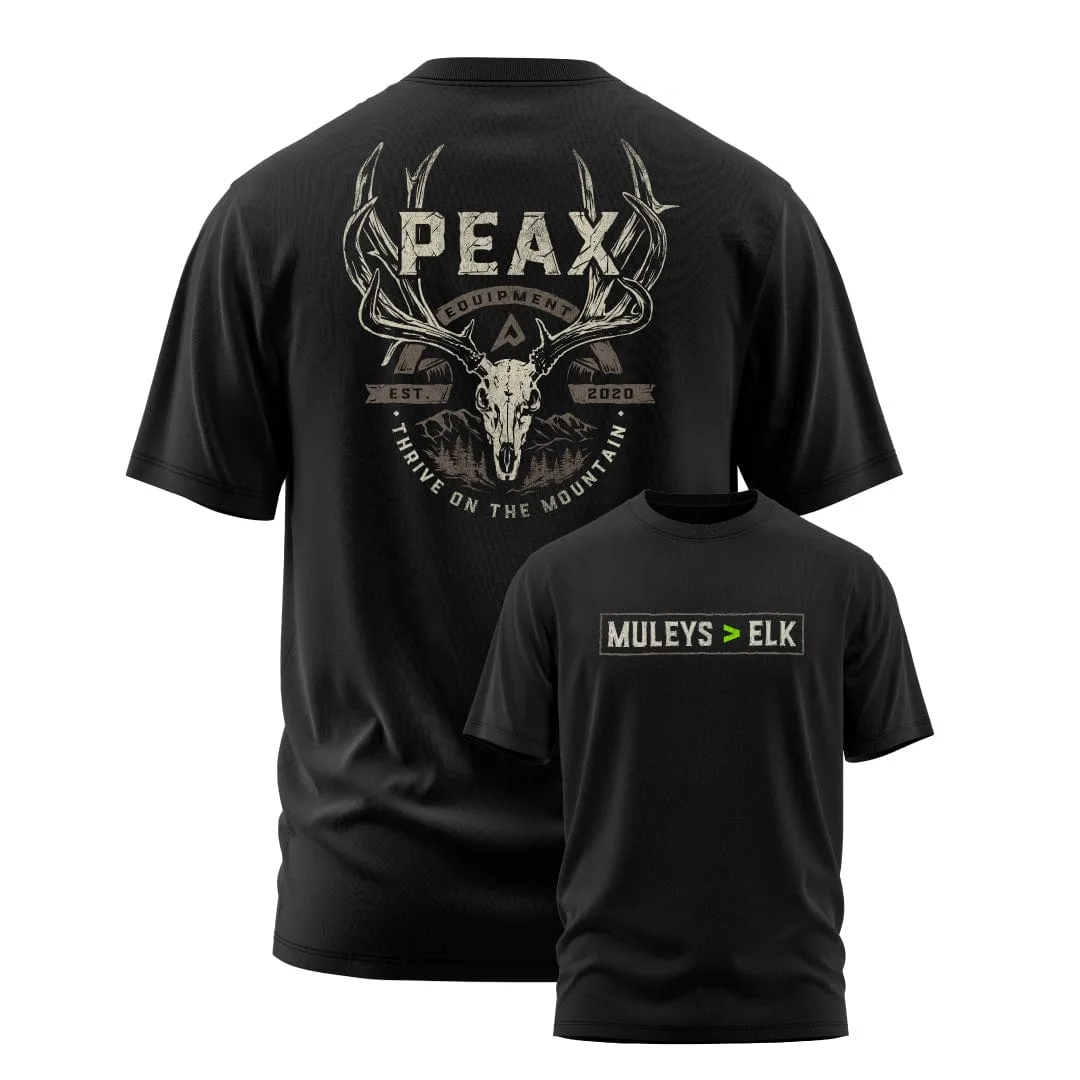
- TEAM MULEYS: Soft, comfortable T-shirt with a mule deer hunting theme. A breathable base layer under your hunting hat helps manage sweat on warm-weather stalks.
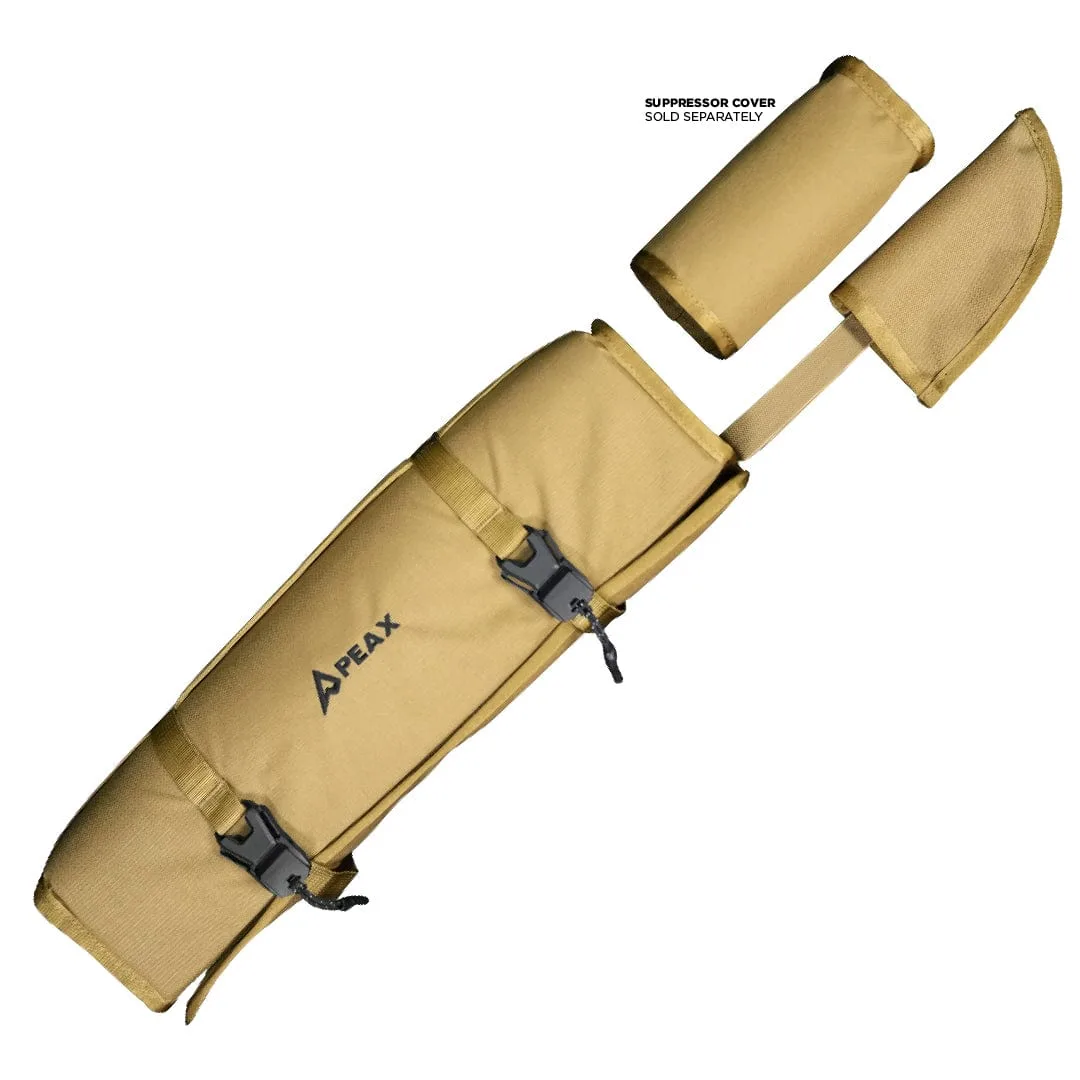
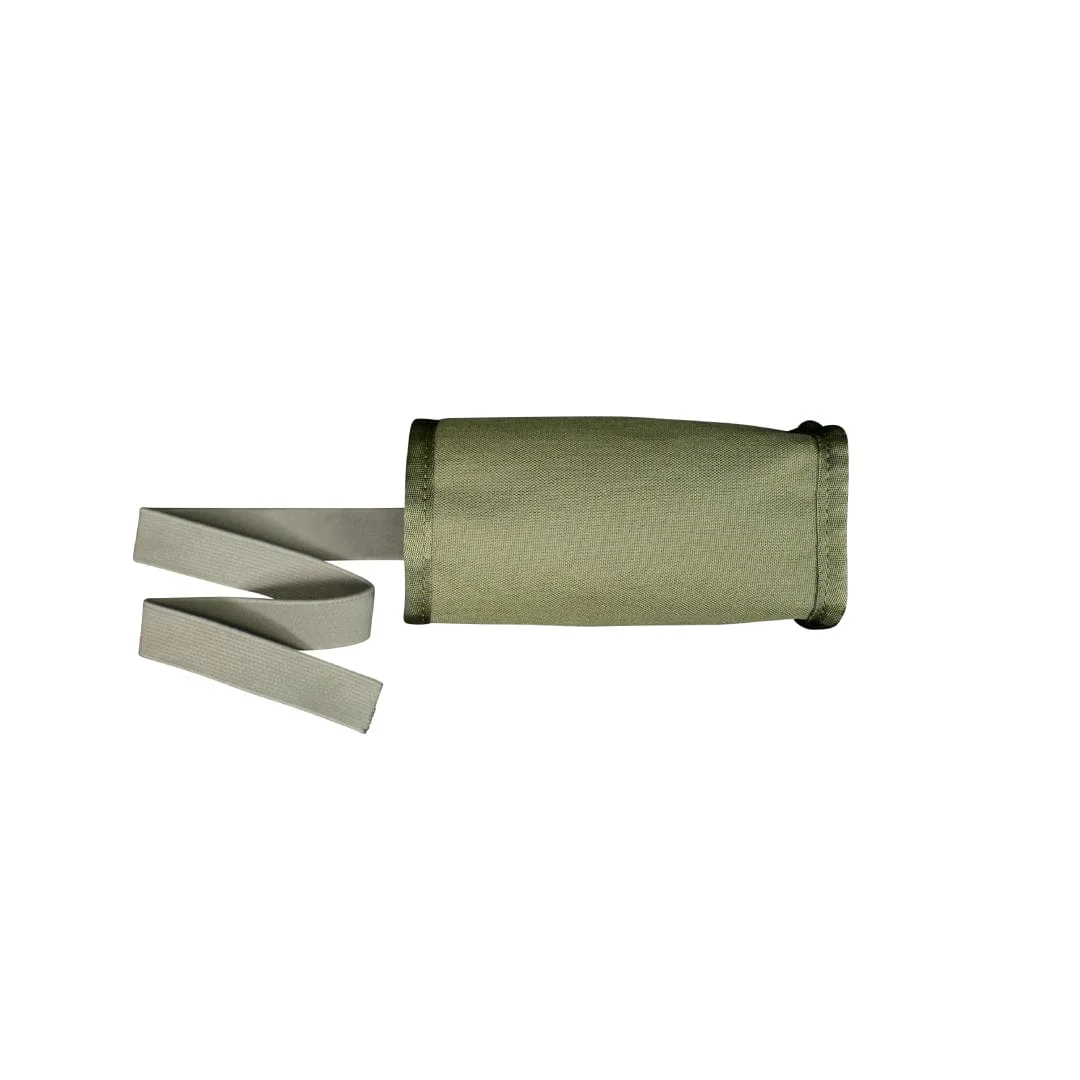
- SUPPRESSOR CROWN COVER: Attaches directly to your PEAX Scope Cover to shield your suppressor’s crown from dirt, dust, and debris during transport. Protecting your muzzle crown keeps your rifle ready when you finally get a shot after a long, sun-exposed glassing session.
Who this hat advice is for
Best for
- Backcountry hunters who glass for hours in sun, rain, or cold
- Hunters who want one hat that handles multiple conditions
- Anyone who wears hearing protection, glasses, or a pack while hunting
Not for
- Hunters who only need a fashion hat for mild weather
- Anyone unwilling to test brim clearance with their weapon or optics
Pick a hat that matches your worst-case conditions, not the average day. A wide brim and breathable fabric for sun, a warm beanie for cold, and a fit that stays put in wind will keep you comfortable and focused. Test your choice with your pack and weapon before you rely on it in the field.