Dog agility is a thrilling sport that strengthens the bond between you and your canine companion. Among the most iconic pieces of equipment are hurdle jumps, which test your dog's speed, agility, and obedience. Whether you're a beginner exploring the sport or a seasoned competitor looking to upgrade, choosing the right hurdles is crucial for both performance and safety.
In this guide, we'll walk you through everything you need to know about dog hurdle jumps—from understanding different types and materials to sizing them correctly and using them effectively in training. By the end, you'll be equipped to make an informed decision that suits your dog's needs and your training goals.
Why Hurdle Jumps Are Essential in Dog Agility
Hurdle jumps are a fundamental component of dog agility courses. They test a dog's athleticism, coordination, and ability to follow cues at speed. For dogs, jumping is a natural activity, but in agility, it's refined into a precise skill that requires proper technique to avoid injury.
Incorporating hurdle jumps into your training routine offers numerous benefits. It improves your dog's cardiovascular fitness, strengthens muscles, and enhances proprioception—the sense of body position. Moreover, jumping builds confidence and focus, which are essential for any working or sporting dog. Whether you're training for competition or just for fun, hurdles are a valuable addition to your equipment.
- Always warm up your dog before jumping to prevent muscle strains.
- Start with low heights and gradually increase as your dog gains strength and confidence.
Types of Dog Hurdle Jumps
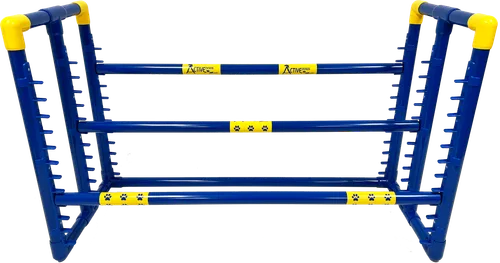
When it comes to dog hurdle jumps, there are several types to consider, each with its own advantages. The most common are panel jumps, which consist of a solid or slatted barrier that dogs must clear. Panel jumps are excellent for teaching proper jumping technique because they clearly define the height and width.
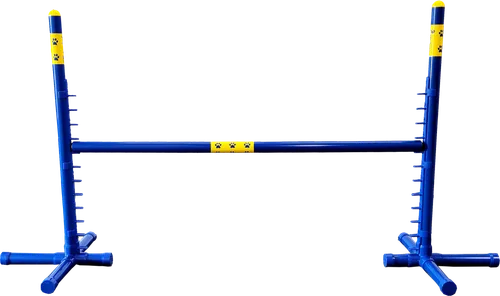
Another popular option is the hurdle jump with adjustable bars. These allow you to set the height precisely, making them ideal for training dogs of different sizes or for progressive training. Some hurdles also come with wings or standards, which help guide the dog and reduce the risk of knocking the bar.
- For beginners, a simple bar jump is often easier to learn on.
- Winged jumps can help dogs that tend to run out or avoid the jump.
Key Features to Look For
When shopping for dog hurdle jumps, consider the material and construction. Aluminum frames are lightweight yet durable, making them easy to move and set up. They're also resistant to rust, which is great for outdoor training. Look for jumps with a sturdy base to prevent tipping during fast turns.
Adjustability is another crucial feature. A good hurdle should allow you to change the height in small increments to match your dog's skill level. Additionally, consider the portability—if you travel to competitions, a jump that breaks down compactly is a plus. Some models come with a carrying bag for convenience.
- Check that the jump is stable on uneven ground.
- Look for rounded edges to minimize injury risk.
Sizing and Height Guidelines
Choosing the right height is critical for your dog's safety. As a general rule, the jump height should be set at the dog's withers (shoulder height) for most breeds, but this can vary based on the dog's build and fitness level. For puppies and senior dogs, lower heights are recommended to protect developing or aging joints.
To measure your dog's height, have them stand on a flat surface and measure from the ground to the top of their shoulders. Then, set the jump bar slightly lower than this measurement. As your dog becomes more proficient, you can gradually raise the bar, but never exceed the maximum recommended height for their size.
- Always observe your dog's jumping form; if they consistently knock the bar, the height may be too high.
- Consult your veterinarian if you're unsure about appropriate jump heights for your dog.
Training Tips for Hurdle Jumps
Introducing your dog to hurdle jumps should be a positive and gradual process. Start by having your dog walk over the bar on the ground to build confidence. Then, use a treat or toy to lure them over the jump at a low height. Reward them immediately for successful attempts.
As your dog becomes comfortable, you can increase the height and add distractions. Incorporate jumps into a sequence with other obstacles to mimic a real agility course. Always end training sessions on a positive note, and never force your dog to jump if they seem hesitant.
- Use a clicker to mark the exact moment your dog clears the jump.
- Practice both directions to ensure your dog is comfortable jumping from any approach.
Recommended Hurdle Jumps at ActiveDogs
At ActiveDogs, we offer a selection of high-quality hurdle jumps designed for both training and competition. The Agility Vented Panel Jump w/Bag is a popular choice for its durable construction and included carrying bag, making it perfect for on-the-go training. Its vented panel design reduces wind resistance, allowing for smoother jumps.
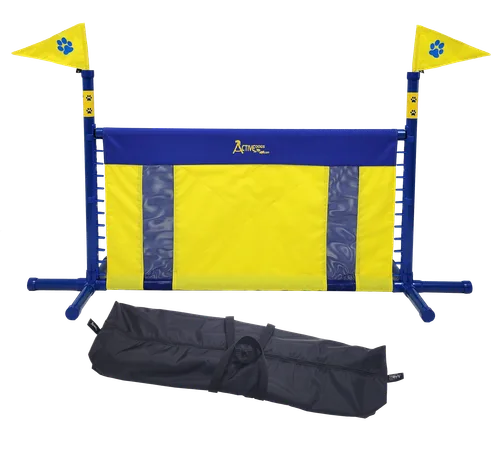
Agility Vented Panel Jump w/Bag
Another excellent option is the Agility Aluminum Frame Adjustable Hurdle Jump. This jump features a lightweight aluminum frame and adjustable height, making it suitable for dogs of all sizes. Its sturdy base ensures stability even during sharp turns, and it's built to withstand rigorous use.
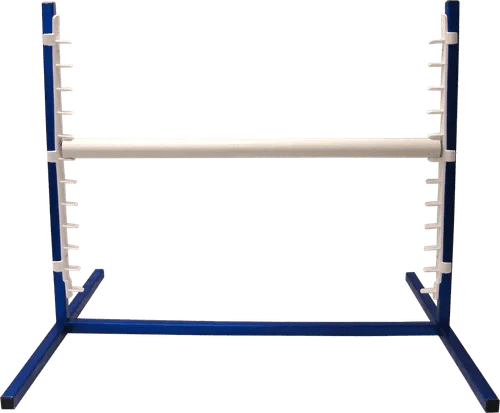
Agility Aluminum Frame Adjustable Hurdle Jump
- Consider your training environment when choosing between panel and bar jumps.
- Invest in a quality jump that will last for years of training.
Choosing the right hurdle jumps for your dog is an investment in their health, happiness, and performance. By considering factors like type, material, and adjustability, and by following proper training techniques, you'll set your dog up for success on the agility course. Explore our selection at ActiveDogs to find the perfect jump for your training needs.