Choosing a reusable coffee cup is a great step toward reducing single-use waste, but when you’re torn between two popular options like the HuskeeOriginal and the HuskeeRenew, the eco-friendly decision isn’t always obvious. Both cups are designed to replace disposable cups, yet they take different paths to sustainability. In this comparison, we’ll break down the materials, manufacturing, and end-of-life impact of each so you can choose the cup that aligns with your environmental values.
We’ll also look at how each cup performs in daily use, because a cup that lasts longer and gets used more often is ultimately the greener choice. Whether you’re a home brewer or a café regular, understanding the full lifecycle of your cup matters. Let’s dive into the details.
Material Origins: HuskeeOriginal vs HuskeeRenew
The HuskeeOriginal is made from a unique composite of coffee husk (the outer skin of the coffee bean) and a polypropylene binder. This material repurposes agricultural waste that would otherwise be discarded, giving it a second life as a durable cup. The HuskeeOriginal’s material is not only renewable but also helps reduce the environmental burden of coffee farming by turning a byproduct into a valuable resource.
The HuskeeRenew, on the other hand, is crafted from recycled coffee cup material—specifically, recycled polypropylene that comes from used Huskee cups and other post-consumer sources. This closed-loop approach means that each HuskeeRenew cup gives a second life to plastic that might otherwise end up in a landfill. By choosing the HuskeeRenew, you’re directly supporting a circular economy where old cups become new ones.
- HuskeeOriginal: uses coffee husk (agricultural waste) + polypropylene
- HuskeeRenew: uses recycled polypropylene from used cups and other sources
- Both avoid virgin plastic, but they source their materials differently
Environmental Impact of Production
When comparing the carbon footprint of production, both cups have advantages. The HuskeeOriginal’s use of coffee husk reduces the need for virgin plastic and also prevents agricultural waste from decomposing and releasing methane. However, the processing of coffee husk into a usable composite requires energy and additional binders, which can offset some benefits.
The HuskeeRenew’s production relies on recycling infrastructure, which consumes energy for collection, sorting, and reprocessing. Yet, recycling polypropylene typically uses less energy than producing virgin plastic, and it keeps material in circulation. The key difference is that the HuskeeRenew is designed to be recycled again at the end of its life, whereas the HuskeeOriginal’s composite material is more challenging to recycle due to the mixed components.
- HuskeeOriginal: upcycles agricultural waste but is harder to recycle at end-of-life
- HuskeeRenew: designed for circularity, can be recycled into new cups
- Production energy: both are lower than virgin plastic, but recycling has a clear edge
Durability and Lifespan: The Long-Term Eco Factor
A cup that cracks or breaks after a few months has a higher environmental cost because it needs to be replaced more often. The HuskeeOriginal is known for its robust build, capable of withstanding drops and daily wear. Its coffee husk composite is surprisingly sturdy, making it a reliable companion for years of use.
The HuskeeRenew, made from recycled polypropylene, is also durable, but some users report it feels slightly less rigid than the HuskeeOriginal. However, the HuskeeRenew is designed to be recycled at the end of its life, so even when it finally wears out, it can be turned into a new cup. This cradle-to-cradle approach gives the HuskeeRenew a distinct eco-advantage in the long run.
- HuskeeOriginal: extremely durable, but end-of-life recycling is limited
- HuskeeRenew: slightly less rigid but fully recyclable into new cups
- Longevity: both are built to last, but renew’s recyclability boosts its eco-score
Which Cup Is More Eco-Friendly for Your Daily Routine?
Daily habits play a huge role in environmental impact. If you’re someone who tends to lose or break cups, the HuskeeOriginal’s ruggedness might mean you use it longer, reducing the need for replacements. On the other hand, if you’re committed to a circular lifestyle, the HuskeeRenew’s closed-loop design might be more appealing, especially if you have access to Huskee’s recycling program.
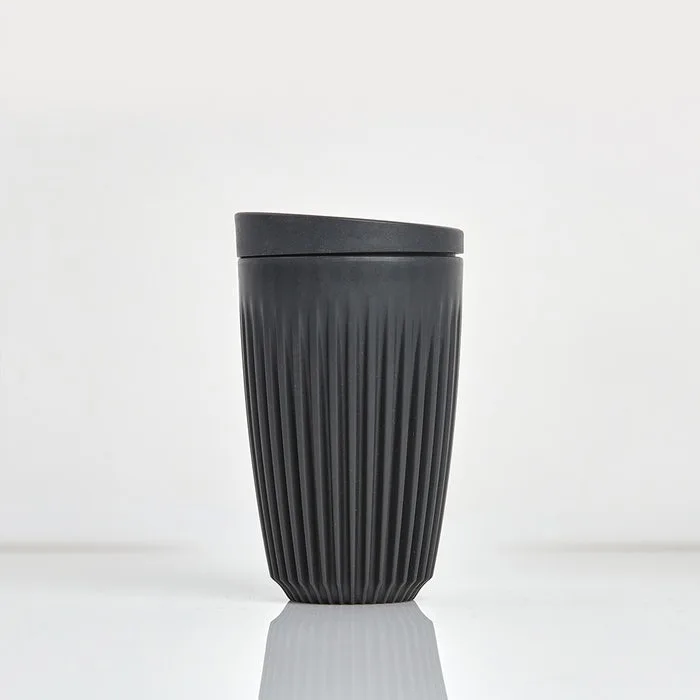
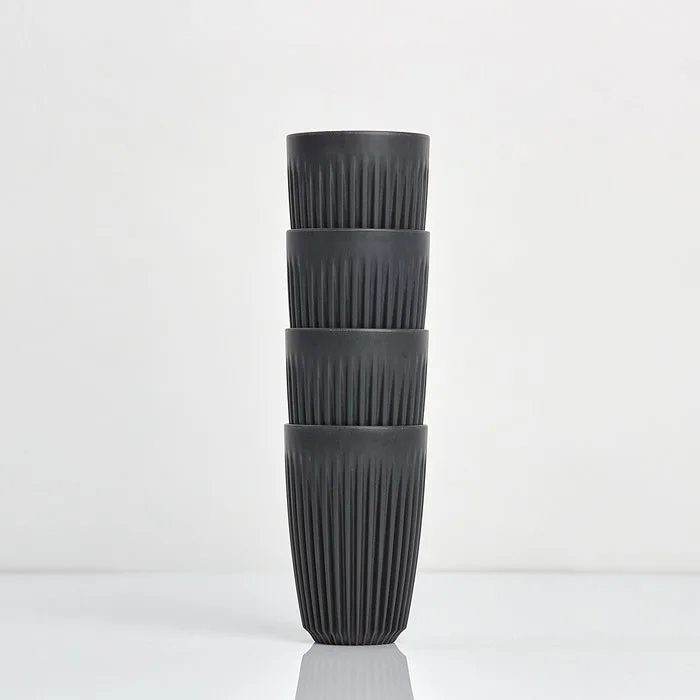
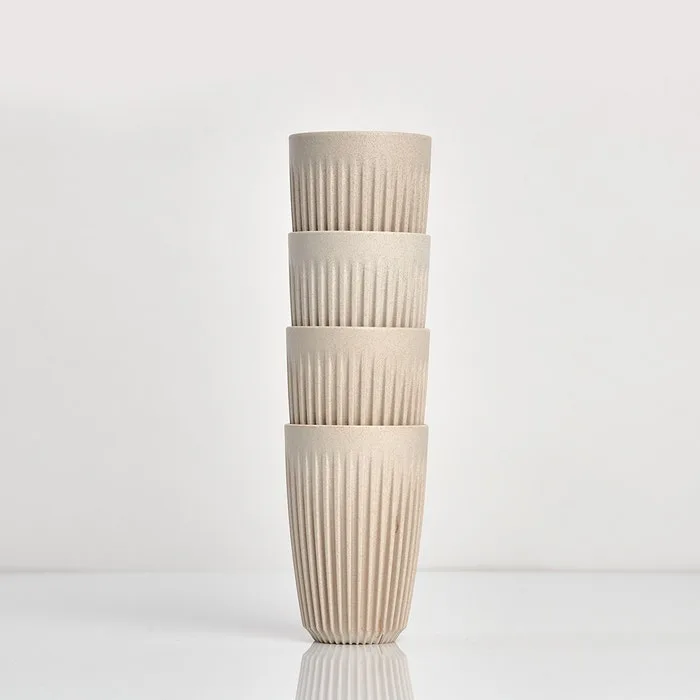
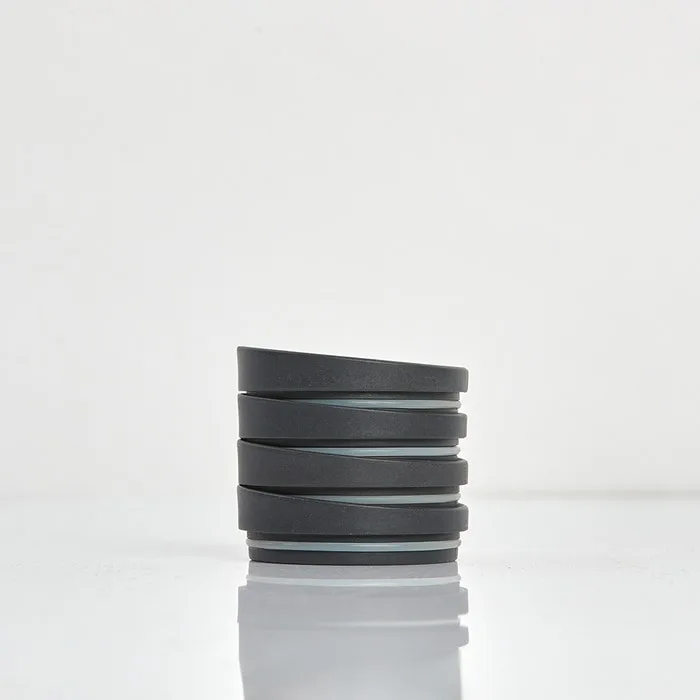
Consider also the accessories. Both cups work with the https://huskees.com/products/universal-lid-4-pack-332766Universal Lid 4-Pack, which helps prevent spills and keeps your drink hot, encouraging more frequent use. The 12oz HuskeeRenew is a popular choice for those who want a larger capacity, while the https://huskees.com/products/12oz-huskeeoriginal-4-pack-332806https://huskees.com/products/12oz-huskeeoriginal-4-pack-33280712oz HuskeeOriginal 4-Pack offers a great value for households. Ultimately, the most eco-friendly cup is the one you’ll use every day, so pick the one that fits your lifestyle best.
- If durability is your priority, HuskeeOriginal may be the greener pick
- If you value recyclability, HuskeeRenew is the clear winner
- Both cups are compatible with the Universal Lid 4-Pack for added convenience
In the end, both HuskeeOriginal and HuskeeRenew are eco-friendly choices compared to disposable cups. If you prioritize using agricultural waste and need a rugged cup, the HuskeeOriginal is a solid option. If you want to support a circular economy and ensure your cup can be recycled again, the HuskeeRenew is the more sustainable pick. Whichever you choose, you’re making a positive impact—so pick the one that you’ll love using every day. For a great starting point, consider the 12oz HuskeeRenew, which balances capacity and eco-credentials beautifully.