Start with the right amount, not the biggest amount
Hydrating Body Lotion is a gel-lotion, so a little can go further than you might expect from a thicker cream. The formula is lightweight and hard-working, not oily or sticky, and it is packed with moisture-holding glycerin and soothing aloe vera to promote moisture retention and a juicy, supple finish.
Because the supplied information does not give a specific measured amount, use your skin as the guide. Start with a modest pump or squeeze per area, smooth it in, and add more only where skin still feels tight. Over-applying won’t make a gel-lotion work harder; it just takes longer to absorb.
What makes this gel-lotion different
-
Hydrating Body Lotion: A gel-lotion for your body that promotes deeper hydration than your average moisturiser, because hyaluronic acid shouldn’t just be for your face. The gel texture explains why you can use less than a rich cream and still get a supple finish.
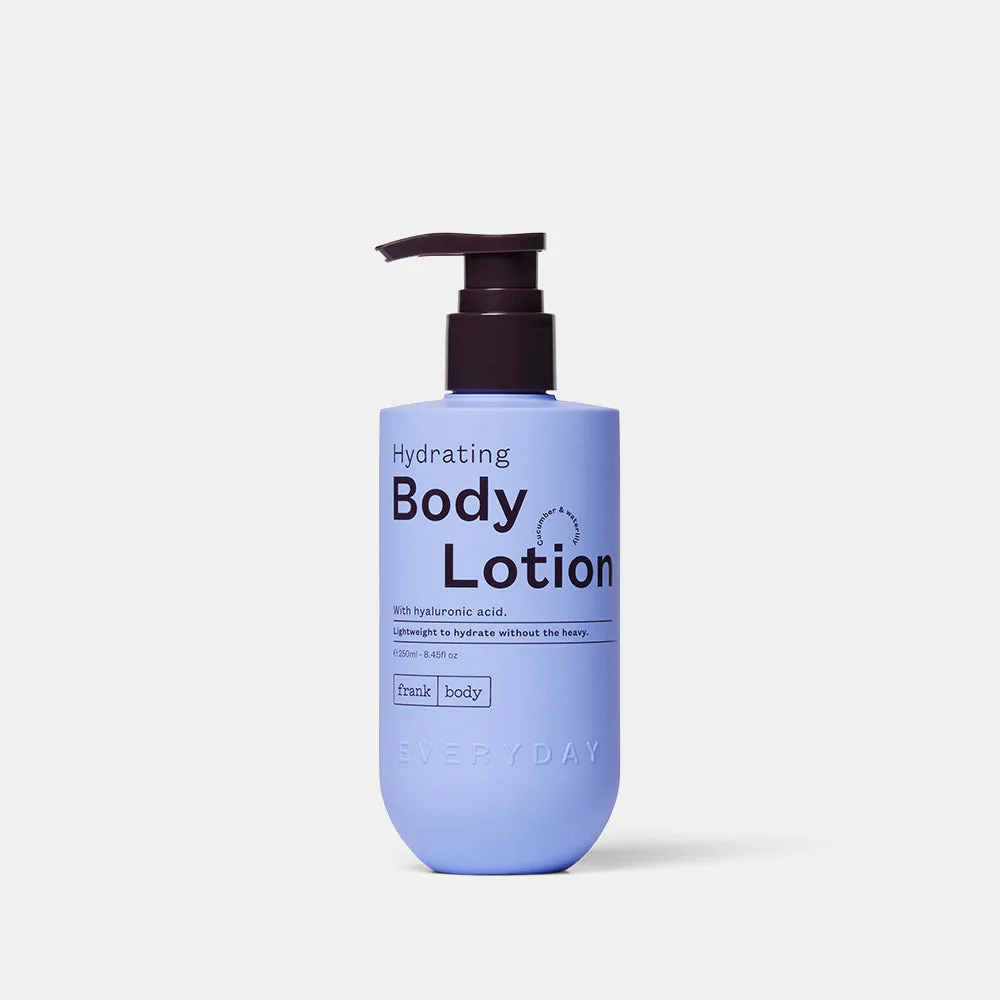
Hydrating Body Lotion
-
Hydrating Body Lotion: Lightweight and hard-working, not oily or sticky, this formula is packed with moisture holding glycerin and soothing aloe vera to promote moisture retention and a juicy, supple finish. This is the finish you are aiming for, so adjust the amount until skin feels comfortable rather than coated.
A simple application routine after showering
The best time to apply body lotion is when skin is clean and still slightly damp, so the formula can help lock in moisture. The supplied information does not specify a waiting time or a required frequency, so use this as a practical framework rather than a manufacturer instruction.
- 1. Pat skin partially dry: After showering, gently pat your skin with a towel. Leave it slightly damp rather than completely dry, which helps the lotion spread evenly.
- 2. Start with a small amount per area: Dispense a modest amount into your palm and smooth it over one area at a time, such as each arm or leg. You can always add more, but it is harder to remove excess.
- 3. Focus on dry zones: Pay extra attention to areas that tend to feel tight, such as shins, elbows, and knees. Use lighter layers on areas that already feel comfortable.
- 4. Let it absorb before dressing: The formula is not oily or sticky, but give it a moment to sink in before putting on tight clothing. This helps avoid any transfer and keeps the finish comfortable.
How much to use in different situations
There is no single correct amount for everyone, but these guidelines can help you adjust without wasting product.
- After a morning shower: Use a light layer on each limb and your torso. If skin still feels tight after a minute, add a small additional amount to those areas.
- Before bed: You can use the same amount as your morning routine. If you prefer a more supple feel overnight, apply a slightly thicker layer to very dry areas like heels and elbows.
- Hot or humid weather: Start with less. The gel-lotion is lightweight, but humidity can make any product feel heavier, so a thin layer may be enough.
- Cold or dry weather: You may need a bit more, especially on exposed areas. Apply a second thin layer to dry patches rather than one thick layer everywhere.
Getting the most from the gel-lotion texture
Hydrating Body Lotion is designed to promote deeper hydration than your average moisturiser, with hyaluronic acid as a key part of the formula. To make the most of that, apply it to damp skin so the humectants can help draw in and hold moisture.
The formula also includes glycerin and aloe vera to support moisture retention and a juicy, supple finish. Smooth it in until it disappears rather than rubbing vigorously. If you see white streaks, you have likely used too much in one spot; spread it to a neighboring area or wait a moment for it to absorb.
Packaging detail worth knowing
- Hydrating Body Lotion: I'm made with 50% Post-Consumer Recycled material. This refers to the packaging, not the formula, and is a useful detail if you consider recycled materials when choosing body care.
What the supplied information does not settle
The available product information does not include a specific recommended amount, application frequency, or waiting time between showering and applying. It also does not confirm suitability for specific skin conditions or provide patch-test instructions. If you have sensitive skin or a diagnosed condition, check with a healthcare professional before trying a new product.
Use the guidance above as a practical starting point, then adjust based on how your skin feels. The goal is a comfortable, supple finish, not a fixed number of pumps.