Quick Answer
Hydrating shampoos focus on pulling water into the hair, while moisturizing shampoos help seal that moisture in. If your hair feels dry and brittle, start with a hydrating shampoo; if it's dry but also frizzy or rough, a moisturizing formula may be better. For most hair types, alternating between the two can keep strands balanced.
When you scan the shampoo aisle, terms like 'hydrating' and 'moisturizing' often appear on the same bottle, but they aren't interchangeable. Hydration is about water content—shampoos with humectants like hyaluronic acid draw moisture into the hair. Moisturizing, on the other hand, relies on emollients and occlusives to lock that water in and smooth the cuticle.
Understanding this difference helps you pick a shampoo that addresses your specific concern. For example, wavy and curly hair often needs more hydration, while coarse or textured hair may benefit from extra moisture retention. Here's how to tell which one your hair is asking for.
What Does a Hydrating Shampoo Do?
A hydrating shampoo is formulated with humectants—ingredients that attract water from the air and from your shower steam into the hair shaft. This is especially helpful for hair that feels dry, stiff, or straw-like. Hydrating formulas are often lightweight and silicone-free, which means they won't weigh down fine or wavy hair.
For example, the hydro rush intense moisture conditioner is silicone-free and infused with hyaluronic acid and squalane. It's designed for dry, textured, or coarse hair types 2a–4c and promises 3x more hydration when used as a system with the matching shampoo. If your hair drinks up water but still feels dry by the end of the day, a hydrating shampoo is a good starting point.
- Look for humectants like hyaluronic acid, glycerin, or aloe vera in the ingredient list.
- Hydrating shampoos are often best for wavy or loosely curly hair that needs a moisture boost without heaviness.
What Does a Moisturizing Shampoo Do?
Moisturizing shampoos go a step further by adding oils, butters, or silicones that coat the hair and seal in hydration. This is essential for hair that loses moisture quickly, such as tight curls, coils, or hair that's been color-treated or heat-styled. Moisturizing formulas tend to be richer and may leave a slight film that helps prevent future dryness.
The trade-off is that moisturizing shampoos can feel heavier on fine hair, potentially weighing it down or causing buildup over time. If your hair is prone to oiliness at the roots but dry at the ends, you might need to focus the shampoo on the scalp and condition the lengths separately.
- Moisturizing shampoos often contain shea butter, argan oil, or coconut oil.
- If your hair feels dry but also frizzy, a moisturizing formula can help smooth the cuticle.
Key Differences at a Glance
The core difference is in the ingredients and the goal. Hydrating shampoos add water; moisturizing shampoos trap it. Hydrating formulas are usually lighter and better for fine or wavy hair, while moisturizing ones are richer and designed for coarse or curly textures.
Another difference is how they feel. Hydrating shampoos often rinse clean with little residue, making them ideal for frequent use. Moisturizing shampoos may leave a slight coating that helps with manageability but can cause buildup if you don't clarify occasionally.
- Hydrating = water-based, lightweight, good for wavy hair and humid climates.
- Moisturizing = oil-based, richer, good for curly hair and dry climates.
How to Choose Based on Your Hair Type
For straight or wavy hair (types 1a–2c), a hydrating shampoo is often enough. It adds moisture without flattening your natural body. If you have wavy hair that's prone to frizz, look for a hydrating formula that also contains smoothing agents.
For curly or coily hair (types 3a–4c), a moisturizing shampoo is usually the better choice. Curls lose moisture faster due to the twists and turns in the hair shaft, so they need extra help retaining water. You can also use a hydrating shampoo as a first wash and follow with a moisturizing conditioner or mask.
- Fine, wavy hair: choose a hydrating shampoo and a lightweight conditioner.
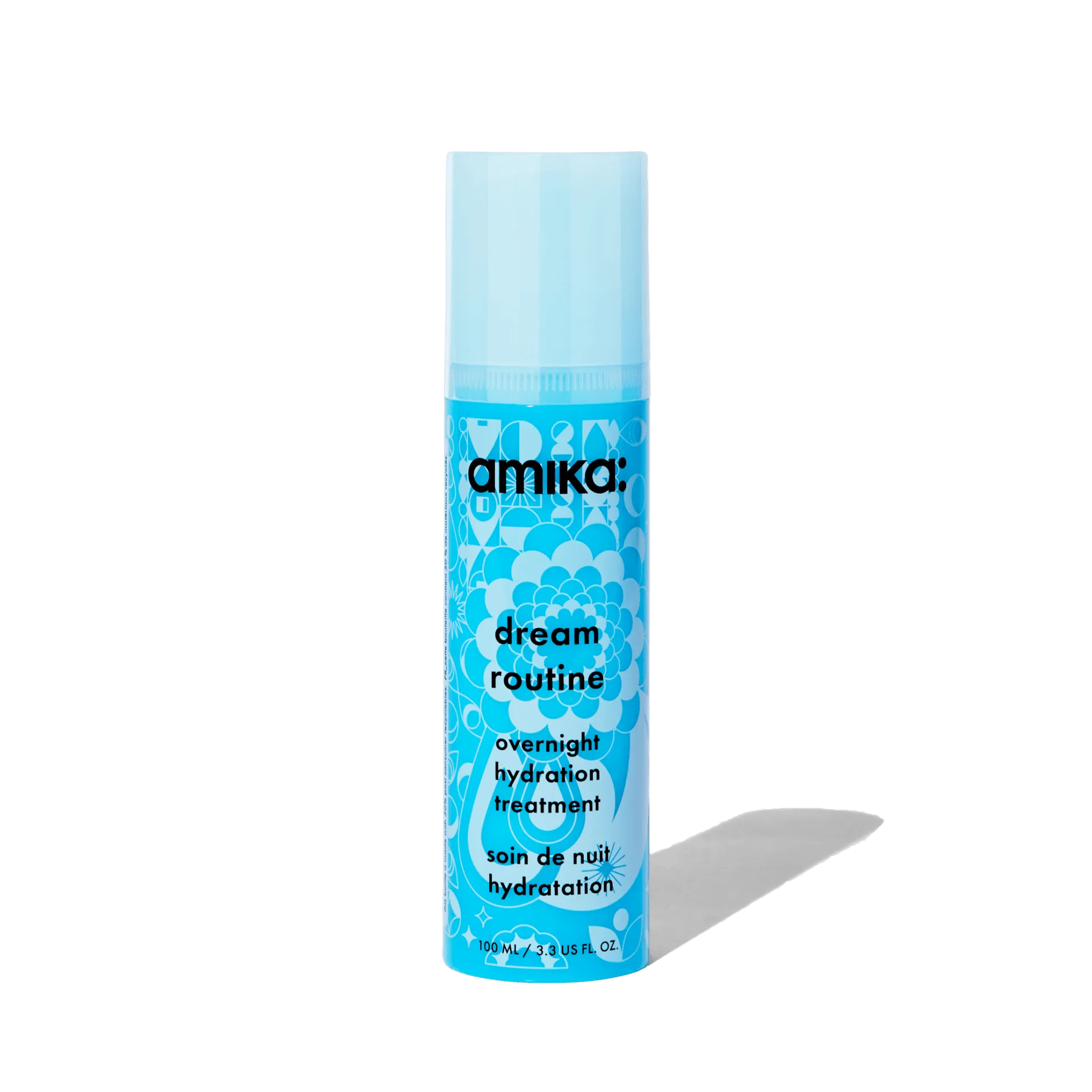
- Curly, coarse hair: choose a moisturizing shampoo and follow with a rich mask like the dream routine overnight hydrating hair mask.
Trade-Offs to Keep in Mind
- Hydrating vs. Moisturizing: Hydrating shampoos add water but may not lock it in, leading to moisture loss later. Moisturizing shampoos seal moisture but can feel heavy on fine hair. If your hair feels dry but lightweight, go hydrating. If it's dry and frizzy, go moisturizing.
- Frequency of Use: Hydrating shampoos are gentle enough for daily use. Moisturizing shampoos may cause buildup if used every day, especially on fine hair. Alternate between the two or use a clarifying shampoo once a week.
- Hair Type Matters: Wavy hair often benefits from hydrating formulas, while curly hair needs more moisture retention. But individual hair porosity and climate also play a role. Pay attention to how your hair feels after washing—adjust based on your specific needs.
Products That Help
- hydro rush | intense moisture conditioner for dry hair: Infused with hyaluronic acid and squalane, this silicone-free conditioner drenches hair with 3x more hydration, clinically proven when used as a system with the shampoo. If you're using a hydrating shampoo, this conditioner helps lock in the added water, especially for dry, textured, or coarse hair types 2a–4c.
- dream routine | overnight hydrating hair mask: An ultra-hydrating, silicone-free overnight treatment with hyaluronic acid that boosts moisture for 72 hours and results in hair that is 3x more hydrated by morning. For hair that needs more than a daily shampoo, this mask provides a deep hydration boost overnight, ideal for all hair types 1–4c.
Which One Is Right for You?
Best for
- Wavy or straight hair that needs a moisture boost without heaviness
- Hair that feels dry but still has body and movement
Not for
- Tight curls or coils that lose moisture quickly and need extra sealing
- Hair that is extremely dry and requires a richer, more emollient formula
Choosing between a hydrating and a moisturizing shampoo comes down to your hair's specific needs. Start with a hydrating formula if your hair is dry but fine, and switch to a moisturizing one if it's dry and frizzy. Don't be afraid to alternate—your hair will tell you what works.