When it comes to skincare, the terms 'hydrating' and 'moisturizing' are often used interchangeably. But did you know they actually target two distinct skin needs? Understanding the difference can transform your routine from good to great—helping you achieve that coveted dewy, plump, and resilient complexion.
In this guide, we'll break down the science behind hydration versus moisturization, explain why your skin needs both, and show you how to choose the right products for your unique skin type. Whether you're dealing with dryness, oiliness, or a combination, this knowledge is your first step toward a more effective skincare regimen.
What Does 'Hydrating' Mean for Your Skin?
Hydration refers to the water content within your skin cells. When your skin is well-hydrated, it appears plump, smooth, and radiant. Hydrating ingredients—like hyaluronic acid, glycerin, and aloe vera—attract water from the environment or deeper layers of the skin and bind it to the surface. Think of hydration as filling a glass with water: it quenches your skin's thirst.
A dehydrated complexion often feels tight, looks dull, and may show fine lines more prominently. This can happen to any skin type—even oily skin can be dehydrated. To boost hydration, look for lightweight, water-based products such as serums and essences. For example, the Perfect Renew 3X Signature Serum delivers a concentrated dose of hydrating ingredients that help restore your skin's natural moisture balance.
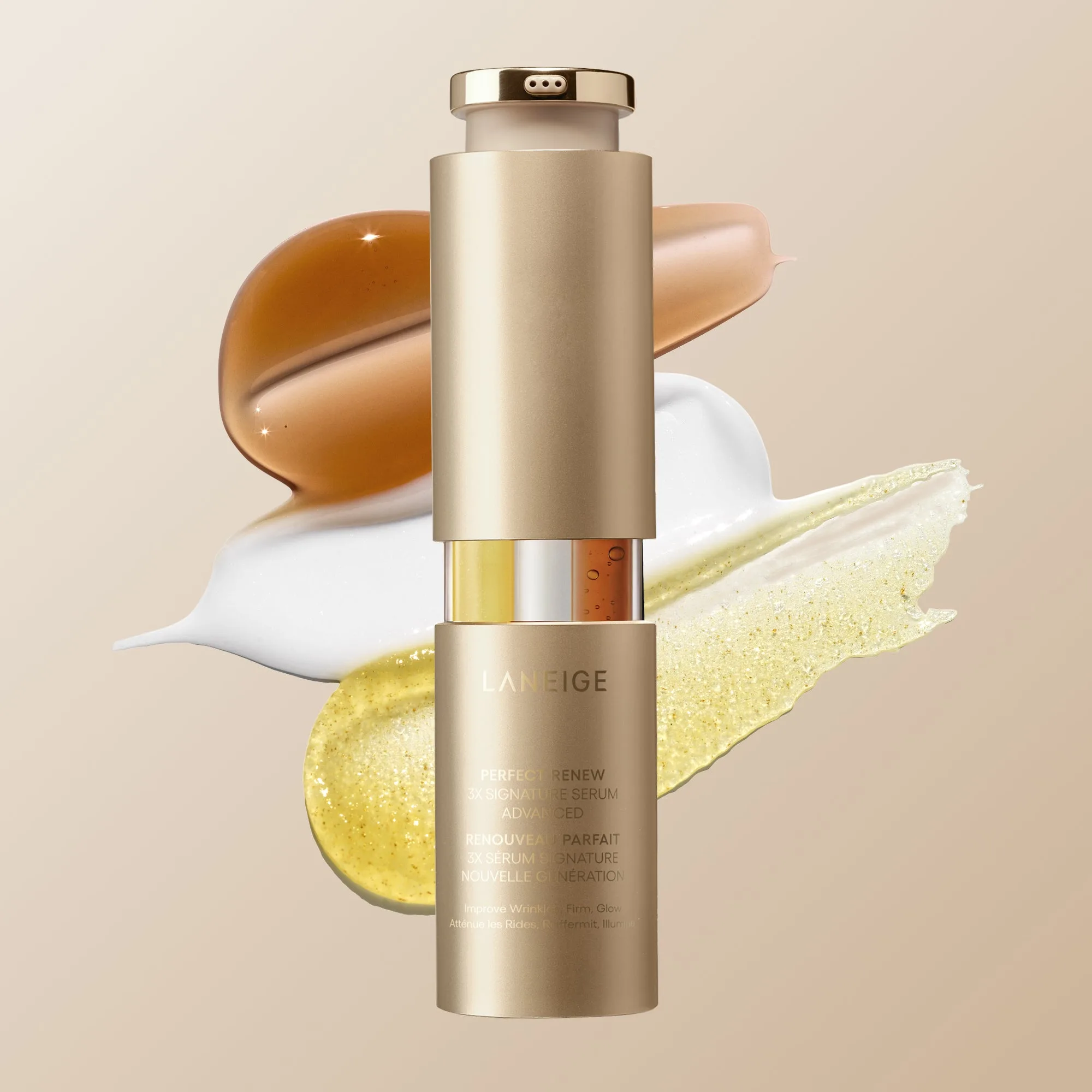
Perfect Renew 3X Signature Serum
- Hydration is about water content, not oil.
- Dehydrated skin can feel tight and look lackluster.
- Hyaluronic acid is a powerhouse hydrator that can hold up to 1,000 times its weight in water.
What Does 'Moisturizing' Mean for Your Skin?
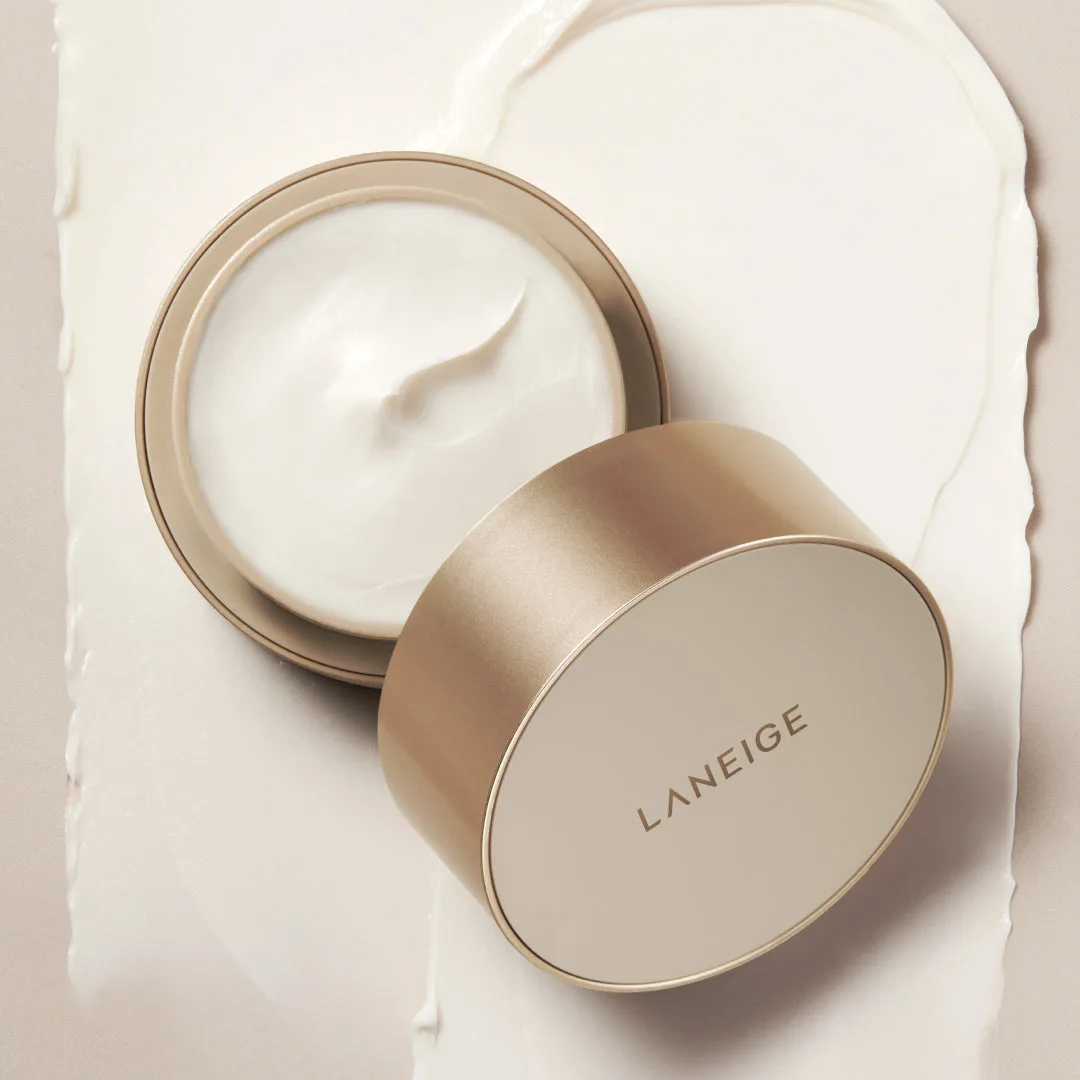
Moisturizing, on the other hand, is about sealing in hydration and preventing water loss. It involves using ingredients that create a protective barrier on the skin's surface, such as oils, butters, and ceramides. If hydration is filling the glass, moisturizing is putting a lid on it—keeping the water from evaporating. Without proper moisturization, even the most hydrated skin can quickly become dry and irritated.
Moisturizers come in various textures, from lightweight lotions to rich creams, making it easy to find one that suits your skin type. Dry or mature skin often benefits from thicker formulations, while oily or combination skin may prefer gel-based options. A product like the Water Bank Gentle Gel Cleanser is a great starting point—it cleanses without stripping, preparing your skin to better absorb both hydrating and moisturizing steps.
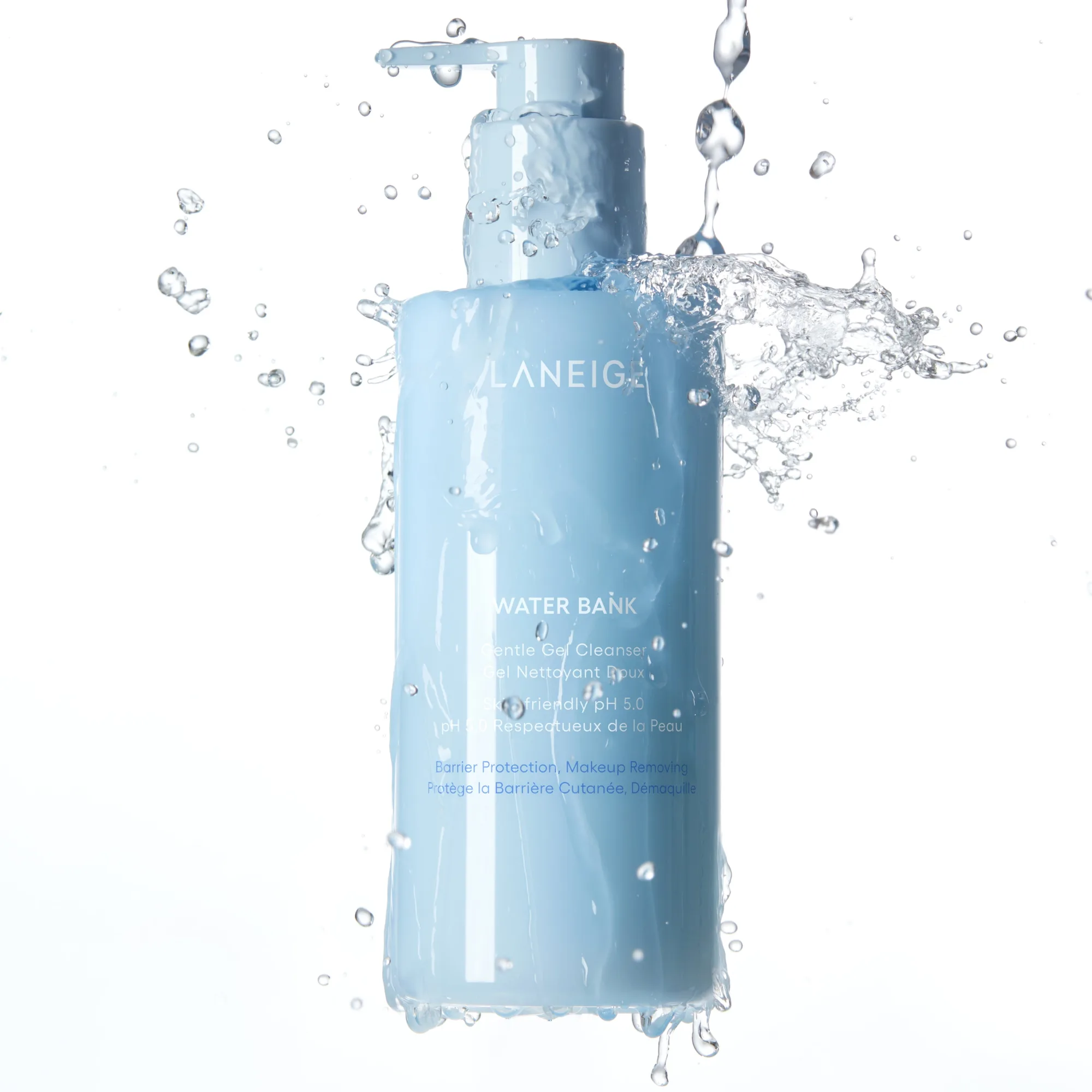
Water Bank Gentle Gel Cleanser
- Moisturizing locks in hydration and strengthens the skin barrier.
- Common moisturizing ingredients include shea butter, squalane, and ceramides.
- Even oily skin needs moisturizing to prevent overproduction of sebum.
How to Tell If Your Skin Needs Hydration or Moisturization
A simple self-check can help you determine your skin's primary need. If your skin feels tight, looks flaky, or shows fine lines, it's likely dehydrated and needs more hydration. If your skin feels rough, looks dull, or has a compromised barrier (e.g., redness or sensitivity), it may be lacking moisture. Many people need both, which is why a two-step approach—hydrate then moisturize—is so effective.
For a balanced routine, start with a hydrating serum or toner, then follow with a moisturizer suited to your skin type. The Balance Mode Pore Polishing Peel-off Mask can also help refine pores and improve texture, making it easier for hydrating and moisturizing products to penetrate. Using it once or twice a week can enhance your overall results.
- Dehydrated skin: feels tight, looks dull, shows fine lines.
- Dry skin: feels rough, flaky, or sensitive due to lack of oil.
- Combination: you may need hydration all over and extra moisture on dry areas.
Building a Routine That Balances Both
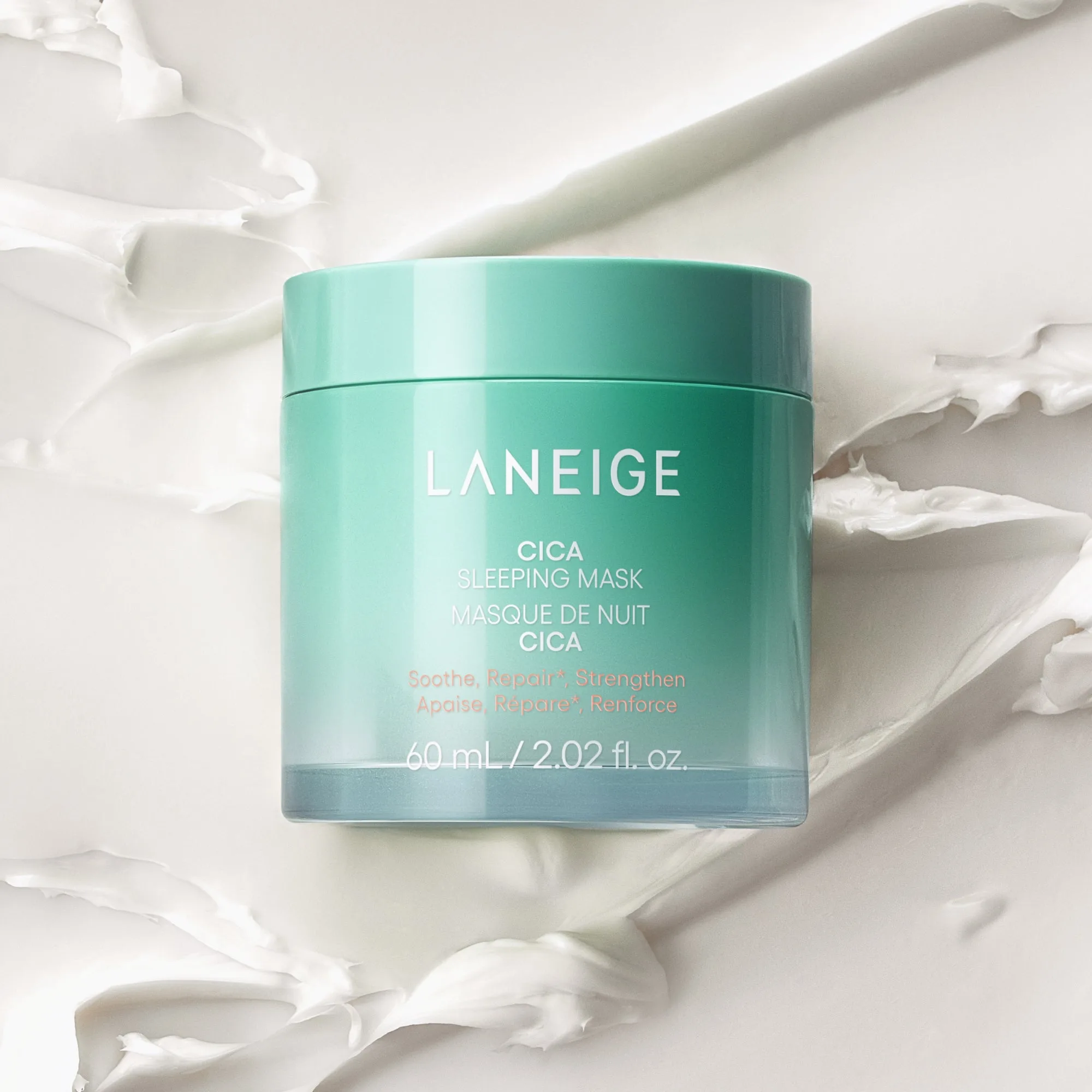
To achieve optimal skin health, incorporate both hydrating and moisturizing steps into your daily regimen. In the morning, apply a lightweight hydrating serum followed by a moisturizer with SPF. At night, you can layer a richer moisturizer or a sleeping mask to support overnight repair. The key is to choose products that work harmoniously without overwhelming your skin.
Don't forget that hydration also comes from within—drinking enough water and eating water-rich foods can complement your topical routine. For targeted care, consider the Bouncy & Firm Serum, which combines hydrating and firming benefits to help your skin look more youthful and resilient. Pair it with a gentle cleanser like the Water Bank Gentle Gel Cleanser to maintain your skin's natural moisture barrier.
- Layer products from thinnest to thickest consistency.
- Use a hydrating toner or essence before your serum.
- Seal everything with a moisturizer appropriate for your skin type.
Understanding the difference between hydrating and moisturizing is the foundation of a smarter skincare routine. By addressing both water content and barrier protection, you can keep your skin balanced, comfortable, and glowing. Ready to upgrade your regimen? Explore the Perfect Renew 3X Signature Serum to give your skin the hydration it craves, then lock it all in with a moisturizer that fits your needs.