Start with what the label and catalog actually tell you
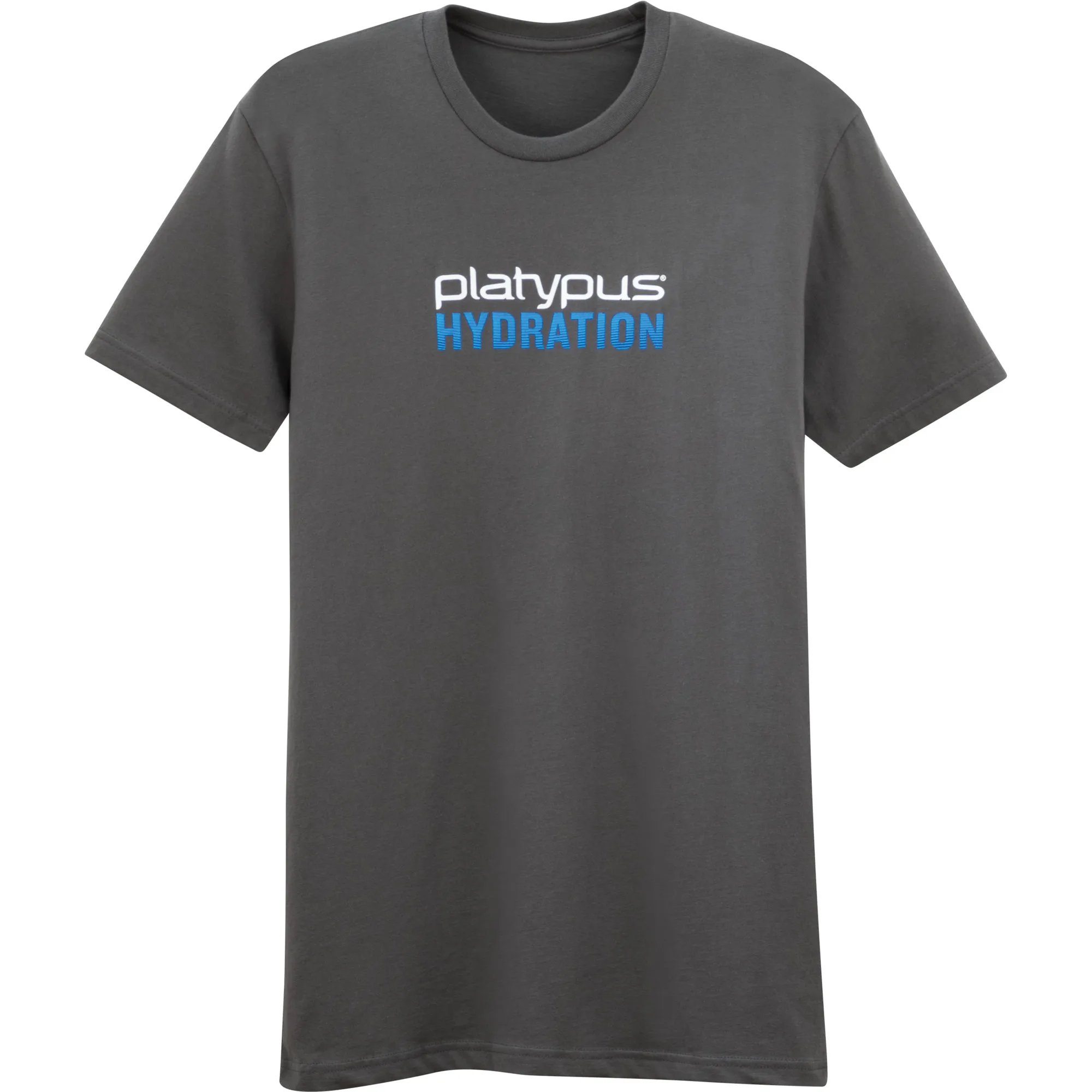
The Platypus Hydration T-Shirt is designed for active use and everyday wear, with sizes in Medium, Large, and Extra Large. Before you wash it, check the care label inside the shirt—that label is the most reliable source for water temperature, bleach, and ironing guidance. The supplied catalog information does not include specific washing instructions, so treat the label as your primary reference.
If the label is missing or unclear, use a conservative approach: cold water, mild detergent, and air drying. These habits are gentle on most outdoor fabrics and reduce the risk of shrinkage or damage. Avoid fabric softeners and dryer sheets, which can leave residue that affects moisture management.
What the catalog confirms about this shirt
-
Hydration T-Shirt: Available in Medium, Large, and Extra Large sizes. Knowing your size helps you avoid over-washing a shirt that doesn't fit—and reminds you to check the label for any size-specific care notes.
Hydration T-Shirt
-
Hydration T-Shirt: Designed for active use and everyday wear. A shirt that sees frequent use will need a regular washing routine; plan to wash after each heavy sweat session.
A practical washing routine
Follow these steps unless the care label says otherwise. They are based on general best practices for activewear and the shirt's intended use.
- Turn the shirt inside out: This protects the outer surface and any printed graphics from abrasion during the wash cycle.
- Use cold or lukewarm water: Hot water can set stains and stress synthetic fibers. Cold water is safer for most technical fabrics.
- Choose a mild detergent: Avoid bleach and fabric softener. Softeners can coat fibers and reduce breathability.
- Wash with similar colors: Separate from rough items like Velcro or zippers that can snag the fabric.
- Skip the dryer or use low heat: Air drying is gentlest. If you must use a dryer, choose the lowest heat setting and remove the shirt promptly.
Drying without damage
After washing, reshape the shirt and hang it to dry in a shaded, well-ventilated spot. Direct sunlight can fade colors over time, and high heat from a dryer can shrink or warp synthetic fabrics. If you're short on time, tumble dry on low heat and check the shirt frequently—remove it while slightly damp to avoid overdrying.
Never wring the shirt aggressively; instead, press it between two towels to remove excess water. This helps maintain the fabric's shape and reduces the chance of stretching.
Storage tips for between adventures
- Make sure it's completely dry: Even slightly damp fabric can develop mildew. Let the shirt air out fully before folding.
- Fold loosely or hang: Avoid compressing the shirt tightly in a stuff sack for long periods, which can create permanent creases.
- Keep away from moisture and heat: Store in a dry place, away from direct sunlight or heat sources that can degrade fibers.
- Air out after each use: If you wear the shirt but don't wash it immediately, hang it to air out before putting it back in the drawer.
What to do when the label is missing
If the care label is gone, default to the gentlest method: cold water, mild detergent, and air drying. Test any stain remover on an inside seam first. Avoid harsh chemicals and high heat. When in doubt, hand wash and line dry—this is the safest approach for any technical fabric.
Remember that the supplied catalog information does not include specific care instructions, so the label or the manufacturer's website remains your best source for exact guidance.